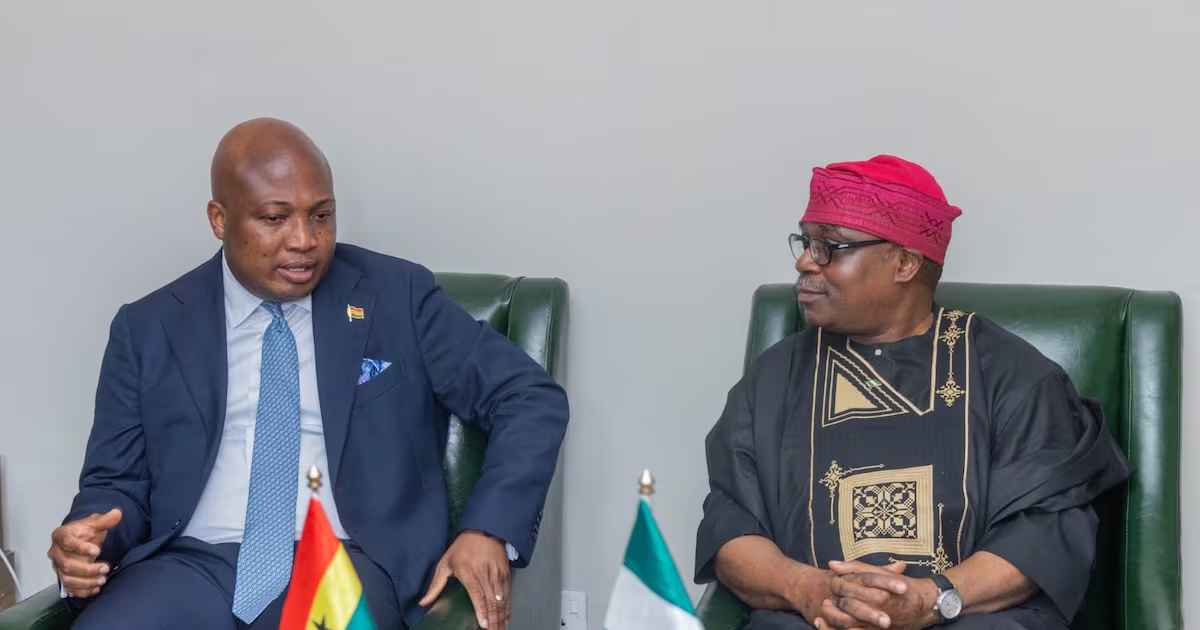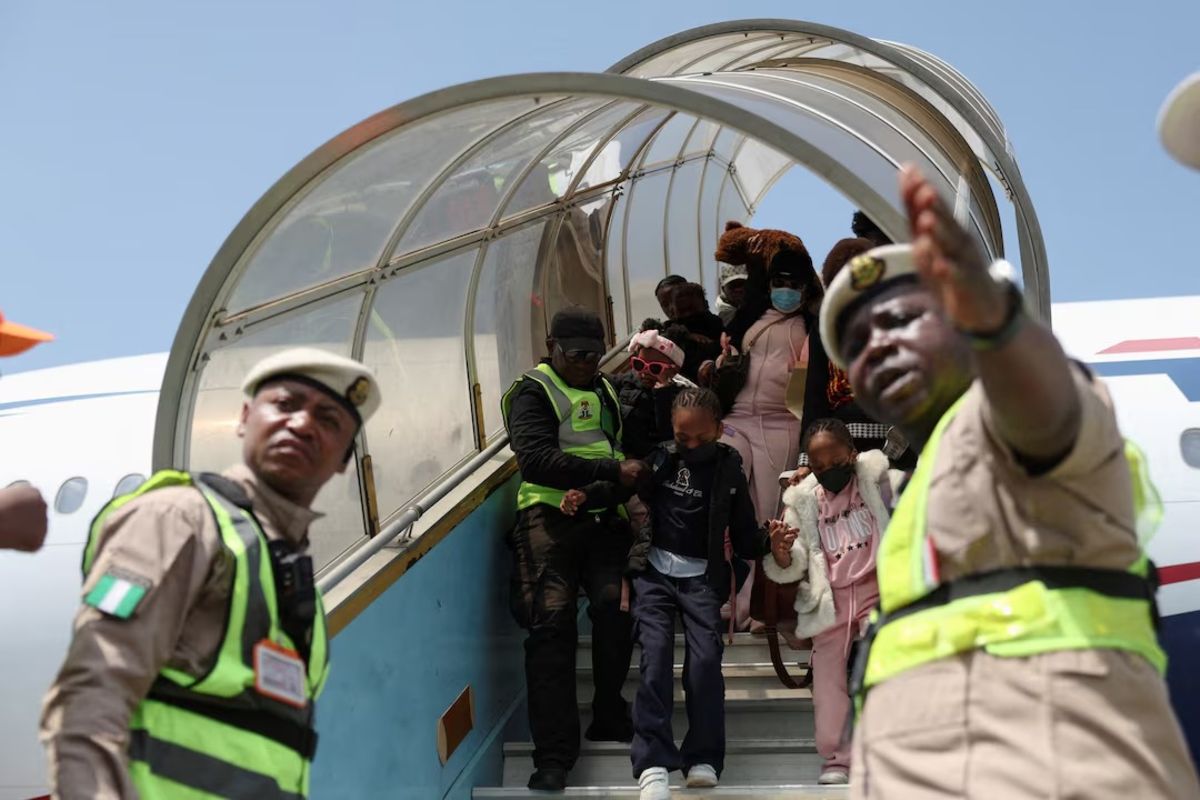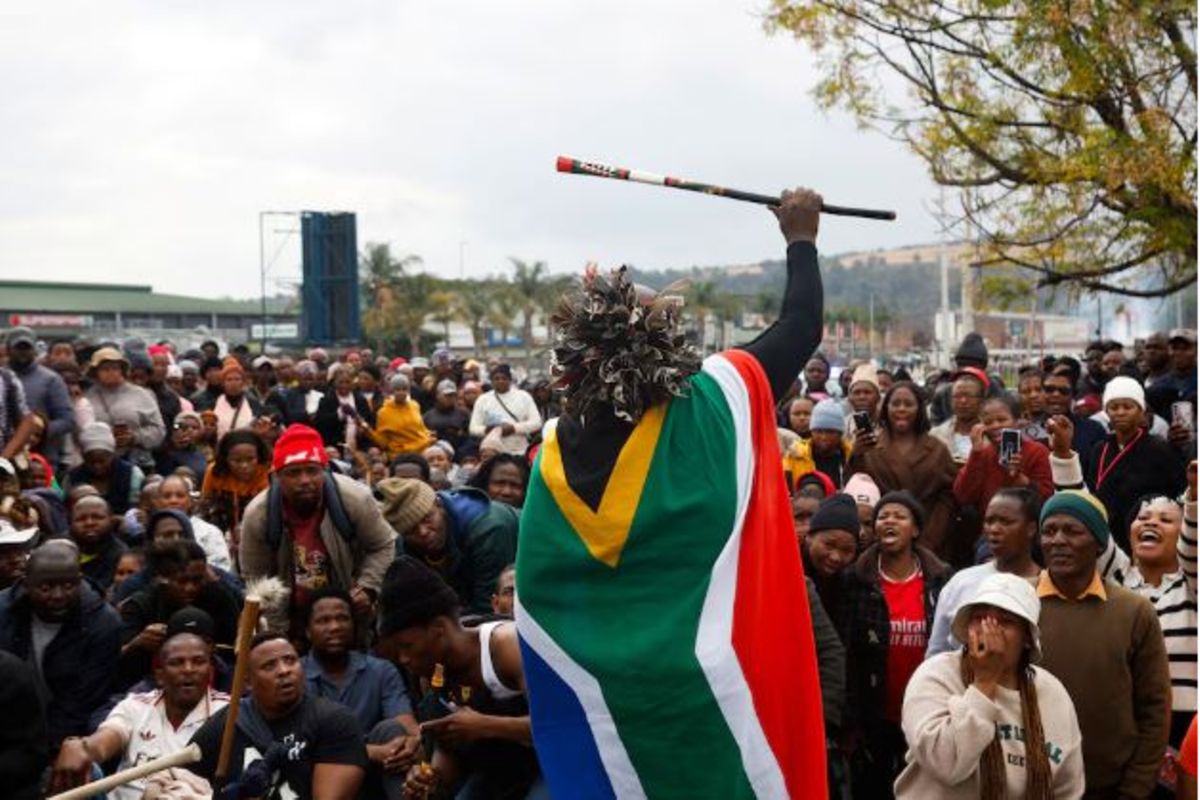
South Africa and Nigeria account for about a quarter of Africa’s economic might and led much of its post-Cold War peacemaking initiatives until recently, when internal fragility has forced both powers to deploy troops to focus disproportionately on domestic security. The success of region-building efforts in Africa, nevertheless, rests heavily on these two powers. About 500,000 Nigerians live in South Africa, and 120 South African companies operate in Nigeria. While Nigerian citizens tend to be the target of South African violence, South African companies tend to bear the brunt of Nigerian retaliation. The recent recurrence of xenophobic attacks on Nigerian citizens and businesses in South Africa seriously threatens the future of this indispensable relationship.The attacks flared up in May, resulting in the looting and burning of Nigerian shops. Three Nigerian citizens died under suspicious circumstances after being arrested by South African security forces on allegations of drug-trafficking. Another Nigerian was fatally shot in front of his shop in Mpumalanga.Nigeria’s assertive foreign minister, Bianca Odumegwu-Ojukwu, strongly condemned the attacks, accusing South Africans of harassing even legal Nigerian residents and berating Pretoria for not having dealt firmly with the attacks. She said South African police had failed to protect Nigerian citizens from vigilante mobs. Nigerian President Bola Tinubu, centre, Jigawa State governor Umar Namadi and Bianca Odumegwu-Ojukwu, foreign minister. Picture: (Esa Alexander) Odumegwu-Ojukwu did not rule out retaliation against South African companies, and MTN and Multichoice temporarily suspended their operations in Nigeria. Abuja has evacuated 1,459 of its citizens from South Africa, with Nigeria complaining that a South African government spokesperson had publicly asked its departing migrants to show them where their illegal drugs were hidden. Pretoria, for its part, accused Nigeria, and particularly Ghana, of launching a campaign to isolate South Africa within the continent and of spreading fake news about xenophobia.The attacks have, however, formed part of a similar pattern over the past decade. Nigerian shops and properties were destroyed in Soweto and Yeoville in Gauteng in 2021. Two years earlier, xenophobic attacks against Nigerian businesses led to about 600 of its citizens being evacuated back home. In 2017, South African vigilantes burnt and looted scores of homes and businesses belonging to Nigerians in Rosettenville, Mamelodi, and Atteridgeville, which they alleged were drug dens and brothels. Ordinary Nigerians reacted to the recurring attacks with seething anger, with mobs attacking Shoprite, Pep Stores and MTN offices in Nigeria.This bilateral relationship has clearly become fractious. Yet, there is much to gain on both sides. Bilateral trade increased hugely in the 2000s, with Nigeria becoming South Africa’s largest trading partner in Africa. By 2003–2004, MTN Nigeria’s post-tax profit of R2.36bn had surpassed MTN South Africa’s R2.24bn profit. Other prestigious companies followed: Stanbic, Rand Merchant Bank, Alexander Forbes, Protea Hotels, Debonairs pizza and Shoprite. South African-dominated malls are ubiquitous in Nigeria’s megalopolis of Lagos, and in major cities such as Ibadan.Despite these successes, many Nigerians complain that the South African market remains closed to Nigerian companies, while more than 90% of their own exports to South Africa consist of oil. Bilateral trade stood at $2.16bn by 2025, with South African exports to Nigeria worth $468.48m, and Nigerian exports worth $1.69bn. About 50,000 Nigerians visit South Africa annually.In further setbacks to the bilateral relationship, Shoprite sold its supermarket chain in Nigeria to local buyers in 2021, while the Southern Sun hotel group announced a similar winding up of its interests in the country a year later. MTN, Shoprite, Southern Sun and Multichoice have all complained about Nigeria’s erratic regulatory environment.Africa clearly has much to lose if this critical bilateral relationship continues to sour.• Adebajo is a senior research fellow at the University of Pretoria’s Centre for the Advancement of Scholarship.
ADEKEYE ADEBAJO | The Pretoria-Abuja axis in the age of Afrophobia
Corporate withdrawals underscore deepening diplomatic rift
615 words~3 min read