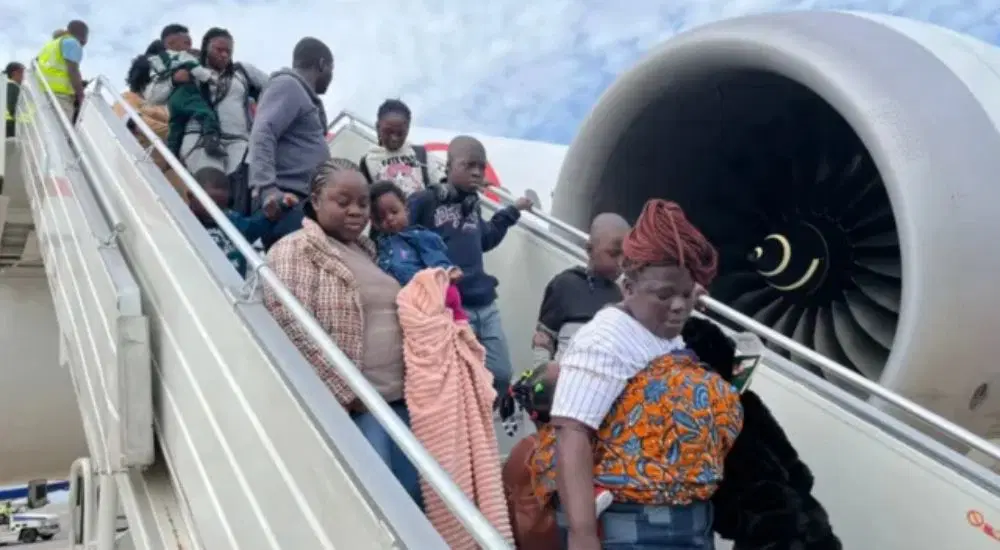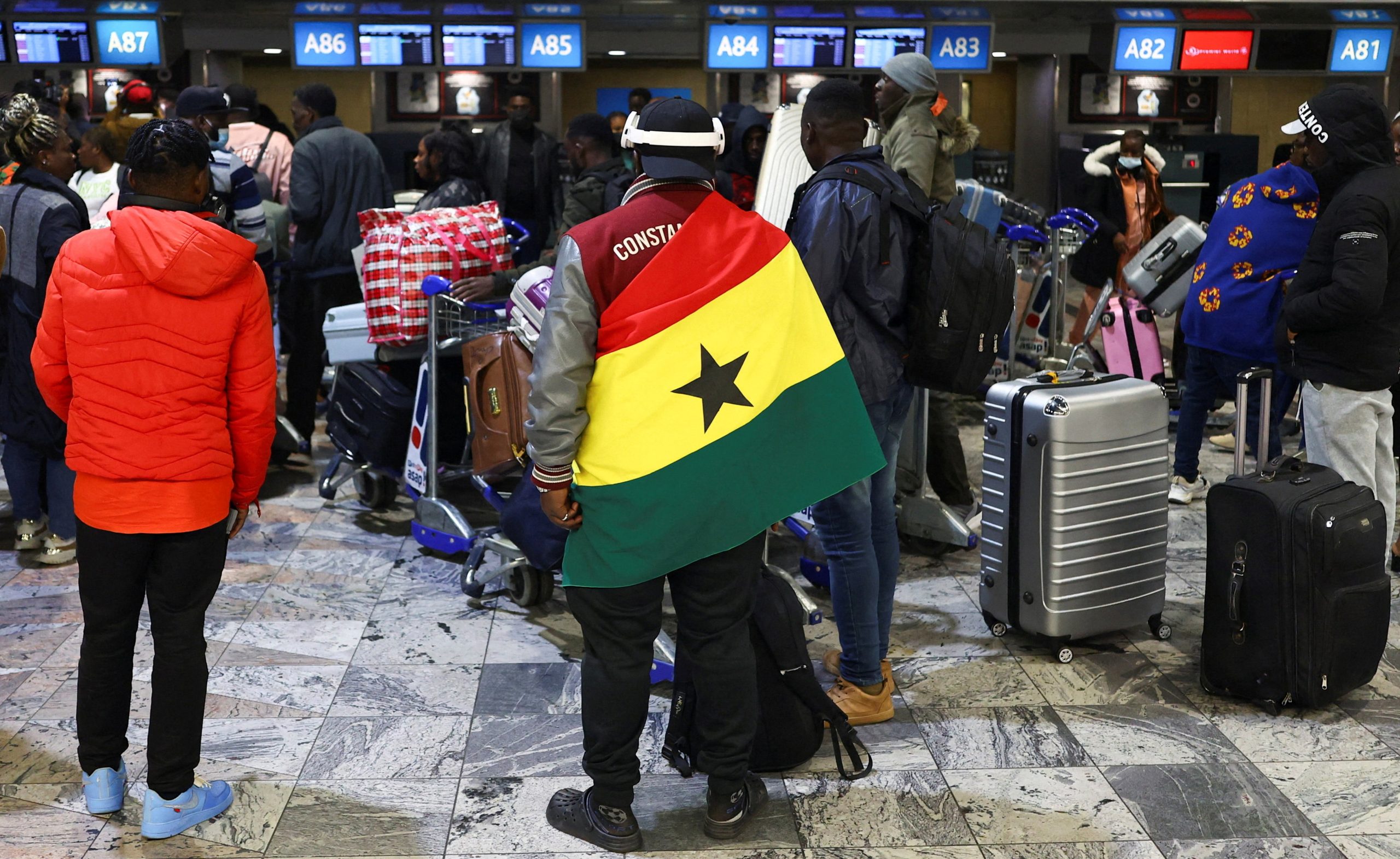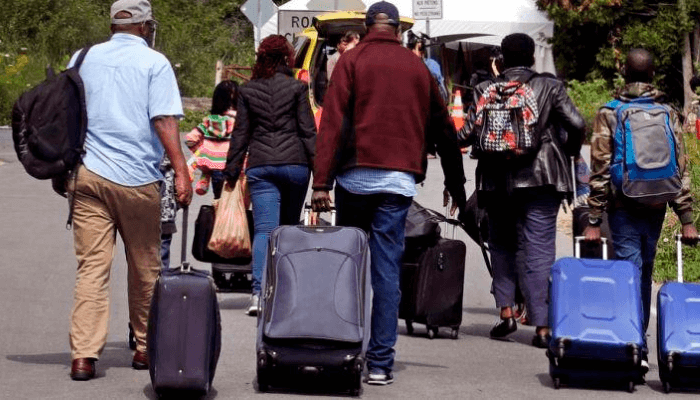
Every nation is eventually tested by how it treats citizens returning home after adversity abroad. Nigeria is facing that test once again. As xenophobic violence forces Nigerians to abandon businesses, jobs and livelihoods in South Africa, the immediate priority is their safety and evacuation. The greater challenge begins after the flights land. Repatriation removes citizens from danger, but it does not rebuild lives. Without a credible reintegration strategy, the crisis simply shifts from Johannesburg to Lagos, Abuja, Kano and Port Harcourt.
The attacks deserve unequivocal condemnation. No economic grievance or political frustration justifies violence against people because of their nationality. South Africa has every right to enforce its immigration laws, but that responsibility belongs to state institutions, not mobs. Every attack on African migrants weakens the ideals of the African Union and the African Continental Free Trade Area. A continent that seeks deeper economic integration cannot allow Africans to feel unsafe in other African countries.
Indeed, Nigeria should resist viewing this as South Africa’s failure alone. Every xenophobic attack exposes two governments. One has failed to protect migrants within its borders. The other has failed to create enough opportunities to keep many of its citizens from seeking better prospects elsewhere. People do not leave their families because migration is fashionable. They leave because they believe opportunities abroad outweigh those available at home.