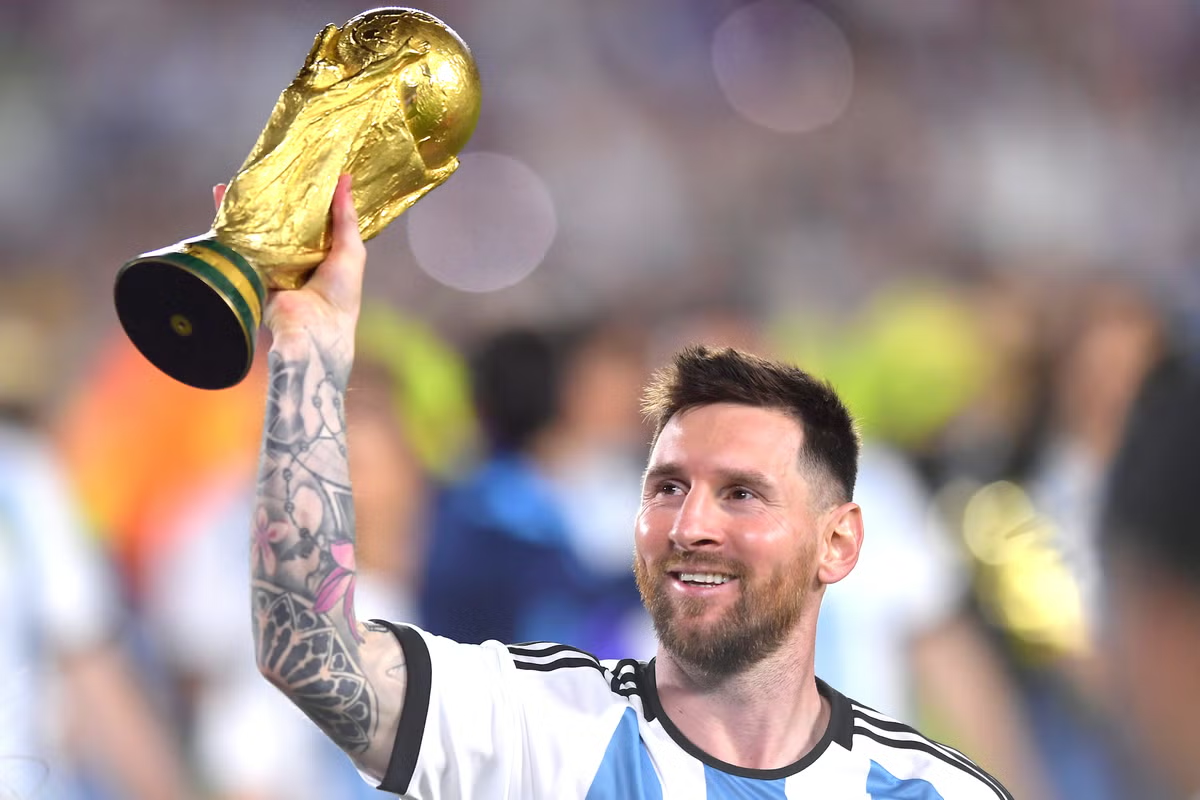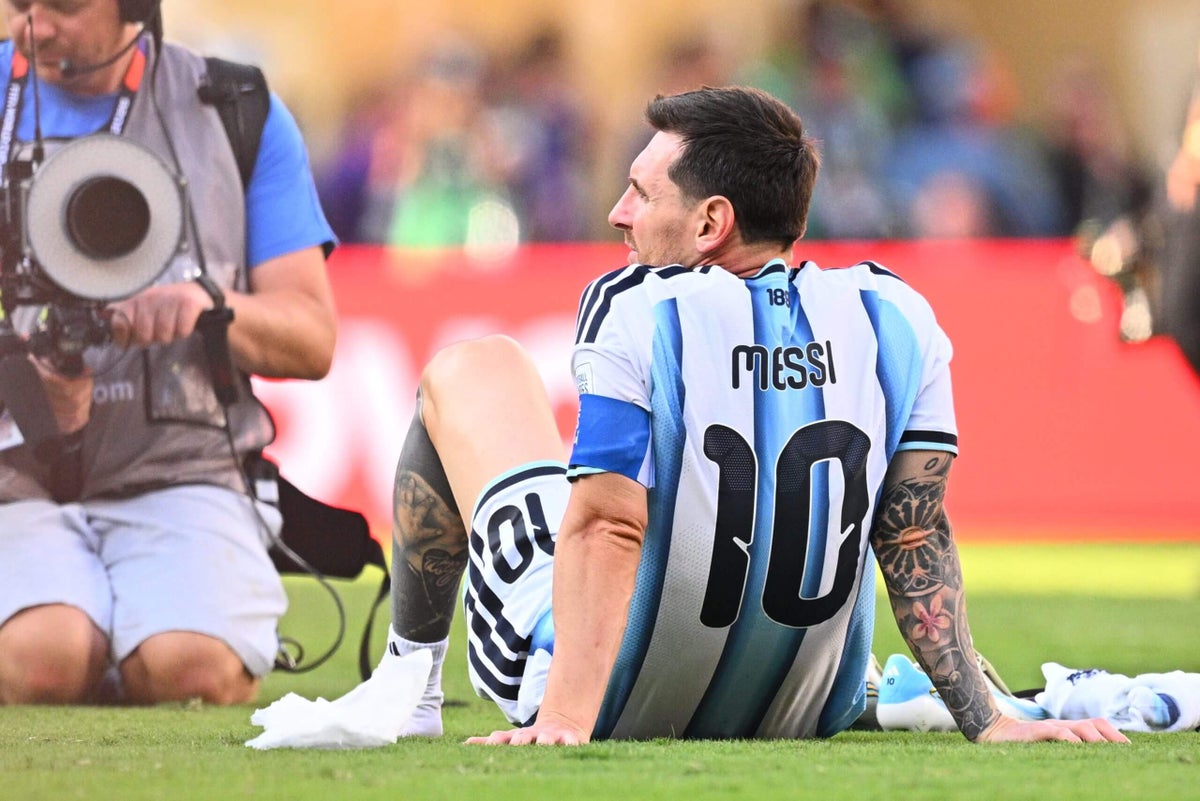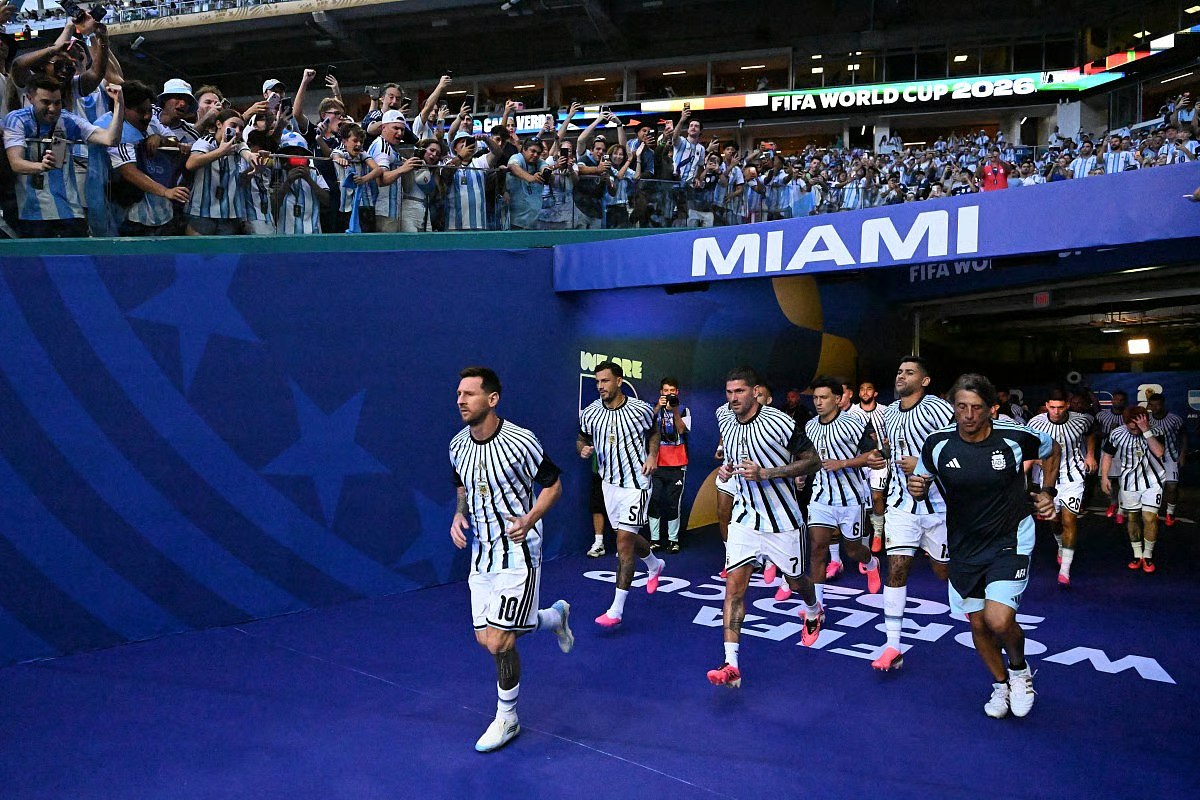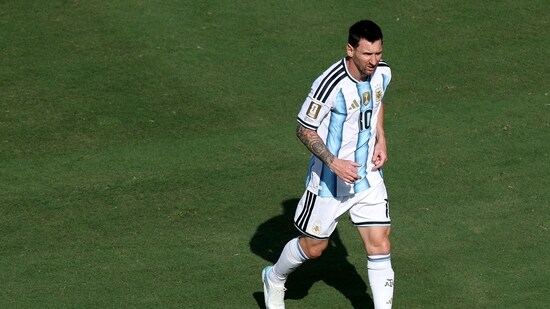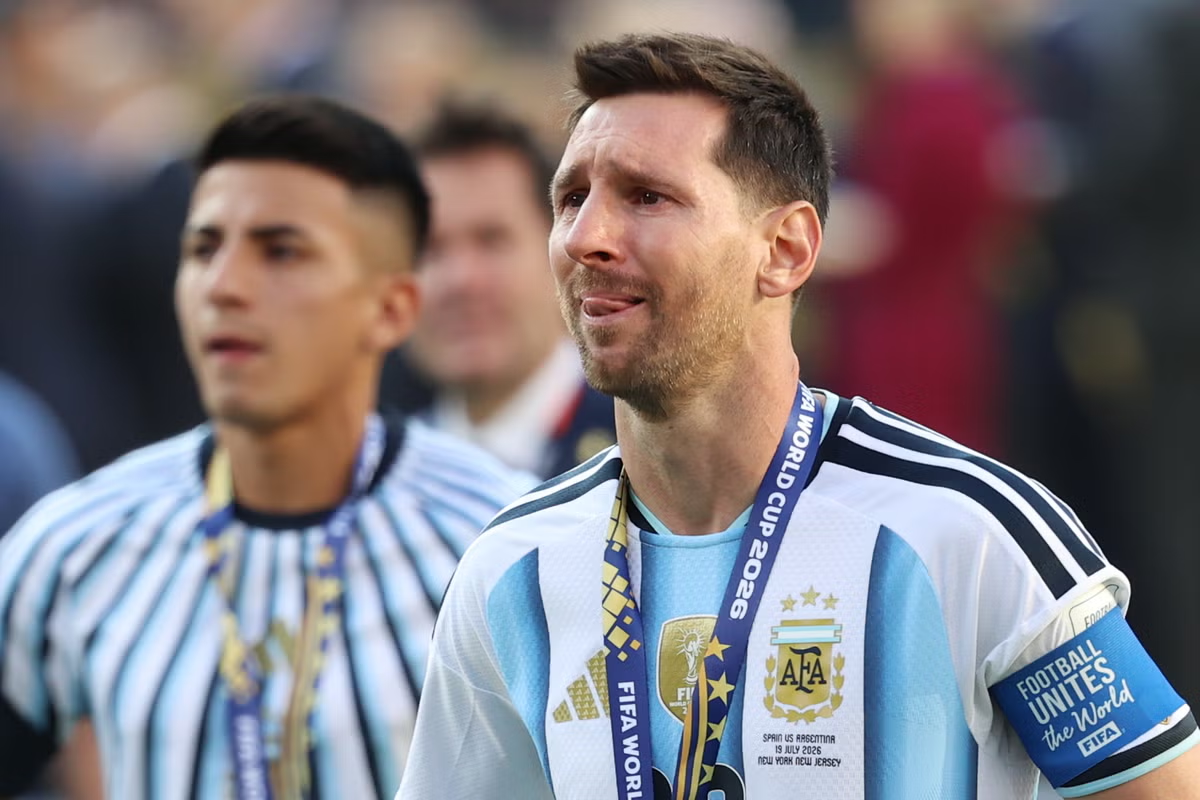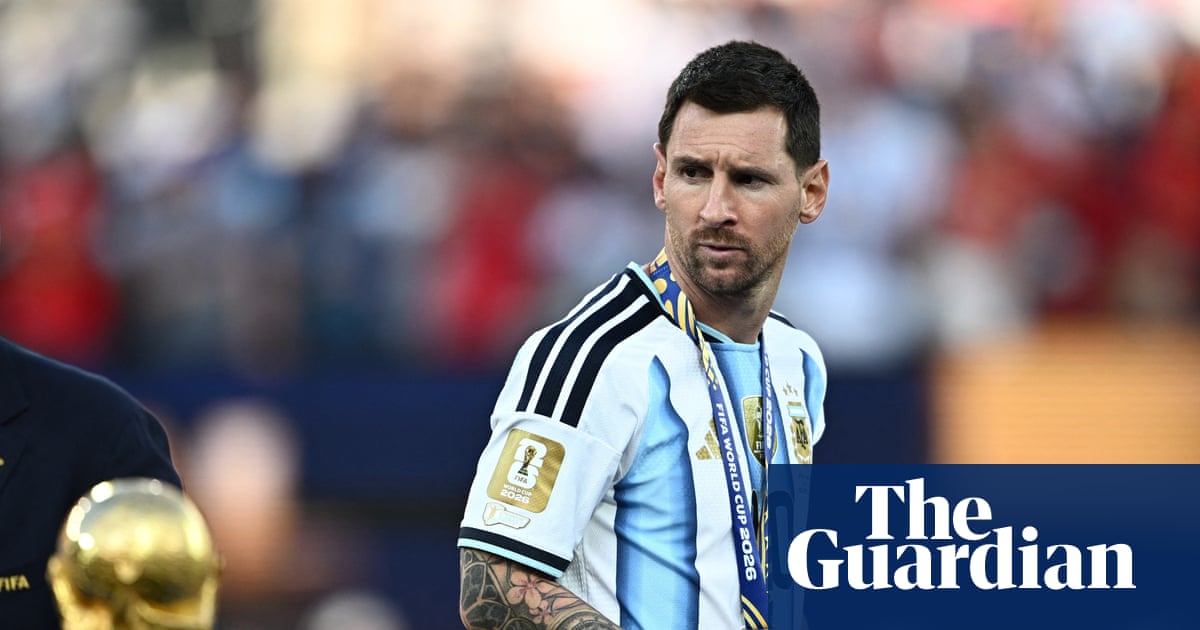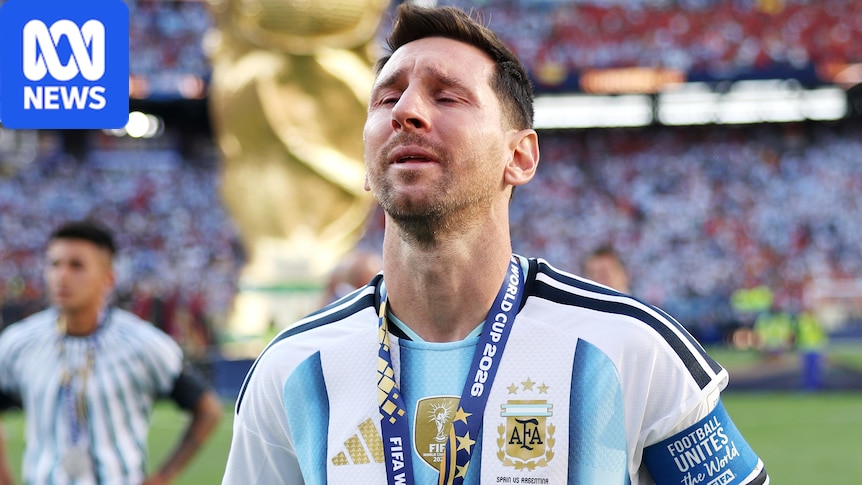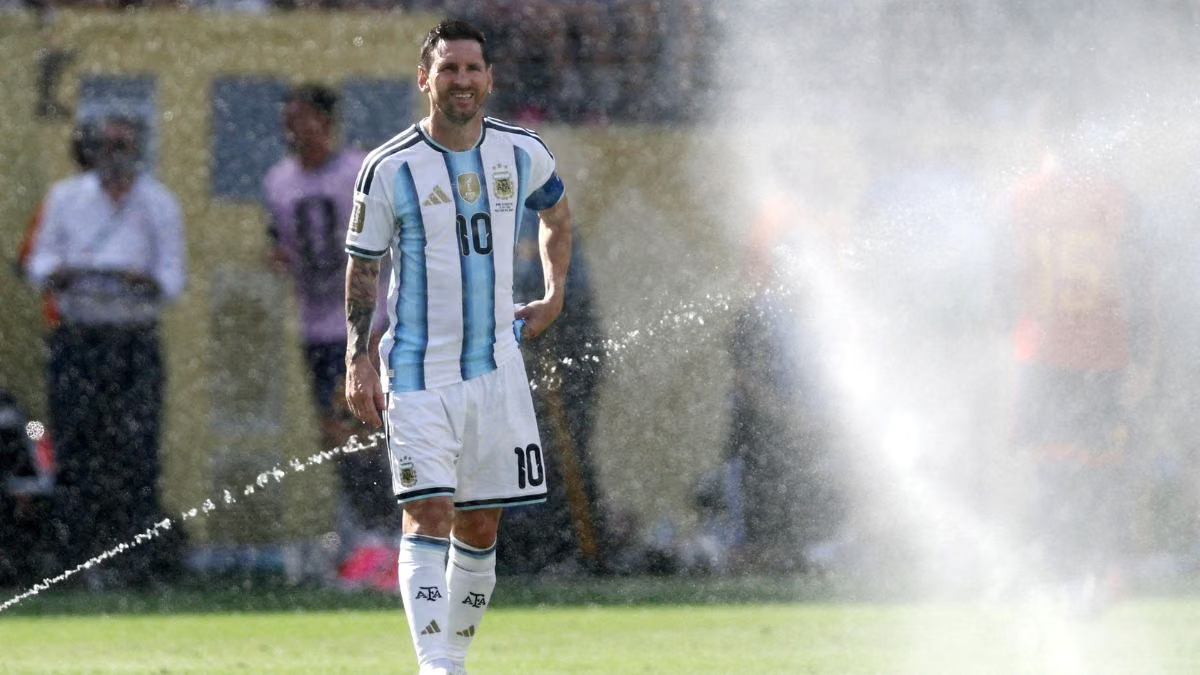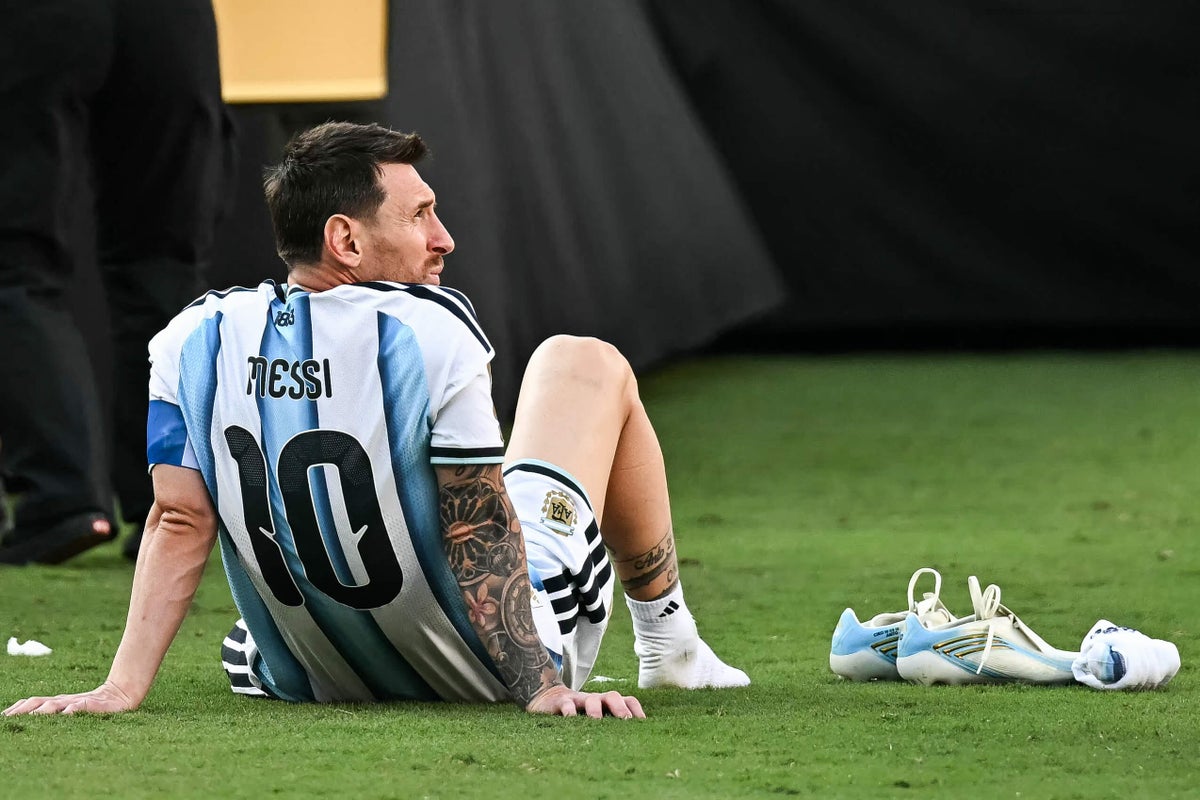
What happens when the greatest of all time moves on?The body of the 2026 World Cup is not yet cold, and Argentina are in the early stages of coming to terms with their defeat against Spain in Sunday’s final.There might be something even bigger for them to adjust to, though, in the near future. Lionel Messi has given little indication about his international future, but despite his brilliance throughout most of the tournament, at 39 years old he probably doesn’t have long left at this level.You wouldn’t rule out Messi continuing, and there is the sentimental pull of the next World Cup having at least one game in Argentina. If Gianni Infantino’s wheeze to expand the tournament to 64 teams comes off, then there might be a whole group there. Is that enough to keep him going?Perhaps. But Argentina have to at least consider the possibility that Sunday was his last game. They’ve had to confront this concept before… although admittedly only for two months, in which time they didn’t play any games: he retired after the Copa America in June 2016, but reversed his decision before the World Cup qualifiers in September that year.This time, though, presumably a decision will be more permanent. So how will they cope without him? The evidence of Sunday’s final suggests the answer will be ‘not well’, but it’s worth looking at examples from sporting history of when a team’s greatest player has left them, and how well they dealt with it.First, ‘the greatest’ is obviously subjective. Some of the examples we use here will not necessarily be exactly, definitively the greatest to ever play their particular sport. They are more generational players around which teams were built, after which those teams had to figure out how to do things.It’s also worth pointing out the ‘correlation is not necessarily causation’ caveat: none of this is to say that what happened to these teams after their greatest left is because they left.How Lionel Messi has defined this World CupAsli Pelit and Rachael TindeThe logical place to start is Argentina. The parallels between this team and the ones in 1986 and 1990 are clear: a genius No 10 took them to glory, then an increasingly aggressive and self-destructive side reached the final four years later, only to be defeated by a single goal. Diego Maradona wasn’t nearly as much of a factor in 1990 as Messi was in 2026, but the sense that they still depended on him was strong.To a point, it reached the state of national delusion: when Argentina were beaten 5-0 by Colombia in World Cup 1994 qualification, the public demanded Maradona’s return, even though by that stage he was long past his peak. It was even stranger considering they had won the Copa America in 1991 and 1993 without Maradona: admittedly, in the latter case at least, they actually won only two games in standard play, getting through the quarter and semi-finals on penalties.
Lionel Messi, Argentina and the challenge of moving on from a GOAT
Plenty of teams in multiple sports have had to learn to live without a great player, some with much more success than others
1,454 words~7 min read