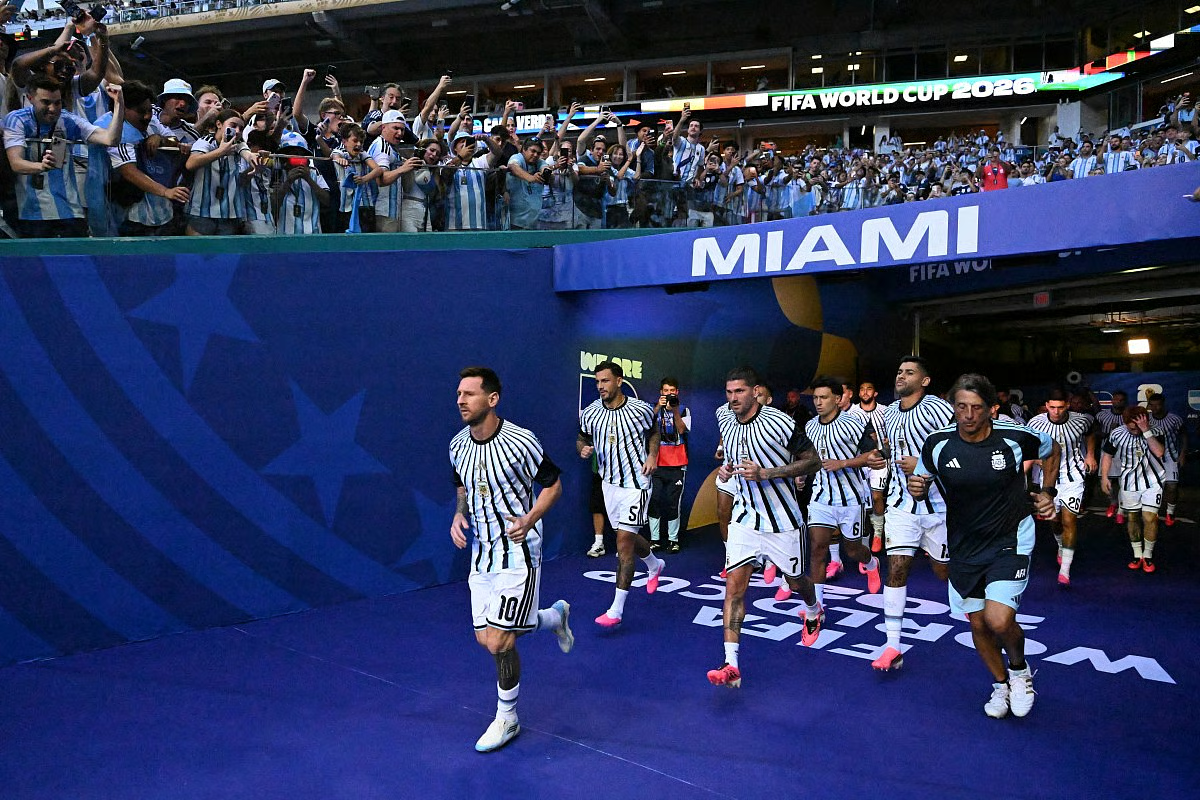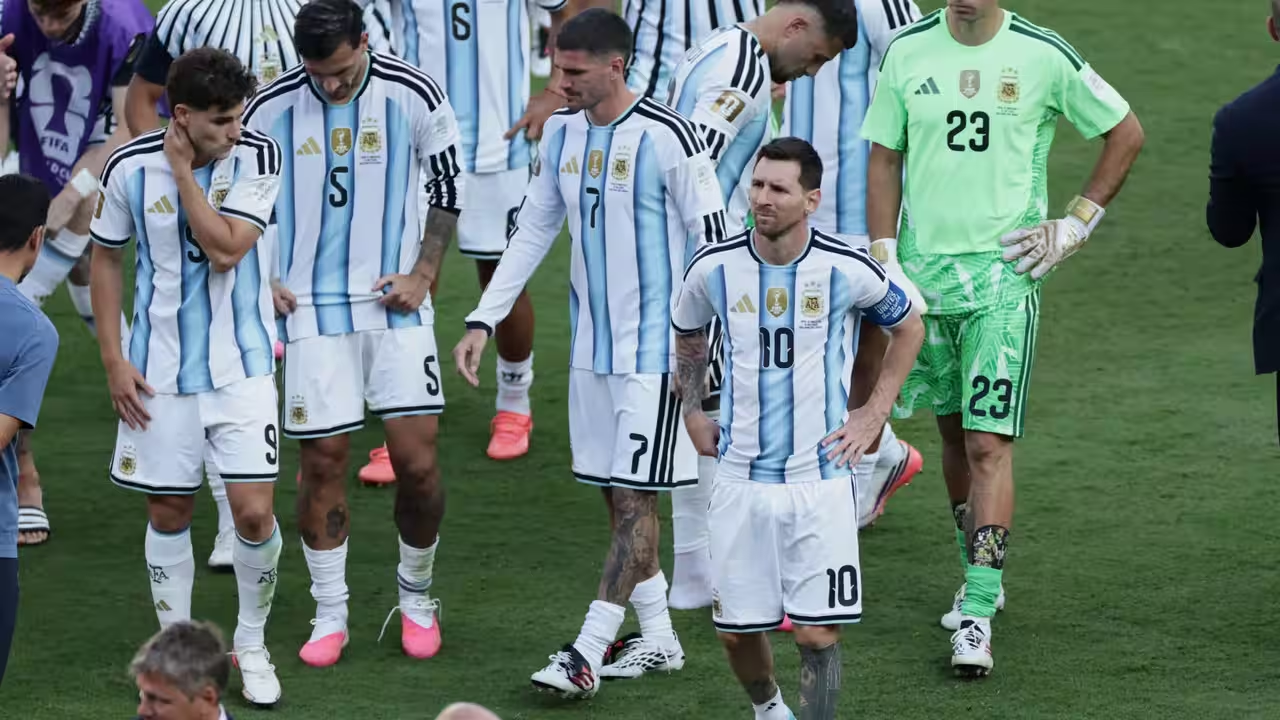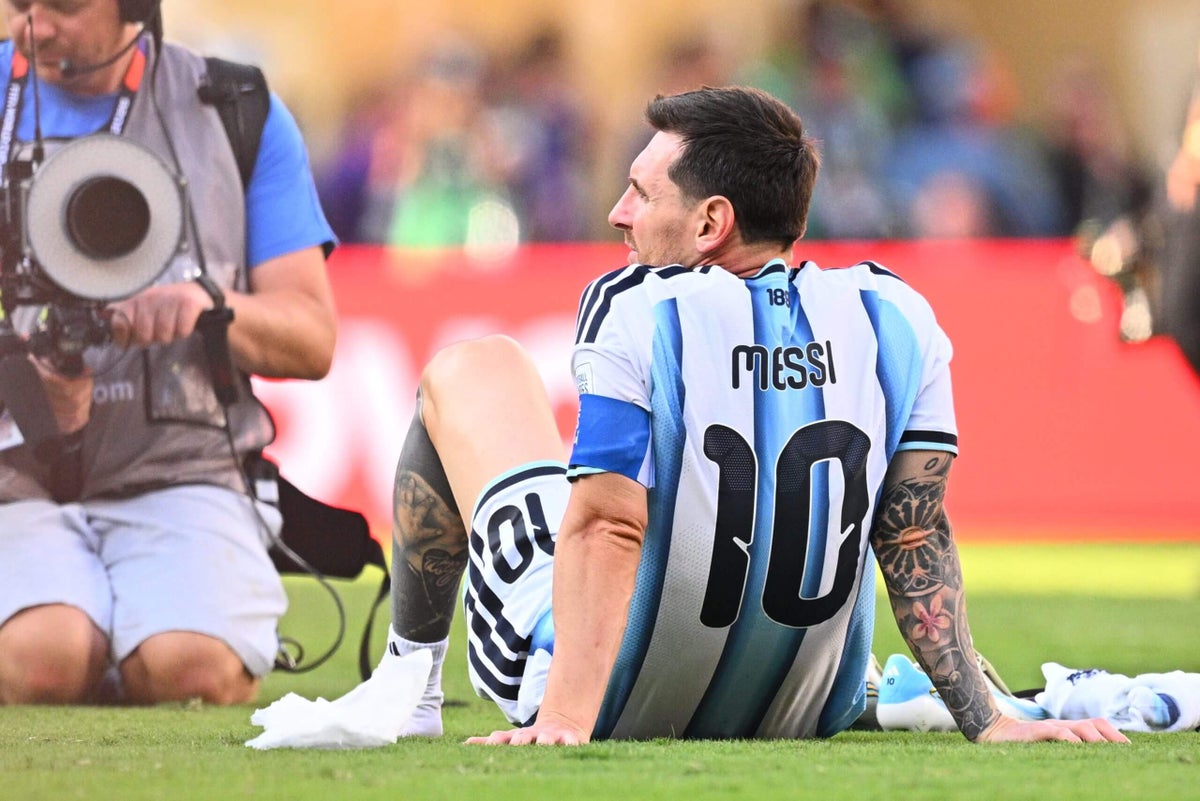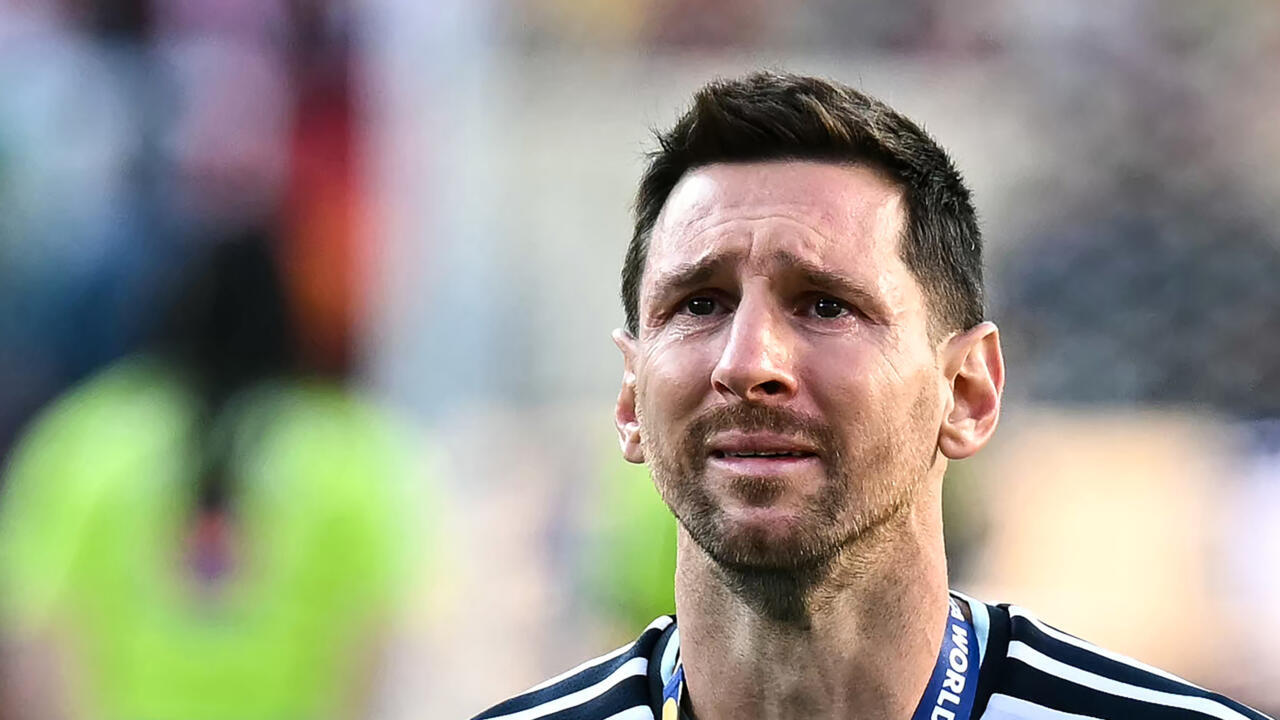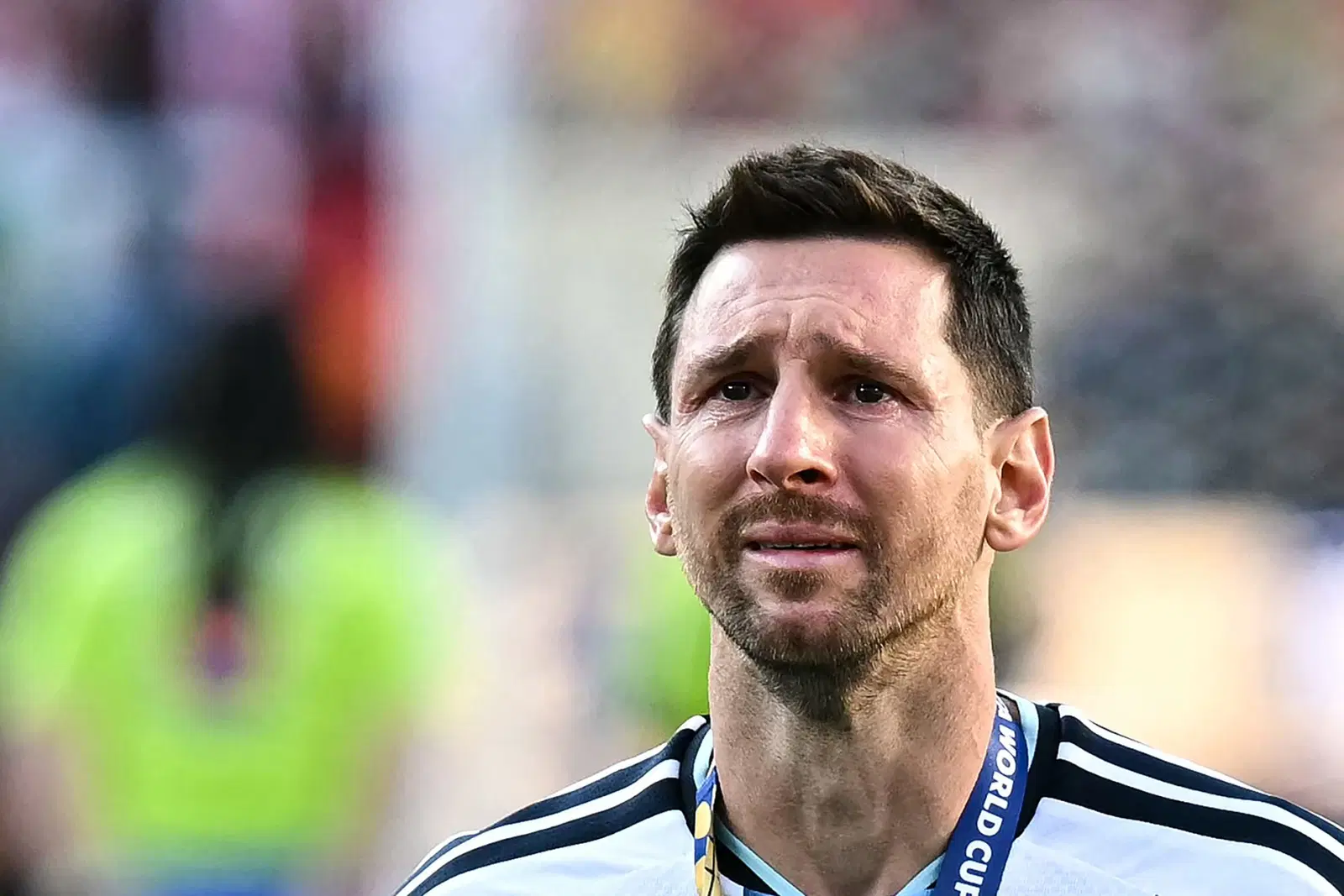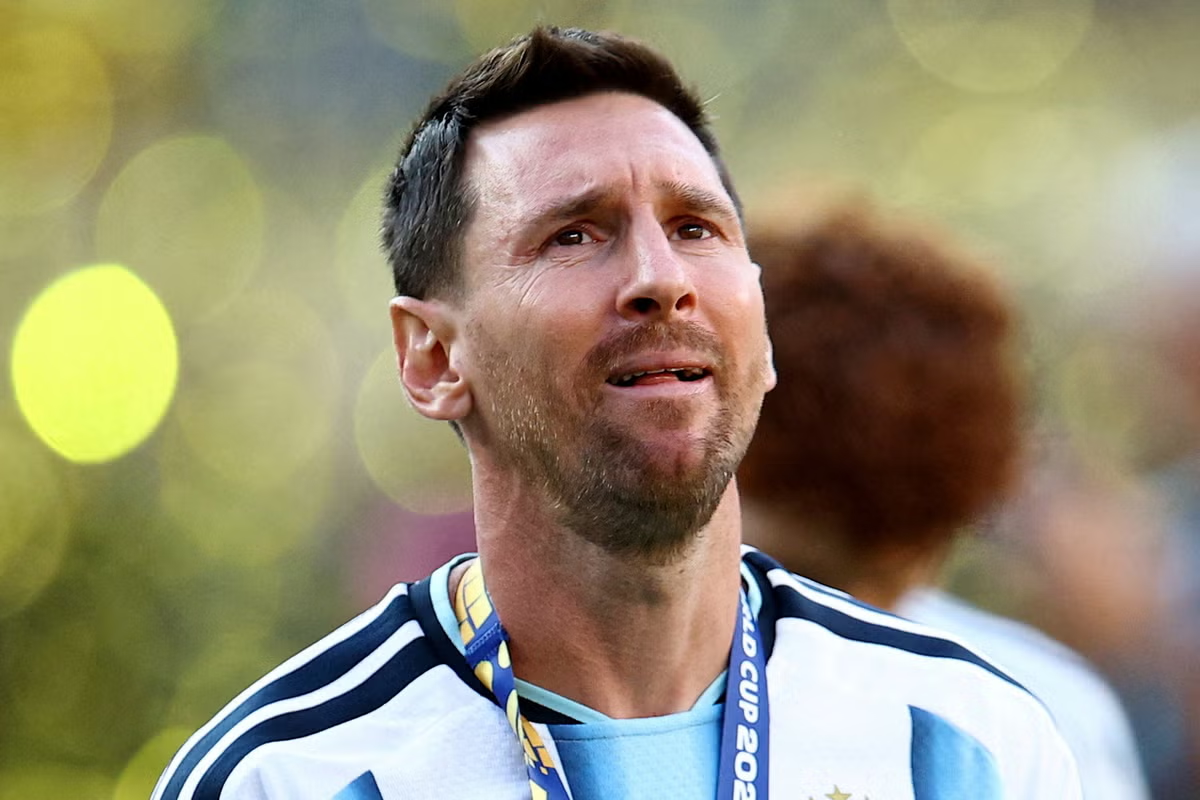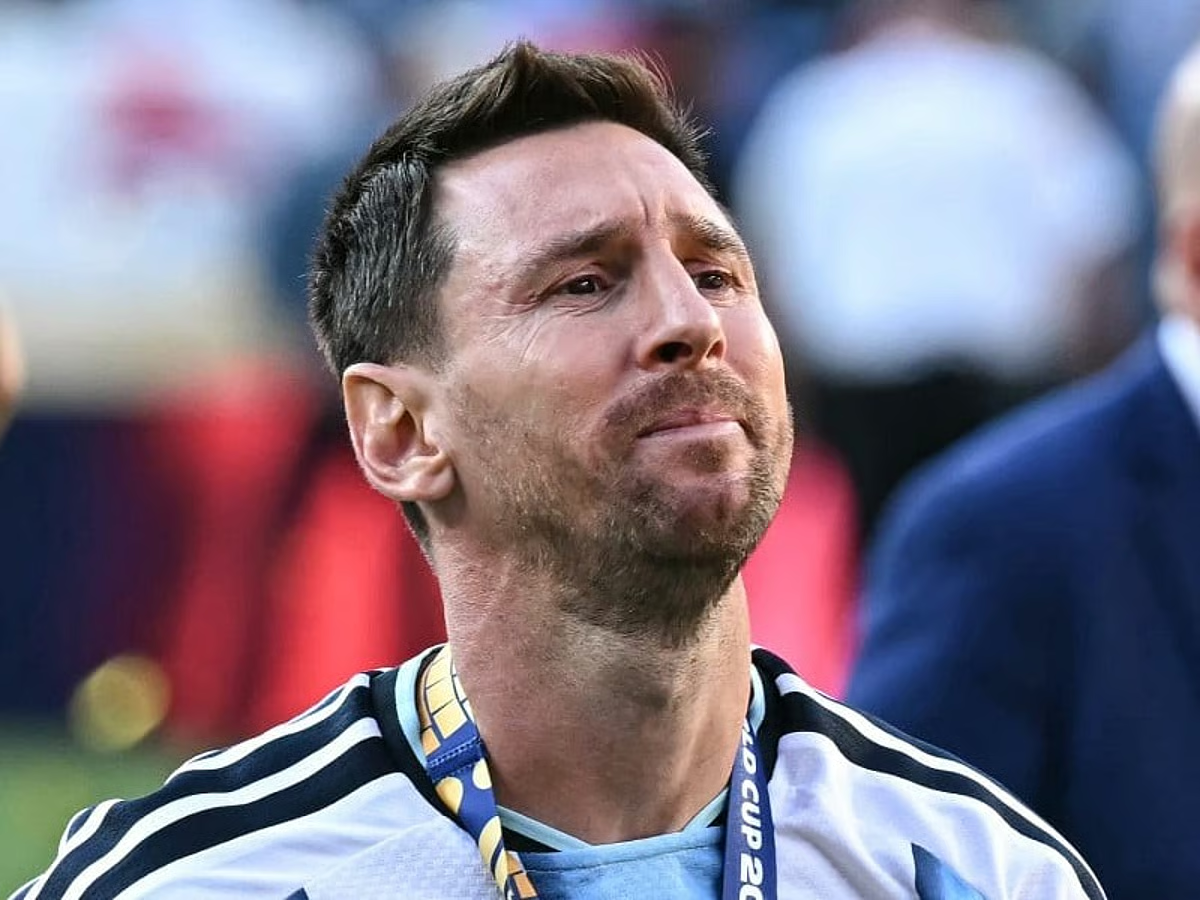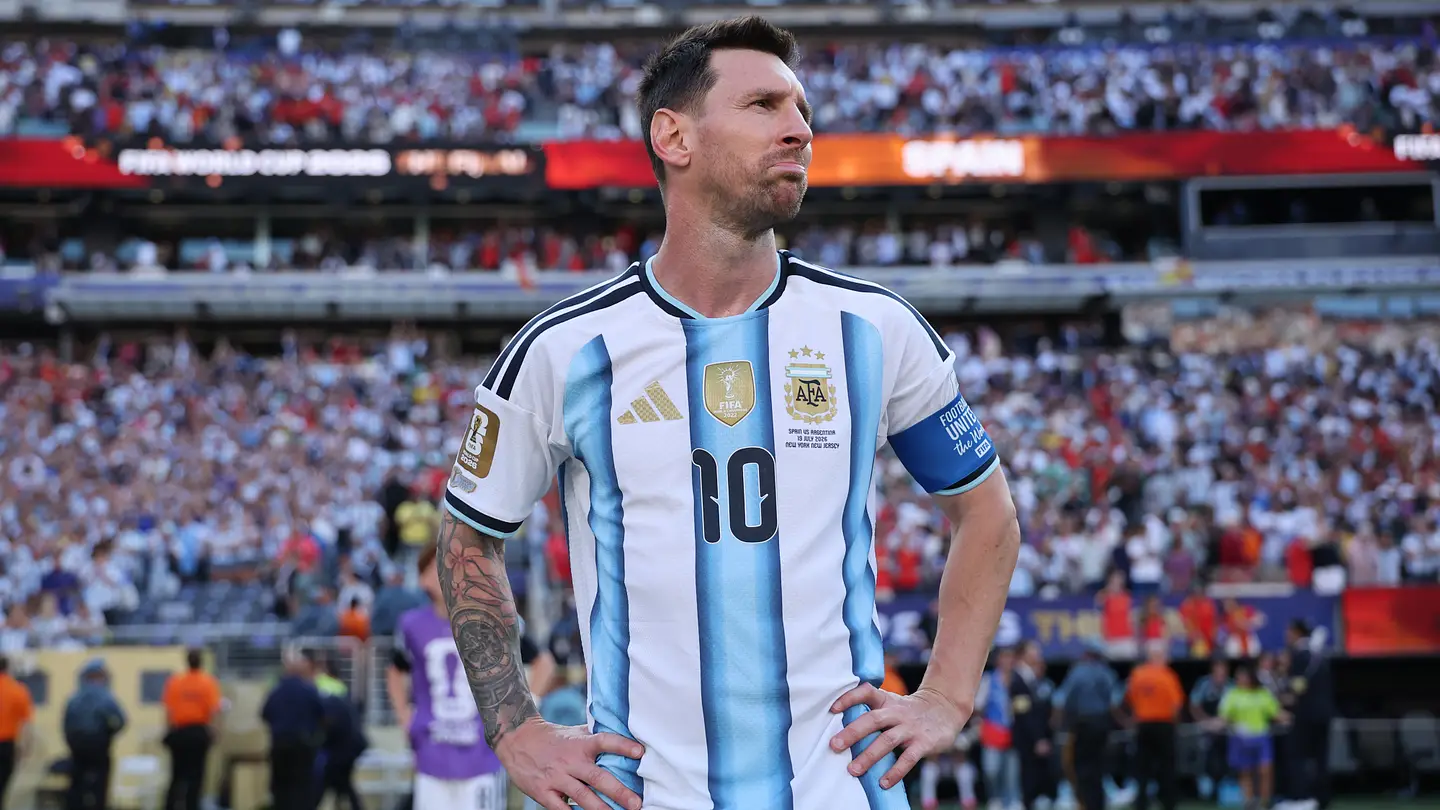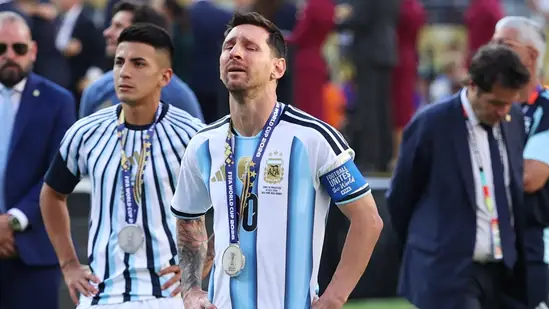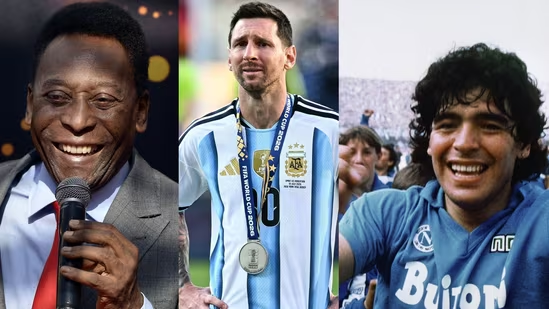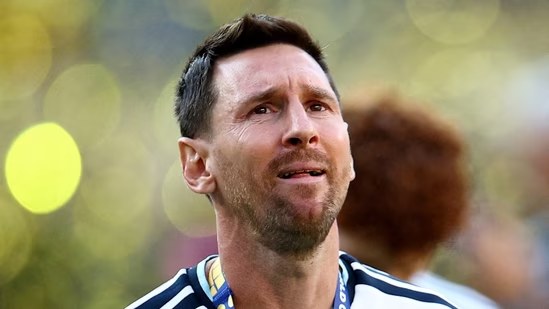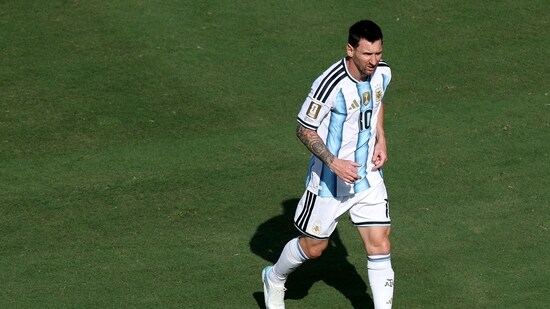
When Spain lifted the 2026 World Cup in the early hours of Monday morning, Lionel Messi walked past the golden trophy for a second time in his career. His head was bowed, weighed down by the silver medal he never wanted, and as he stood in front of the masses chanting his name, he could not blink away his tears before billions around the world saw them glisten down his wrinkled cheeks on their television screens.Lionel Messi during the World Cup final. (Getty Images via AFP)For all his Ballon d'Or awards and unprecedented global supremacy, the greatest footballer of his generation exits the international stage carrying a different, heavier title. He leaves as the unluckiest player in Argentine history, having lost five major international finals. Earlier, that unenviable record belonged solely to his former teammate Javier Mascherano. Now, both saluted sons share that albatross around their necks.Suffering is deeply woven into the fabric of Argentine football. The national team is an entity defined as much by its agonising near-misses as by its moments of absolute glory. They boast a record 16 Copa América titles, yet they carry the deep psychological scars of finishing runners-up 14 times in that same tournament. That suffering has been even more pronounced in the modern era. Only four of those sixteen continental crowns have crossed the 23 editions held since 1959, and those four came in isolated, fleeting bursts of brilliance separated by decades of misery. Gabriel Batistuta fired a generation to back-to-back titles in 1991 and 1993, but that merely precipitated a 28-year-long drought, a sprawling desert of lost finals and suffocating pressure that swallowed multiple generations of elite talent.Messi spent the majority of his career as the central protagonist in that desert. In the space of nine years, he lost one World Cup final (2014) and three Copa América finals (2007, 2015, 2016). That last one was a final nail in the proverbial coffin. He announced his international retirement, heartbroken and defeated. It was just not meant to be, he thought. But he changed his mind, rallied himself and his troops, and fought violently against his cruel, twisted fate. And between 2021 and 2025, he engineered a miraculous escape from his country's cycle of suffering. He delivered a first Copa América in nearly three decades (2021), earned his nation its third World Cup star in Qatar (2022), dominated the intercontinental Finalissima (2023) and then won the Copa all over again (2025).Also Read: Pele and Maradona would’ve argued over his greatness, but Lionel Messi’s final World Cup has left no room for doubtSecuring four trophies in four years seemed to permanently exorcise the ghosts of the Maracanã and New Jersey. He had finally secured his place alongside Diego Maradona and Mario Kempes in the pantheon of absolute winners. But football operates with a cruel sense of symmetry. North America 2026 carried that teasing, tempting possibility of a glorious last dance, but the final instead violently pulled Messi back into that familiar realm of Argentine heartbreak.The loss drops him into an entirely miserable category of global history, making him the 21st player to ever lose two World Cup finals. That sorrow long belonged to the tragic Dutch pioneers of the 1970s and the West Germans of the 1980s—generations that suffered consecutive, compounded tournament trauma. Messi, meanwhile, fell short in 2014, conquered the world eight years later, and then, agonisingly, fell short once again. He single-handedly kept Argentina relevant on the world stage for 20 years. He amassed more goals, assists, and overall trophies than Maradona and Kempes combined.To reach nine major finals, including three World Cup finals, requires generational genius, an absurd, superhuman longevity, but to leave empty-handed five times is a curse. His final tally of four titles and five “nearly”-s keeps him trapped in the same national cycle of suffering and salvation that defines his homeland.Messi broke Argentina's cycle of suffering, but theirs is a canon of pain he can never outrun, his beautiful, tragic tale of a man battling cruel fate. But history will always remember the glory of victory more than the denouement of loss. As it did for Maradona, immortalised for lifting gold at the Azteca and forgiven for falling short in Rome, so too will it do so for Messi, for the third star he won in Lusail more than the fourth he missed in New York.
Lionel Messi broke Argentina's cycle of suffering, but could not outrun their canon of pain
Messi broke Argentina's cycle of suffering with four titles, but a defeat in WC 2026 final leaves his legacy forever marked by glory, pain and fate. | Football News
728 words~3 min read