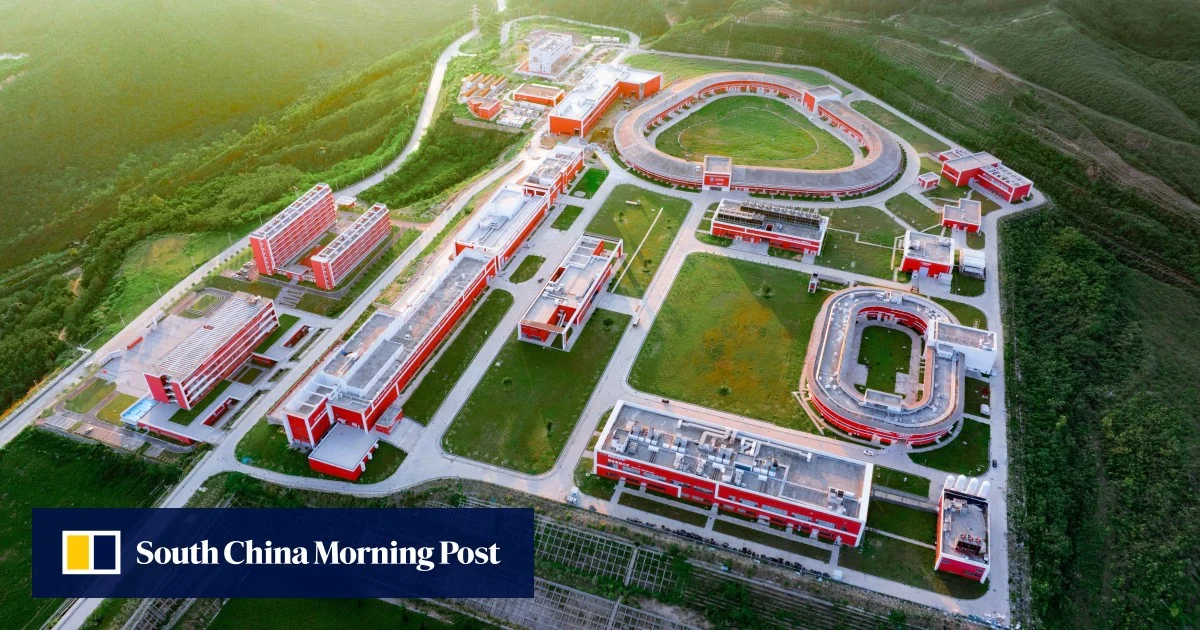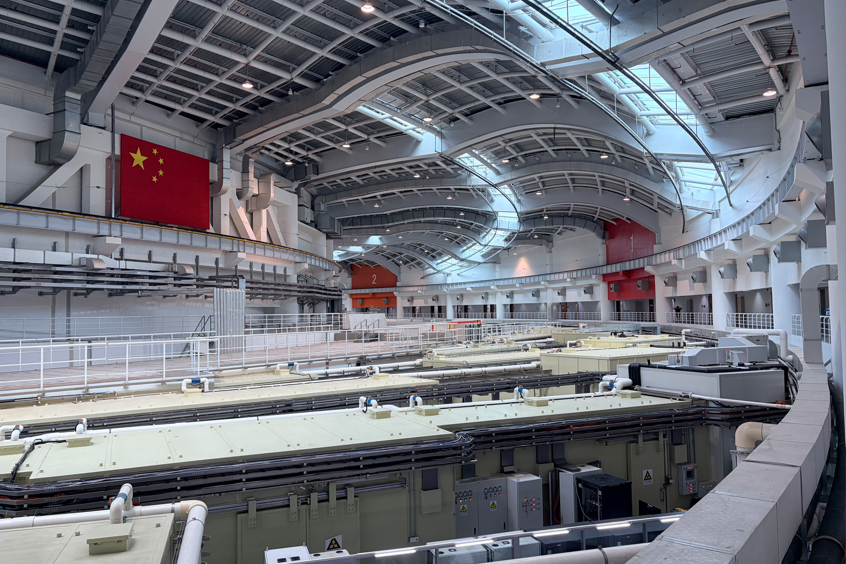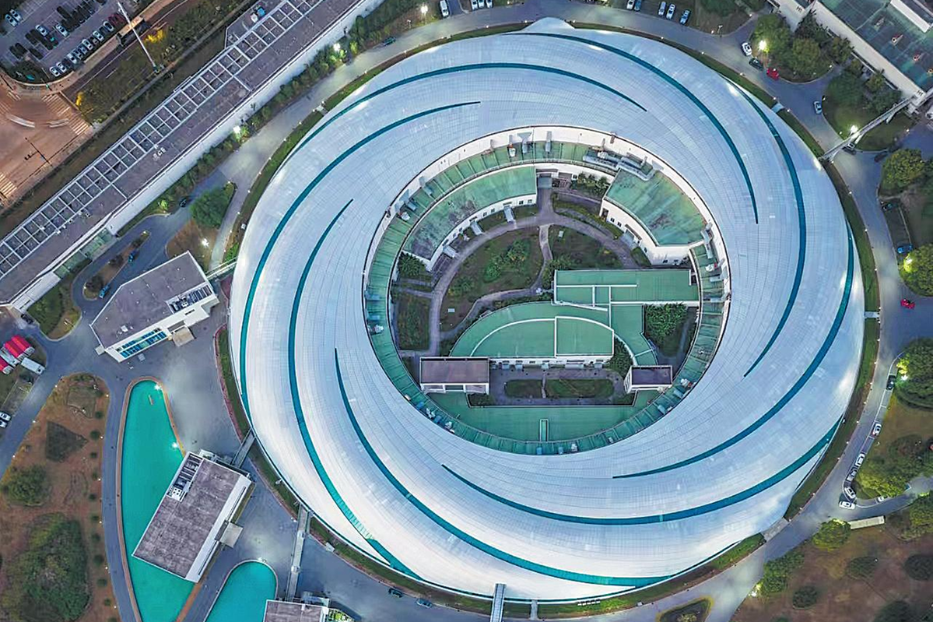
An aerial view of the Shanghai Synchrotron Radiation Facility. CHINA DAILY
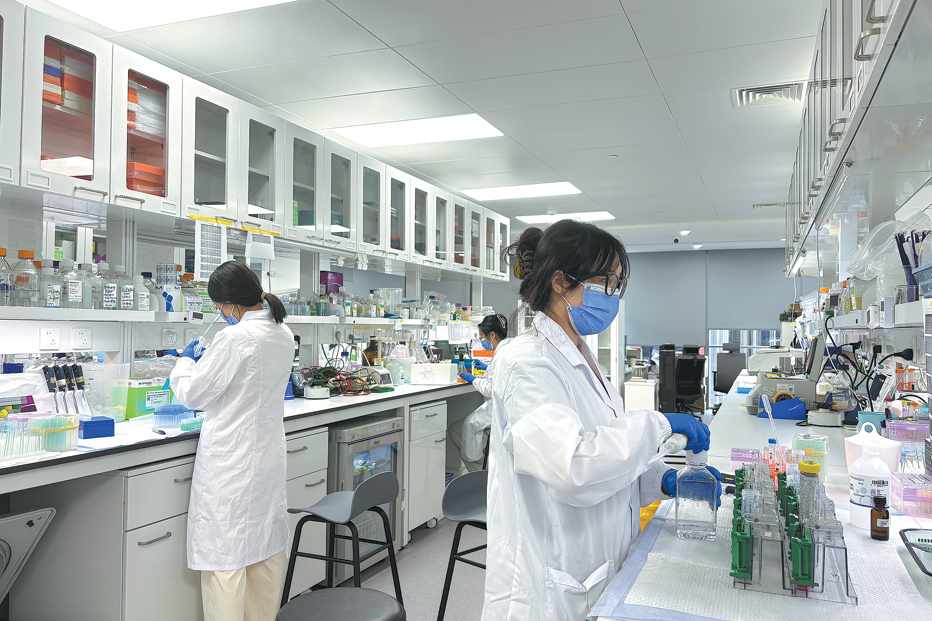
When Chinese drug developers need to see exactly how an experimental medicine binds to its target protein, or materials scientists want to understand why a battery or catalyst performs differently at the atomic level, many now turn to the national scientific research facilities.
That marks a notable shift in the role of the country's "big science" infrastructure. Once used primarily by universities and research institutes for basic research, these scientific facilities are increasingly supporting corporate research and development, while also working directly with enterprises to develop experimental capabilities tailored to industrial needs.
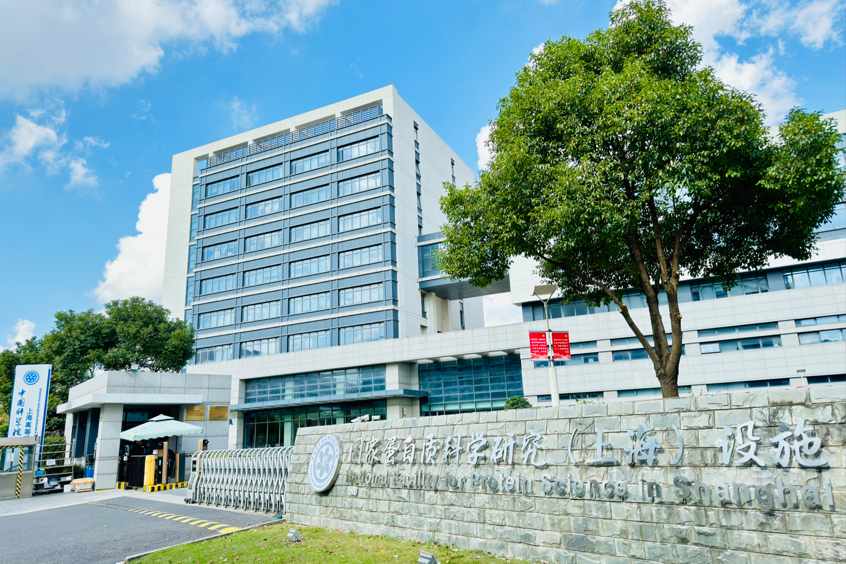
Shanghai, one of China's largest hubs for major scientific infrastructure, is at the forefront of that transition. The city currently hosts, is constructing or planning 20 major scientific facilities, spanning physics, chemistry, life sciences and marine science, with a total planned investment of about 35 billion yuan ($5.16 billion). Eleven facilities have been completed, including the Shanghai Synchrotron Radiation Facility, also known as the SSRF, the National Facility for Protein Science in Shanghai and the National Facility for Translational Medicine, according to the Shanghai Municipal Commission of Science and Technology.