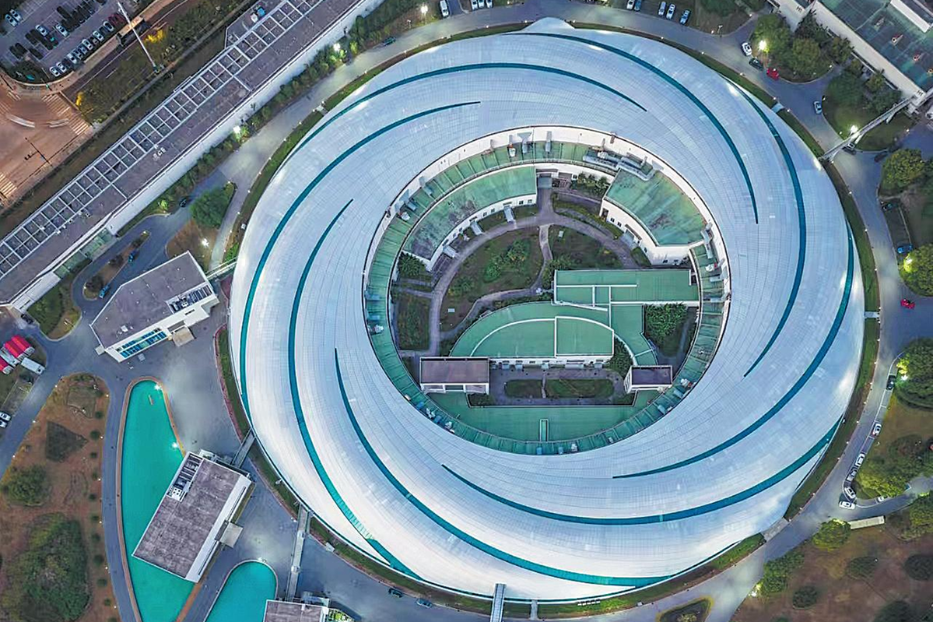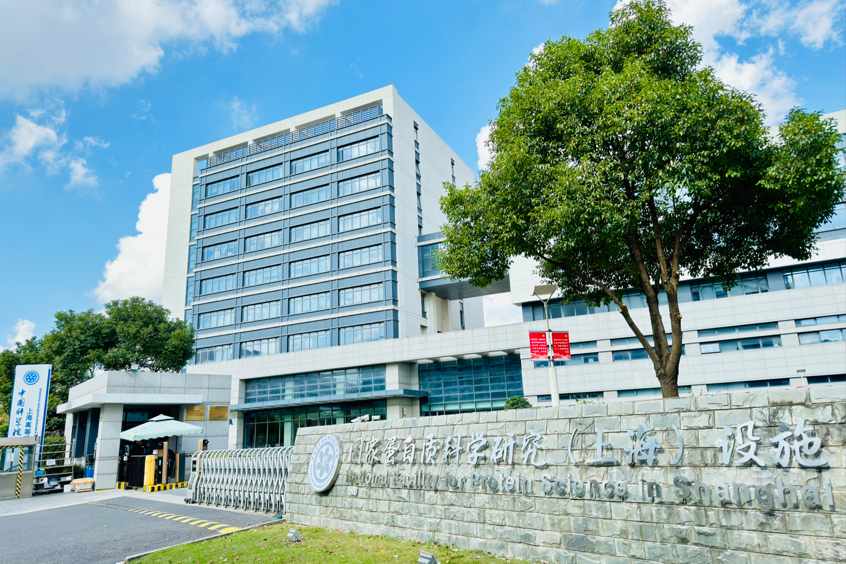
National Facility for Protein Science in Shanghai houses nine major technology platforms, including nuclear magnetic resonance spectroscopy, cryo-electron microscopy, and mass spectrometry. [Photo provided to chinadaily.com.cn]
China's efforts to combine artificial intelligence with biotechnology are moving from computer models to laboratory experiments, as a national research facility launches an automated platform capable of rapidly turning AI-designed proteins into physical samples for testing, potentially shortening a process that has traditionally taken months.
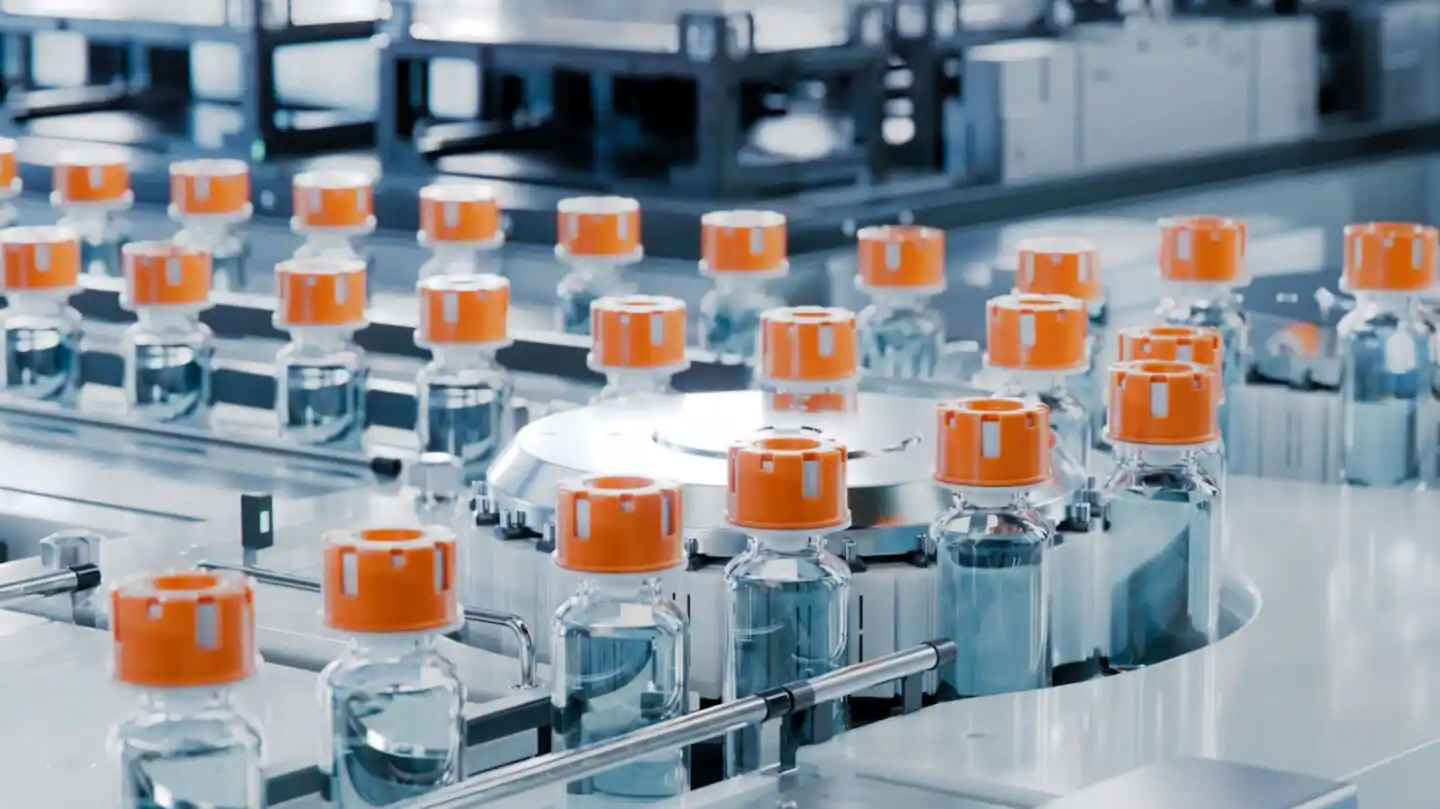
The platform was jointly developed by the National Facility for Protein Science in Shanghai and Shanghai-based biotechnology company Kangma (Shanghai) Biotechnology Co. Using cell-free protein synthesis technology, the automated system can produce up to 10,000 proteins a day, according to its developers. They say the platform addresses one of the biggest hurdles in AI-driven protein research by allowing scientists to quickly manufacture and experimentally test proteins designed on computers.
"The bottleneck is no longer protein design," Wu Jiarui, director of the National Facility for Protein Science in Shanghai, said. "AI can generate protein sequences very quickly, but they still have to be synthesized and experimentally verified. This platform bridges that gap."