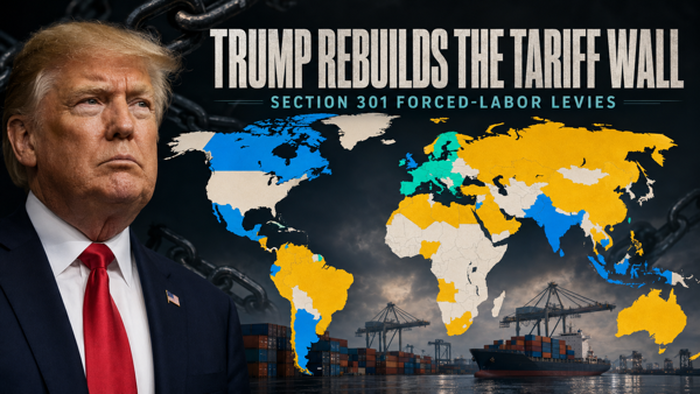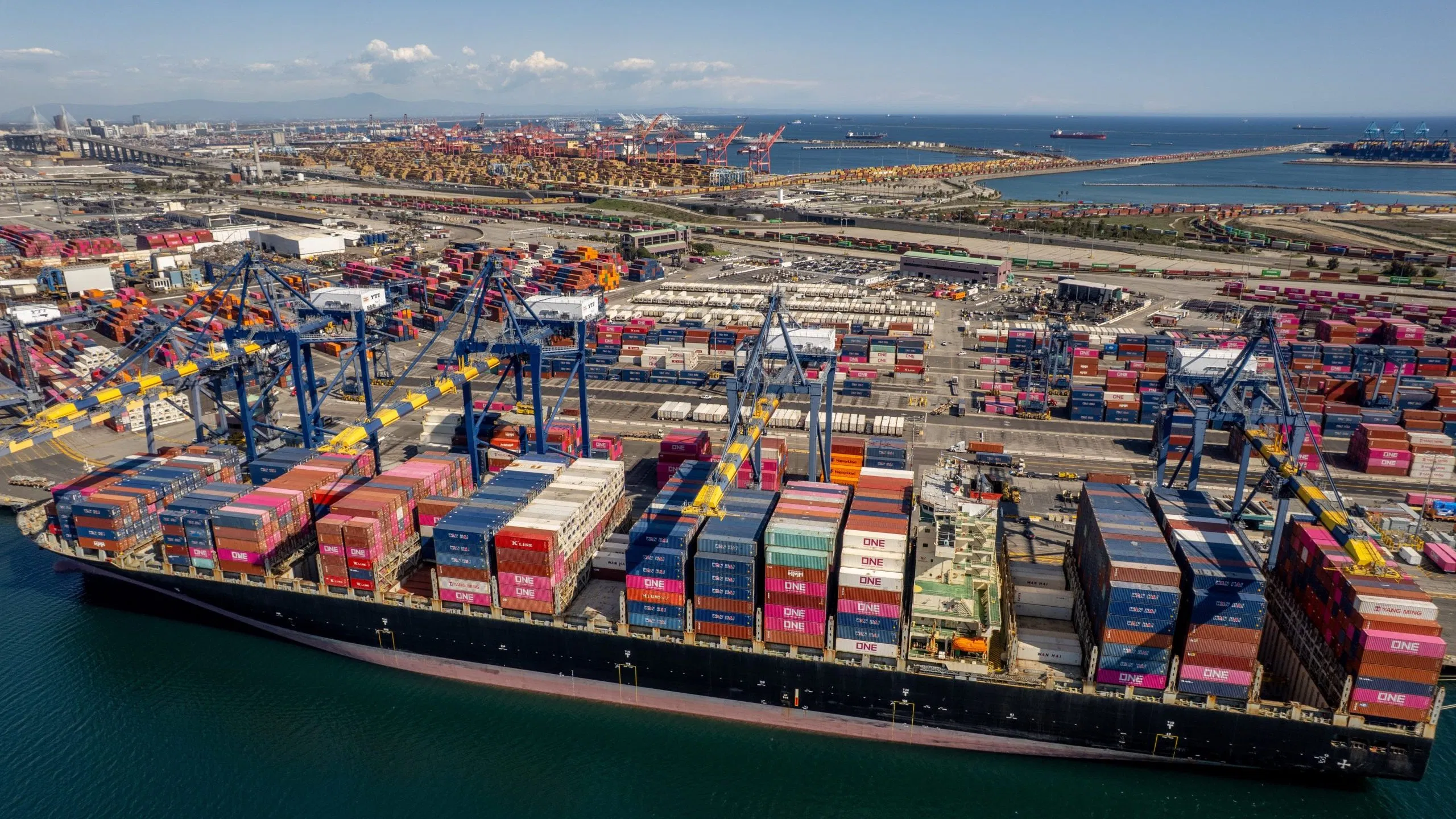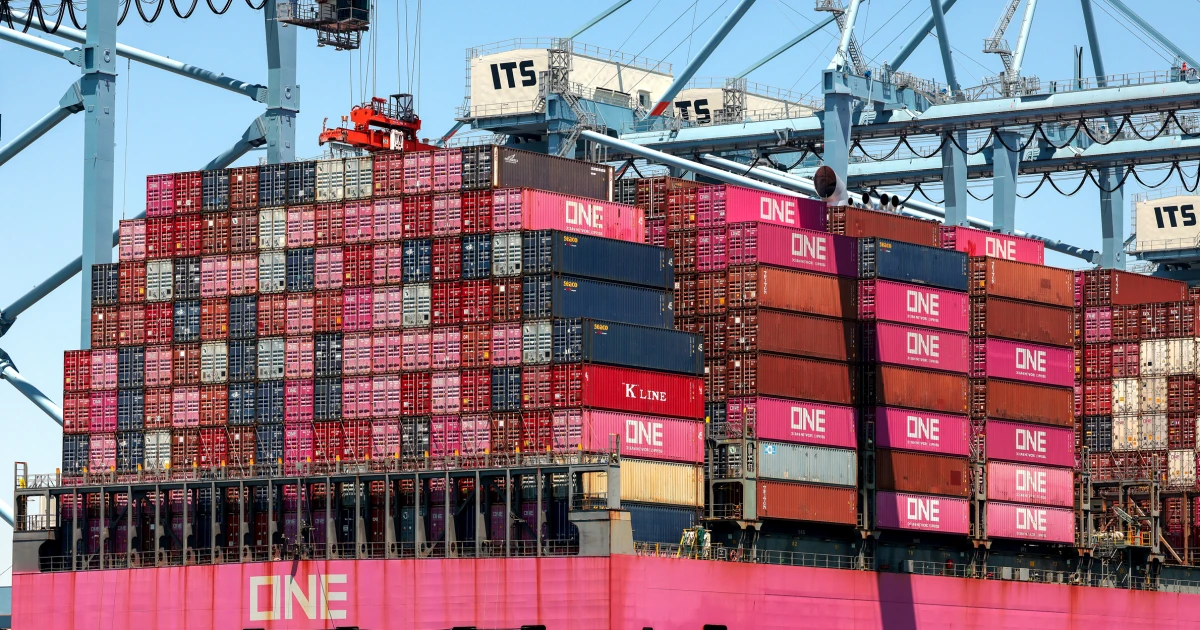
The Trump administration is building a more permanent tariff architecture to replace the temporary trade barriers that have defined its second-term economic policy. The new approach targets imports from 60 economies using Section 301 of the Trade Act of 1974, anchored to allegations that these countries haven’t done enough to prohibit goods produced with forced labor.
From emergency powers to something sturdier
The Supreme Court invalidated numerous tariffs that had been imposed under emergency powers, specifically the ones rolled out during what the administration dubbed “Liberation Day,” in February 2026. That ruling left a gaping hole in the White House’s trade strategy.
A temporary 10% global tariff imposed under Section 122 has been filling the gap, but it’s set to expire in July 2026.
The administration launched an investigation into forced-labor practices back in March 2026. The US Trade Representative determined that 60 economies had failed to impose and enforce adequate prohibitions against imports produced with forced labor. Public hearings on the matter kicked off on July 7, 2026, with written comments due by July 6.