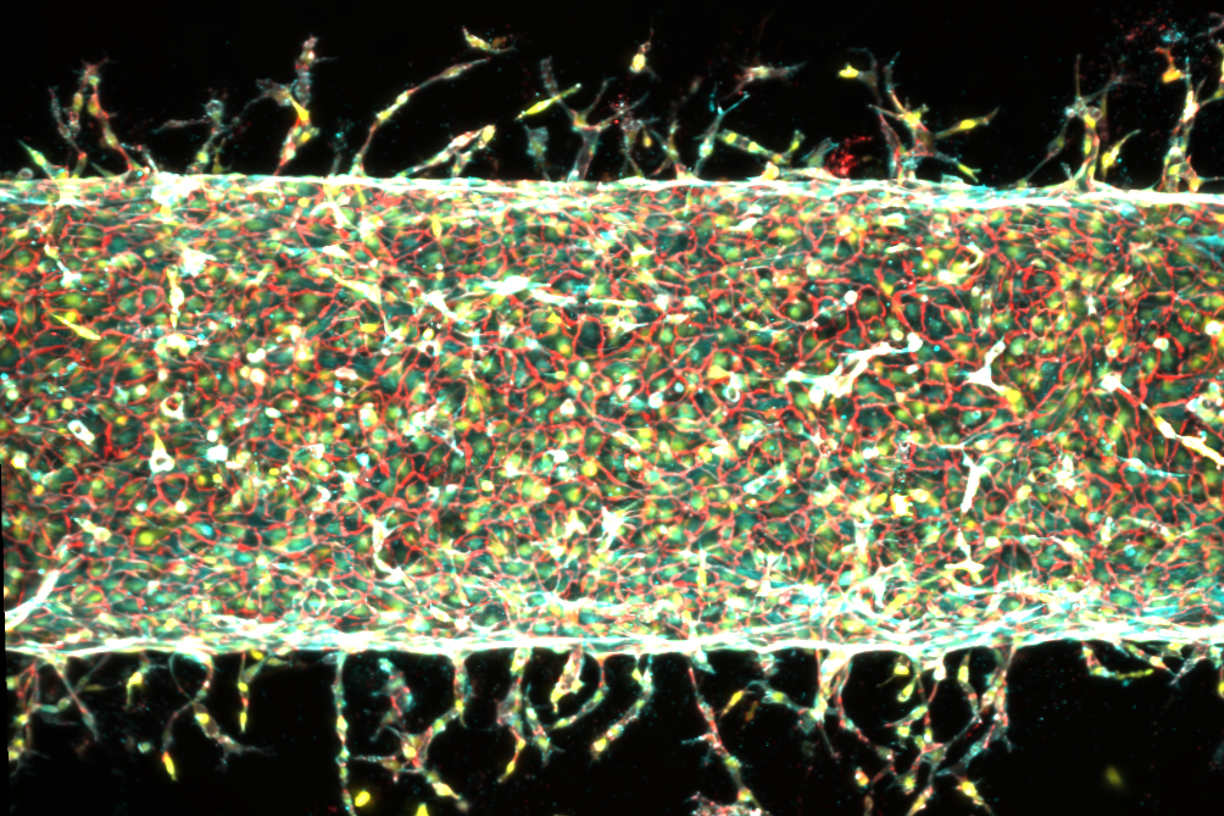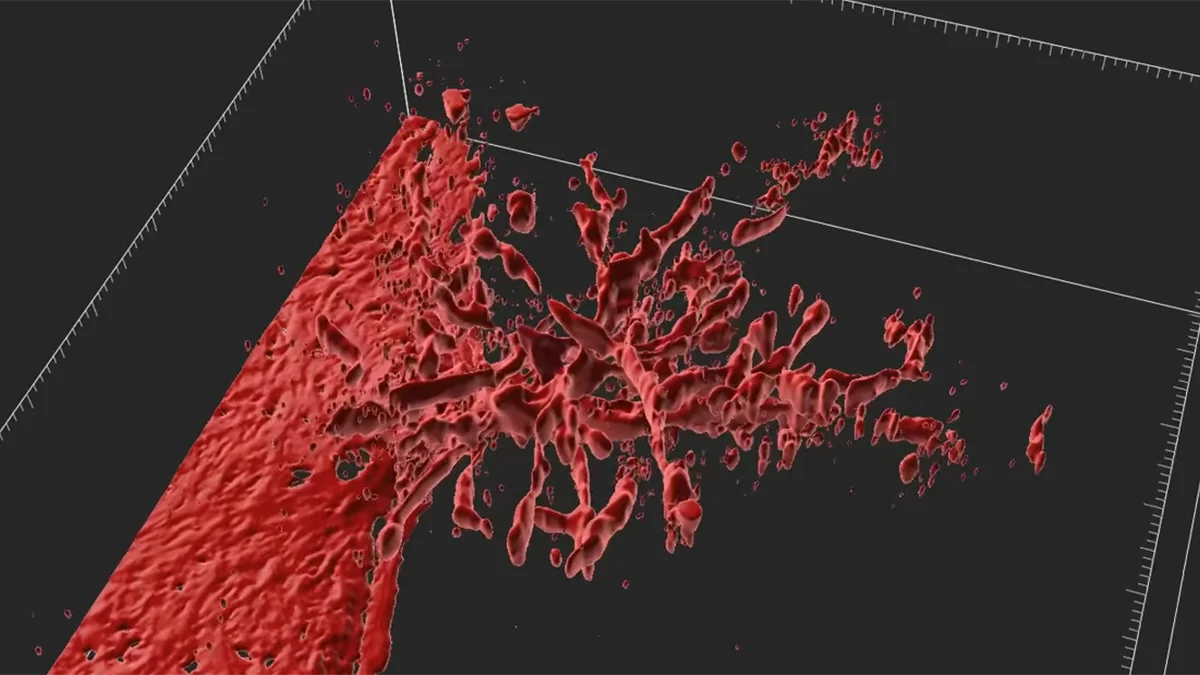
Science may one day give us a way to replace damaged and diseased parts of the body with artificial replacements – but reproducing organs and tissues in the lab isn't easy.That's especially true for networks of blood vessels, which at the level of fine, thread-like capillaries are microscopic – these capillaries can be as small as 0.005 millimeters (34 times thinner than a human hair), and only let blood cells through in single file.Researchers led by a team from MIT have now published a study in PNAS that details a way of engineering blood vessels in the lab with significantly greater precision than before. Getting the blood vessels (and therefore the blood flow) right is crucial to the success of any lab-grown organ or tissue, as fine capillaries perfuse tissue, delivering oxygen and nutrients.The artificial blood vessels were made through mechanical stretching. (MIT)The new approach is based on using magnetic forces that gently stretch and pull blood vessel cells into position."Healthy tissues depend on organized blood vessel networks, but state-of-the-art protocols don't enable fabricating such networks within engineered tissues," says mechanical engineer Ritu Raman, from MIT."The ability to program blood vessel growth with physical cues may enable reproducible and scalable fabrication of engineered tissues that can be implanted in the body to restore function after debilitating disease or injury."
Scientists Find a More Precise Way to Grow Artificial Blood Vessels, Using Magnets
Science may one day give us a way to replace damaged and diseased parts of the body with artificial replacements – but reproducing organs and tissues in the lab isn't easy.
715 words~3 min read