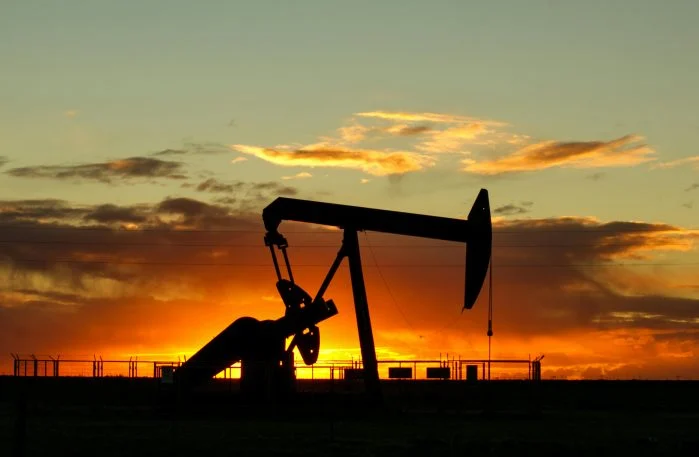
An escalation of hostilities in the Middle East has led to sustained high oil prices, causing widespread volatility in global financial markets. The renewed U.S.-Iran military tensions have driven Brent crude oil prices to a one-month high, reaching between $82 and $86 per barrel. This surge in oil prices is linked to the U.S. reimposing a naval blockade on Iran and intensified skirmishes near the Strait of Hormuz, a pivotal channel for global energy transit. As a result, there are heightened inflation concerns, prompting a sell-off in bonds and a decline in major stock indices like the S&P 500 and Dow Jones, as markets factor in potential disruptions to oil supply and the broader economic impacts.
Key Takeaways
The rise in oil prices appears consistent with heightened inflation fears, causing volatility in bond and stock markets.
Market pricing suggests that the likelihood of crude oil reaching a new all-time high by September 30 remains low, with a slight decrease to 7.7% YES.
The December 31 market shows a higher implied probability, with a 14.5% YES, reflecting a longer timeframe for potential price escalation.