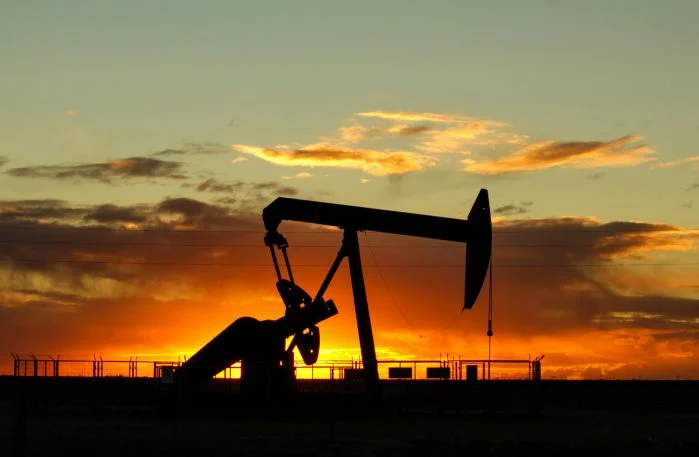
Oil prices have seen an increase over the past two days amid escalating tensions in the Middle East. Hostilities between the United States and Iran have intensified, raising concerns over the security of the Strait of Hormuz, a crucial passage for global oil shipments. Additionally, Yemen’s Houthi militants have threatened to block Saudi Arabia’s maritime trade routes in the Red Sea, adding further geopolitical uncertainty. These developments are creating pressure on oil markets, with Brent crude prices holding near $88 per barrel and West Texas Intermediate (WTI) around $82 per barrel.
Key Takeaways
Recent geopolitical tensions involving the US, Iran, and Houthi militants appear to be influencing oil markets, reflected by the recent price increases.
The Strait of Hormuz and the Bab el-Mandeb Strait are focal points for potential supply disruptions, consistent with scenarios where oil prices could rise further.
The market for predicting crude oil reaching a new all-time high by September 30 shows a 7.7% probability, suggesting participants see potential but remain cautious.