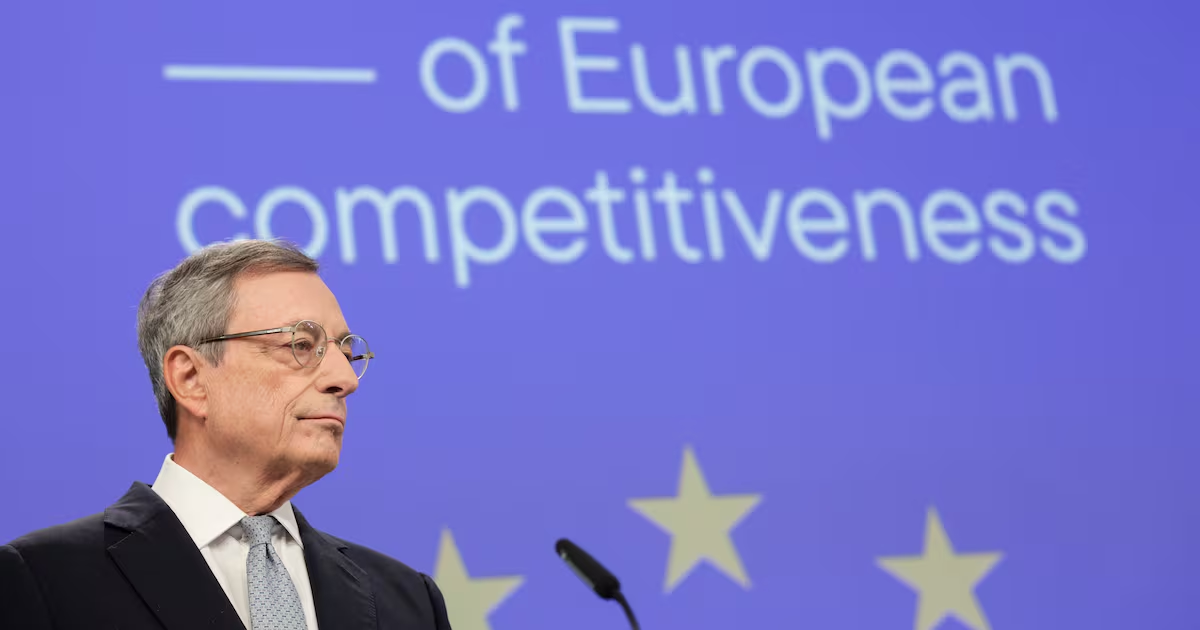
Europe wants bigger firms. Its apparatchiks say so every time they talk about integration and competitiveness. „The leaders want true European champions,” announced António Costa, the Portuguese head of the European Council, in February. „We limited consolidation, constrained risk and postponed cross-border investments,” complained Mario Draghi, an Italian banker who wrote a door-stopper of a report on the topic, in a speech in May.
Ideally these „champions” would be born loyal to the European project: golden geese reared under Brussels’ proposed „EU Inc” incorporation rules. In practice they must be forged by mergers. Big pan-European deals require big pan-European dealmakers. Can the continent produce such figures? Can it stand them? Consider the recent fortunes of the three busiest: Andrea Orcel, an Italian investment banker, Xavier Niel, a French telecoms entrepreneur, and Daniel Kretinsky, a Czech corporate raider. Call them the committee to buy Europe.
De redactie van NRC selecteert de beste artikelen uit The Economist voor een breder perspectief op internationale politiek en economie.
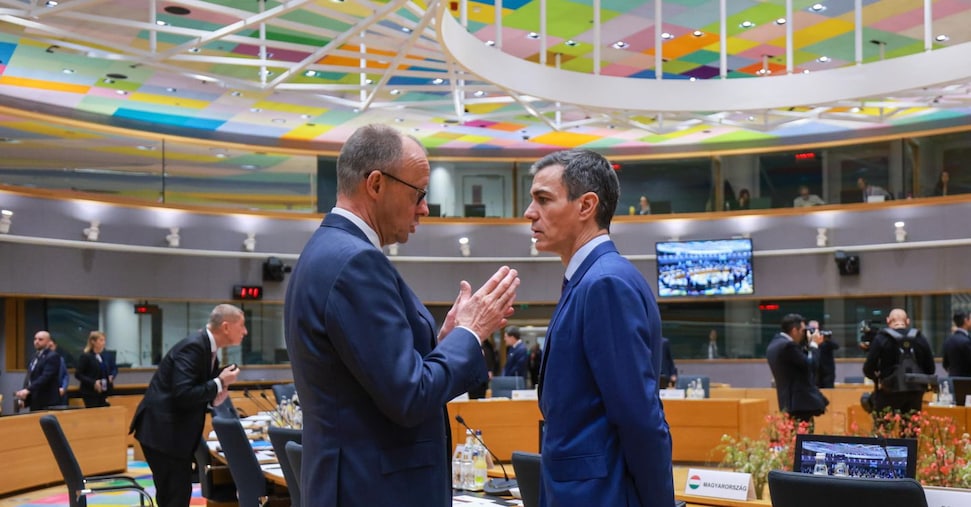
Mr Orcel is the boss of UniCredit, Italy’s most outward-looking bank and its second-largest by assets. He made his name as a hard-charging adviser on big bank tie-ups in the 2000s. Now he is slowly consummating one of his own. In September 2024, when Mr Draghi’s report was released, UniCredit disclosed its initial stake in Commerzbank, a German lender. Since then Mr Orcel has been portrayed as an invader—by the top brass at Commerzbank („not good form”); by two successive German chancellors (UniCredit is „destroying” trust, Friedrich Merz said in May); and by the German bankers’ union („the potential for chaos is growing”).