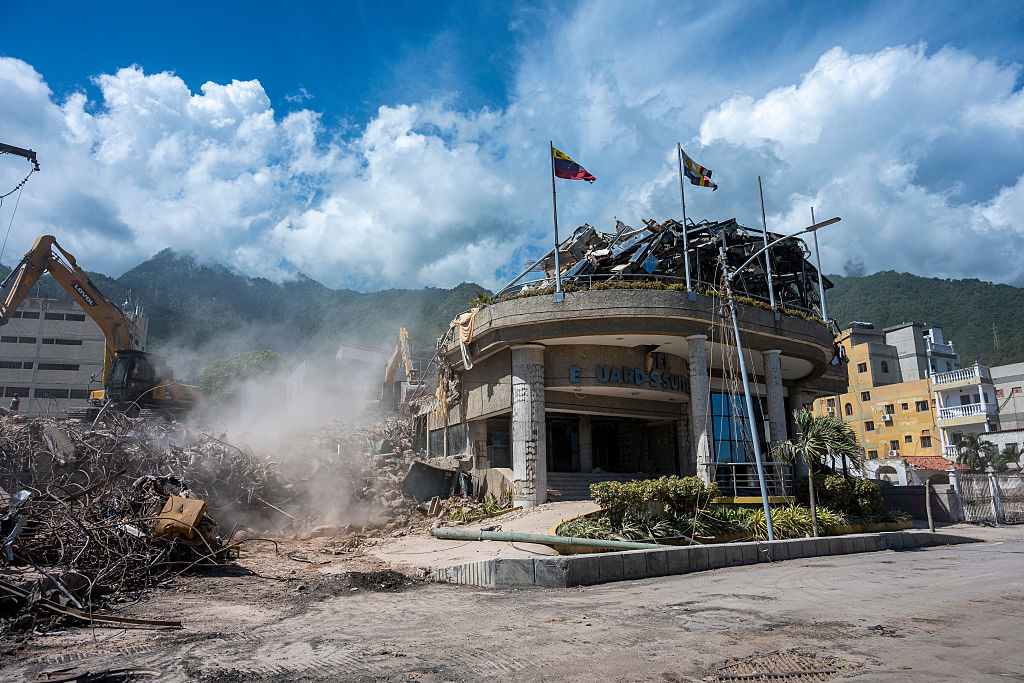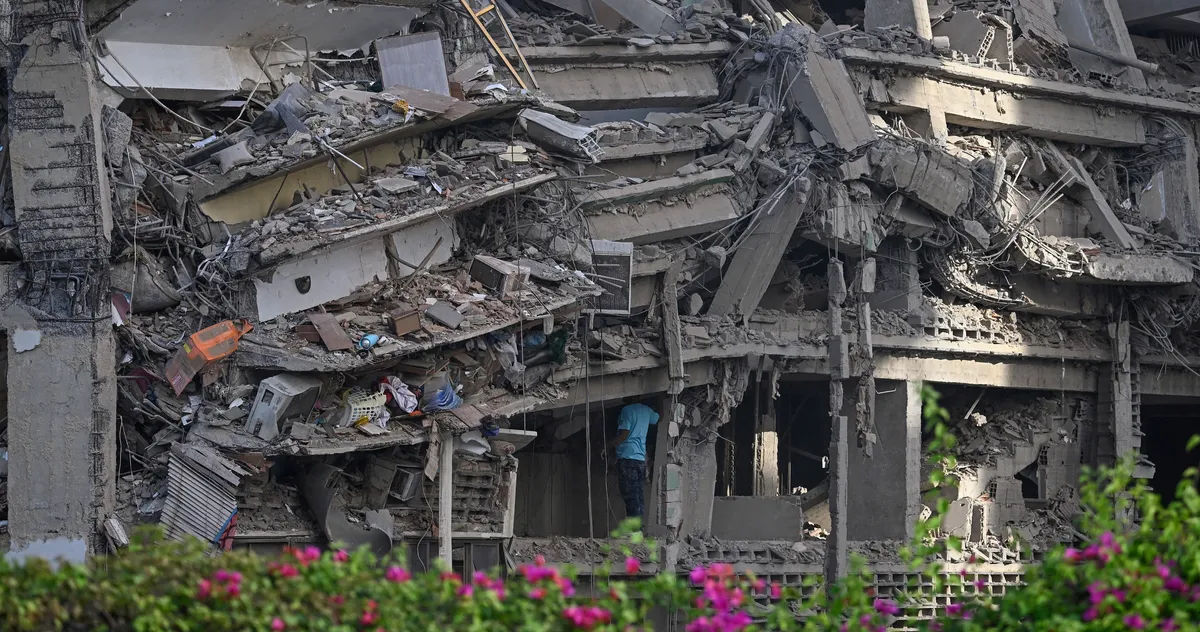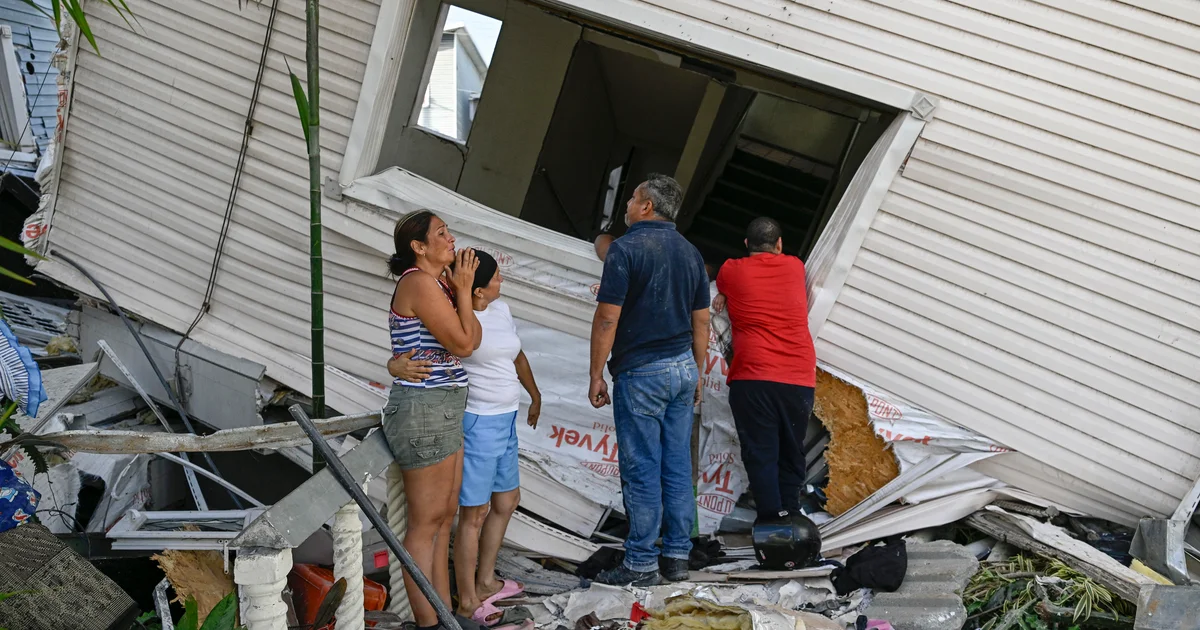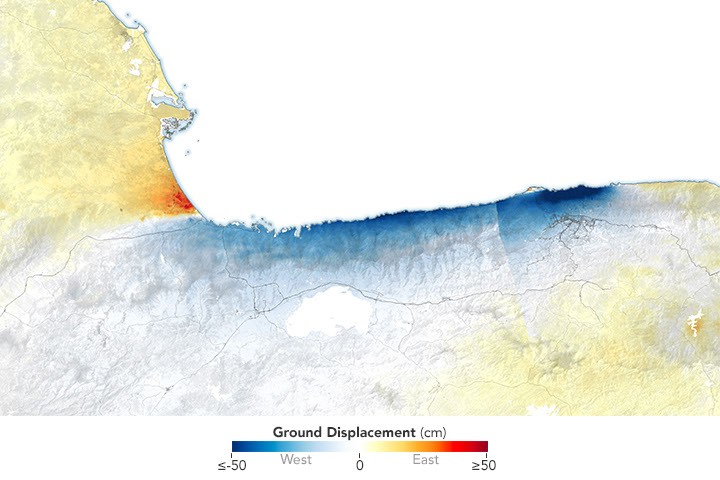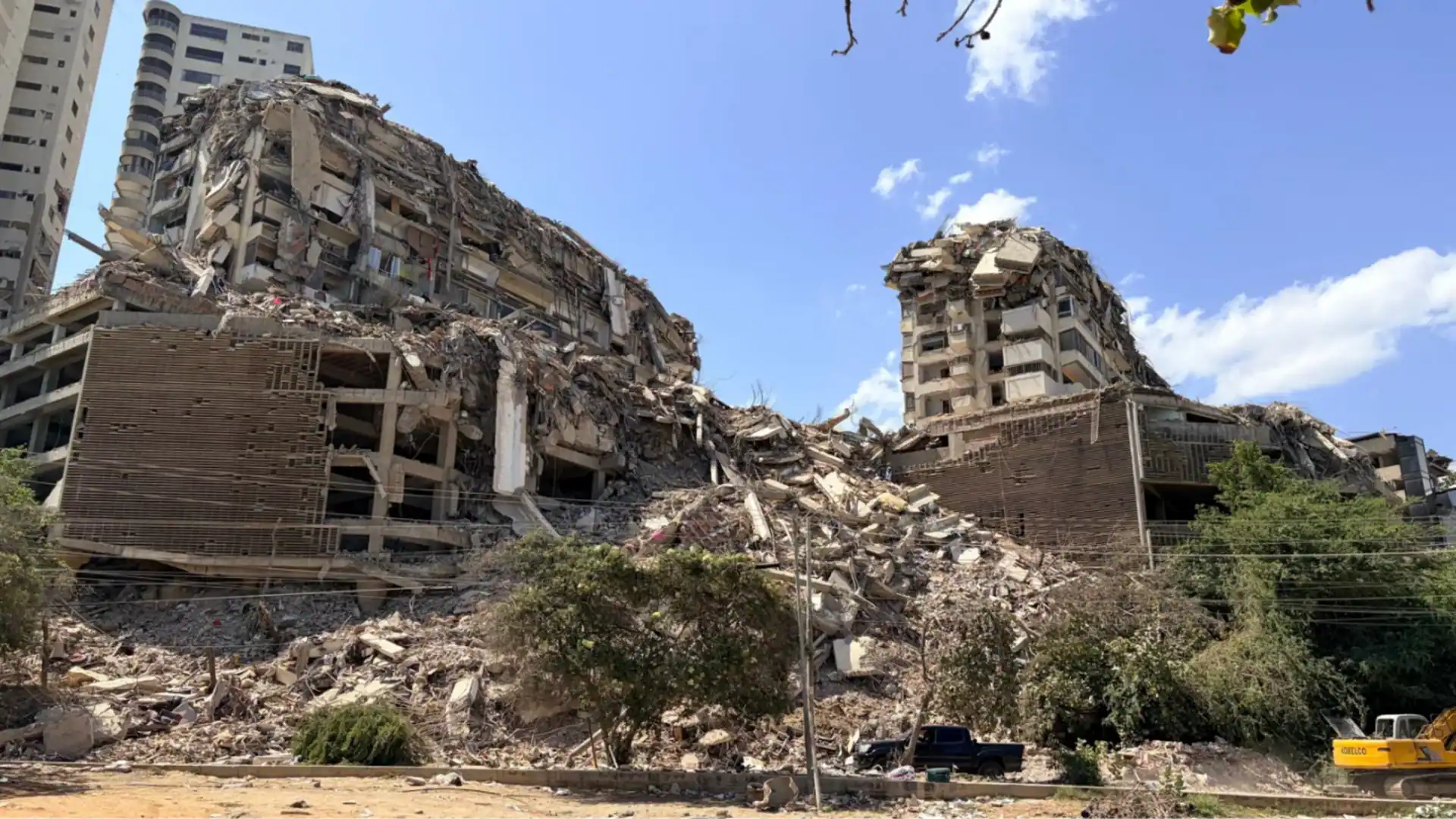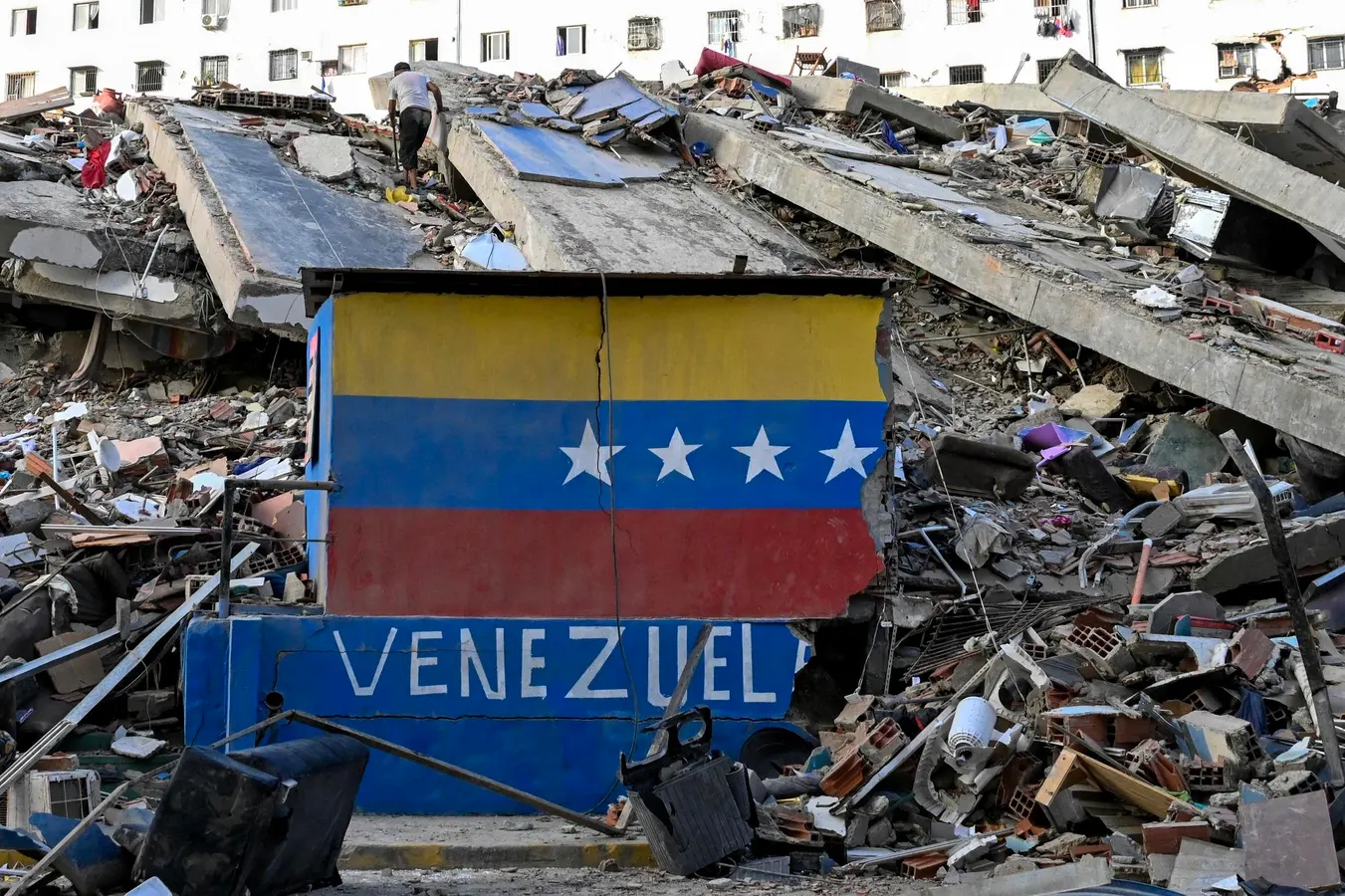
Damage in La Guaira state, Venezuela after the earthquake on June 26, 2026. (Photo by Maryorin Mendez / AFP via Getty Images)AFP via Getty ImagesLater this week marks the one month anniversary of the two massive earthquakes that hit Venezuela on June 24, 2026. The death toll has surpassed 5,000 lives while tens of thousands remain missing. The damage to property is severe. In La Guaira near the capital city of Caracas, 80 percent of the housing stock was damaged. Is this just a problem if bad governance in Venezuela or is there a broader preparedness gap? All leaders charged with making decisions about where to build and invest should take some time to think about how they might be affected by seismic risk, but too often, that doesn’t happen. Additionally, companies may be able to help improve our earthquake preparedness, as demonstrated by a few exciting technological developments. If scaled up, such ideas could make a huge difference. Let’s consider a few.An expensive problemEarthquakes occur suddenly and with little to no warning. While major earthquakes are relatively infrequent compared to other hazards, they are difficult to predict or prepare for and result in many cascading impacts such as landslides, fires, and tsunami. Earthquakes exact a devastating toll in both lives and property around the world. There have been twelve earthquakes since 1900 with a single event death toll of more than 50,000. Five of these have occurred since the year 2000 including the 2023 Kahramanmaraş Earthquake in Turkey and Syria where weak buildings sit atop a network of fault lines. Since 1970, the economic cost of earthquakes reached an estimated USD 1.59 trillion according to the United Nations Office for Disaster Risk Reduction. Contrast this figure with the estimated USD 5.18 trillion from the direct impacts of some 24,433 reports floods, storms, droughts and extreme heat worldwide. While there was more total damage from all the other hazards, the earthquakes on their own account for a sizable amount from a relatively small number of events.In the United States, most people probably think of earthquakes as a California thing on account of the devastating 1994 Northridge Earthquake or possibly an Alaska one if they remember the pair of earthquakes from the 1960s, one of which led to a tsunami that was 35 feet high. Indeed, anyone living on the Pacific Ring of Fire is waiting for the so-called Big One, a widely anticipated megathrust earthquake that is overdue to occur somewhere along Western North America, the Philippines or Japan. In Japan, there is an estimated 60 to 90 percent chance that a megaquake could occur in the Nankai Trough along their Pacific coast within the next 30 years. It is a major topic of conversation and a focus of their national emergency preparedness drills. Is Oregon as prepared? Clues are there in the landscape. You can dive in the Neskowin Ghost Forest, one of many remnants of Sitka spruce forests submerged due to sudden drops in the coastline and tsunamis due to seismic activity along the Cascadian fault. Are we ready if this were to happen again? No.MORE FOR YOUWe’re not preparedIt can sometimes be decades between major earthquakes. The cadence of these events is longer than the age of memory. That makes it a struggle to maintain the level of preparedness and investment necessary to limit the impact. If no one you know was alive to see it, you may not rank it high enough in your list of priorities when choosing where or how to live. Take the New Madrid Fault, which runs through five states and near major population centers like Memphis, Tennessee and St. Louis, Missouri. While there has not been a major earthquake in this area since settlement, earthquakes that occurred in 1811 and 1812 were estimated to be between magnitude 7.0 and 8.0. Current scientific understanding is that this fault has the potential to create a magnitude 9.0 earthquake. The states and localities have not made major efforts to be prepared or update codes for this sort of earthquake, the population is broadly unaware of the risk, and there is no way for the federal government to force action under our system even if it wanted to make the investment.Domestic earthquake preparedness around the world leaves room for improvement and internationally, the situation is worse. The 2004 Indonesian Earthquake and Tsunami also left a lasting legacy at the international level. The magnitude 9.1 submarine earthquake triggered a massive tsunami along 800 kilometers in Sumatra and claimed more than 230,000 lives. While the physical impact was primarily in Southeast Asia, it took the lives of citizens from around the world. Because it struck 15 countries at once and impacted many more, it exposed our inability to coordinate across national boundaries. It was a harsh wake-up call. Preparations had been devised with narrower, localized hazards in mind. The waves arrived within minutes of the quake. There was little to no warning to give people time to flee to higher ground. The Indian Ocean lacked an international early warning system like there is in the Pacific Ocean. Tsunamis require vast technological and human preparation, demanding near-instant coordination across borders, communities, and sectors. It requires effective warning systems and then the training of people so that they immediately know what to do with those few seconds of time. It’s a daunting task to this day.Innovations in disaster techNatural signals of seismic activity do occur if we know how to spot them. Public awareness is essential. So is technology, which must be harnessed for early warning innovation. Technology brings both potential and pain when an earthquake hits because it can uncover the overlooked places where the digital and physical collide. For example, we all depend on a vast subsea fiber optic cable network to route Internet traffic around the world. There are over 1.5 million kilometers of cable including more than 550 individual systems crisscrossing our ocean floors and routing more than 99 percent of all intercontinental Internet traffic. Memorably, the isolated Pacific island kingdom of Tonga was reliant on a single subsea cable, which was severed during the 2022 Hunga Tonga-Hunga Haʻapai volcanic eruption. To prevent future blackouts and enhance their digital resilience, a 383 kilometer-long second cable known as the Tuʻi Vavaʻu system was developed with joint funding from Australia and New Zealand and commissioned in 2026. The same network could be an asset as well as a vulnerability. In 2020, Google ran an experiment demonstrated that tracking mechanical disturbances along its subsea cable network could be used to sense earthquakes and tsunamis. Another technological innovation was demonstrated during last month’s Venezuela Earthquake. Venezuela does not have a national early warning system, but Android users received alerts from Google’s Earthquake Alerts. Google claimed that the system sent warnings that reached 11.4 million people, giving them seconds or up to two minutes notice before the shaking started. It’s a promising concept. What is less clear is whether people know what to do when their phone starts blaring at them. They may not have been reached by campaigns telling them to ‘drop, cover, and hold on’. These innovations show great promise for designing a safer world, but meaningful scale has so far proved elusive.Manmade tragedyEarly warning systems and public awareness are vital in those critical emergency moments, but we must not neglect the importance of longer-term resilience measures in how we build our communities. Several million Venezuelans may have received an Android alert, but that was little match for the cheaply-built public housing that crumbled into the dirt of La Guaira and buried thousands of people alive. That’s a manmade tragedy. We know how to make a big difference in minimizing the impact from earthquakes, but it requires sustained investment in upgrading and retrofitting our built environment including infrastructure all across the world. We know how to retrofit and design effective building codes. We need to invest in preparedness and build awareness of what to do when it happens. What is left is the implementation, which has proven harder. We usually put it off for another day, both at the personal and systemic level.This problem is not isolated to Venezuela. It is a worldwide challenge that we must all face together. Leaders of all organizations have an obligation to educate themselves about the risks and invest in preparedness now. Once the shaking starts, it will be far too late.
Lessons After Venezuela: Scaling Earthquake Safety Innovation
Natural disasters easily turn into manmade tragedies, like in Venezuela. Tech innovations show promise, but leaders must address implementation before the next big quake.
1,400 words~6 min read