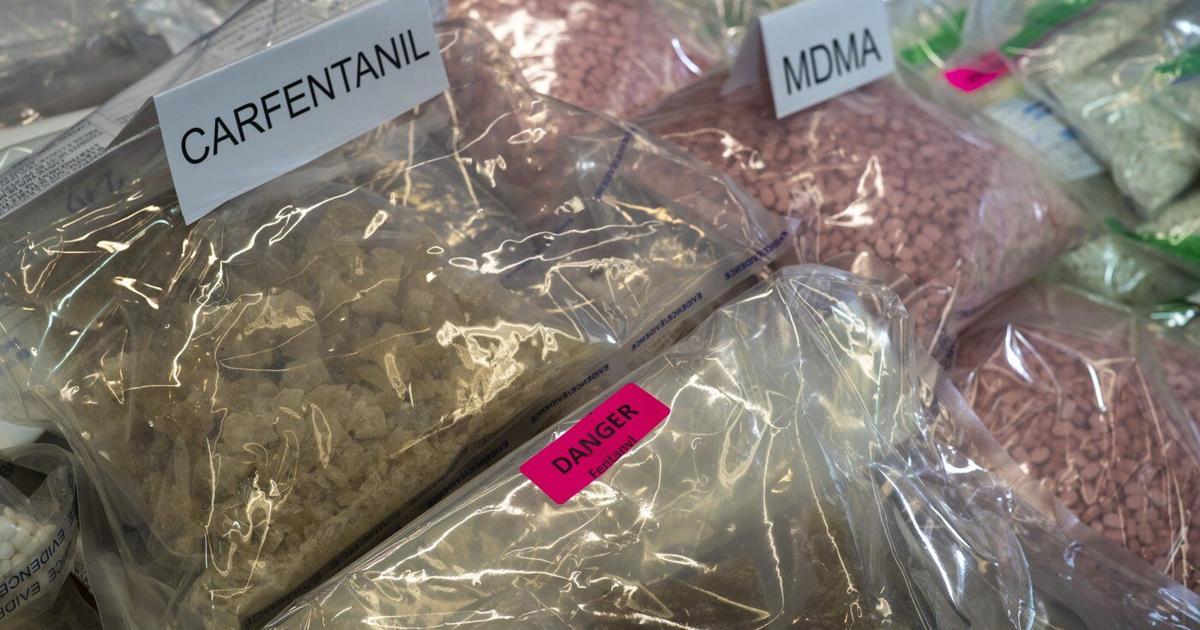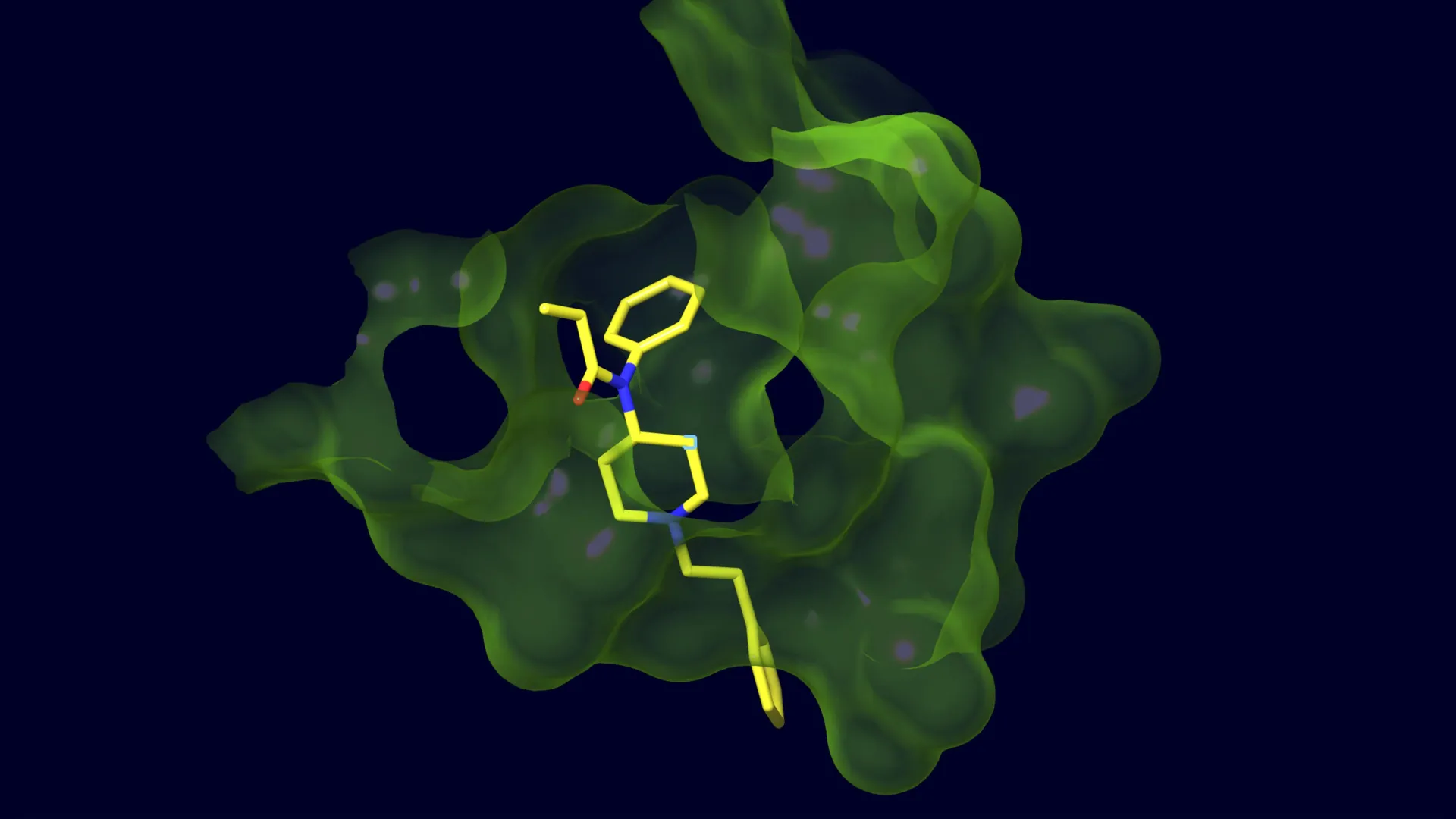
Fentanyl causes symptoms that can lead to death from overdose. One of these symptoms is slow breathing, which deprives drug users of oxygen. In new research in JNeurosci, Erica Levitt and colleagues from the University of Michigan Medical School explored mechanisms for combating fentanyl-induced slow breathing. More specifically, the researchers used mice to examine mechanisms in the hypothalamus, a brain region that influences how breathing changes based on internal states.
The research team found that high carbon dioxide levels affected the activity of neurons in the hypothalamus that make orexin, a peptide that controls sleep and arousal. Altering the activity of these neurons increased breathing rates in mice. This manipulation also reversed fentanyl-induced slow breathing.
Levitt and colleagues targeted another signaling system (glutamate) to trigger breathing and found that this mechanism worked independently of orexin. Manipulating glutamate neurons directly in the hypothalamus alleviated fentanyl-induced slow breathing. Finally, the researchers found that artificially activating hypothalamic neurons that express both mechanisms increased breathing rates, but in a manner that required orexin signaling.