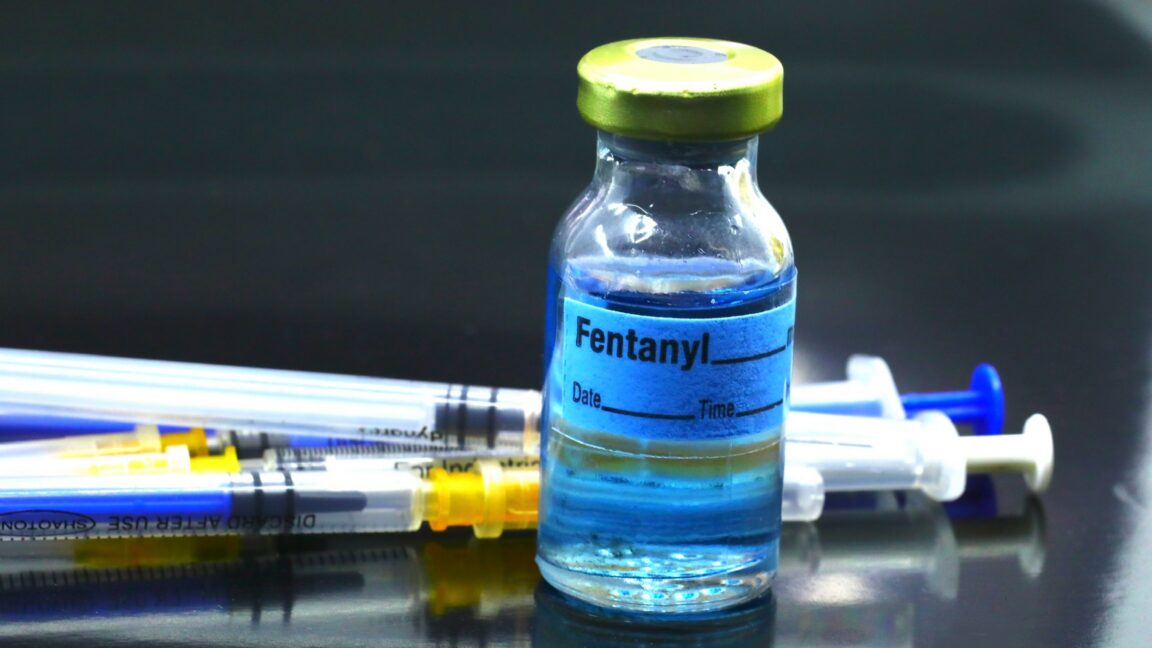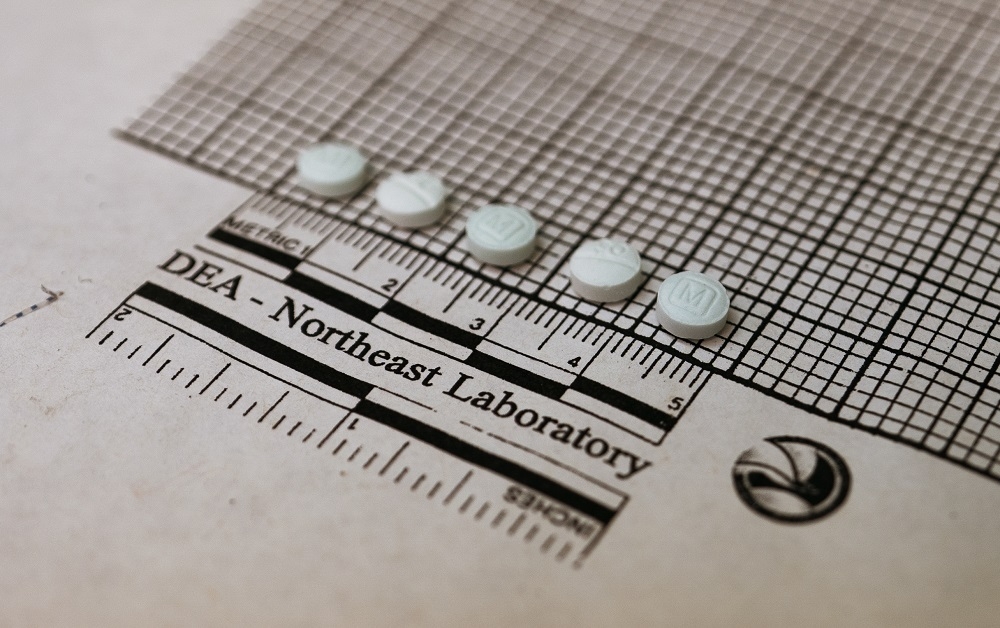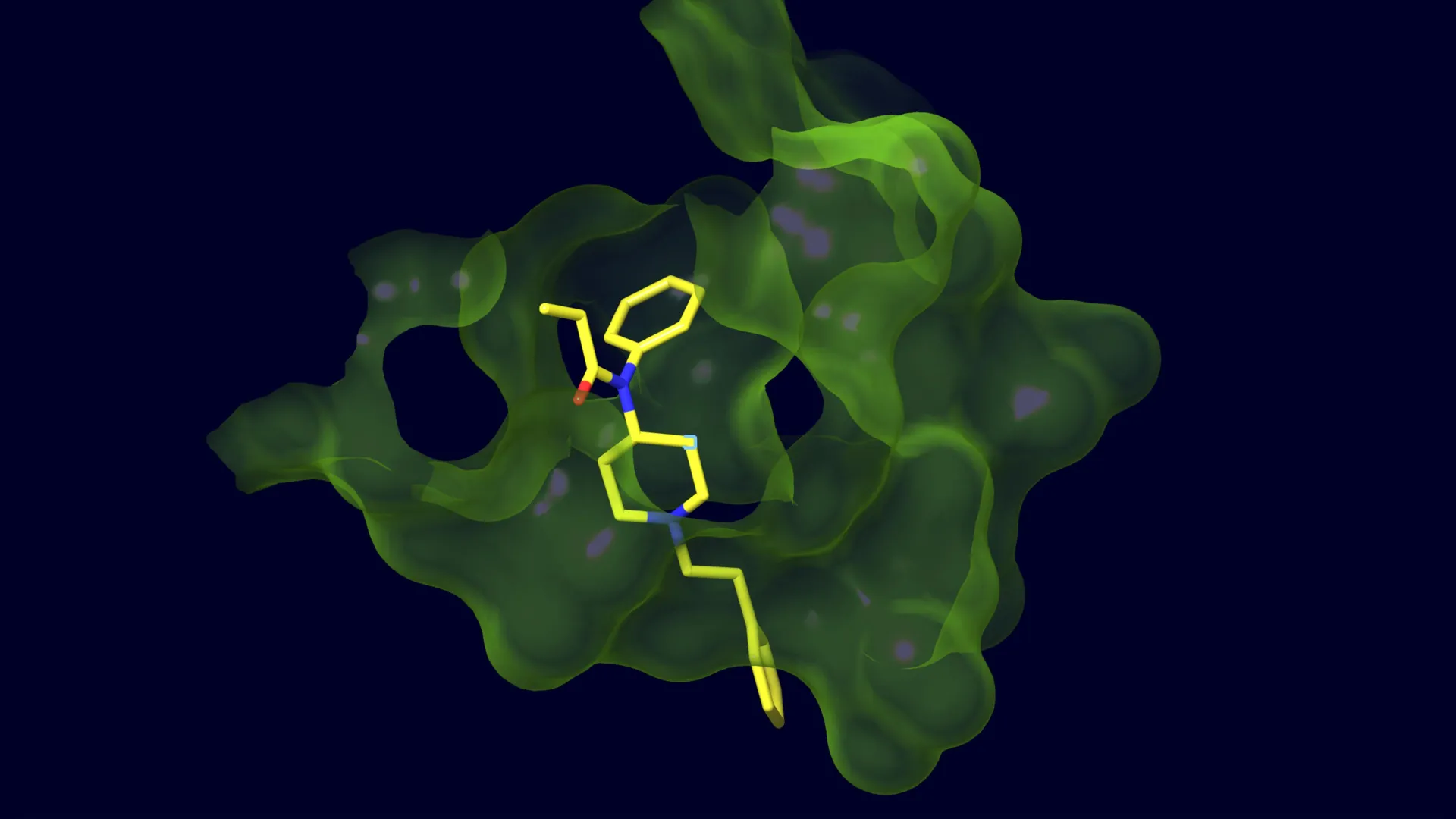
Fentanyl has become one of the deadliest drugs in the United States. Each year, fentanyl and related synthetic opioids are responsible for more deaths than car crashes and gun violence combined. In high doses, these drugs disrupt normal brain function and can suppress the signals that control breathing, often leading to fatal overdoses. Although medications can reverse an overdose, they must be administered quickly to be effective.
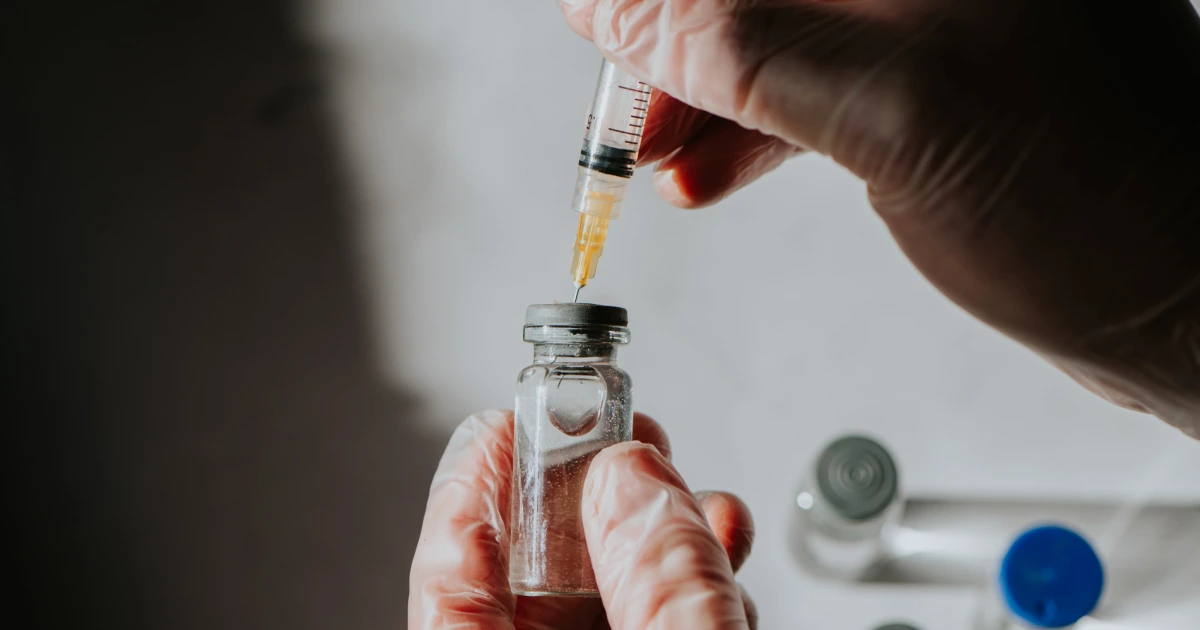
Researchers at Scripps Research are now exploring a very different strategy. Instead of treating an overdose after it happens, they have developed an experimental vaccine designed to stop fentanyl from reaching the brain in the first place.
The findings, published in the Journal of Medicinal Chemistry, indicate that the vaccine may provide protection not only against fentanyl itself but also against a wide range of fentanyl-related "designer drugs." These modified versions are often created to increase potency or help manufacturers avoid detection and regulation.
"What this research shows us is that we don't have to keep playing catch-up with every new synthetic designer drug that emerges," says senior author Kim Janda, the Ely R. Callaway, Jr. Professor of Chemistry at Scripps Research. "By training the immune system to recognize the entire fentanyl class -- not just individual structures -- we can stay ahead of illicit drug traffickers."