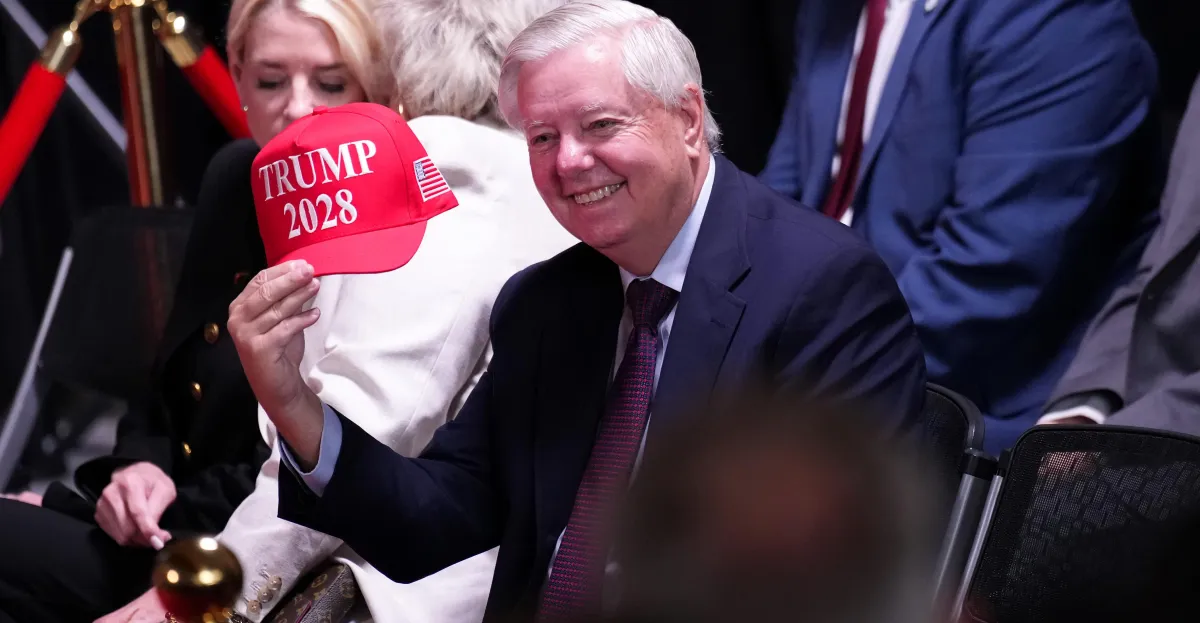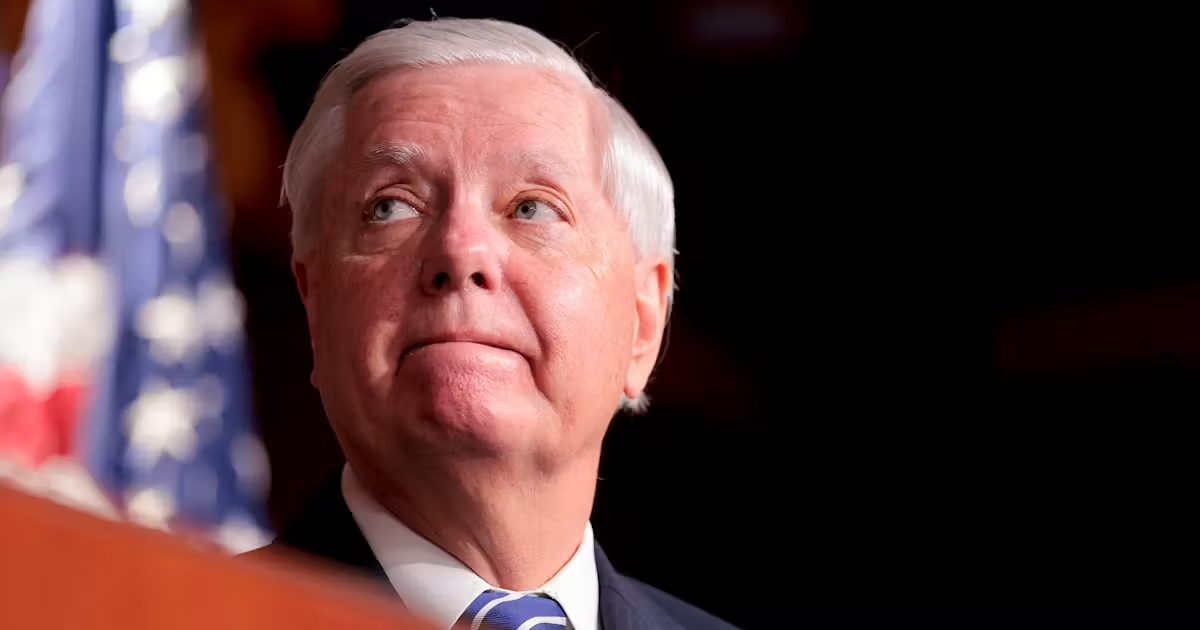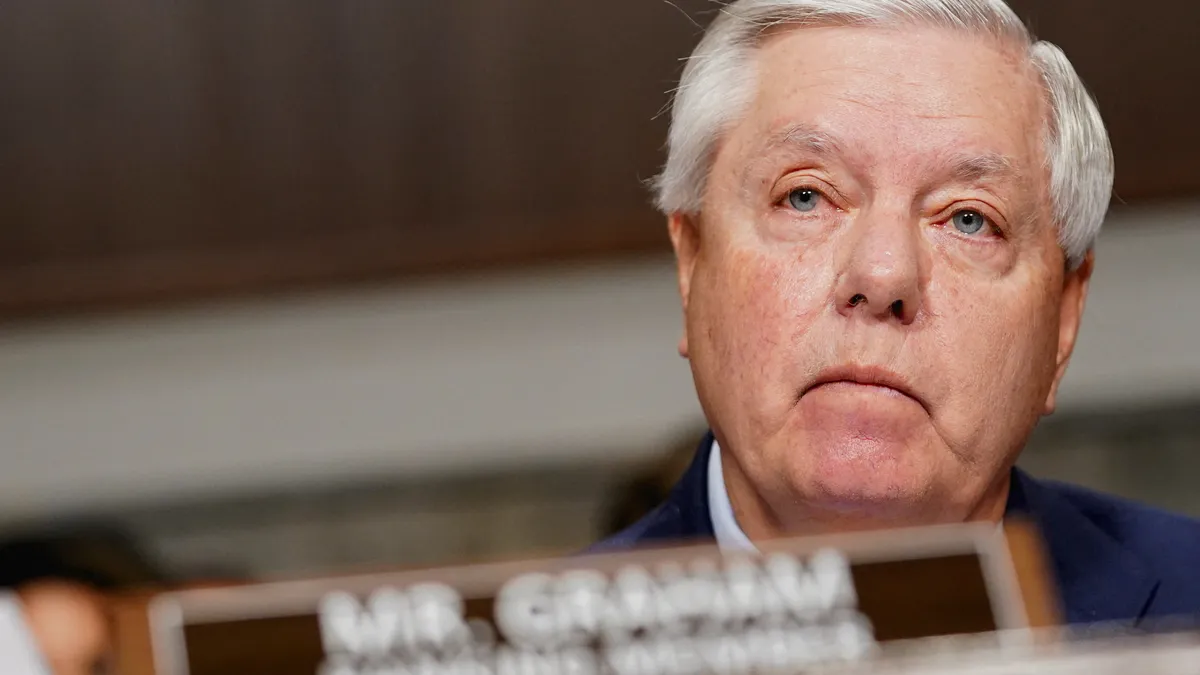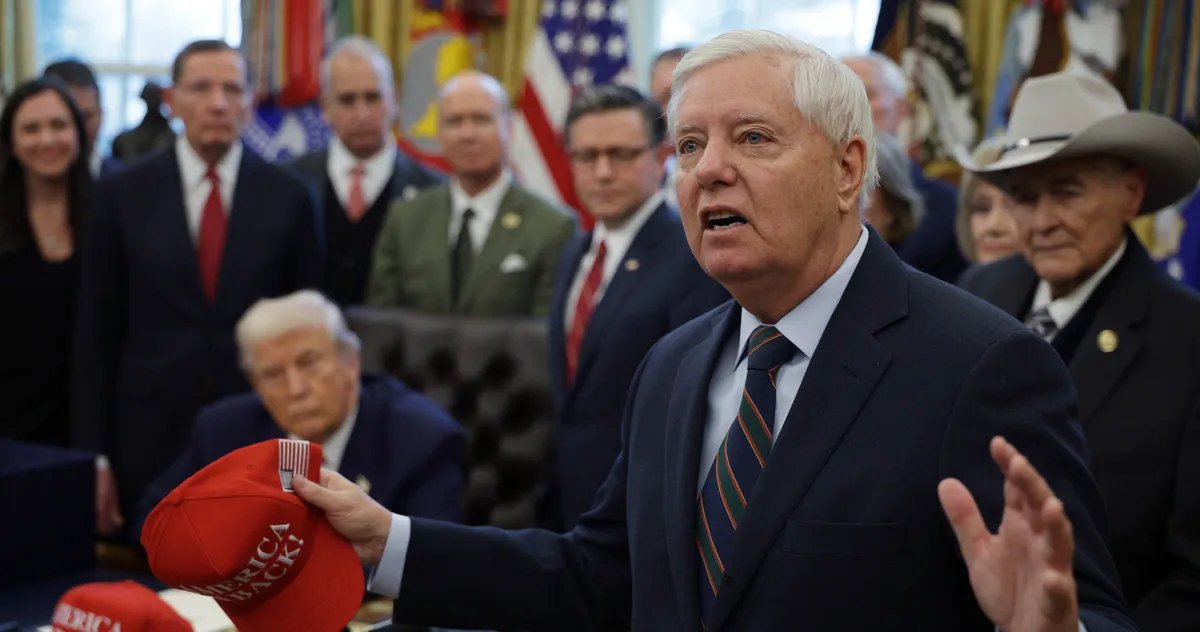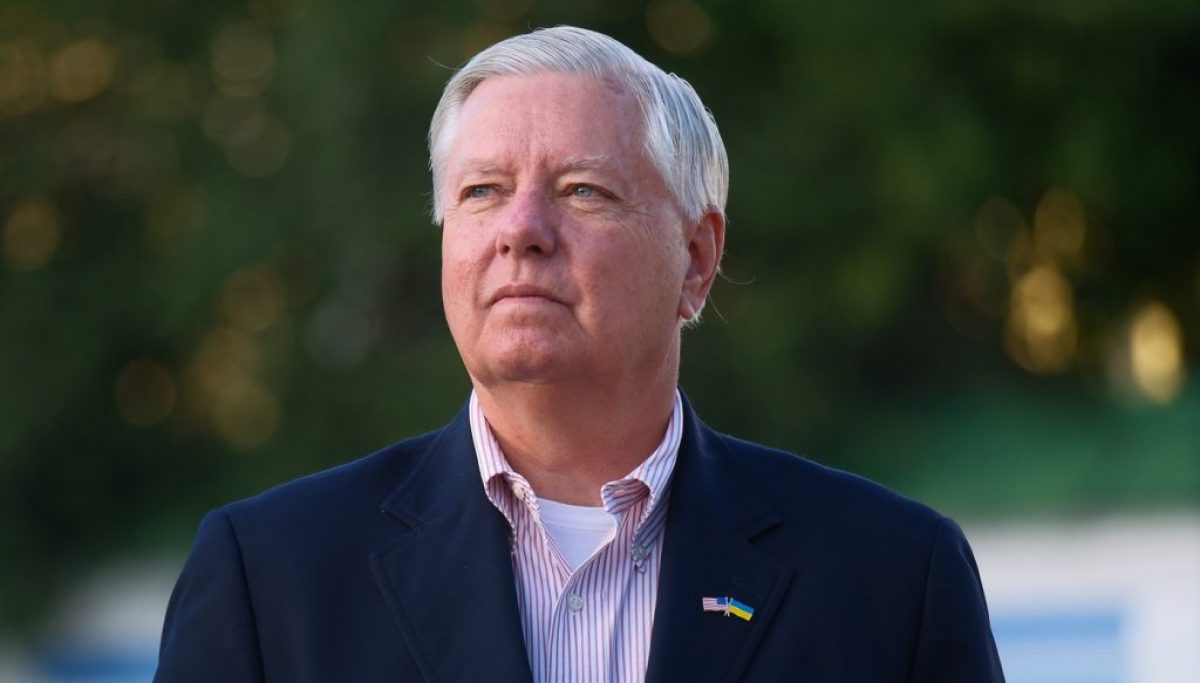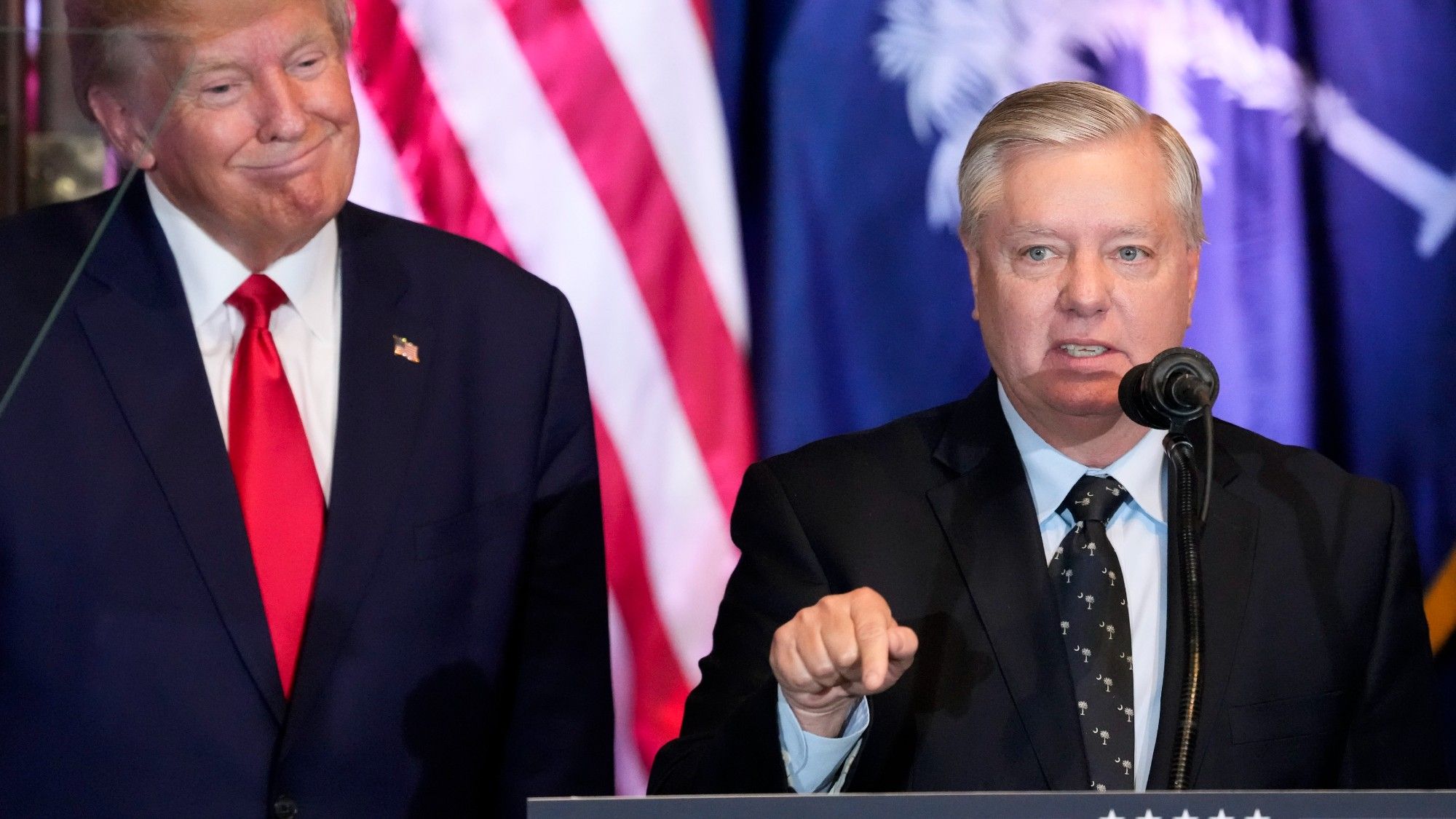
Lindsey Graham was “the quintessential politician of this era,” said Anne Applebaum in The Atlantic. The Republican senator from South Carolina, who died unexpectedly of a ruptured aorta last week, launched his career in 1994 as “a fervent American patriot” with a hawkish foreign policy, but ended it as a fawning acolyte of Donald Trump. A gifted speaker with a folksy, disarming wit, the early Graham “took seriously the practice of American democracy,” seeking to forge bipartisan alliances on legislation with such unlikely partners as senators Hillary Clinton and Joe Biden. When Trump launched his presidential campaign in 2016, Graham “recognized him immediately for what he was,” calling him a “race-baiting, xenophobic, religious bigot” who was “unfit for office.” But when Trump won, Graham abandoned his “idealistic patriotism,” wooed the new president with fawning flattery, and became “a loud, opportunistic collaborator.”Graham’s career could be “divided into two parts, each defined by a personal allegiance to one of two different men: John McCain and Donald Trump,” said Gerard Baker in The Wall Street Journal. In the House of Representatives, Graham was a “loyal lieutenant” to fellow military veteran McCain, supporting his failed 2000 presidential campaign over the overwhelming favorite, George W. Bush. Elected to the Senate in 2002, Graham joined senators McCain and Joe Lieberman to form the “Three Amigos,” who believed that America should use its military and strategic power to be “a force for profound good in the world.” But Trump’s victory in 2016 sparked “a head-spinning transformation,” said Peter Baker in The New York Times. Graham became Trump’s “most important ally in the Senate,” and “made no apologies for his shift. This was politics.”
Graham's legacy: Power over principles
The longtime senator from South Carolina underwent a 'head-spinning transformation' to align himself with Donald Trump
342 words~2 min read