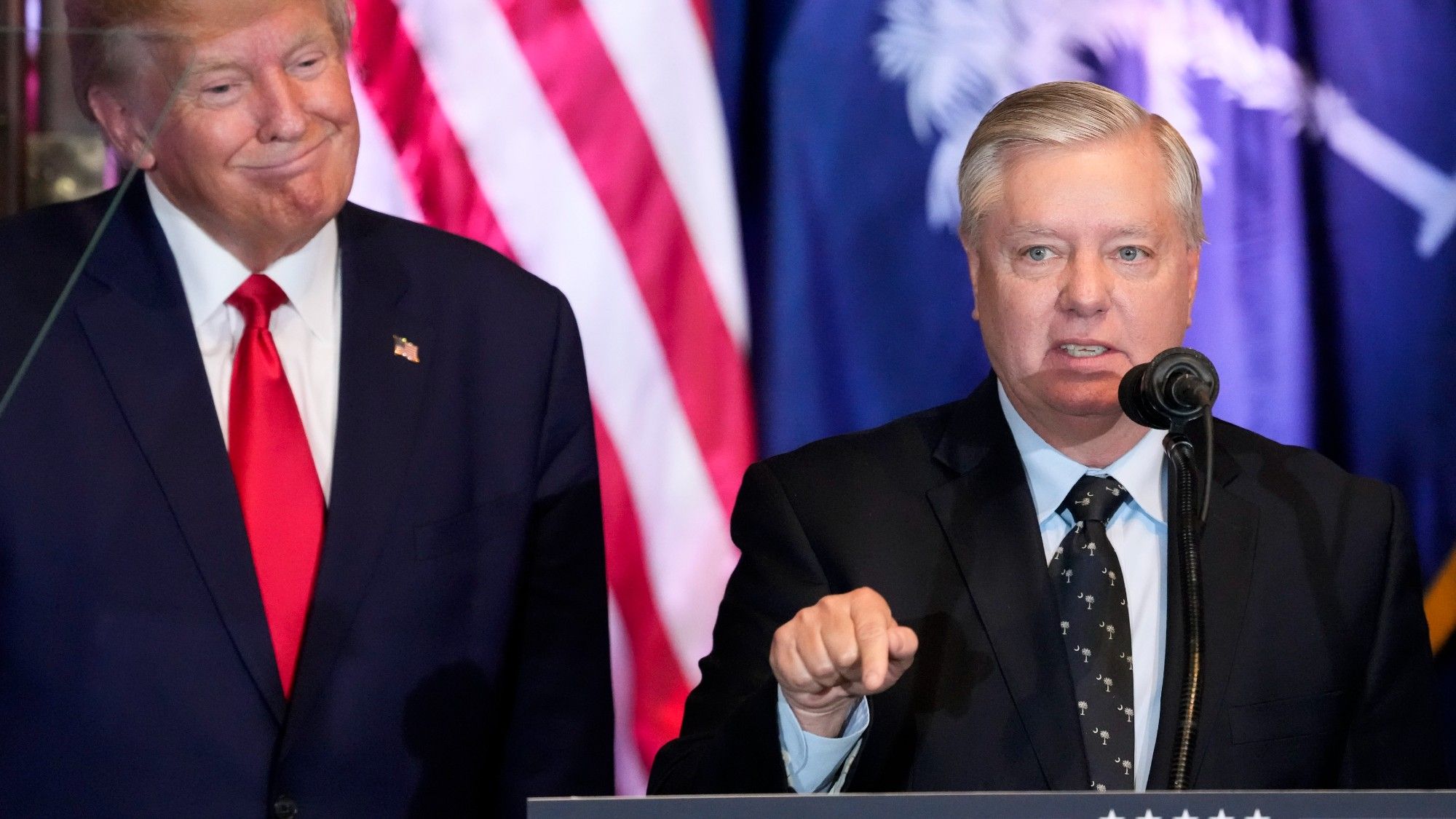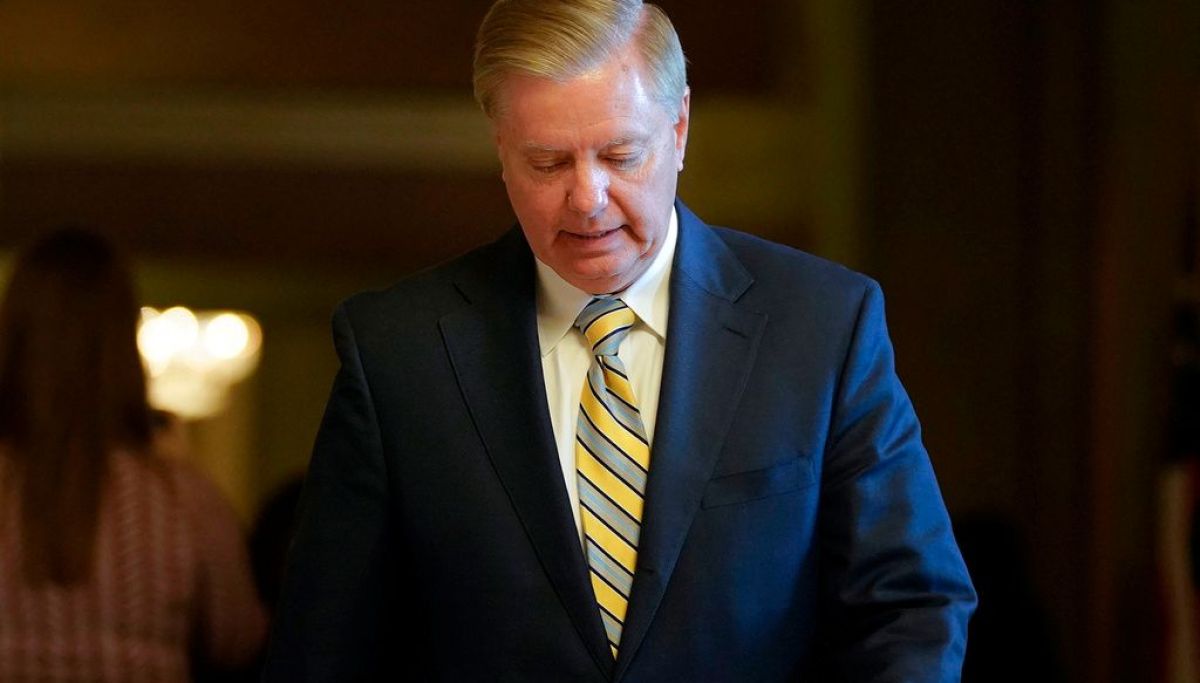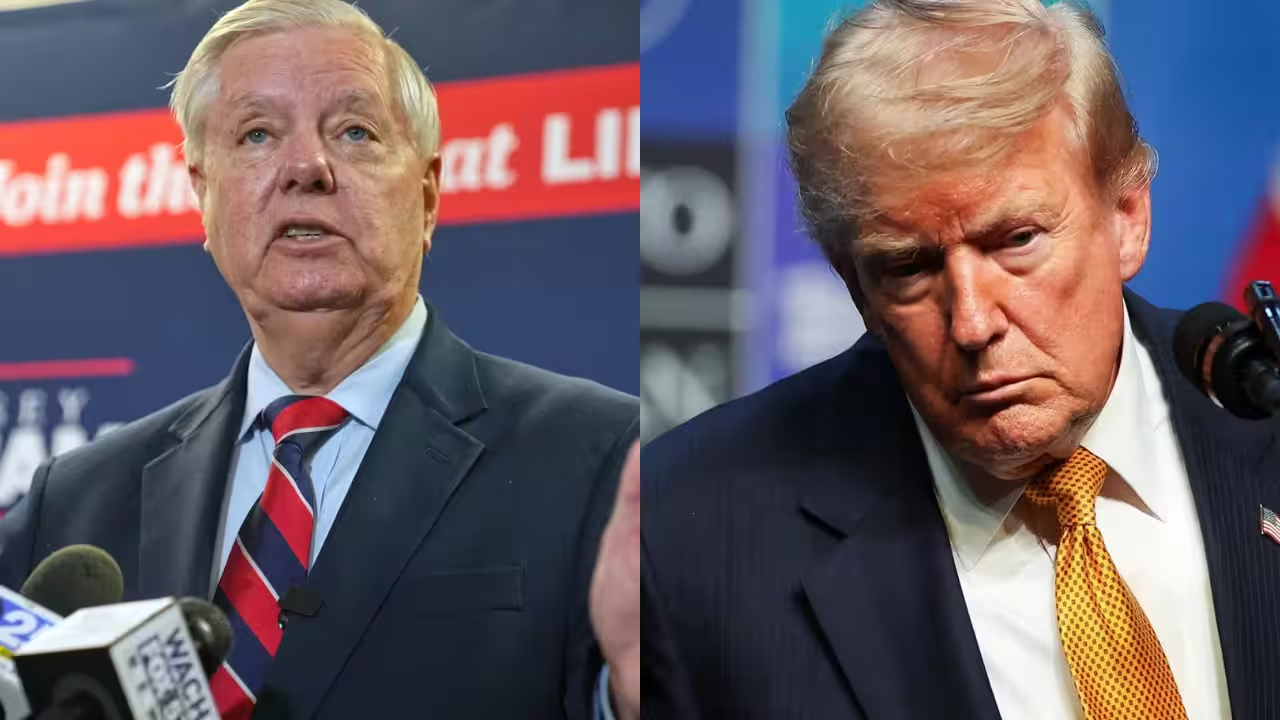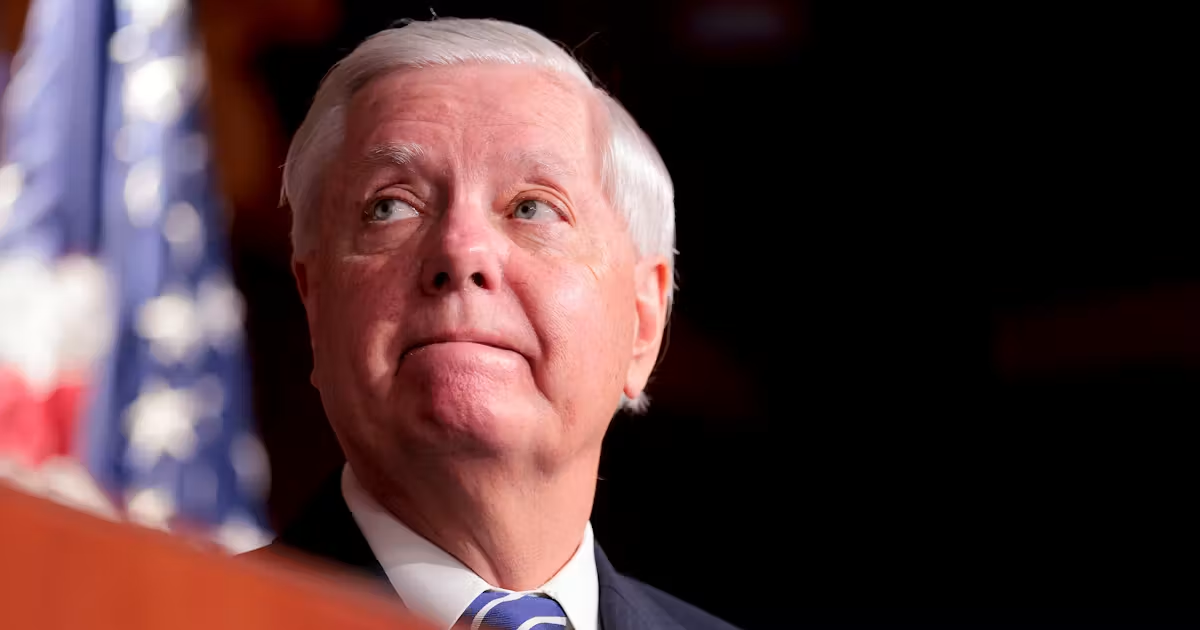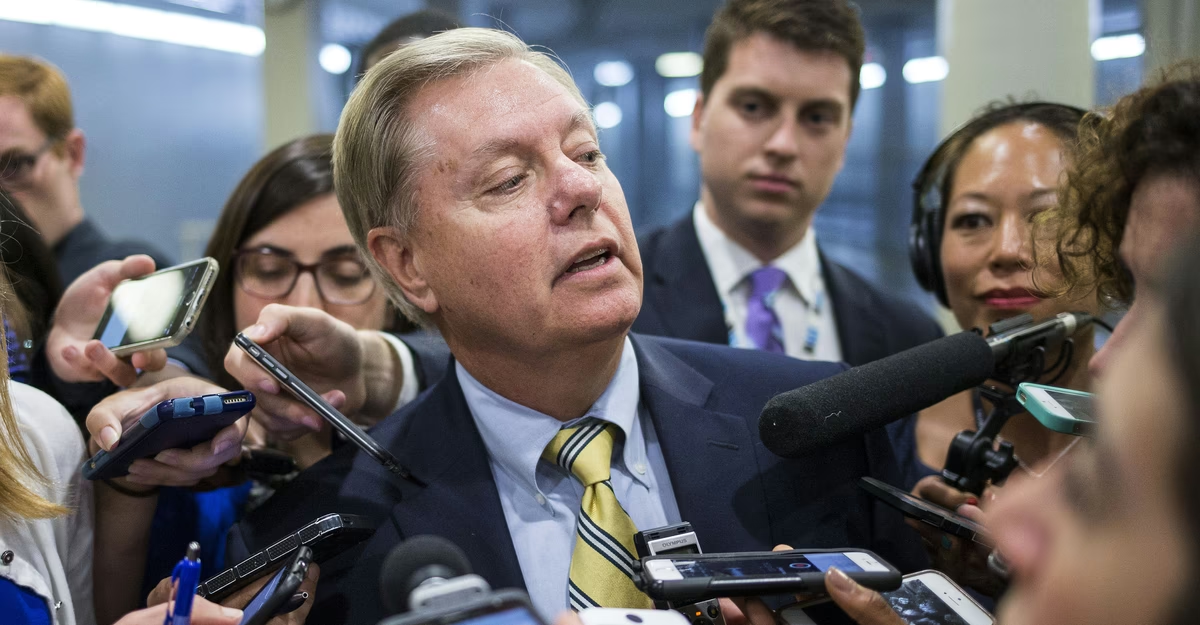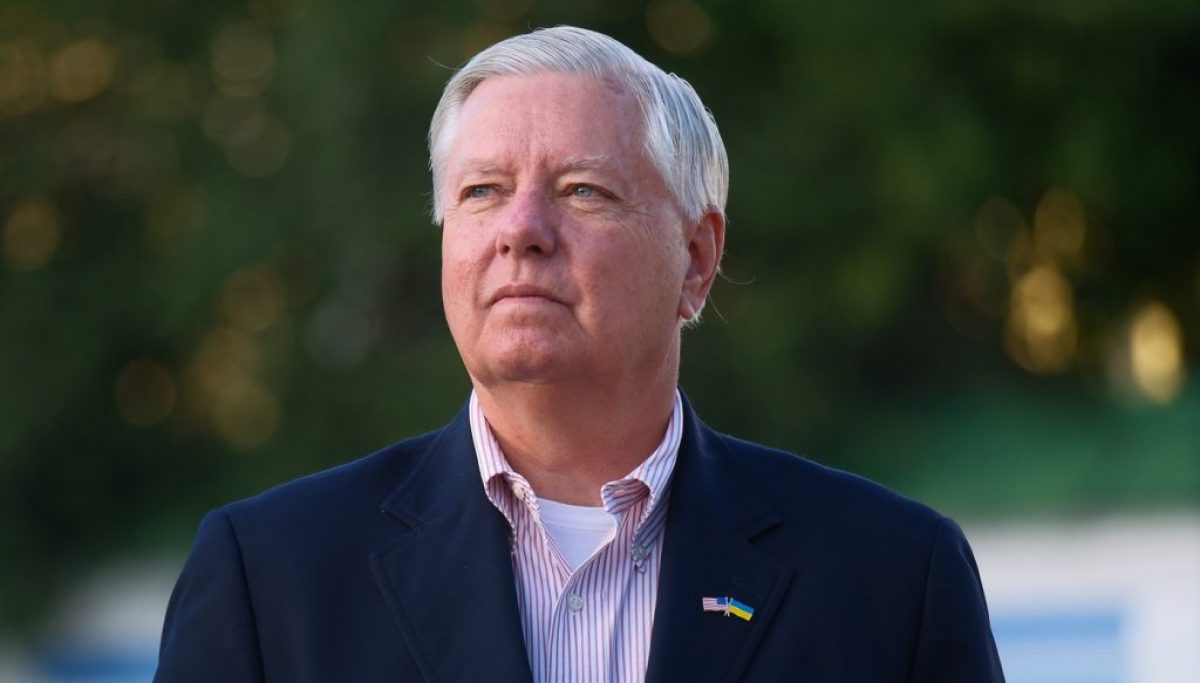
As chance would have it, I happened to be roaming the halls of the Russell Senate Office Building just a few weeks ago when I bumped into — almost literally — Sen. Lindsey Graham. I had met him briefly on two different occasions years ago, each time at one of those functions where you briefly meet such figures, but couldn’t say I knew him; he was busy, I was busy, and in any case he was not on my list of people I needed to speak with, so it was a fleeting encounter with no words passed, the type that happens a dozen or more times every day. Had I known he was to pass away less than a month later, I should like to think that I would have taken a second to interrupt his movements long enough to simply tell him “thank you.” I didn’t know, of course, no one did, and life doesn’t work that way in any event. Nevertheless, his was a life of service worthy of a measure of gratitude, however belated.You wouldn’t get that from reading some of the eulogies. As our post-modern political culture no longer seems to suffer any moral limits, there is no shortage of vitriol among the hard Left, vilifying the man’s memory as they vilified the man himself. The more polite ones tend to go along the lines of lamenting that he may have been an all right guy at one point, but sadly sold his soul to the devil — President Donald Trump — in his misbegotten latter years.
What Lindsey Graham's death means for the GOP's soul
Lindsey Graham was a principled conservative hawk who anchored the GOP's foreign policy amid the party's shift toward populism.
927 words~4 min read