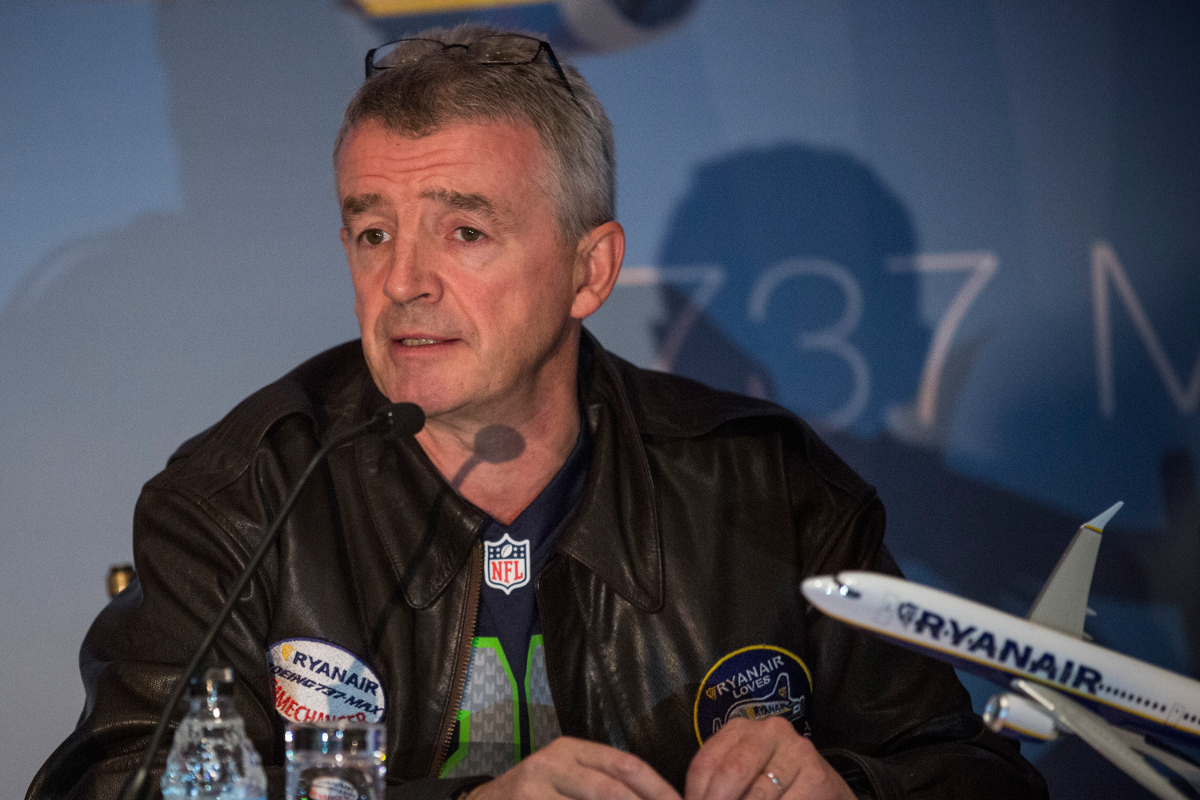
Ryanair’s profits were caught in the fallout from the US-Iran war just as the airline built up to the key summer months.Jet fuel prices soared as high as $150 a-barrel in April after Iran shut the Strait of Hormuz shipping lane.Through the three months to June 30th, the opening quarter of its financial year, Ryanair paid more than double last year’s prices for the 20 per cent that it had not locked in at $67 a-barrel.Reports of possible fuel shortages added to the uncertainty sparked by the conflict, making consumers cautious about travel plans. Ryanair countered this by discounting fares, particularly for those booking well in advance.Other factors played a minor role, but the double whammy of soaring fuel and discounted fares hit the carrier’s bottom line, leaving it with €528 million profit for the quarter, against the €820 million earned during the same three months last year.[ Michael O’Leary: ‘In 10 years’ time, Ryanair fares will be €45-€50 and I’ll be in a home for the bewildered’Opens in new window ]The trend that emerged in that period: lower advance fares and higher prices for anyone booking close to their intended travel dates, has stuck, according to the group’s chief executive, Michael O’Leary.He is “bearish about prices”, believing fares will remain below last year in coming months, while the higher ticket prices paid for close in bookings will not compensate for advance discounts.This is good news for the travelling public but the markets have taken another view. Ryanair’s shares fell more than 4 per cent on the Dublin stock exchange in early afternoon trading.Renewed hostilities between the US and Iran mean the uncertainty driving this continues, while Iranian-backed Houthi rebels’ threat to close the Red Sea further threatens oil supplies.Ryanair is in a strong position. It is debt-free since May, while it had €2.8 billion cash at the end of last month. O’Leary argues that this contrasts with Europe’s weaker carriers, including Baltic Air and Wizz, which could be swallowed up, or even fail.Meanwhile, he says whichever bidder, Apollo or Castlelake, succeeds in buying EasyJet, will pass the cost on to passengers in higher fares.O’Leary believes the Middle East conflict will accelerate consolidation already under way in European air travel.Combined with delays in aircraft manufacturing, that will squeeze the number of seats available to a travel-hungry public.Consequently, O’Leary told investors’ analysts on Monday, fares will rise next year while Ryanair will cut itself a bigger slice of the region’s market.
Ryanair’s profits take a hit but Michael O’Leary remains upbeat on its prospects
Irish airline will cash in as European airlines consolidate, says O’Leary
410 words~2 min read