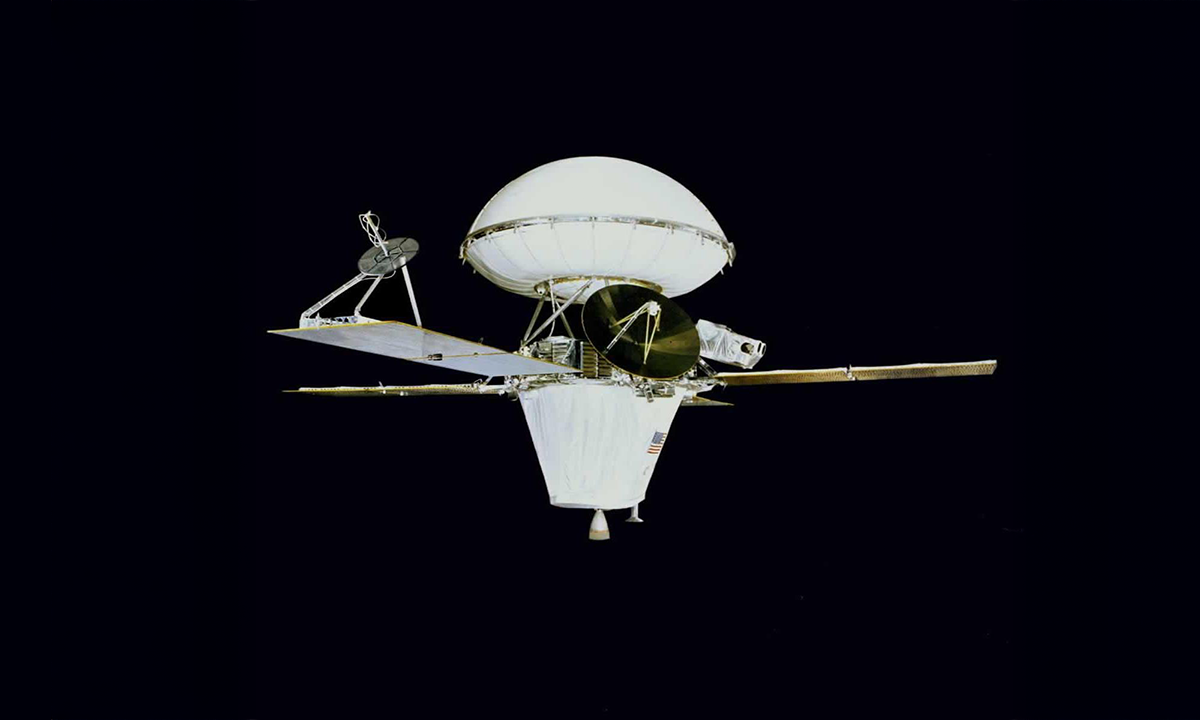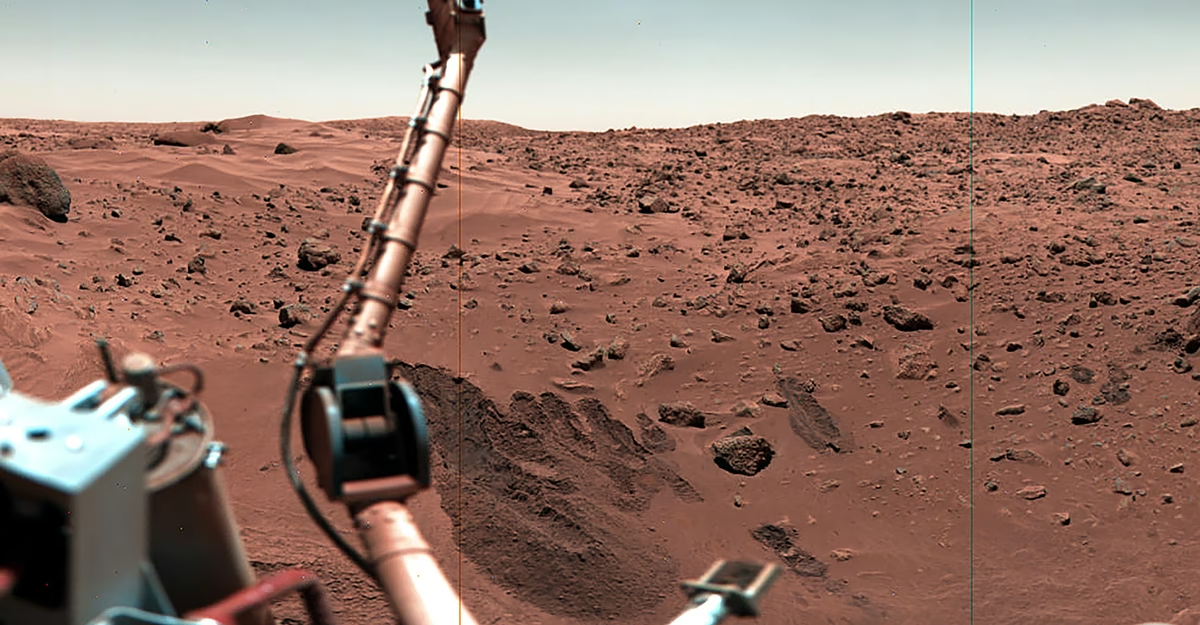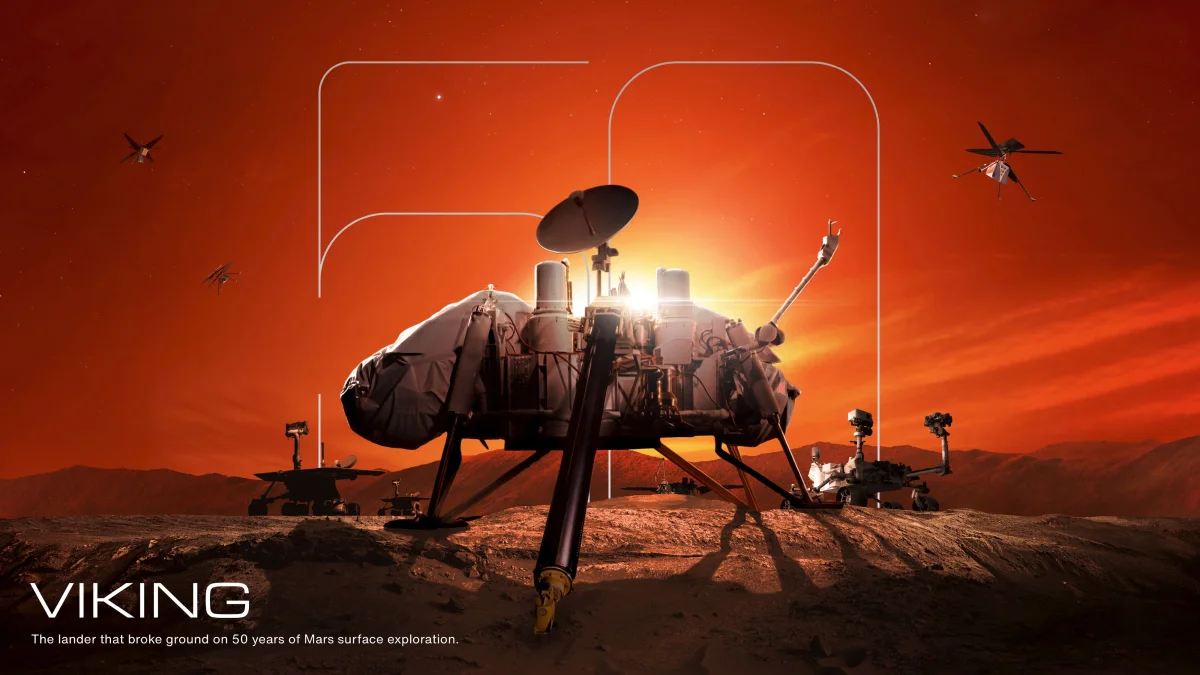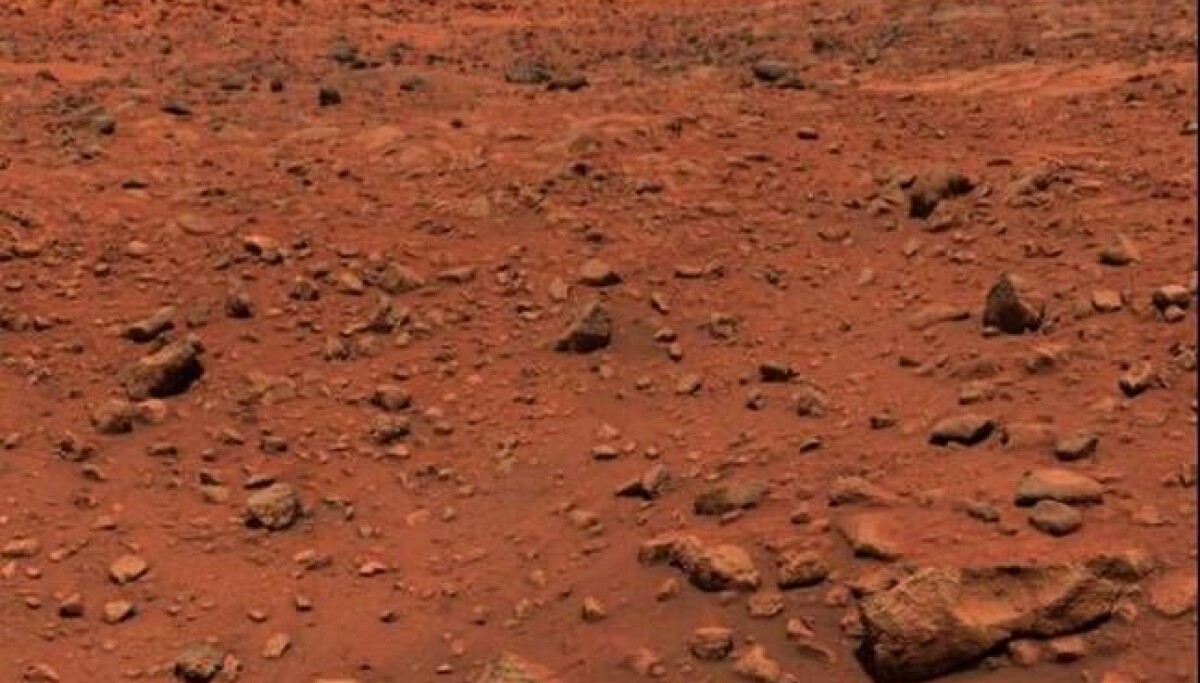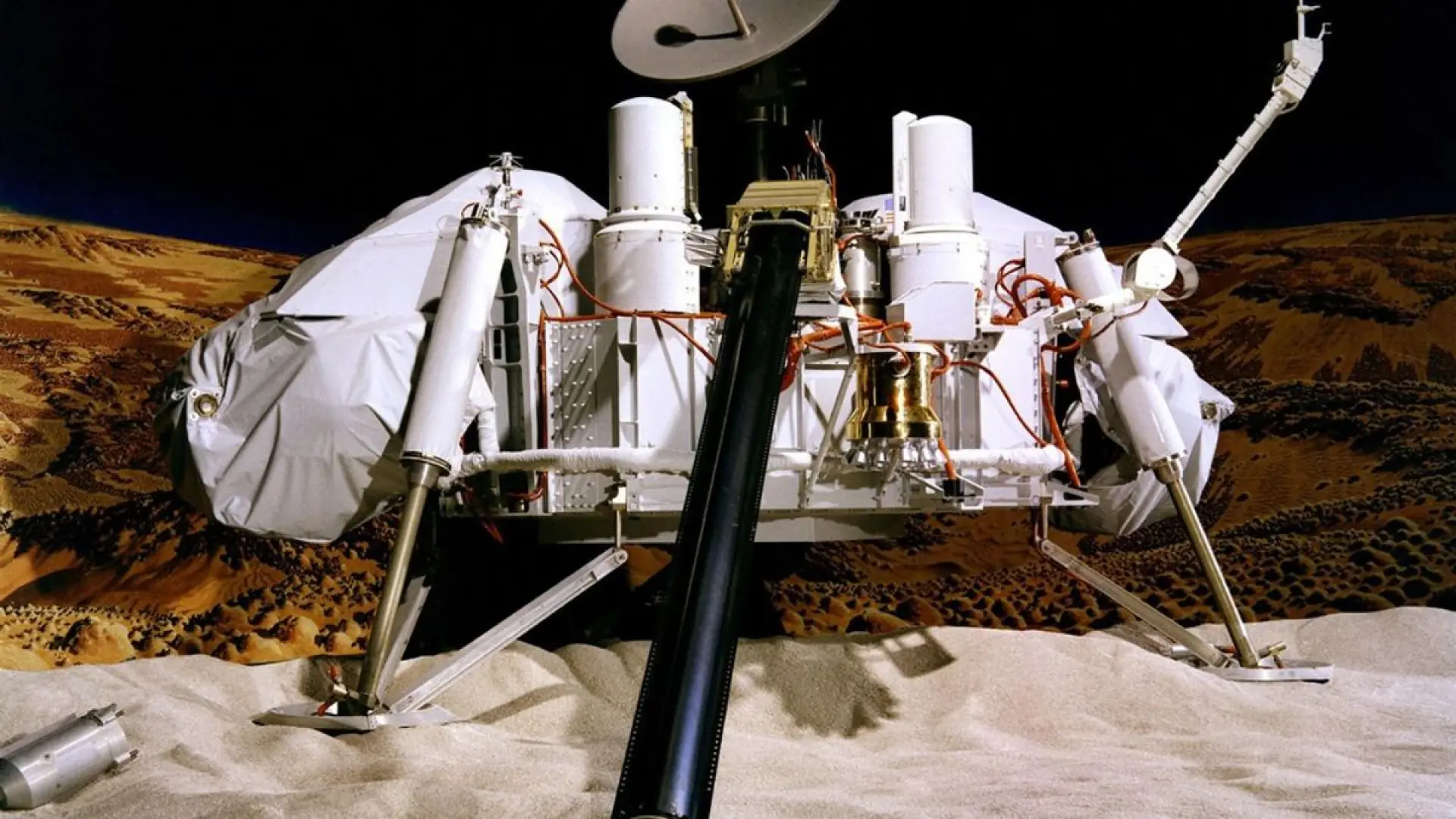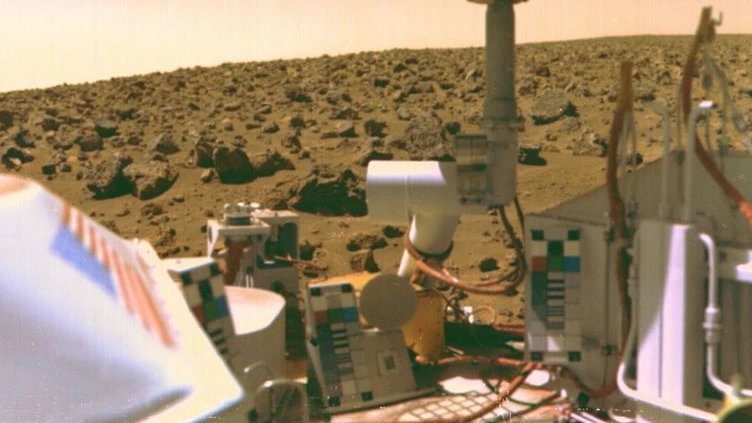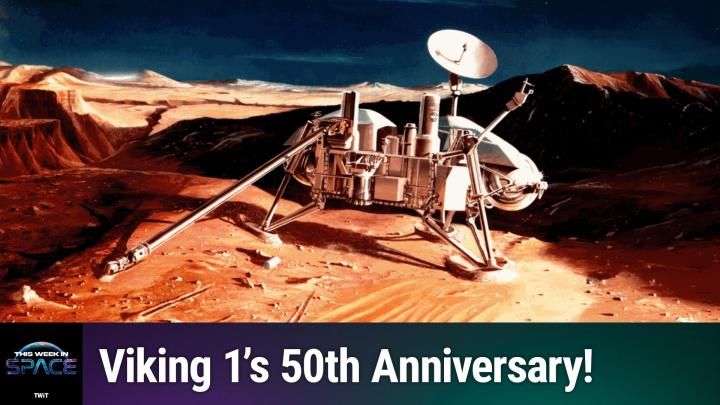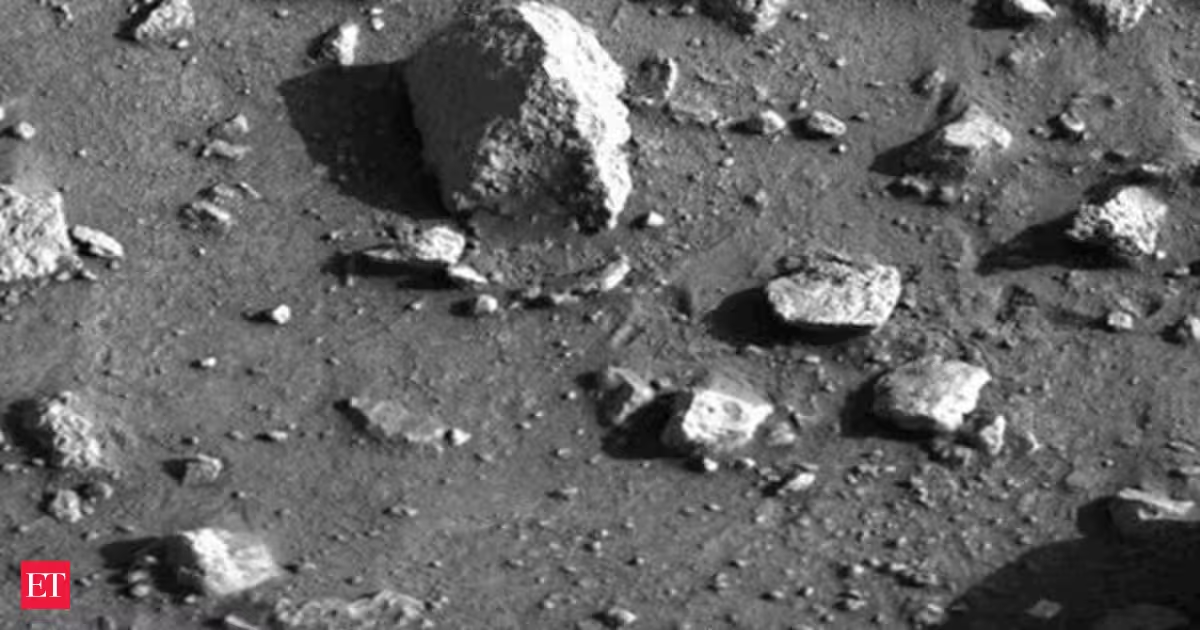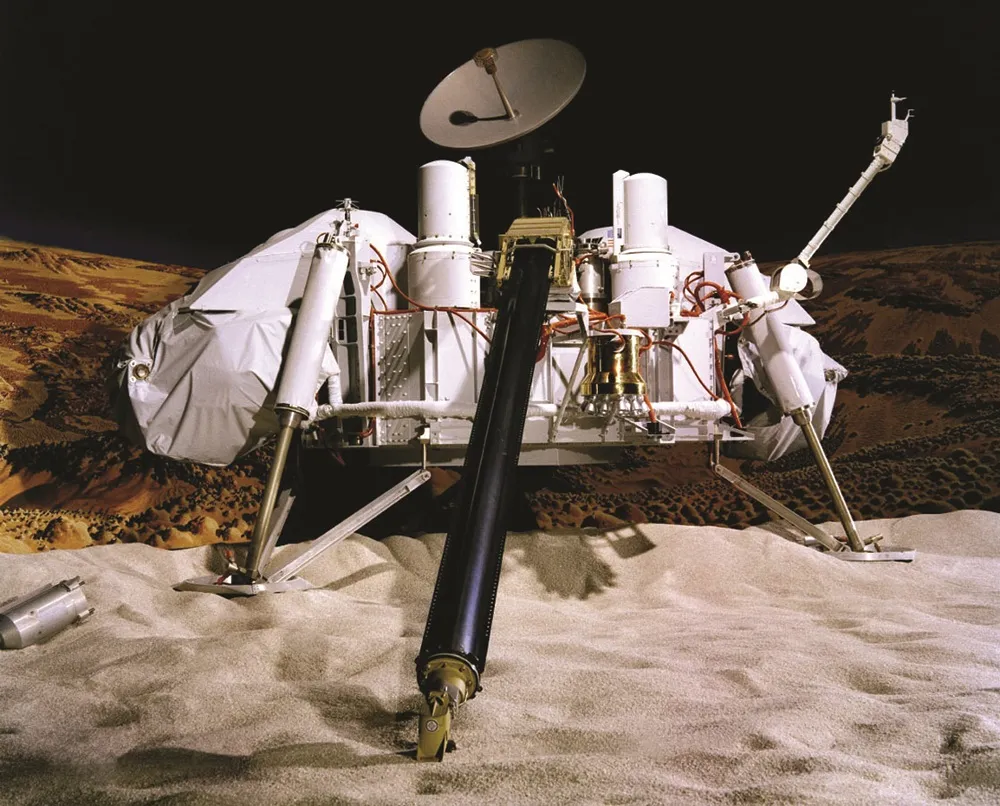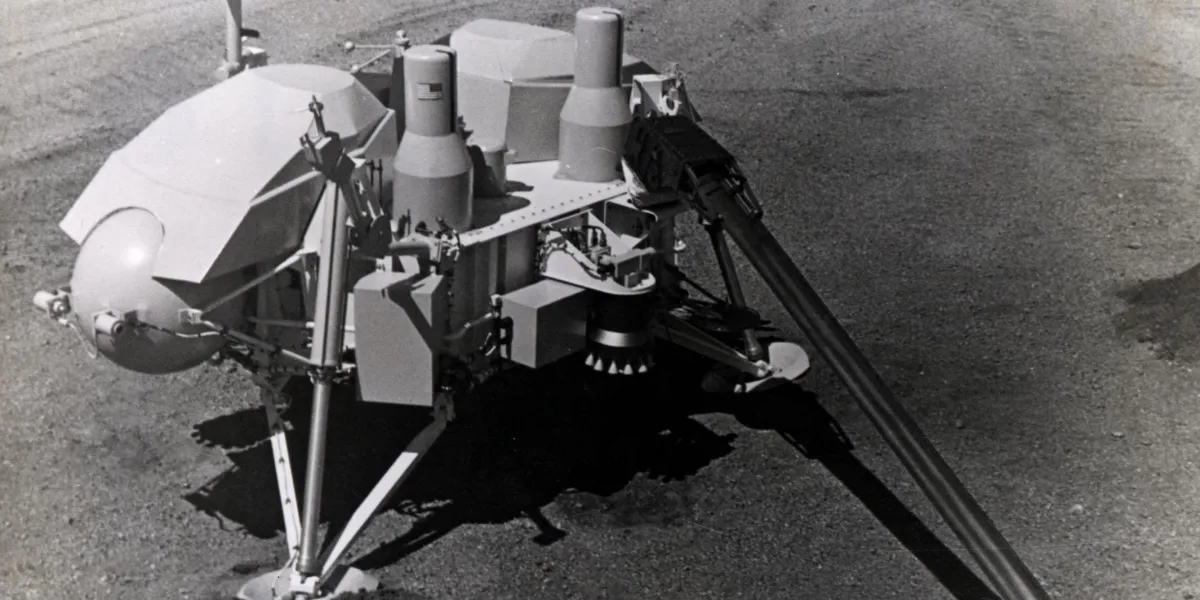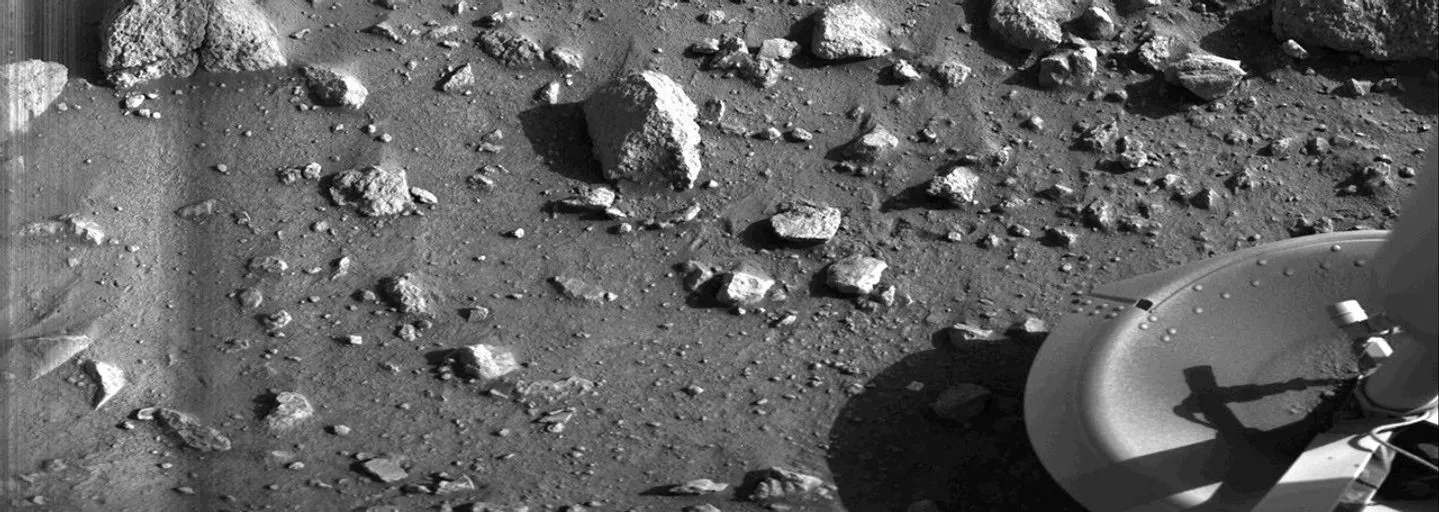
Fifty years ago, NASA’s Viking 1 and 2 landers made the first successful landings on Mars, opening a new era in planetary exploration. Behind that achievement was a team at NASA’s Langley Research Center in Hampton, Virginia, whose steady leadership and technical expertise helped turn an ambitious idea into a mission that reshaped how we explore other worlds.
NASA selected Langley in 1968 to lead the massive Viking project, the first U.S. mission designed to land safely on Mars and search for signs of life. Project Manager James S. Martin Jr. set the tone from the start. He wanted clear priorities, tough engineering reviews, and the discipline to test every system until the team was confident it would perform on Mars.
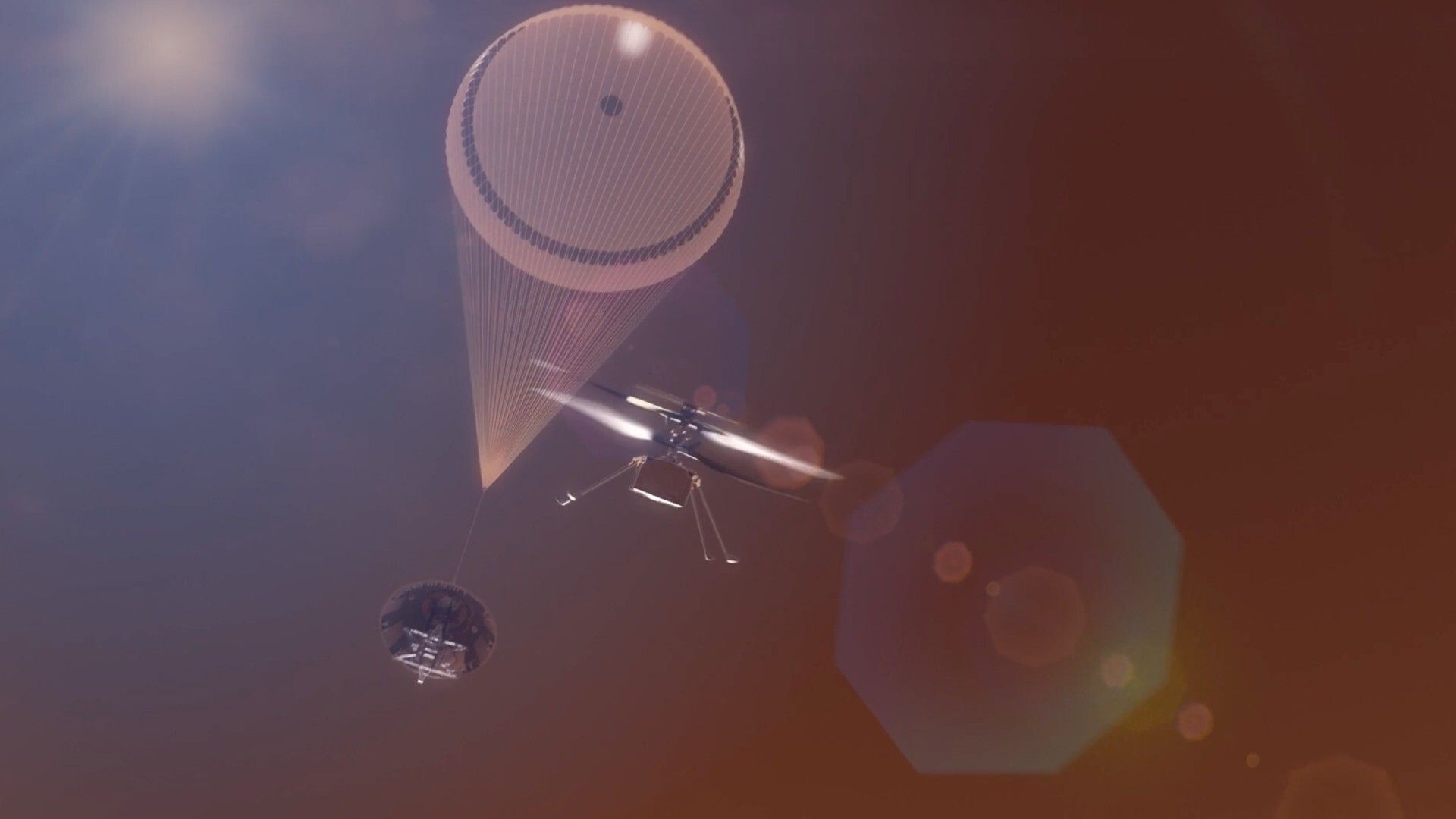
Langley engineers faced a challenge unlike anything attempted before: slowing a spacecraft plunging into the Martian atmosphere at more than 10,000 miles per hour. So they leaned into their expertise in atmospheric entry aerodynamics, heat shielding, and parachute technology. Their work produced the protective aeroshell and heat shield, as well as the supersonic parachute. These systems didn’t come from theory alone — they were shaped by years of wind‑tunnel tests, analysis, and problem‑solving. Langley still excels at entry, descent, and landing systems today.