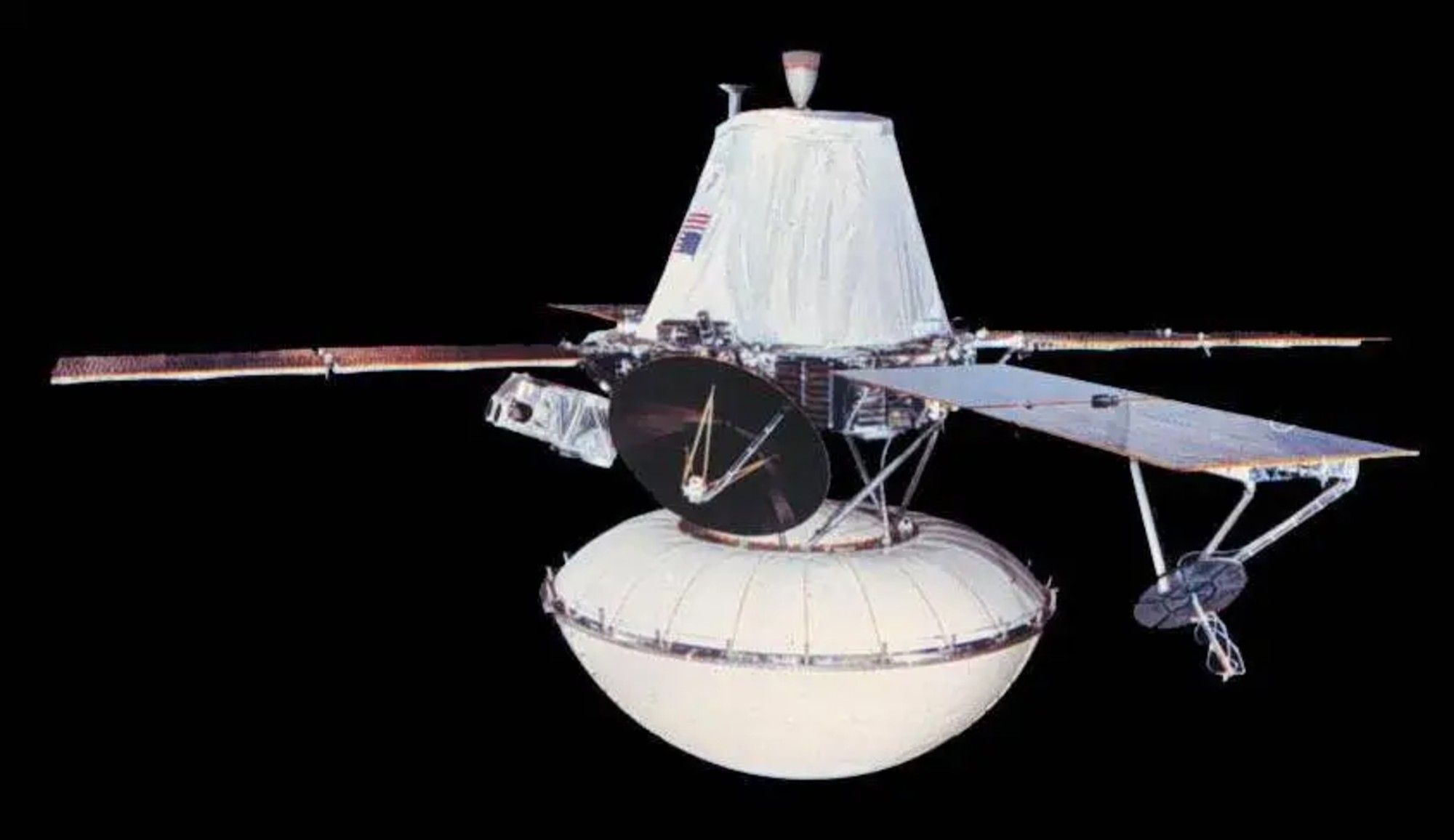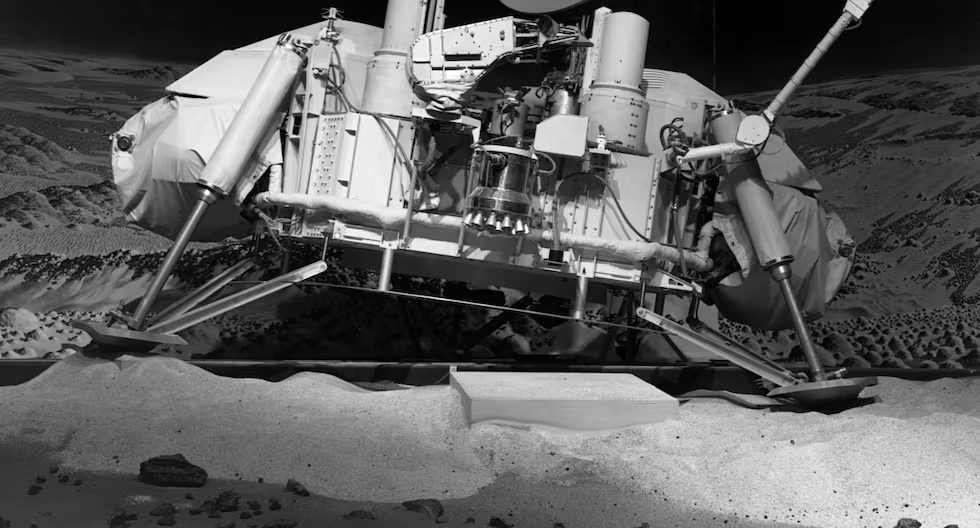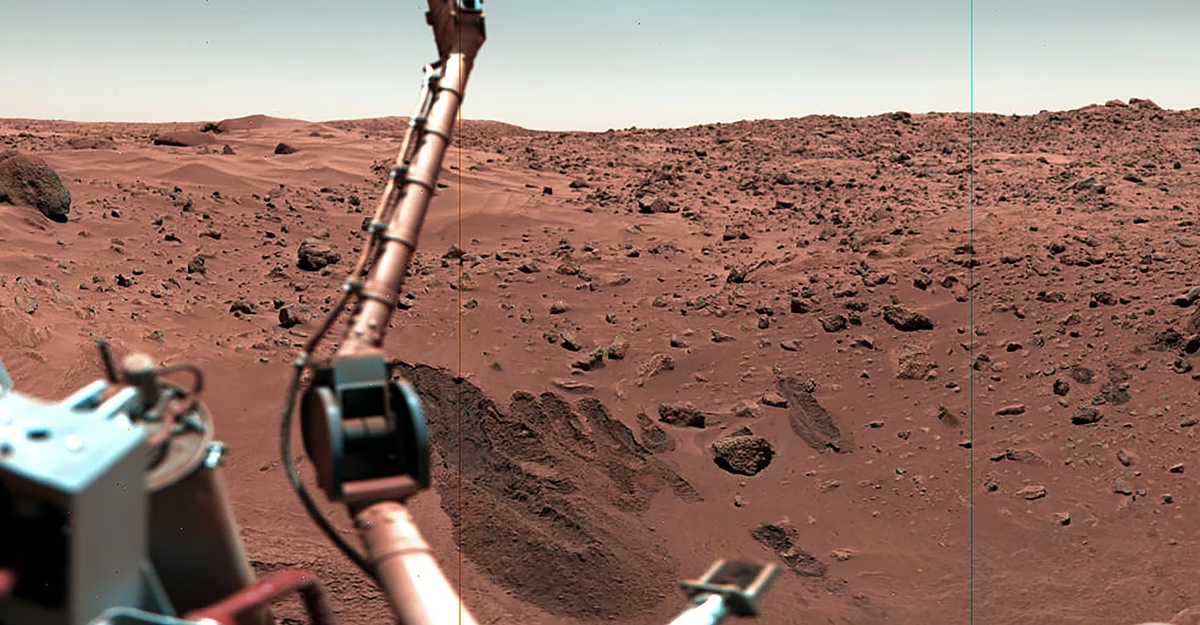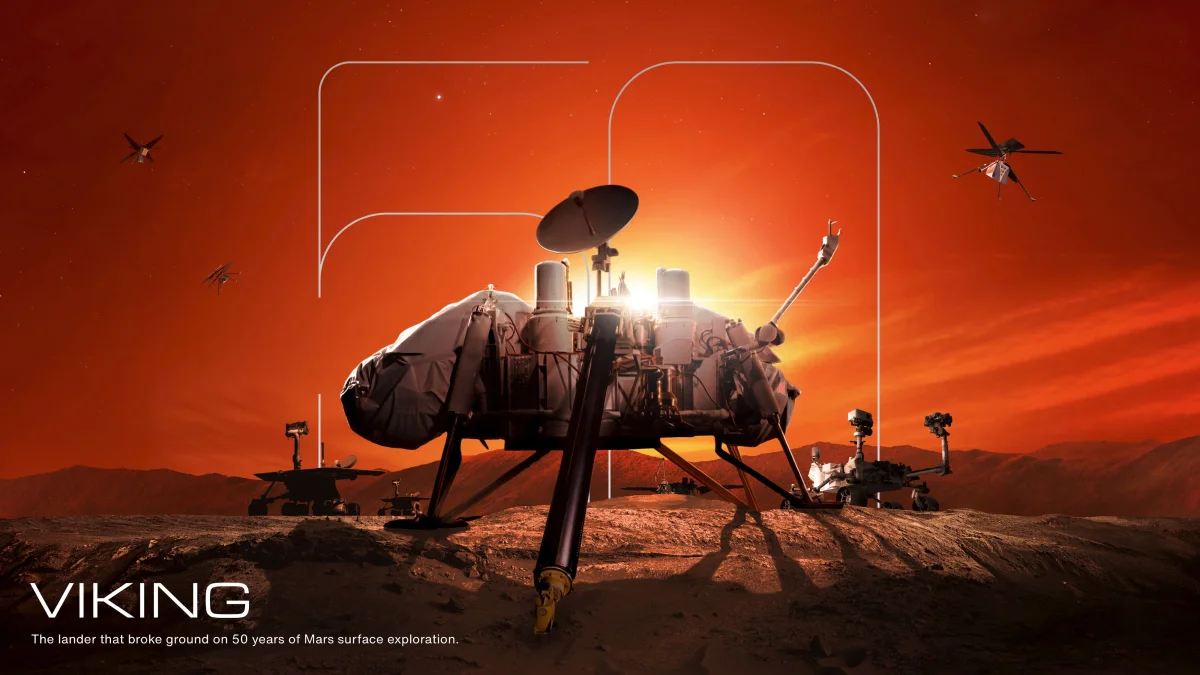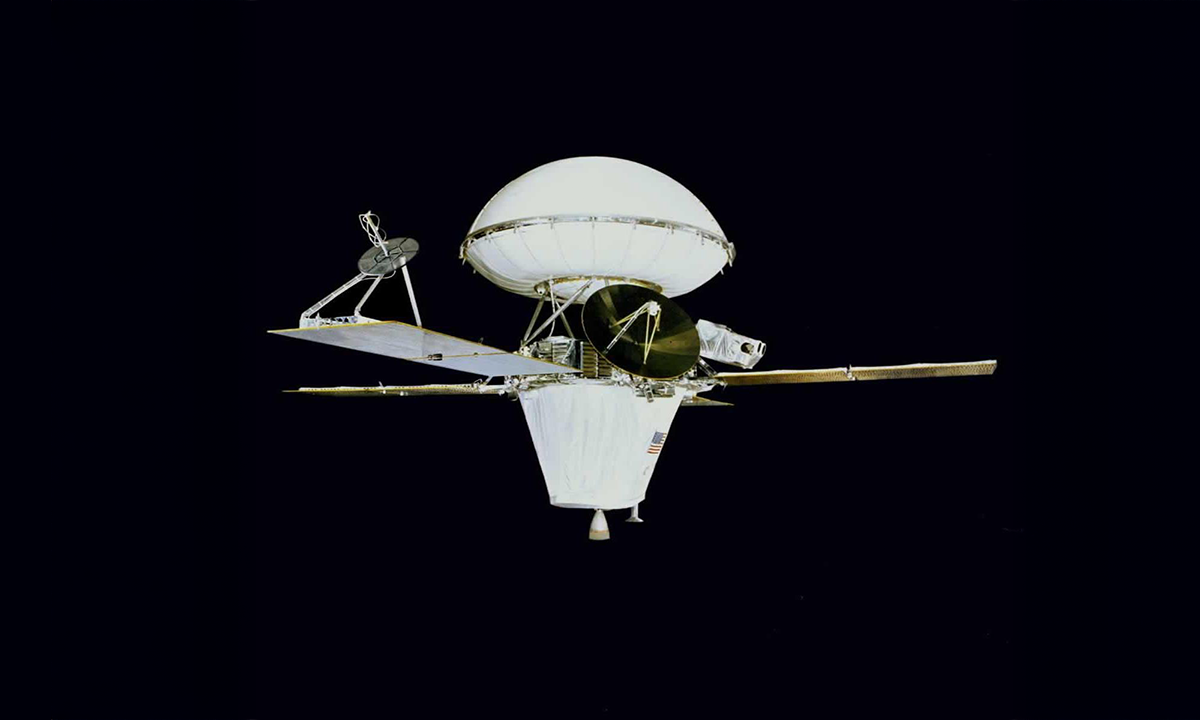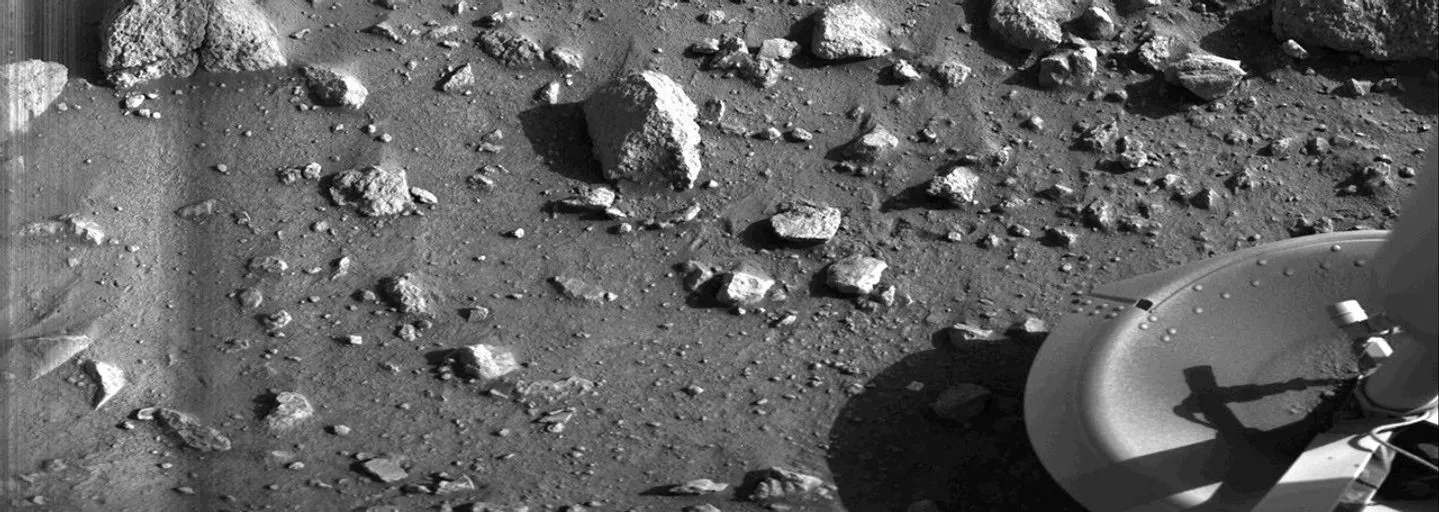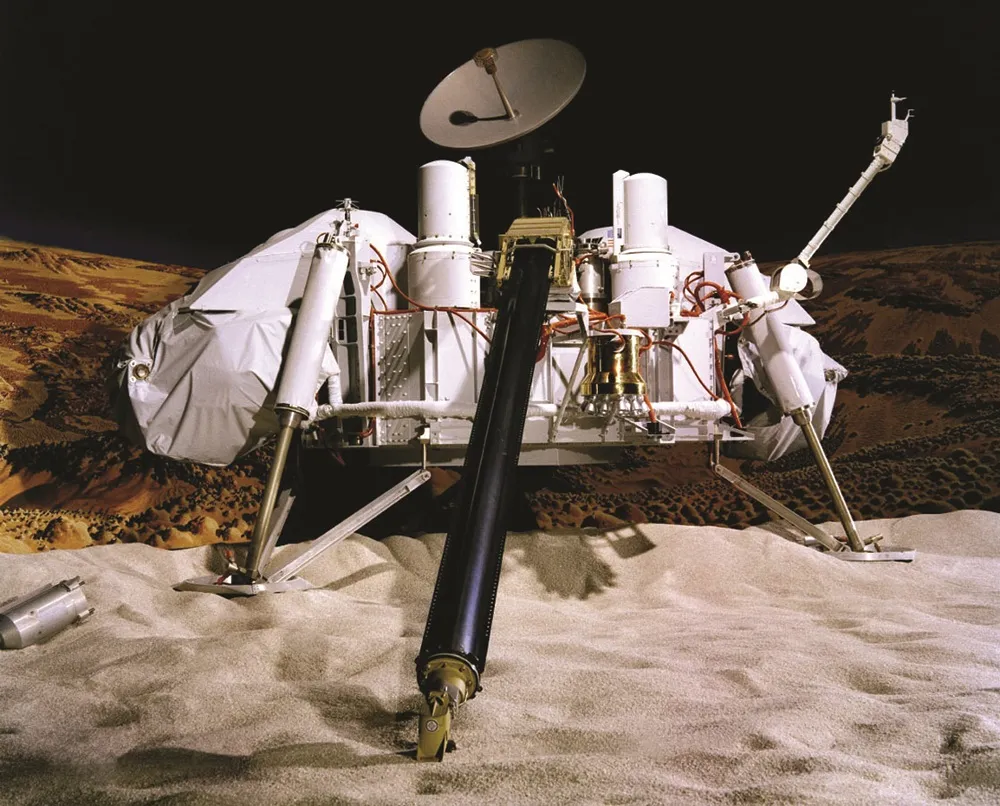
Dual NASA Viking landers searched for life on Mars in 1976. Credit: NASA
July 20 marked the 50th anniversary of one of the biggest robotic spaceflight achievements in NASA’s history: the landing of the Viking 1 spacecraft on Mars. It was the first fully successful Mars landing — the Soviet Union’s Mars 3 landed in 1971 but stopped transmitting seconds later — and carried a suite of instruments to study the planet, including those seeking evidence of life. (The results continue to be debated to this day.)
“Viking was challenging and high-risk. The challenges and risks greatly exceeded normal NASA projects,” recalled Tom Young, mission director for Viking, during an event on Capitol Hill to mark the anniversary. “The justification to proceed with Viking was based upon the importance of the mission and the capabilities of the Viking team.”
That team included Young, who would go on to become president of Martin Marietta and, in recent decades, an eminence grise of the space industry serving on multiple panels and commissions. It also included a then-22-year-old intern at the Jet Propulsion Laboratory assisting Gentry Lee, one of the lab’s top engineers, at meetings about the mission.
“I feel like the Forrest Gump of space. I stumbled into a variety of things,” said Dave Thompson, who years after that internship co-founded and led Orbital Sciences Corporation, one of the most successful space startups of the pre-SpaceX era.