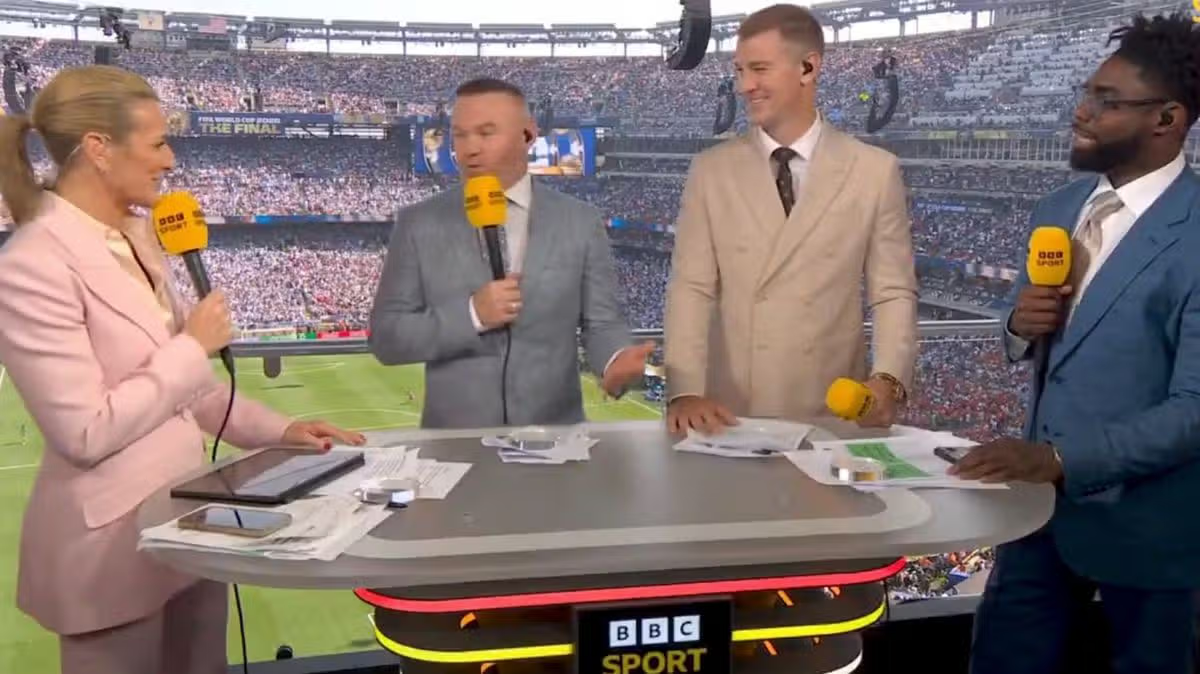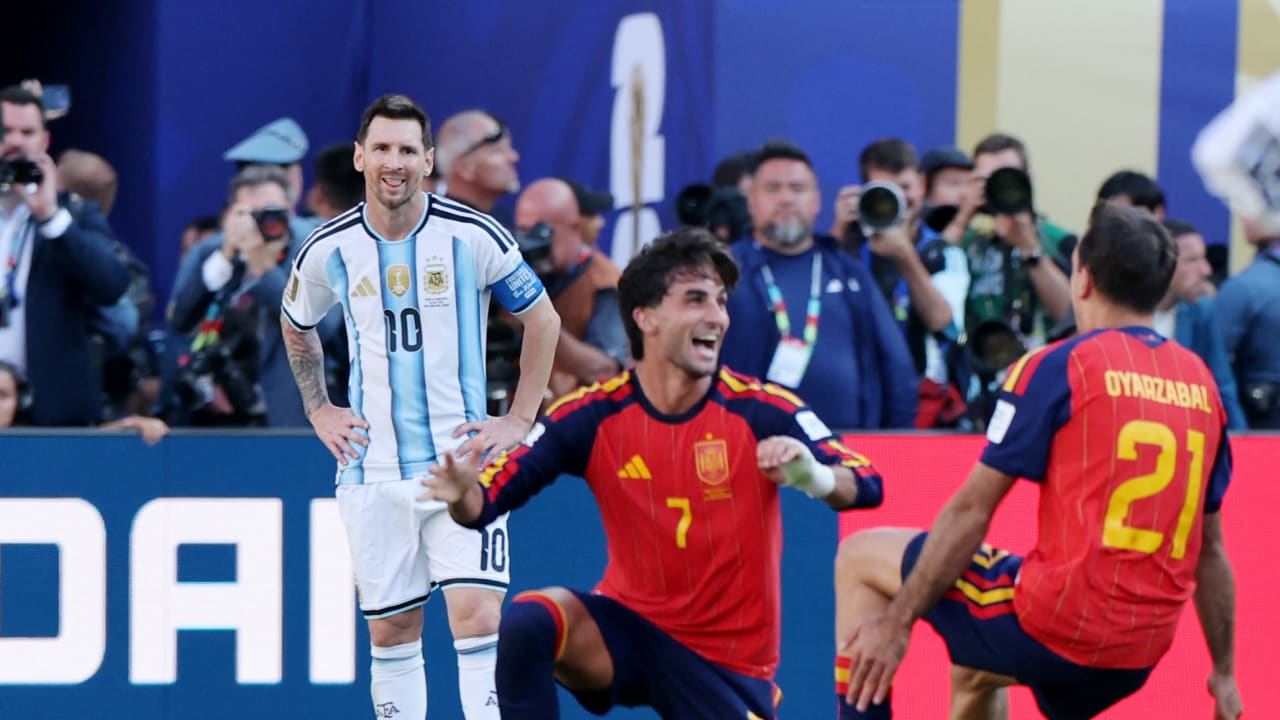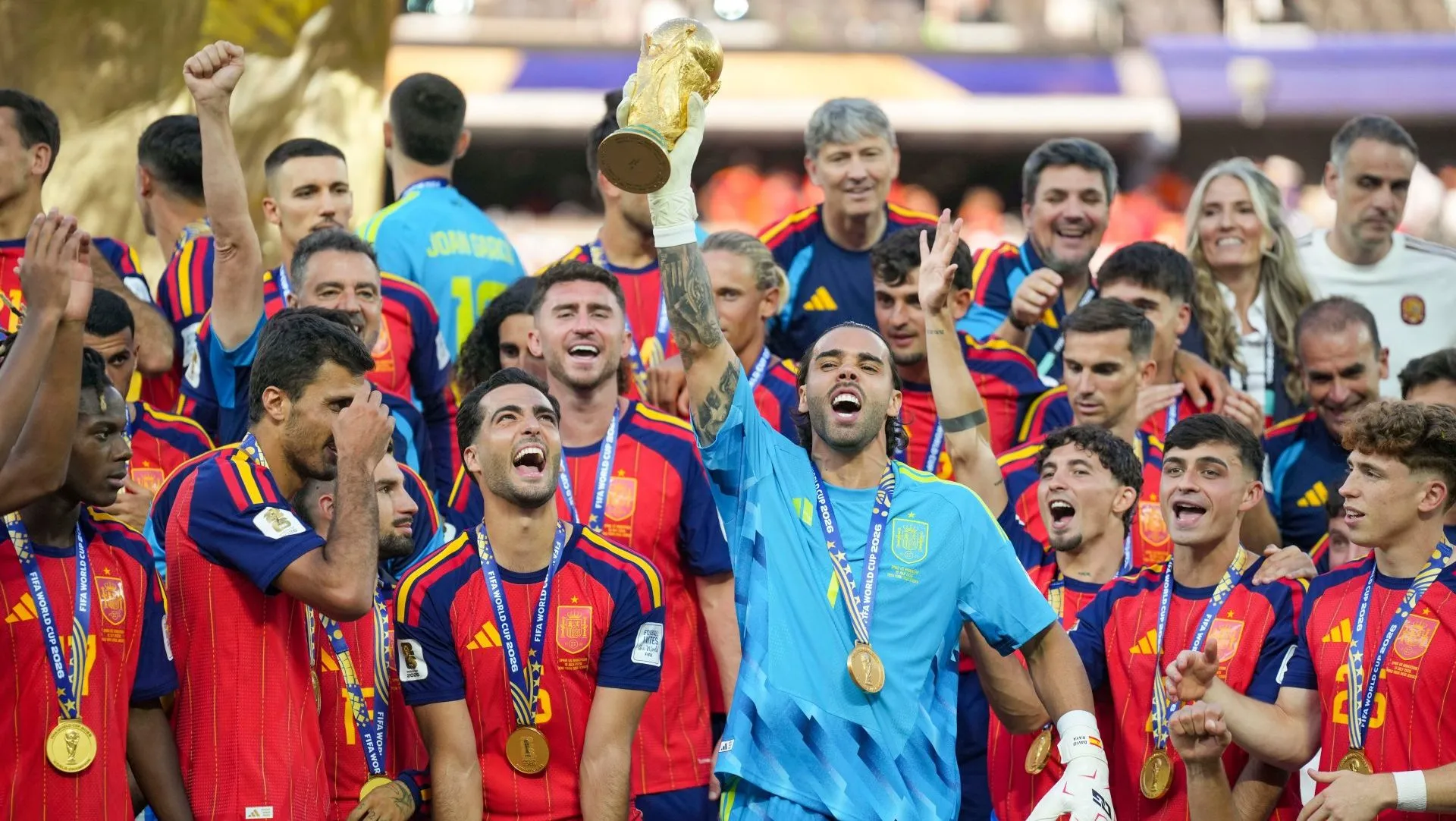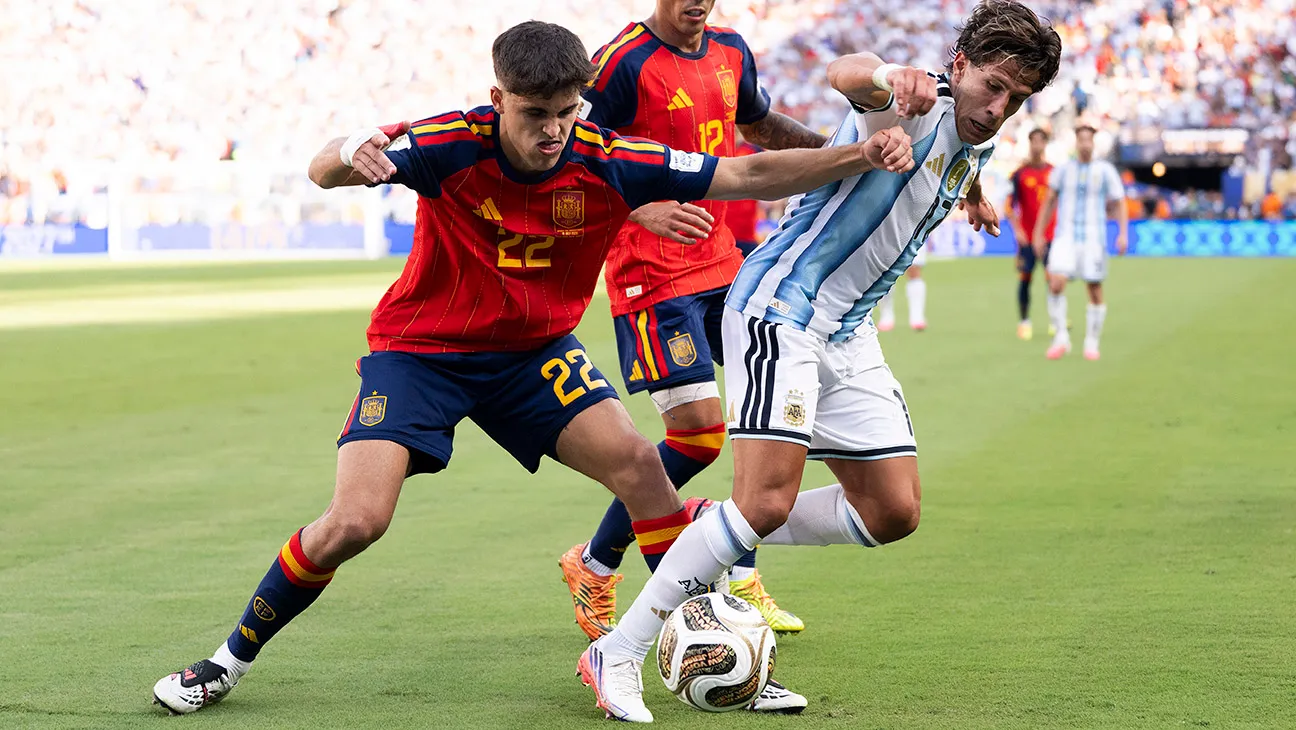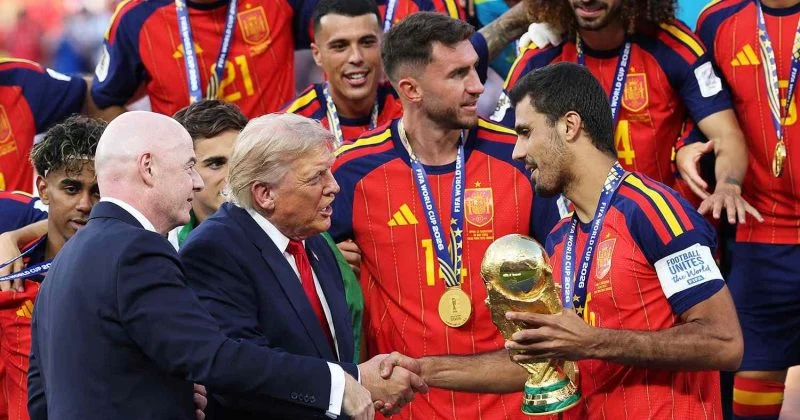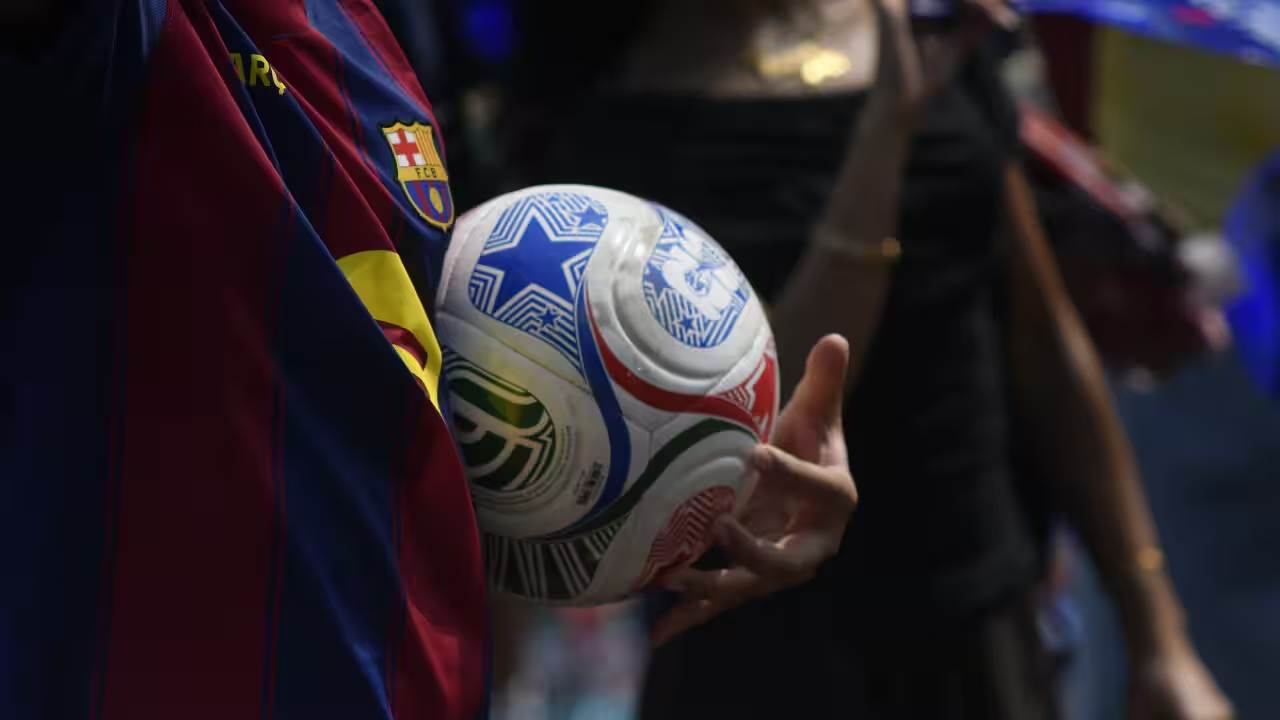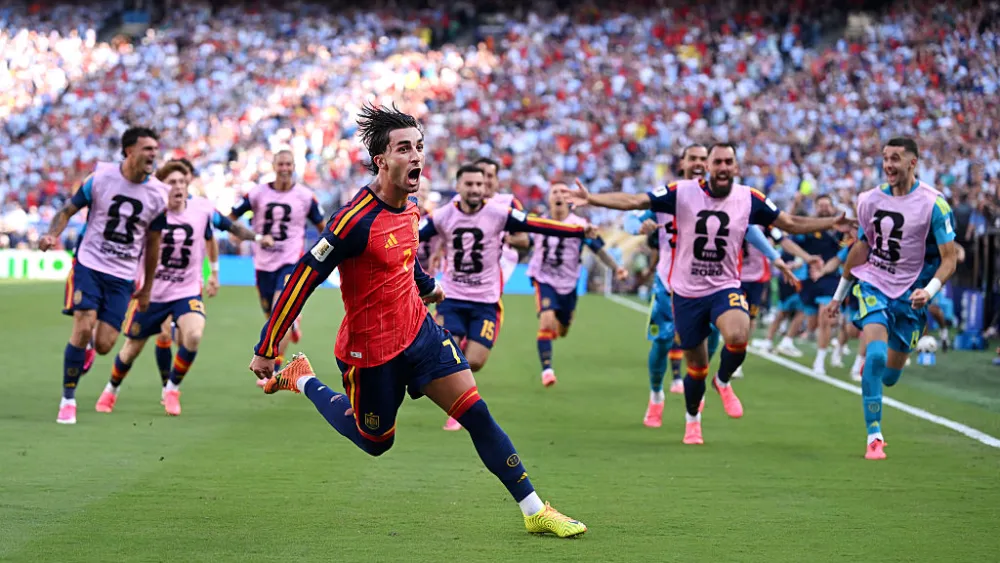
The 2026 FIFA World Cup once again demonstrated the value of home-team interest to broadcasters, with television audiences across Europe skyrocketing when national teams were still alive in the tournament before declining after their elimination. Yet, fans still turned up in force for the July 19 final opposing Spain to Argentina, proving that while national pride drives the biggest spikes, a good World Cup can stand on its own as not just a powerful live television event, but a cultural one as well.
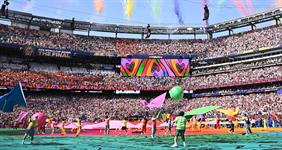
The match attracted a raft of stars, including Justin Bieber, who performed at halftime, Beyoncé and Jay-Z, Rihanna and A$AP Rocky, Timothée Chalamet with his father Marc and girlfriend Kylie Jenner, Tom Cruise, Javier Bardem and Penelope Cruz, David and Victoria Beckham, Serena Williams, Tom Brady, Carlos Alcaraz, Ronaldo and Ronaldinho, underscoring the World Cup’s reach beyond sport.
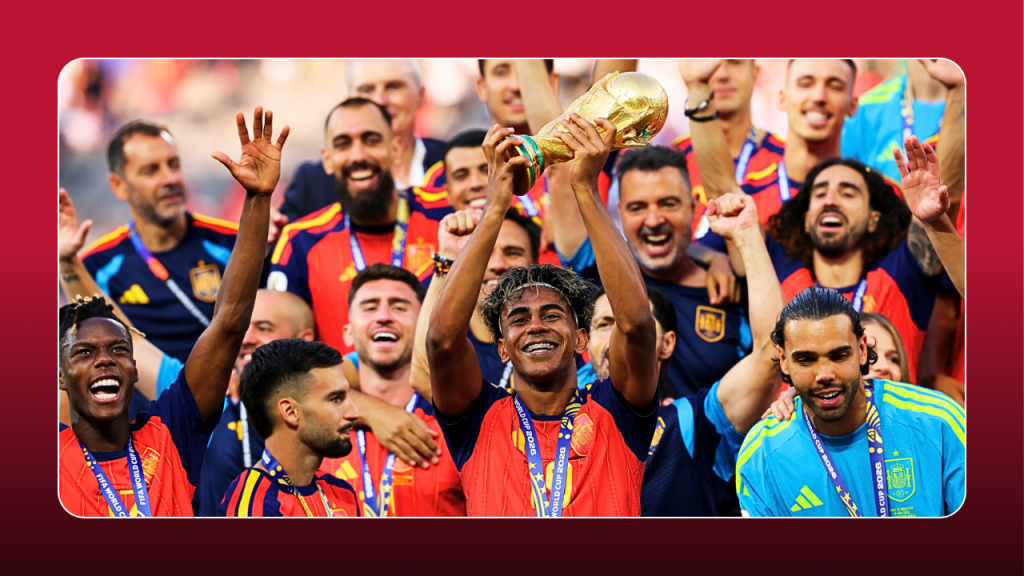
Spain, which won the World Cup 1-0, unsurprisingly delivered the tournament’s largest audience ever recorded in the country and the second-most-watched TV event in Spanish history, surpassed only by the penalty shootout in Spain’s Euro 2012 semi-final against Portugal.
As Spaniards around the country sat in anguish at Spain’s seeming inability to convert its slew of scoring chances in goals, the final averaged 15.7 million viewers and an extraordinary 87.1% audience share across RTVE’s La 1, regional broadcaster 3Cat, La 2 and DAZN, reaching a cumulative 20.1 million people.