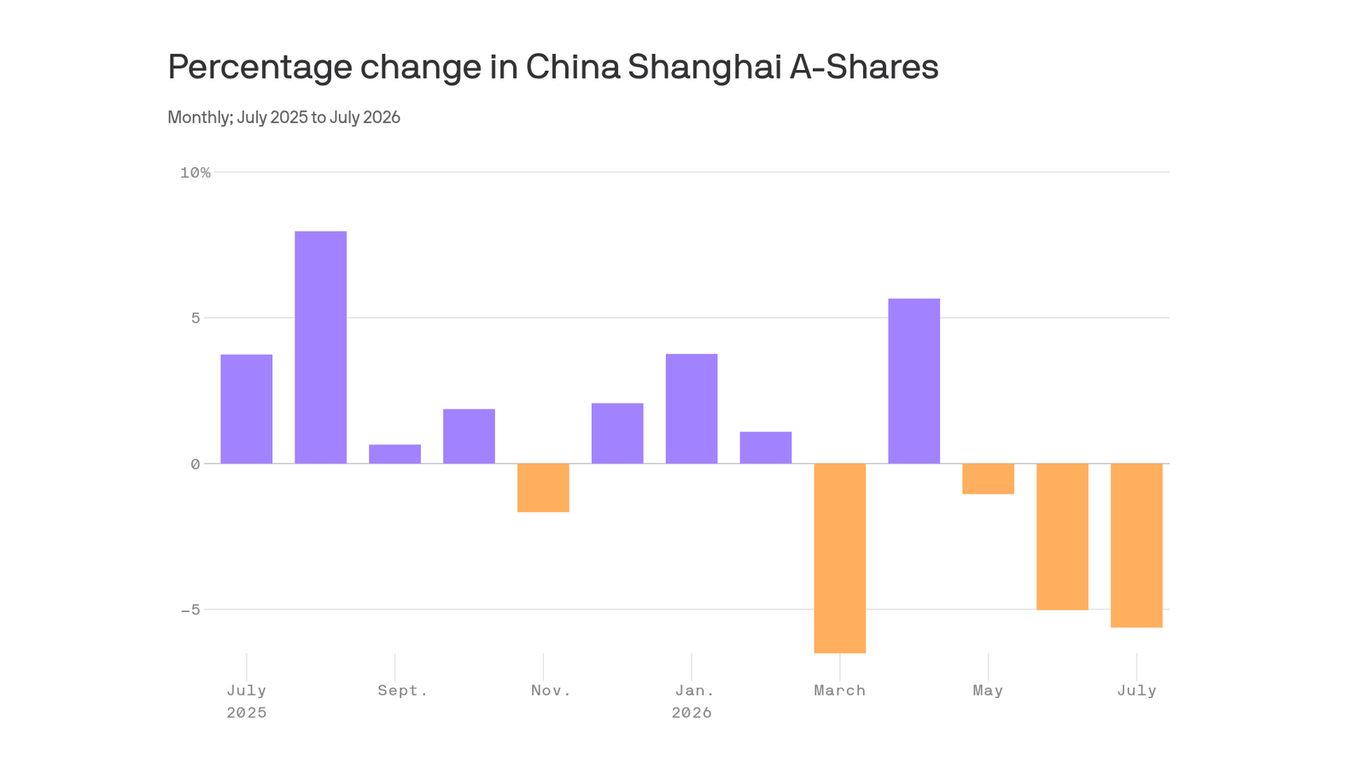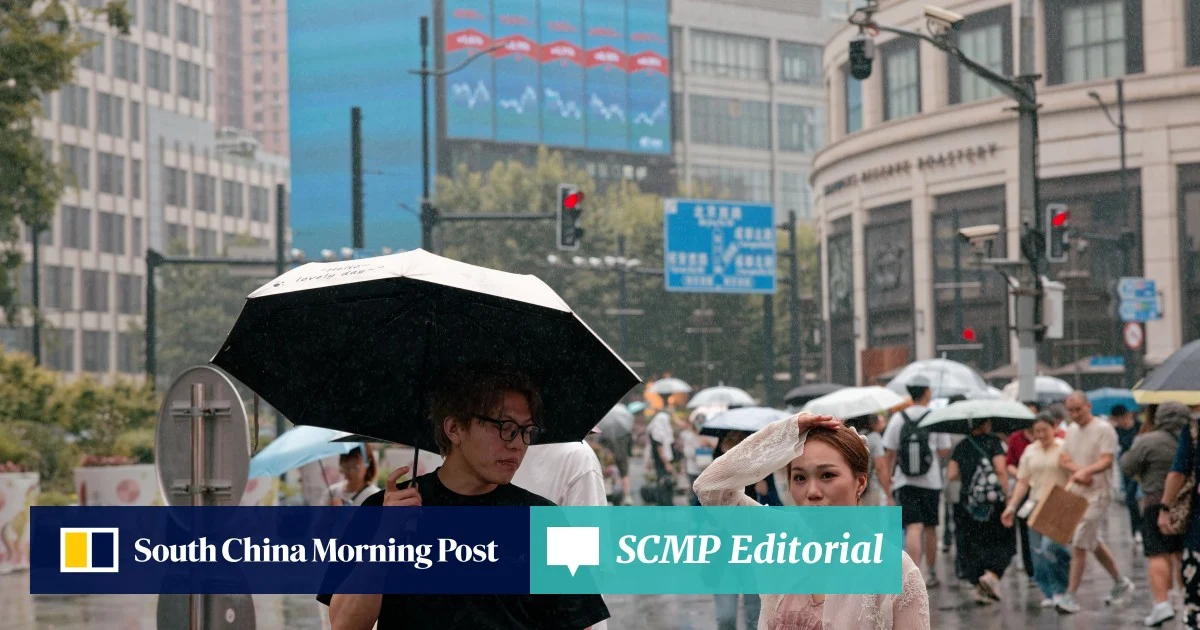
When Chinese equities start bleeding, Beijing doesn’t just watch. It opens the checkbook.
The national team takes the field, again
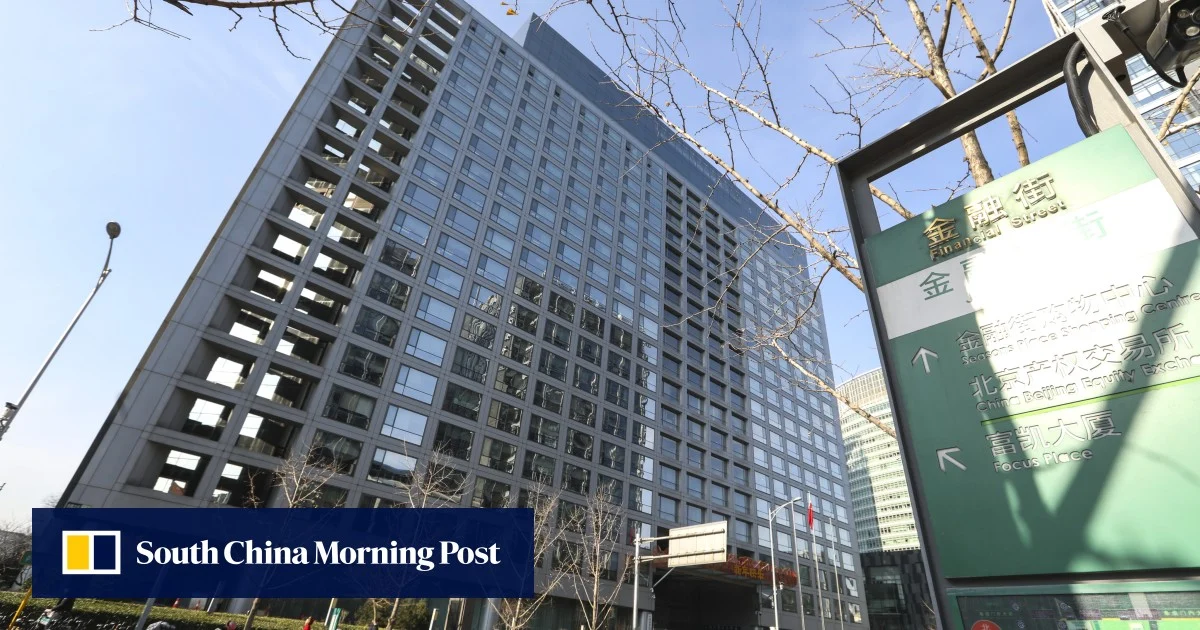
Central Huijin Investment, one of Beijing’s primary market stabilization vehicles, announced it is increasing its A-share holdings to serve as what it calls “patient capital and long-term capital.”
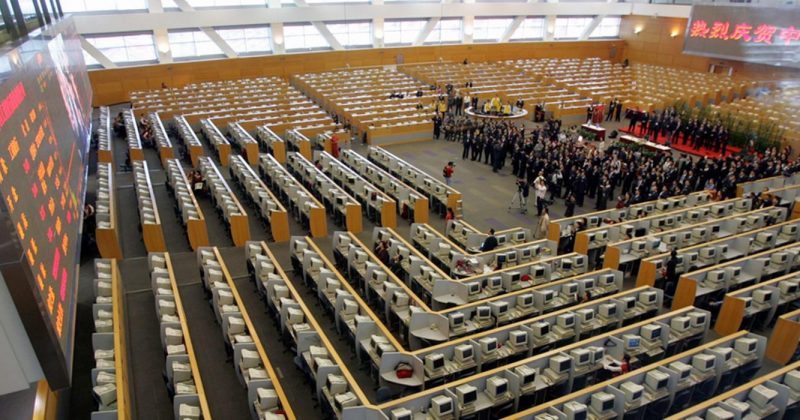
This is a move straight from the 2015 playbook. During the market turmoil of that year, a coalition of state entities, often referred to as the “national team,” stepped in with enormous firepower. China Securities Finance Corp and Central Huijin acquired stakes in over 1,000 companies, spending an estimated RMB 1.6 trillion (roughly $220 billion at the time).
By the end of Q3 2015, those holdings represented about 4.3% of the entire market capitalization of domestically listed firms. Historical analysis shows those interventions reduced stock price volatility by approximately 3.45% on average for targeted shares, a stabilizing effect that persisted at least through 2017.