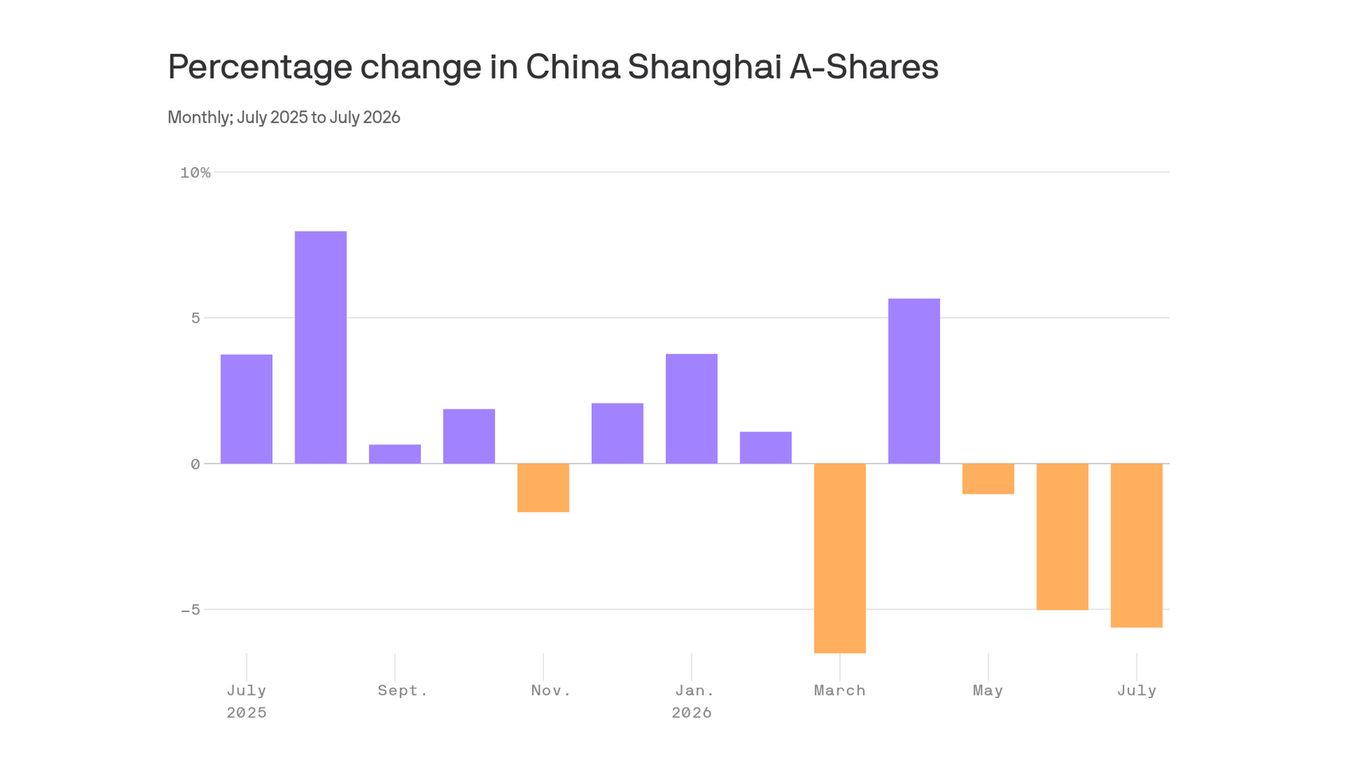
China’s so-called “national team” has purchased roughly $9 billion worth of shares in the latest round of state-backed market intervention.
How Beijing’s market stabilization machine works
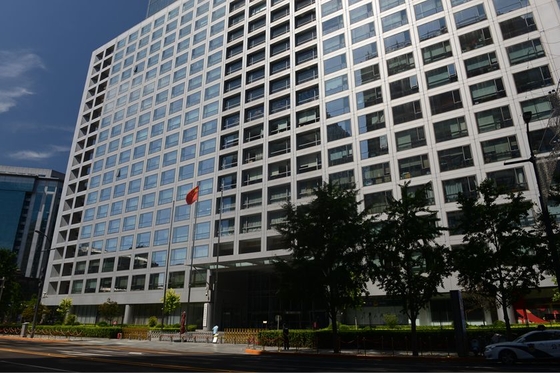
The “national team” is a collection of state-backed entities, most prominently Central Huijin Investment, along with various government-linked funds that intervene in domestic equity markets to cushion price drops. The strategy has been a go-to move since the 2015 Chinese stock market crash, when authorities first deployed it at scale to prevent a full-blown financial crisis.
When markets sell off hard, these entities step in and buy shares, primarily through ETFs tracking major indices like the CSI 300. In the first two months of 2024, the national team bought a net 410 billion yuan, roughly $57 billion, in ETFs, according to UBS analysis. About 76% of that was allocated to CSI 300 trackers.
State-backed purchases hit approximately $17 billion into blue-chip index funds during January 2024 alone, during a significant market sell-off that saw Chinese equities crater on concerns about deflation, a property sector in crisis, and capital flight.