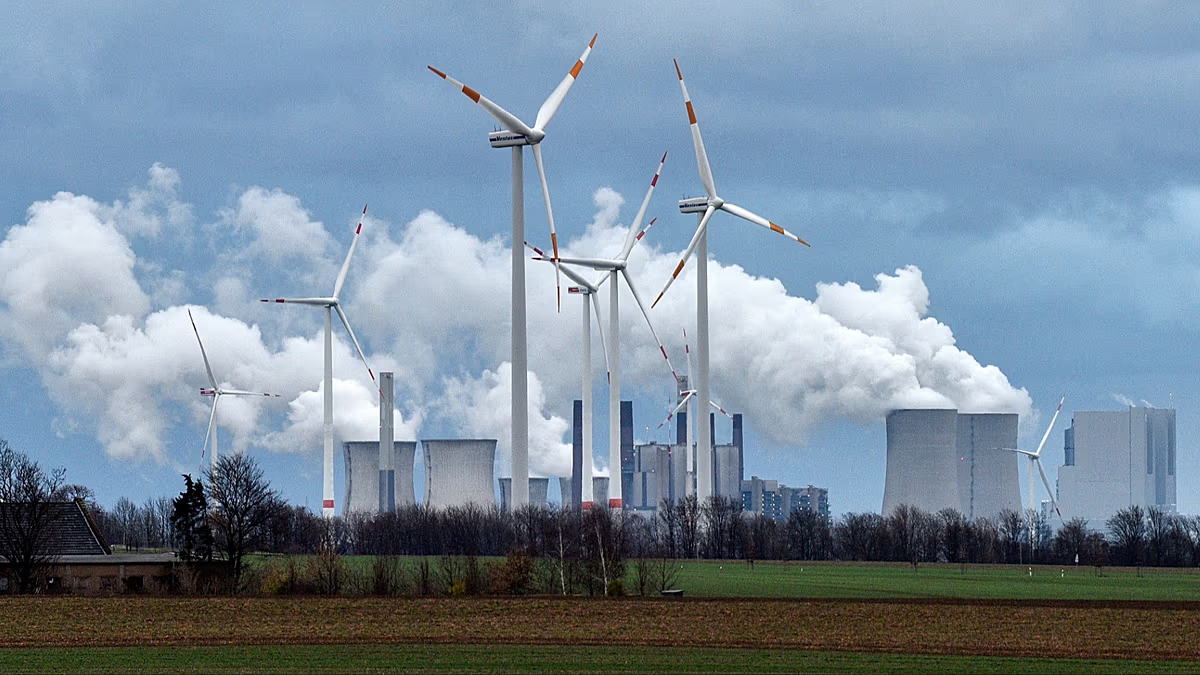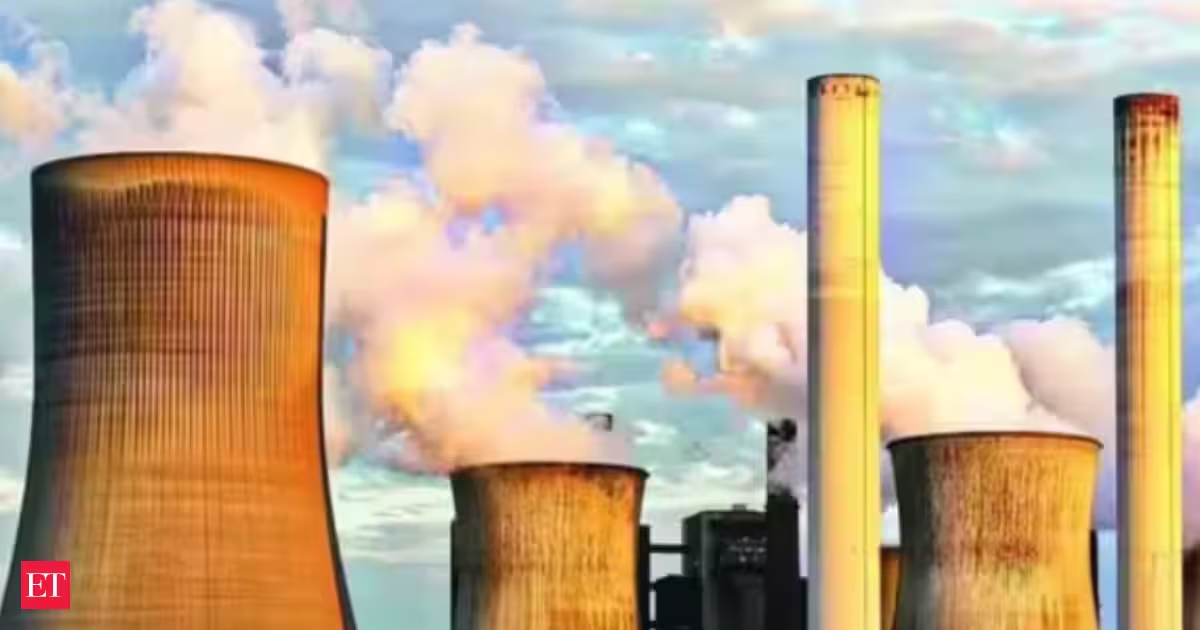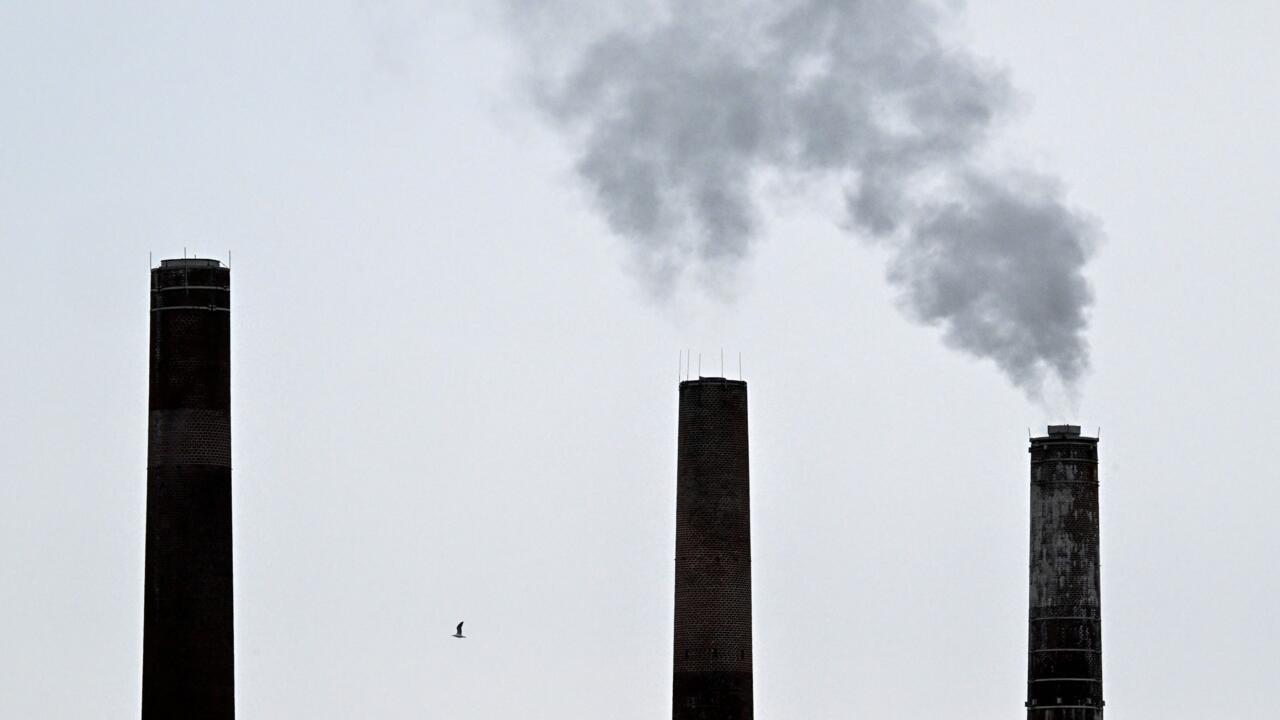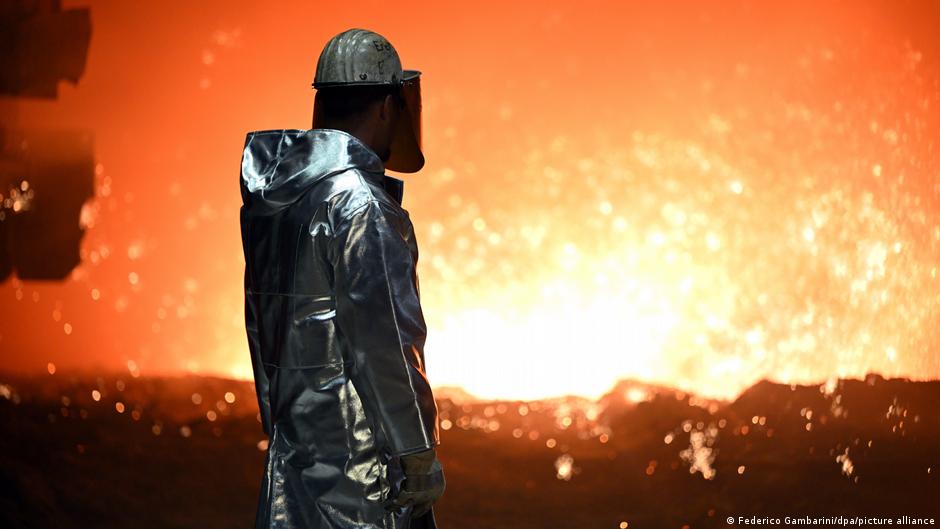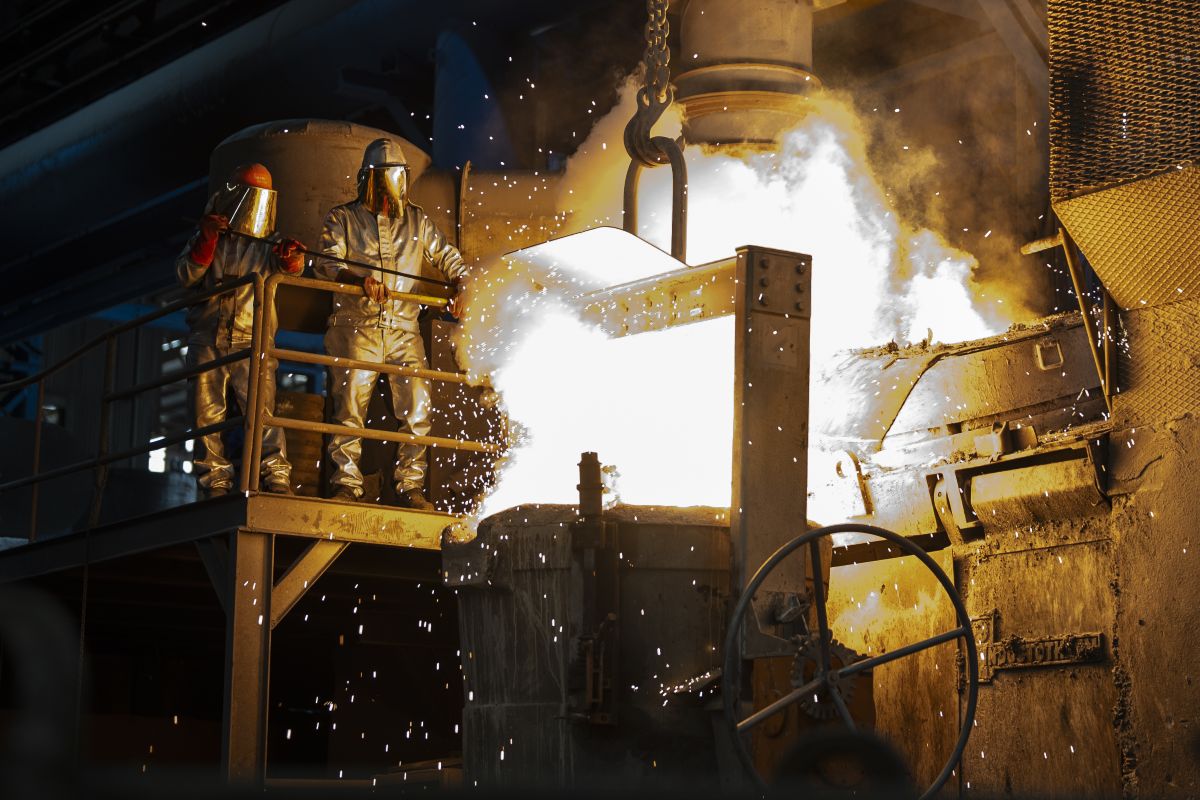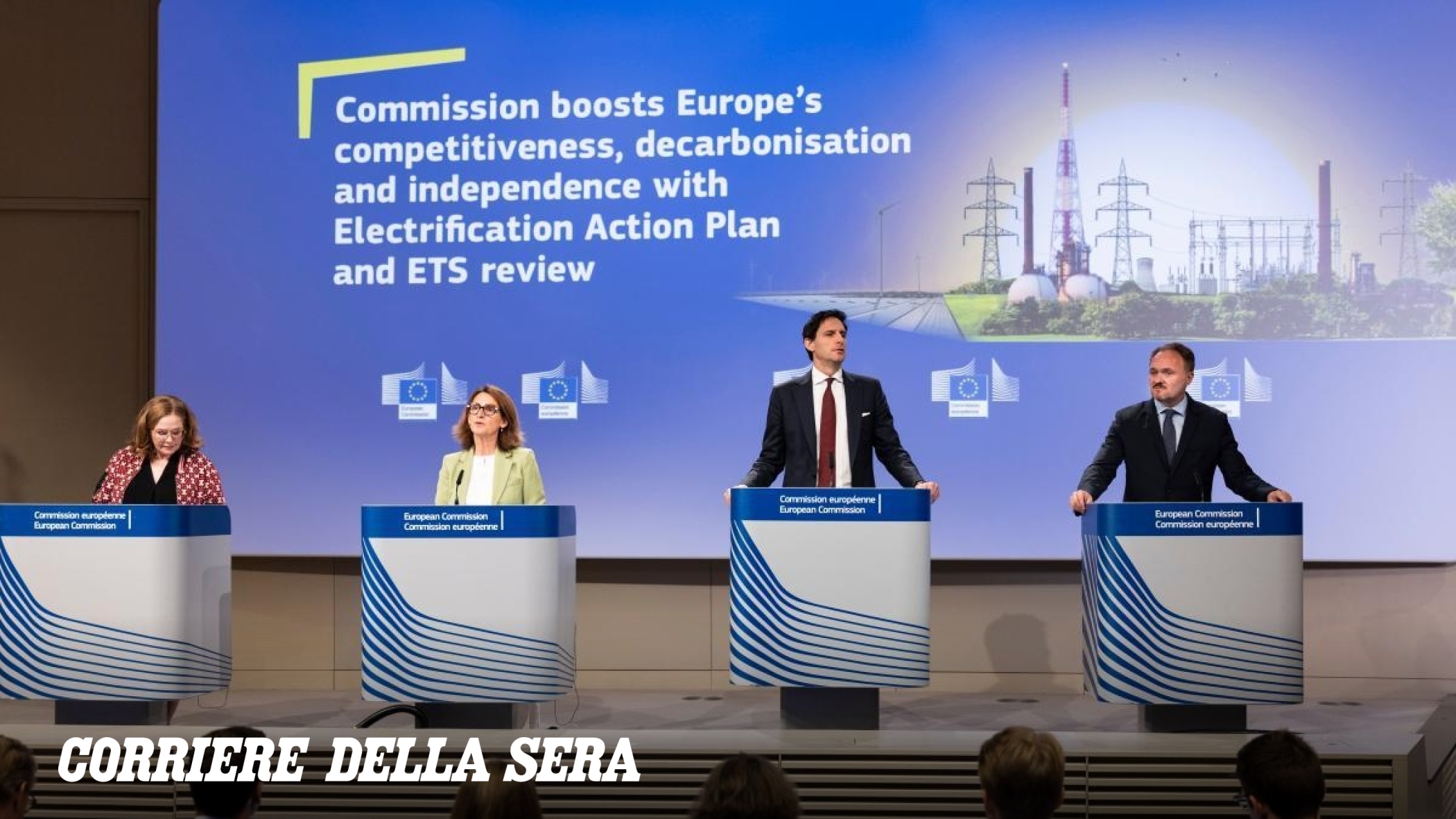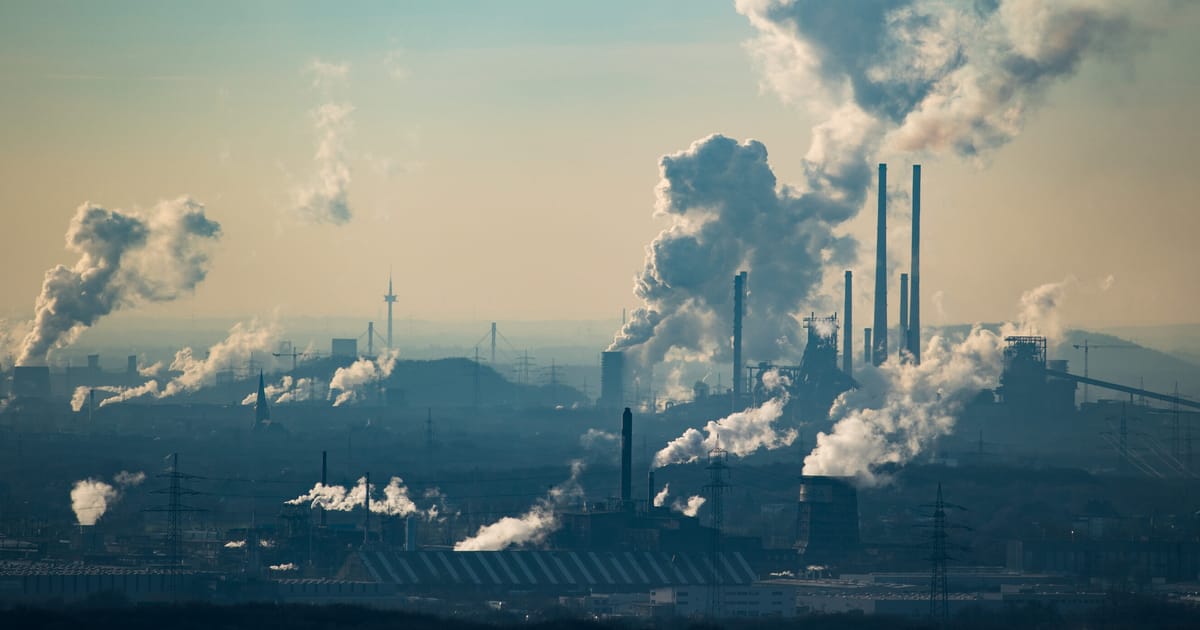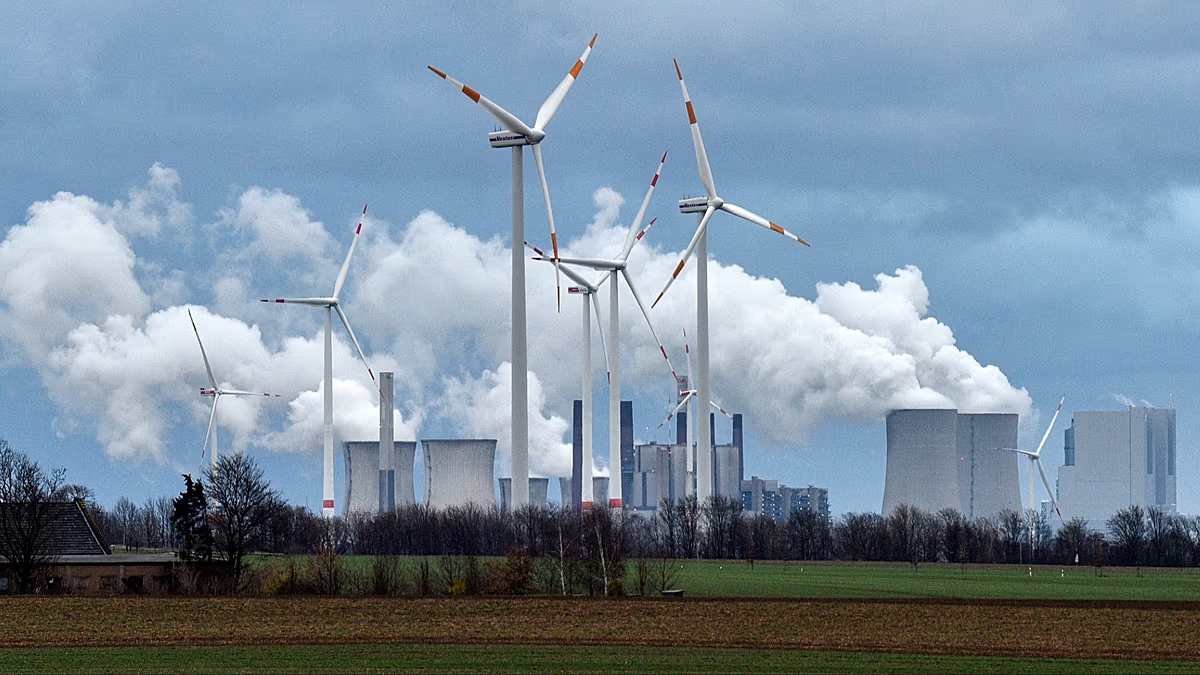
The European Union has unveiled a controversial shake-up of its flagship climate policy that could put the brakes on cuts to greenhouse gas emissions.
Since launching in 2005, the bloc’s emissions trading system (ETS) has generated more than €270 billion in revenue. This has been invested in innovation, industrial decarbonisation and the modernisation of Europe’s energy system. It has also helped Europe cut emissions by 50 per cent in the sectors it covers.
However, last week (17 July) the commission argued that the “geopolitical and economic context” has changed, putting EU industry under “increased pressure”. As a result, it has proposed relaxing rules to allow businesses more time to reduce their carbon output.
How does the ETS work?
The ETS requires Europe’s industries and power plants to buy a permit, or allowance, for every tonne of carbon dioxide they emit, to incentivise the transition to cleaner technologies.