The EU yesterday unveiled reforms of its carbon market, after fierce wrangling between countries, industry and activists over the pace of the bloc’s climate push.Brussels has been under intense pressure to overhaul the two-decade-old Emissions Trading System (ETS), as the 27-nation EU seeks to shore up industry while tackling high energy costs.In the face of the spike in energy prices caused by the US-Iran war and the record heatwaves in Europe, advocates have been pushing for the EU to stick to its ambitious climate goals.
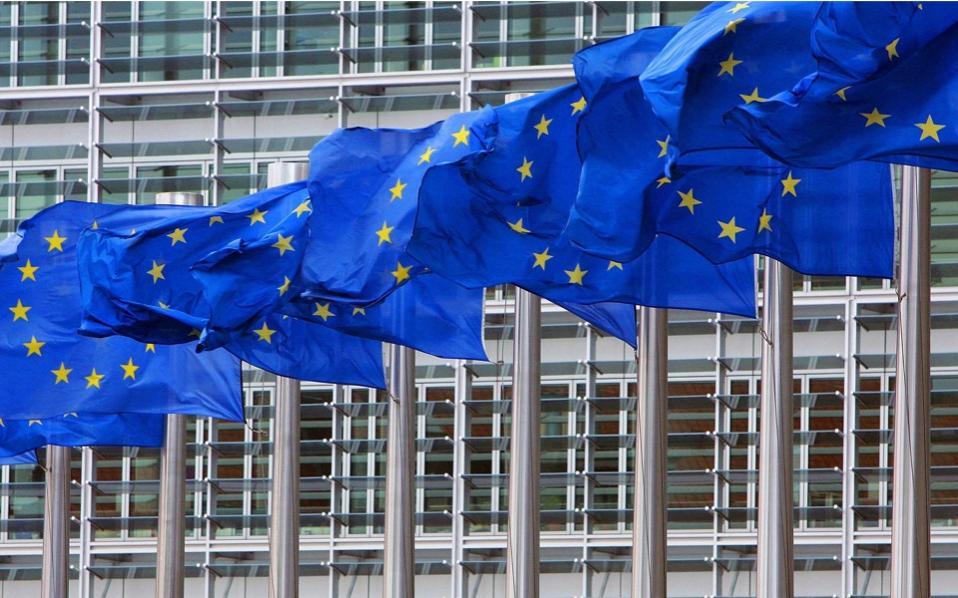
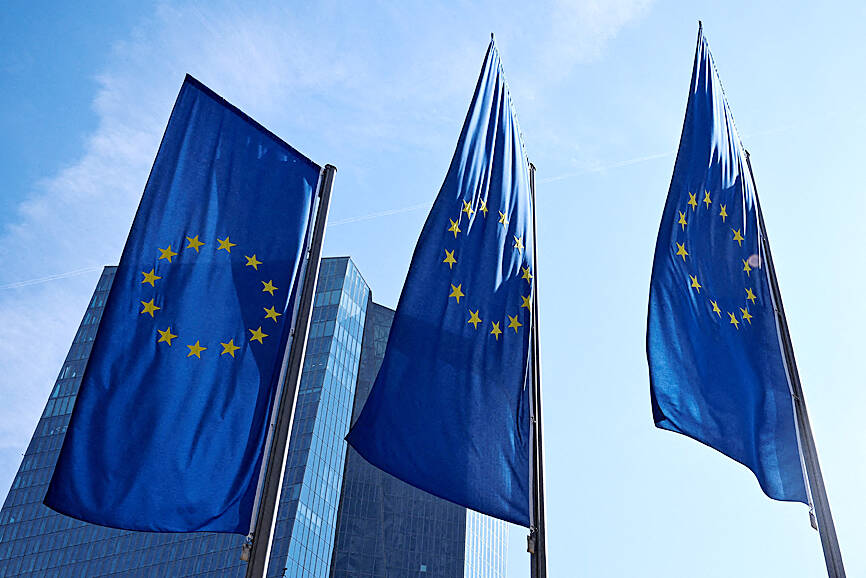
EU flags flutter outside the European Central Bank headquarters in Frankfurt, Germany, on March 19.
However, caught between the US and China, momentum has shifted to a more pro-business stance since the start of European Commission President Ursula von der Leyen’s second mandate in 2024 — prompting a rollback of environmental rules that marked her first term.In a bid to appease countries such as Italy, Poland and the Czech Republic, her executive looks set to grant companies extra wiggle room.
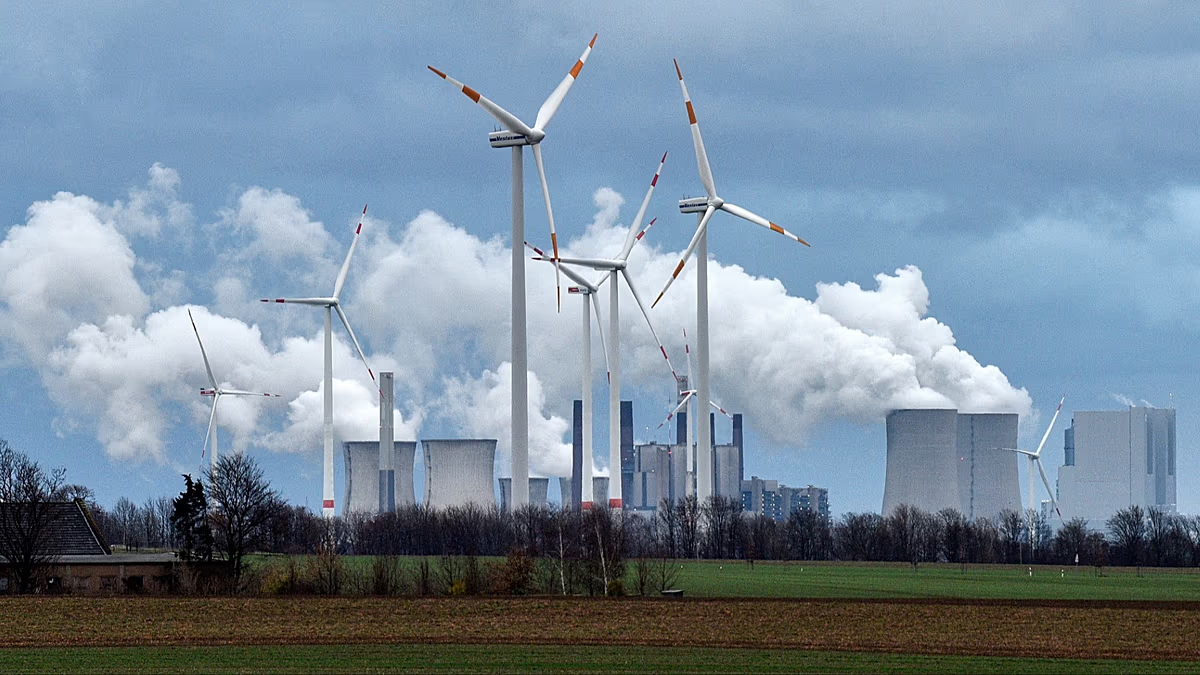
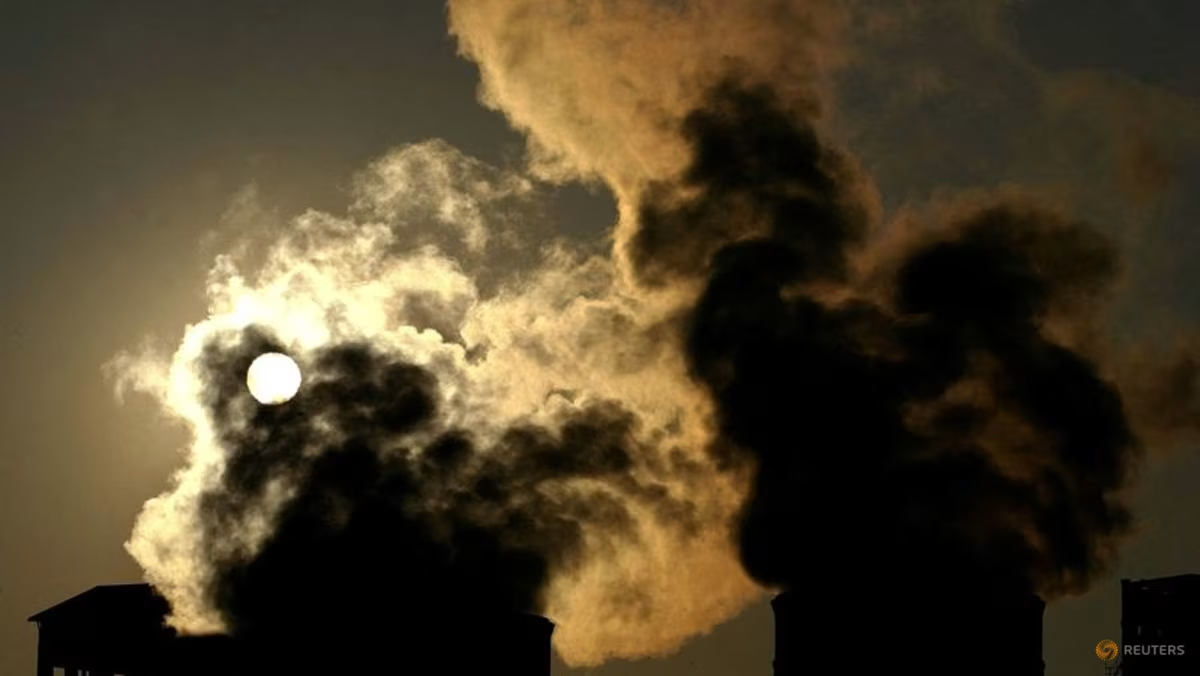
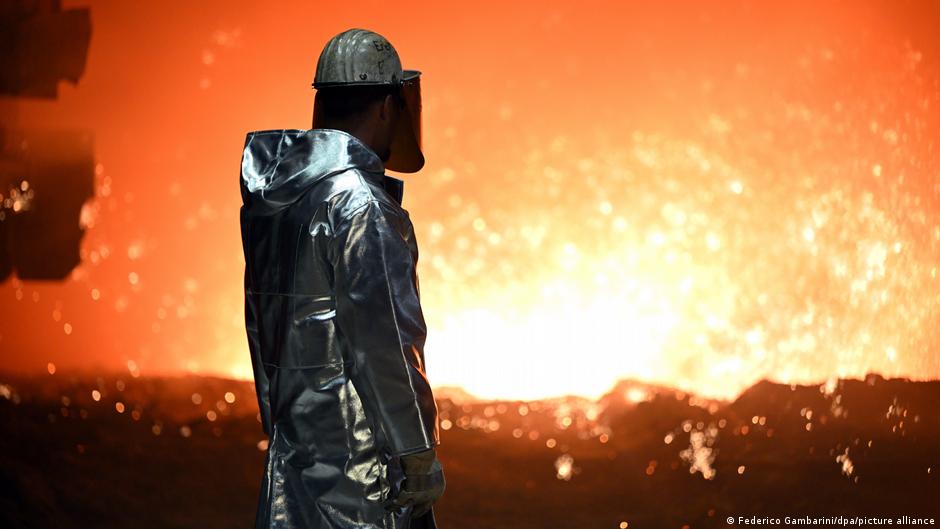
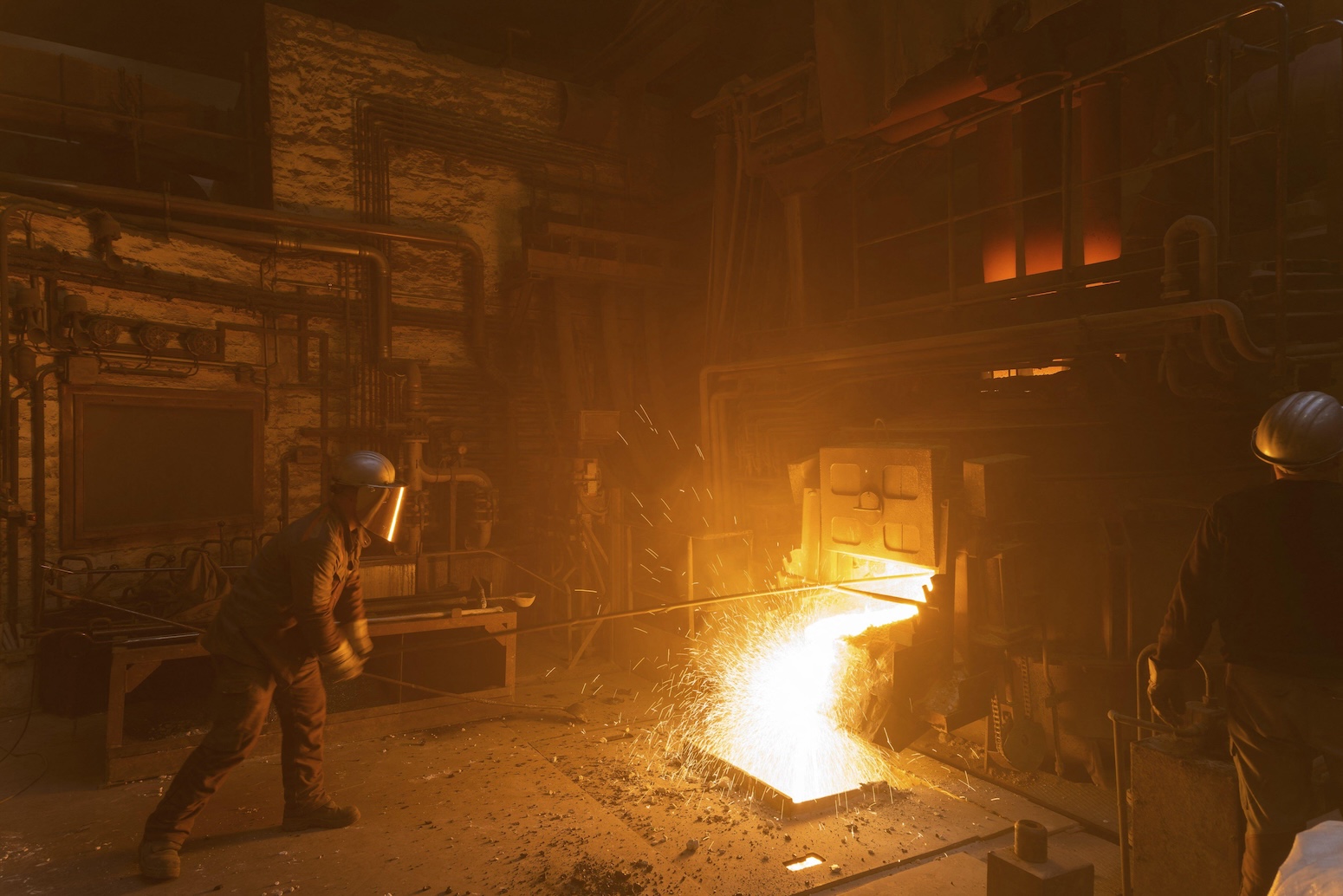
The ETS was already scheduled for review, but this month’s overhaul has become a political flashpoint pitching those carbon-intensive economies against the system’s defenders such as Spain and Scandinavian nations. Separately, the EU is also set to present a target for bolstering the use of clean electricity from renewable sources as opposed to fossil fuels by 2040, with electricity still representing only 23 percent of final energy consumption in the bloc. Since 2005, the EU’s carbon trading system has sought to tackle climate change by curbing pollution from power producers and energy-intensive industries such as steel, cement and chemicals.The ETS forces heavy polluters to pay for the greenhouse gases they emit, obliging them to buy allowances that are capped in number, sold in auctions and tradable.The price of a tonne of carbon dioxide varies, currently at about 80 euros (US$91.46), while the total number of permits shrinks over time to encourage emission cuts.To support the transition, companies receive some free allowances, but these are gradually reduced and were initially due to disappear by 2034.Now, the commission is expected to propose greater flexibility for industries, with conditions.That could mean free allowances being phased out more slowly and extended beyond 2034, provided companies commit to long term decarbonization.Brussels plans to push countries to channel revenues from the ETS into decarbonizing industry. The EU also has to decide whether to extend the scheme to cover the waste sector and international flights departing from the bloc — a move strongly opposed by airlines.Other sensitive topics are what role it determines carbon capture technology could play in businesses or whether they could acquire carbon credits from programs outside the EU that would be counted toward their emissions reductions.Accusing the ETS of pushing up electricity prices and symbolizing EU bureaucracy, large segments of European industries — notably Germany’s chemical sector — have turned on the carbon trading scheme and say it needs an overhaul. However, not all sectors are in favor of watering it down. “It is often the sectors that have invested very little” in decarbonization at the European level that are the most critical of the ETS, Strategic Perspectives ecological transition specialist Neil Makaroff said.“Conversely, other companies have chosen to invest heavily in Europe in decarbonization and electrification, in sectors such as steel, cement and glass,” he said. “For them, backtracking would mean losing their pioneering advantage.”