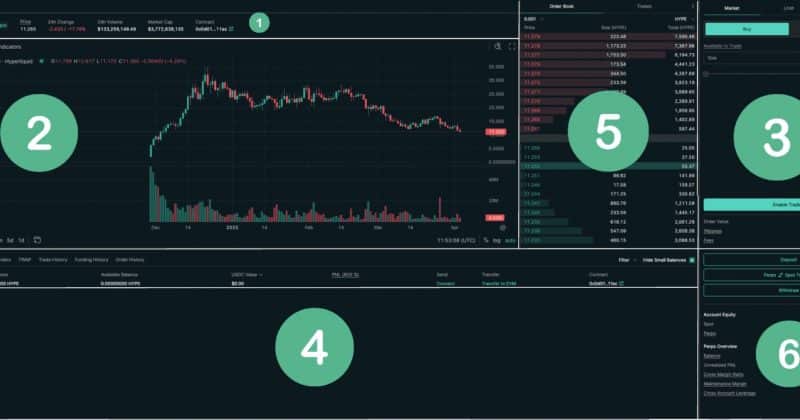
Hyperliquid is positioning itself as the default liquidity layer for AI agents and algorithmic systems. The play is simple on the surface: offer a single, unified feed of funding rates, open interest, and cross-venue exposure, so agents can make sharper risk assessments without stitching together data from a dozen different sources.
The platform computes funding rates hourly, capped at 4% per hour, with a 0.01% interest component factored in every 8 hours. That level of granularity matters for algorithmic systems that need precise, time-stamped inputs to model carry costs and position risk.
The infrastructure upgrade that makes this practical is the introduction of agent wallets, sometimes called API wallets. These allow bots and AI systems to execute trades directly without requiring withdrawal permissions. A trading agent can operate on Hyperliquid with meaningful autonomy without holding the keys to the full treasury. Hyperliquid’s architecture is also optimized for sub-second transaction finality, which for high-frequency or reactive trading strategies is the difference between a profitable trade and a missed one.
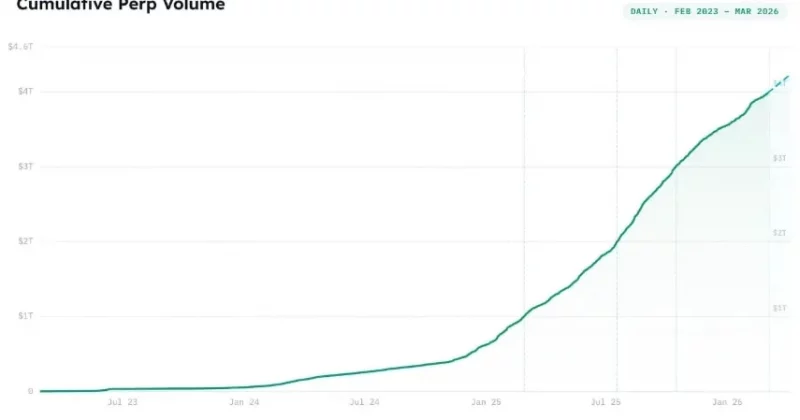
Hyperliquid’s open interest crossed $10 billion by mid-2026. HIP-3 markets, which allow permissionless deployment of new trading pairs including tokenized assets and pre-IPO exposure products, recorded roughly $3.69 billion in volume during the same mid-2026 period. The platform also points to trillions in cumulative trading volume as evidence that liquidity depth is genuine rather than manufactured.