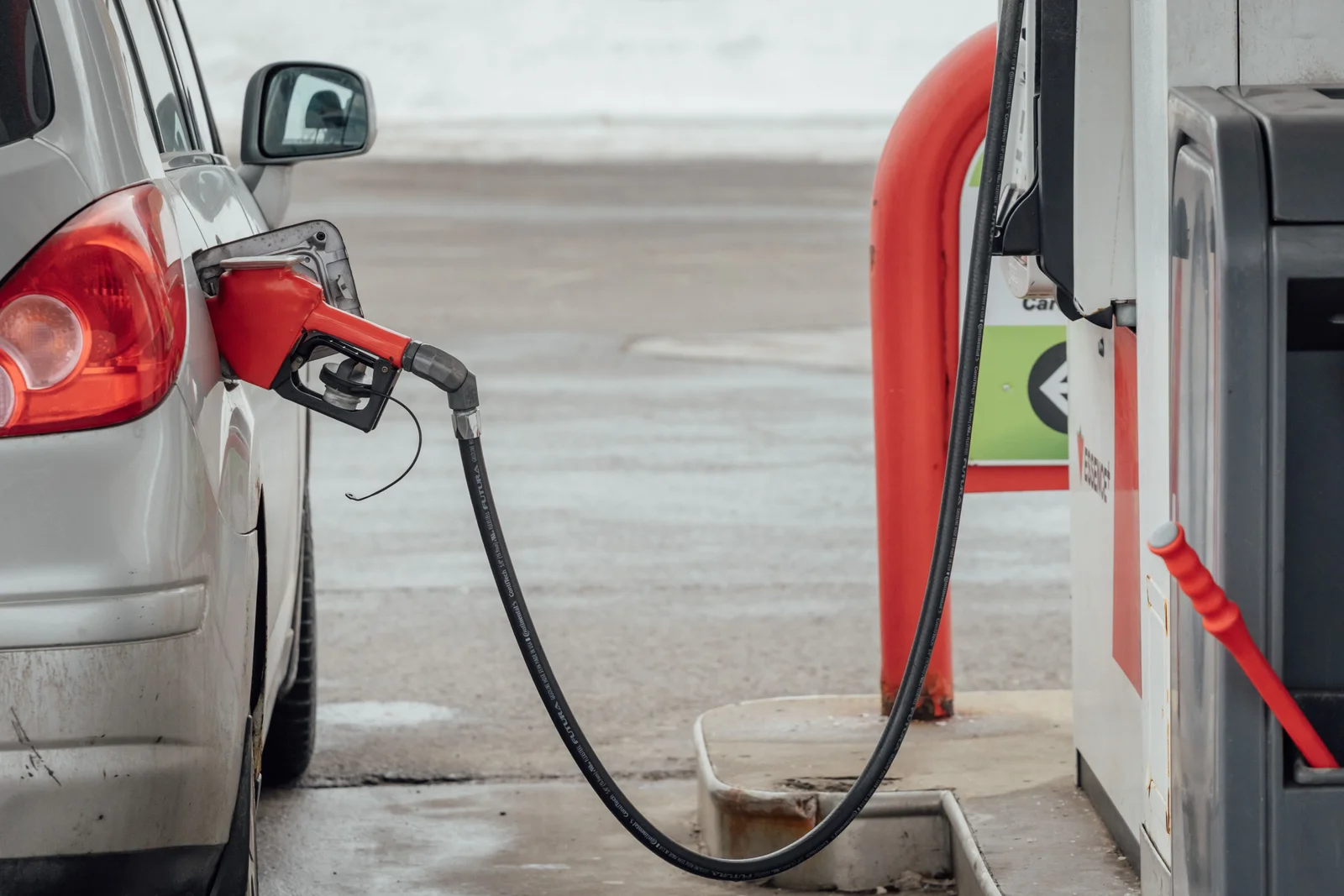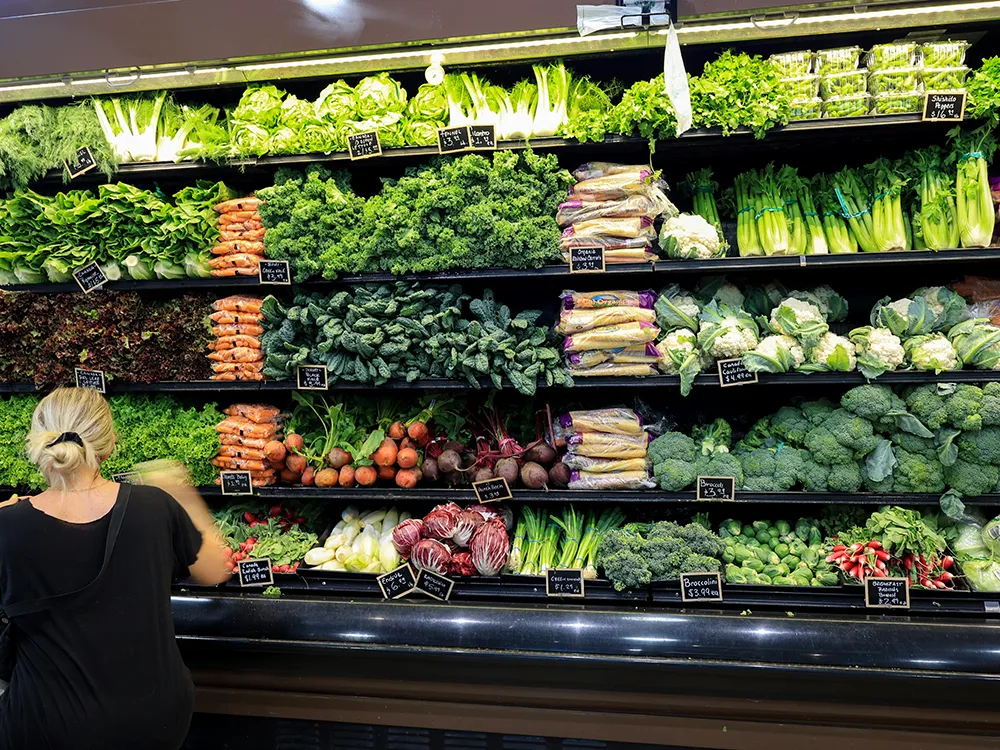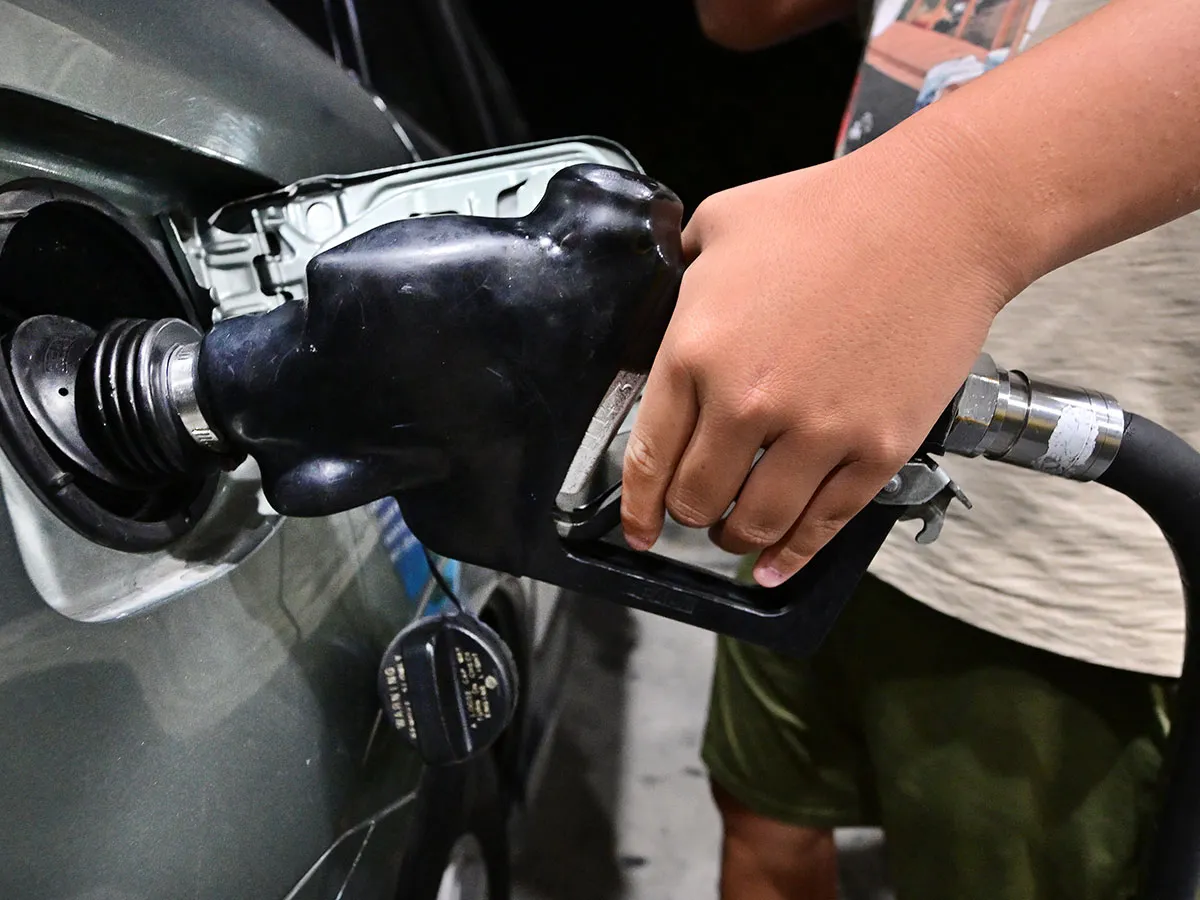
Skip to Content News Archives Economy Energy Oil & Gas Renewables Electric Vehicles Mining Commodities Agriculture Real Estate Mortgages Mortgage Rates Finance Banking Insurance Fintech Cryptocurrency Work Wealth Smart Money Wealth Management Investor Personal Finance Family Finance Retirement Taxes High Net Worth FP Comment Executive Women Puzzmo Newsletters Financial Times Business Essentials More Innovation Information Technology FP500 Podcasts Small Business Lives Told Tails Told Shopping Financial Post Store Obituaries Place a Notice Advertising Advertising With Us Advertising Solutions Postmedia Ad Manager Sponsorship Requests Classifieds Place a Classifieds ad Working Profile Settings My Subscriptions Saved Articles My Offers Newsletters Customer Service FAQ News Economy Energy Mining Real Estate Finance Work Wealth Investor FP Comment Executive Women Puzzmo Newsletters Financial Times Business Essentials HomeNewsEconomyInflation cools to 2.8% as Canadians get break from rising gas pricesFood price inflation outpaces headline inflation for the 17th month in a rowLast updated 3 days ago You can save this article by registering for free here. Or sign-in if you have an account.Gasoline prices dropped by 10.2 per cent in June, the largest monthly decline since April 2025. Photo by FREDERIC J. BROWN/AFP via Getty ImagesCanada’s inflation rate slowed to 2.8 per cent in June as falling gasoline prices gave consumers a break at the pumps.Subscribe now to read the latest news in your city and across Canada.Exclusive articles from Barbara Shecter, Joe O'Connor, Gabriel Friedman, and others.Daily content from Financial Times, the world's leading global business publication.Unlimited online access to read articles from Financial Post, National Post and 15 news sites across Canada with one account.National Post ePaper, an electronic replica of the print edition to view on any device, share and comment on.Daily puzzles, including the New York Times Crossword.Subscribe now to read the latest news in your city and across Canada.Exclusive articles from Barbara Shecter, Joe O'Connor, Gabriel Friedman and others.Daily content from Financial Times, the world's leading global business publication.Unlimited online access to read articles from Financial Post, National Post and 15 news sites across Canada with one account.National Post ePaper, an electronic replica of the print edition to view on any device, share and comment on.Daily puzzles, including the New York Times Crossword.Create an account or sign in to continue with your reading experience.Access articles from across Canada with one account.Share your thoughts and join the conversation in the comments.Enjoy additional articles per month.Get email updates from your favourite authors.Create an account or sign in to continue with your reading experience.Access articles from across Canada with one accountShare your thoughts and join the conversation in the commentsEnjoy additional articles per monthGet email updates from your favourite authorsSign In or Create an AccountorOn a monthly basis, gas prices dropped by 10.2 per cent, the largest monthly decline since April 2025, after an interim ceasefire agreement between the United States and Iran resulted in a drop in global oil prices.Gasoline prices were still up 20.5 per cent compared to the same month last year, but rose more slowly than the 33.2 per cent jump registered in May.Grocery inflation, meanwhile, decelerated in June, with prices rising by about 3.9 per cent compared with 4.3 per cent in May. The deceleration was driven by slower price growth in fresh fruit, mainly due to cheaper prices for grapes. Higher prices for chicken, bread and frozen foods offset part of that slowdown.SUBSCRIBER EXCLUSIVE: FP West: Energy Insider brings you behind the oilpatch’s closed doors with exclusive insights from insiders every Wednesday morning.By signing up you consent to receive the above newsletter from Postmedia Network Inc.A welcome email is on its way. If you don't see it, please check your junk folder.The next issue of FP West: Energy Insider will soon be in your inbox.We encountered an issue signing you up. Please try againDespite the deceleration, June marked the 17th consecutive month in which grocery price inflation outpaced overall inflation.Other items contributing to the deceleration in inflation included passenger vehicles, whose prices rose 1.9 per cent year-over-year in June compared with 2.5 per cent in May.Prices for travel-related services, however, rose after the FIFA World Cup kicked off. Traveller accommodation rose by 10.1 per cent year-over-year in June compared with a 2.5 per cent increase in May, driven by higher prices in Toronto and Vancouver as demand rose in host cities.Core inflation measures remained relatively stable, with trim and median hovering at just under two per cent on a yearly basis in June.Economists said June’s inflation rate was slightly cooler than the three per cent many expected, though most had forecast a decline.“Overall, this is very much an energy price story, but we saw broad-based deceleration of inflation in June. Most categories saw year-over-year price gains slow relative to May, and that’s pretty positive,” said Randall Bartlett, deputy chief economist at Desjardins Group.“It’s pretty good news for Canadian households when it comes to inflation in June.”Bartlett said there is a risk that a rebound in global oil prices after the U.S.-Iran ceasefire agreement collapsed could push the inflation rate back up in July if gas prices climb in response.However, he said core inflation continues to track “in the right direction,” which is welcome news for the Bank of Canada.“We’re not close to the peaks that we were at (at) the height of the conflict, and, arguably, we’re not likely to see the kind of inflation that we saw back in May,” Bartlett noted.“We’ve seen the Bank of Canada’s preferred measures of core inflation continue to track lower in June, and the three-month annualized rates slow even more sharply than the year-over-year numbers. While we could see a slight tick in July because of fuel prices, it could still be pretty positive news for policymakers.”Food inflation will still be a sticking point for most Canadian households, however, especially for low-income households that are disproportionately affected by rising costs.Abbey Xu, an economist for RBC Capital Markets, said raw commodities only represent a small portion of final food costs. Processing, labour and transportation costs are all factored into prices seen in the grocery store, and they remain some of the stickier components in the equation.“That sort of explains why food prices aren’t falling,” said Xu.“Lower-income households already spend a much higher share of income on food, which are considered essentials. It’s really hard to cut down on essential spending, and slow income growth creates squeezes which forces behavioural changes and drives up food bank usage as well.”Both economists noted that the latest Consumer Price Index data will likely not change the Bank of Canada’s economic outlook, and they expect the central bank to continue to hold interest rates until the end of the year.“We don’t think this report really changes our outlook for the Bank of Canada, and if anything, today’s report reinforces our view that the Bank of Canada can stay on hold because underlying inflation remains close to target,” Xu said. Join the Conversation This website uses cookies to personalize your content (including ads), and allows us to analyze our traffic. Read more about cookies here. By continuing to use our site, you agree to our Terms of Use and Privacy Policy.
Inflation cools to 2.8% as Canadians get break from rising gas prices
Canada's inflation rate slowed in June, as consumers got some relief from higher gas prices over the month. Read more
1,182 words~5 min read