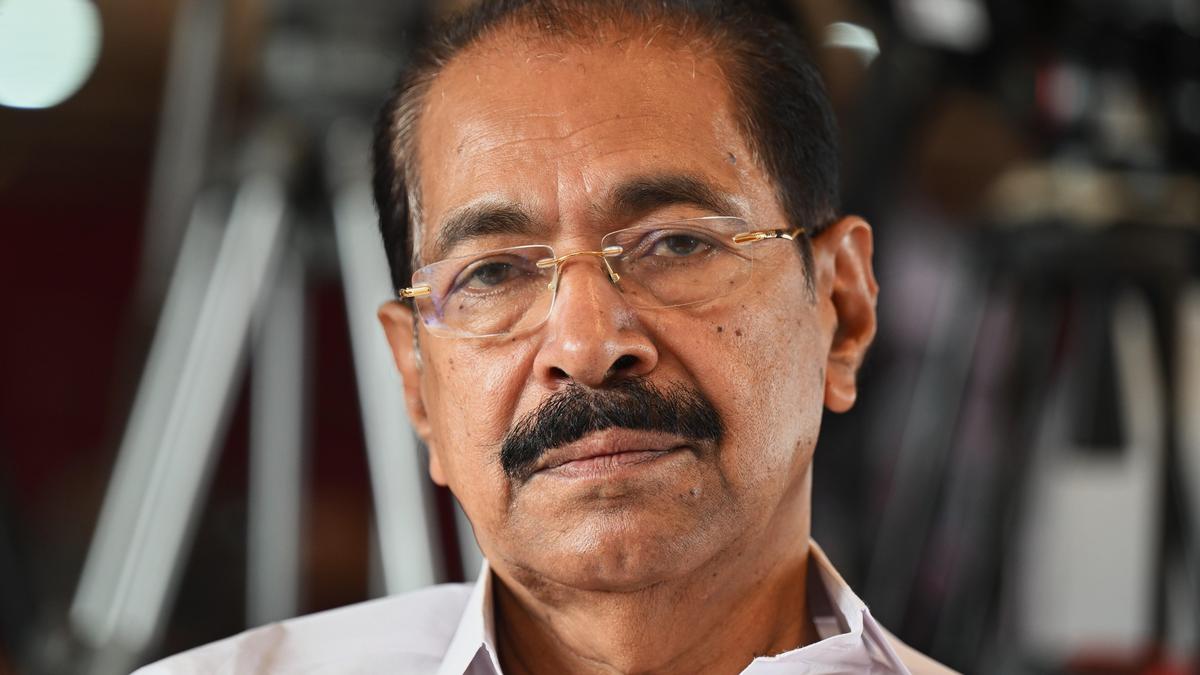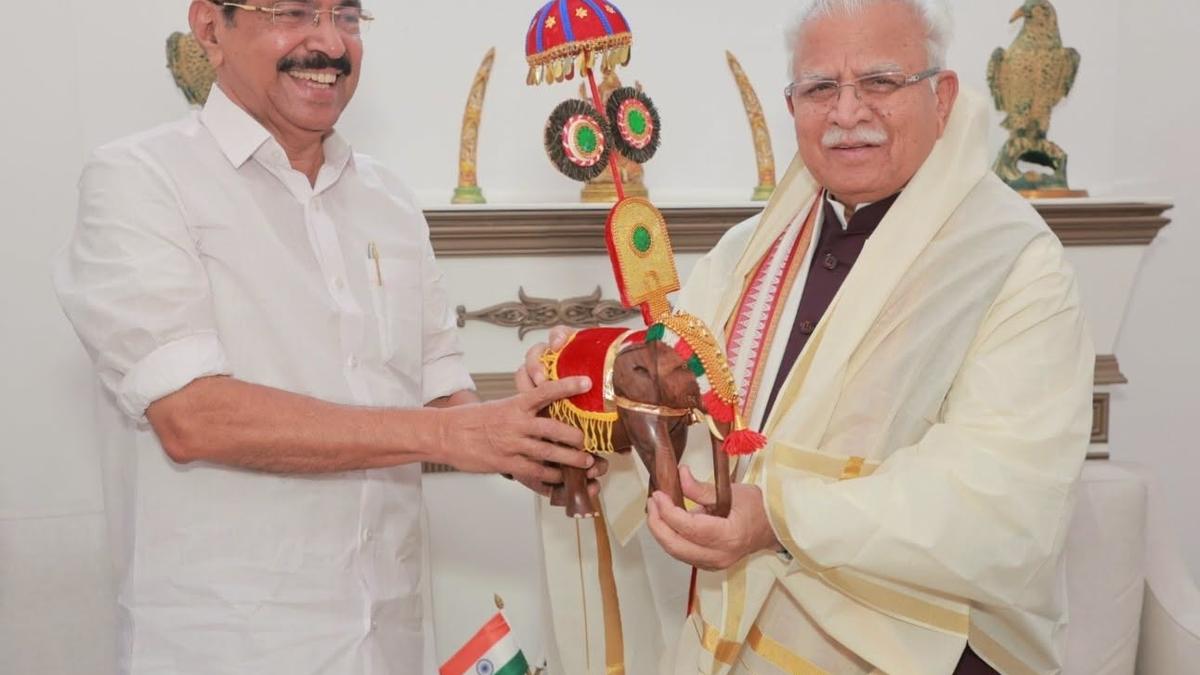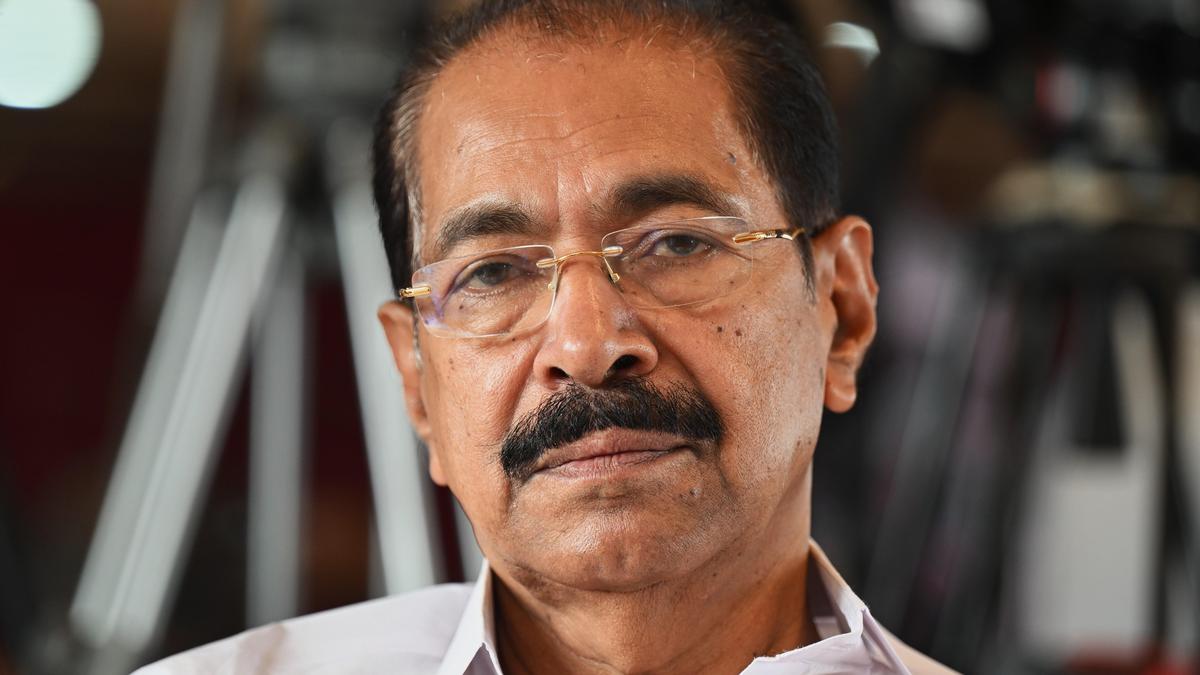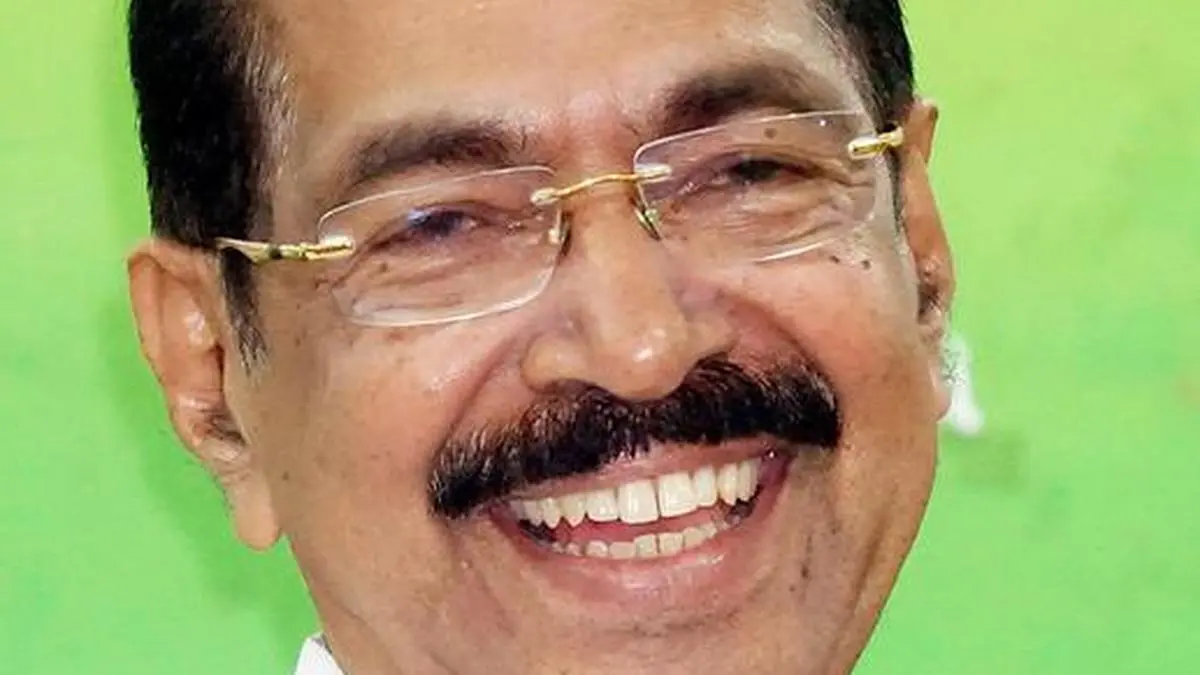
Kerala Minister Sunny Joseph
| Photo Credit:
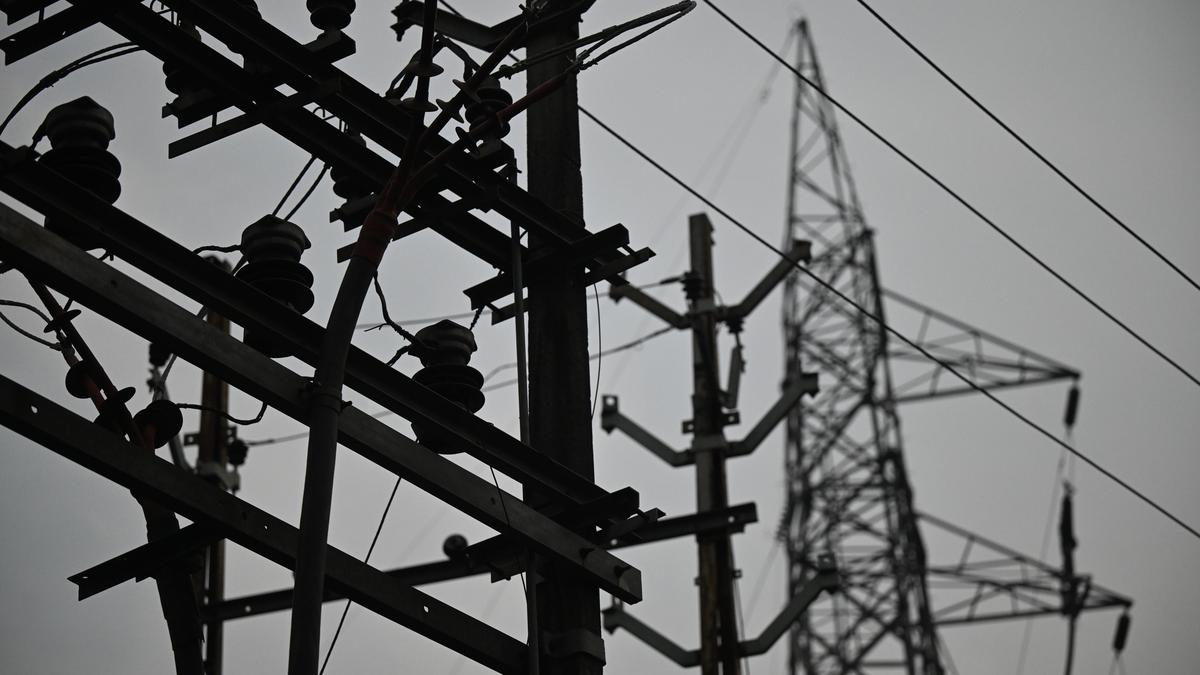
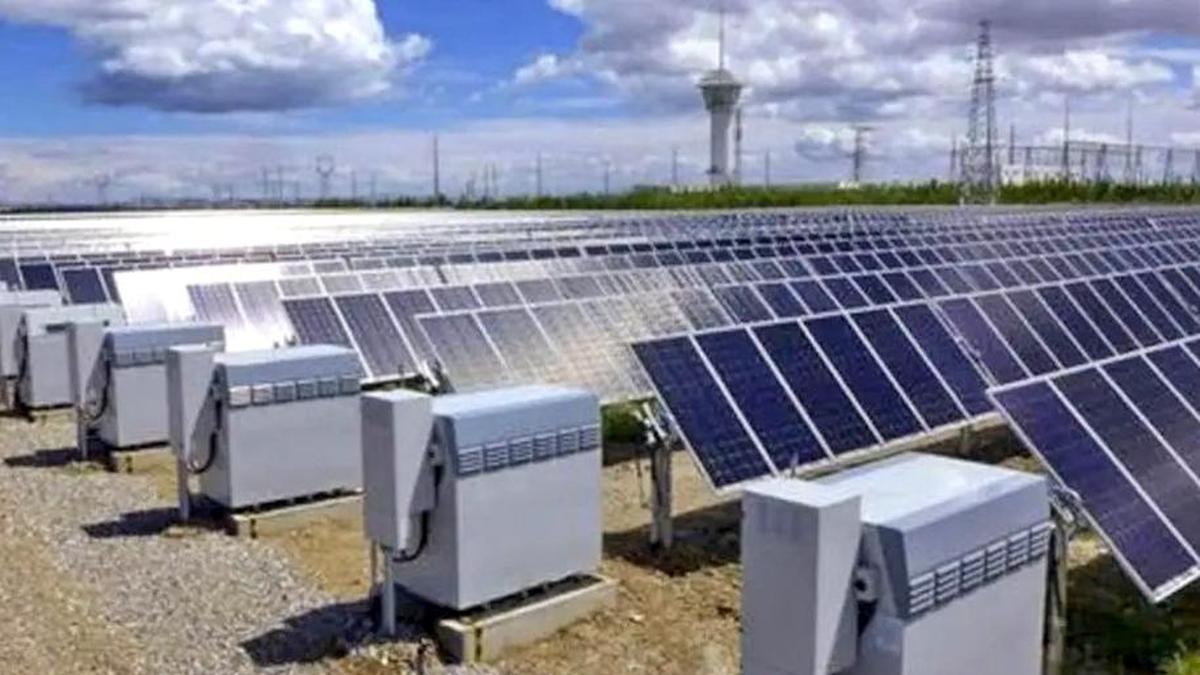
Kerala Minister Sunny Joseph on Monday said the government was planning to roll out panchayat-level BESS as part of a long-term strategy to strengthen the state’s energy security.The move comes amid rising power demand and declining hydel generation.Speaking to reporters here, Joseph said the government and the Kerala State Electricity Board were working on both immediate and long-term measures to address the power shortage.“We are trying to minimise power regulation. Solar power is abundant during the daytime and is sometimes available at extremely low prices. But at night, the price goes up to around Rs 10 per unit, and even then it is not always available,” the state energy minister said.Describing Battery Energy Storage Systems as crucial to Kerala’s future energy security, Joseph said storing surplus solar power generated during the day for use at night was the only viable long-term solution.“The only long-term solution is to store the solar power generated during the day and use it at night. Along with that, Kerala has to seriously consider other power generation projects,” he said.The minister said the government was planning to introduce community battery storage systems across the state.“We intend to establish Battery Energy Storage Systems at the panchayat level through community battery projects. These projects will be implemented through a transparent tendering process,” he said.Rising demand and lower hydel output strain power supplyReplying to questions on the state’s electricity situation, Joseph said Kerala’s peak power demand had increased by nearly 1,000 MW compared with last year because of the growing use of electric vehicles, air conditioners, new houses and commercial establishments, while hydel power generation had declined sharply due to poor rainfall.“The water level in hydel reservoirs has declined significantly. If Idukki had around 60 per cent storage at this time last year, it has now fallen below 30 per cent. Power generation has declined while demand has increased by nearly 1,000 MW,” he said.He claimed that a long-term power purchase agreement signed during the Oommen Chandy government by then Power Minister Aryadan Muhammed, under which Kerala would have received an additional 465 MW of electricity at Rs 4.29 per unit, was later cancelled by the LDF government.“They initially availed themselves of the benefits of that agreement but later attempted to cancel it. Today, we are not getting that 465 MW of power,” he said.Joseph said Kerala had virtually no internal power generation during the summer months of March and April and had therefore borrowed electricity in anticipation of the southwest monsoon.“That borrowed power has to be returned between June 15 and September 15. Every evening during peak demand, we are returning that power. Reduced rainfall, cancellation of contracts, increased consumption and the repayment of borrowed power have together created the present shortage,” he said.Government keeps options open on future power projectsThe minister said the recent rains had brought some relief, but the government continued to face challenges in procuring electricity from outside the state because similar weather conditions prevailed elsewhere in the country.He cited a recent disruption in power supply to Kasaragod following the snapping of an inter-state transmission line from Karnataka.“When I came to know that Kasaragod was without power, I immediately contacted Karnataka Energy Minister K J George. He intervened, and power was restored through another feeder,” Joseph said.Asked about the proposed Cheemeni project in the district and demands from sections within the UDF against a nuclear power plant there, Joseph said no final decision had been taken.“Everything, including that, can be discussed. Kerala is part of a world where such projects exist. If the people’s concerns can be addressed and there is broad consensus, even that can be considered. I have no preconceived notions on the issue,” he said.Published on July 20, 2026