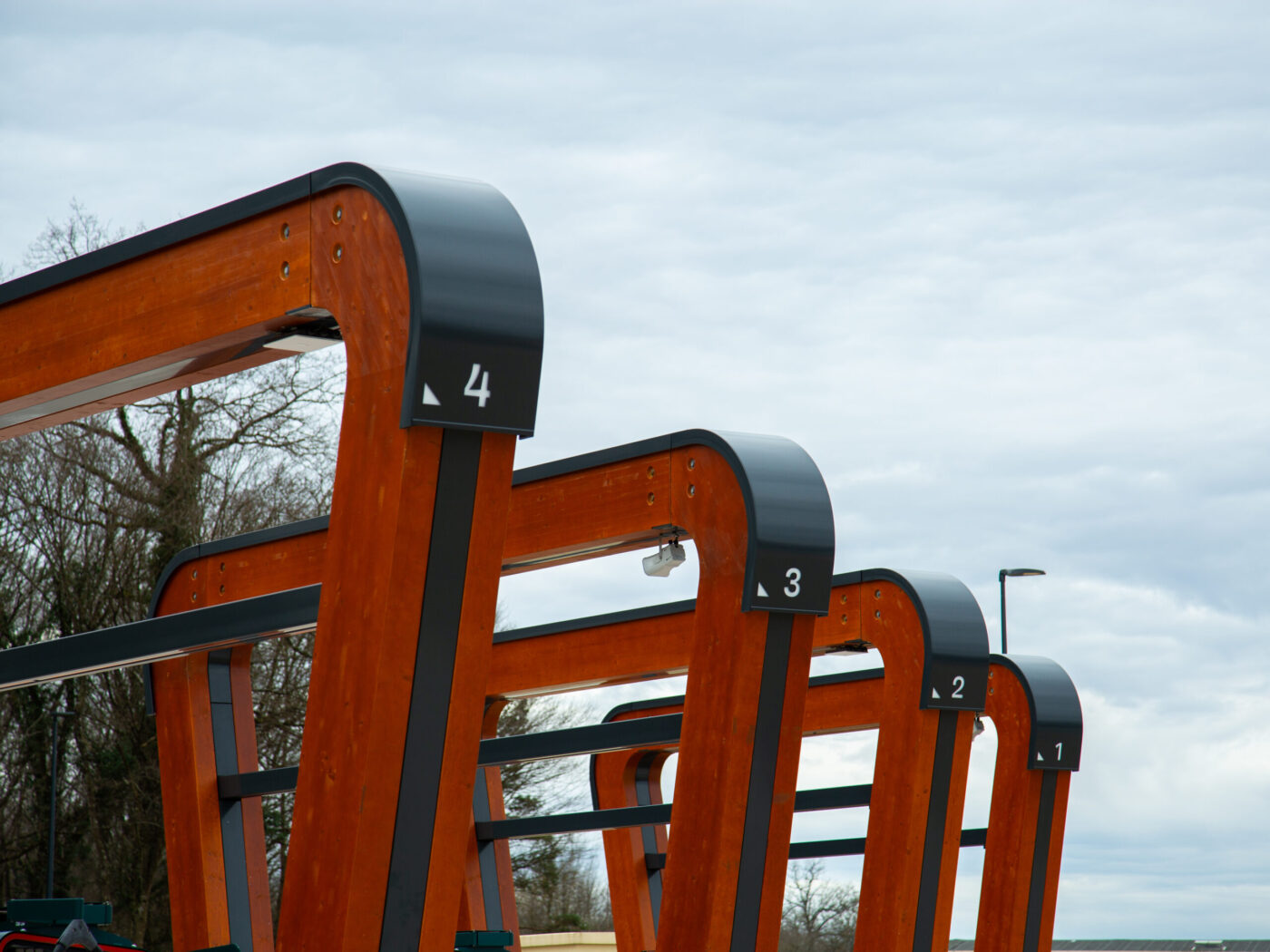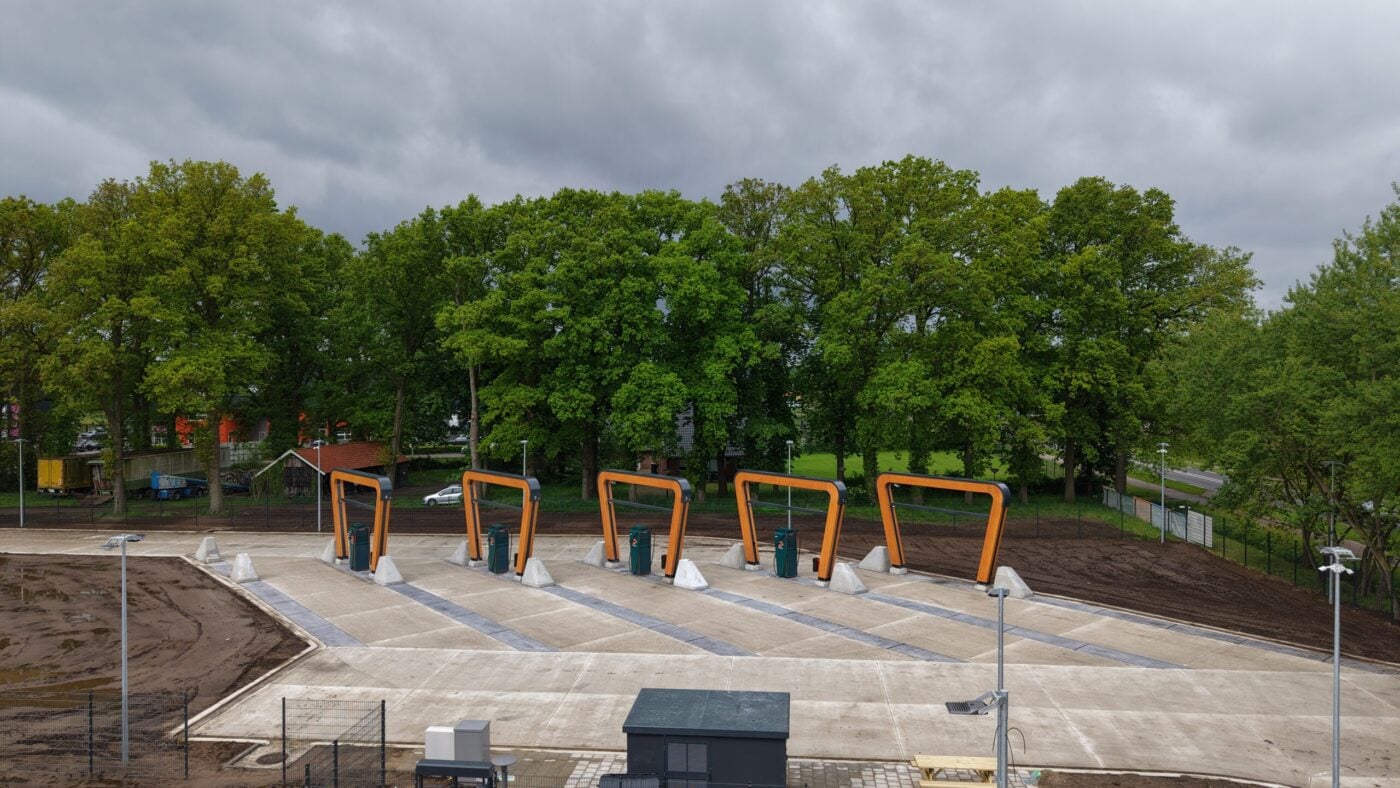
The new charging hub is located at the Frans op den Bult HGV rest area near Hengelo. The site is situated on the A1, part of the North Sea–Baltic Corridor of the European TEN-T network and a key freight route between the Netherlands and Germany.
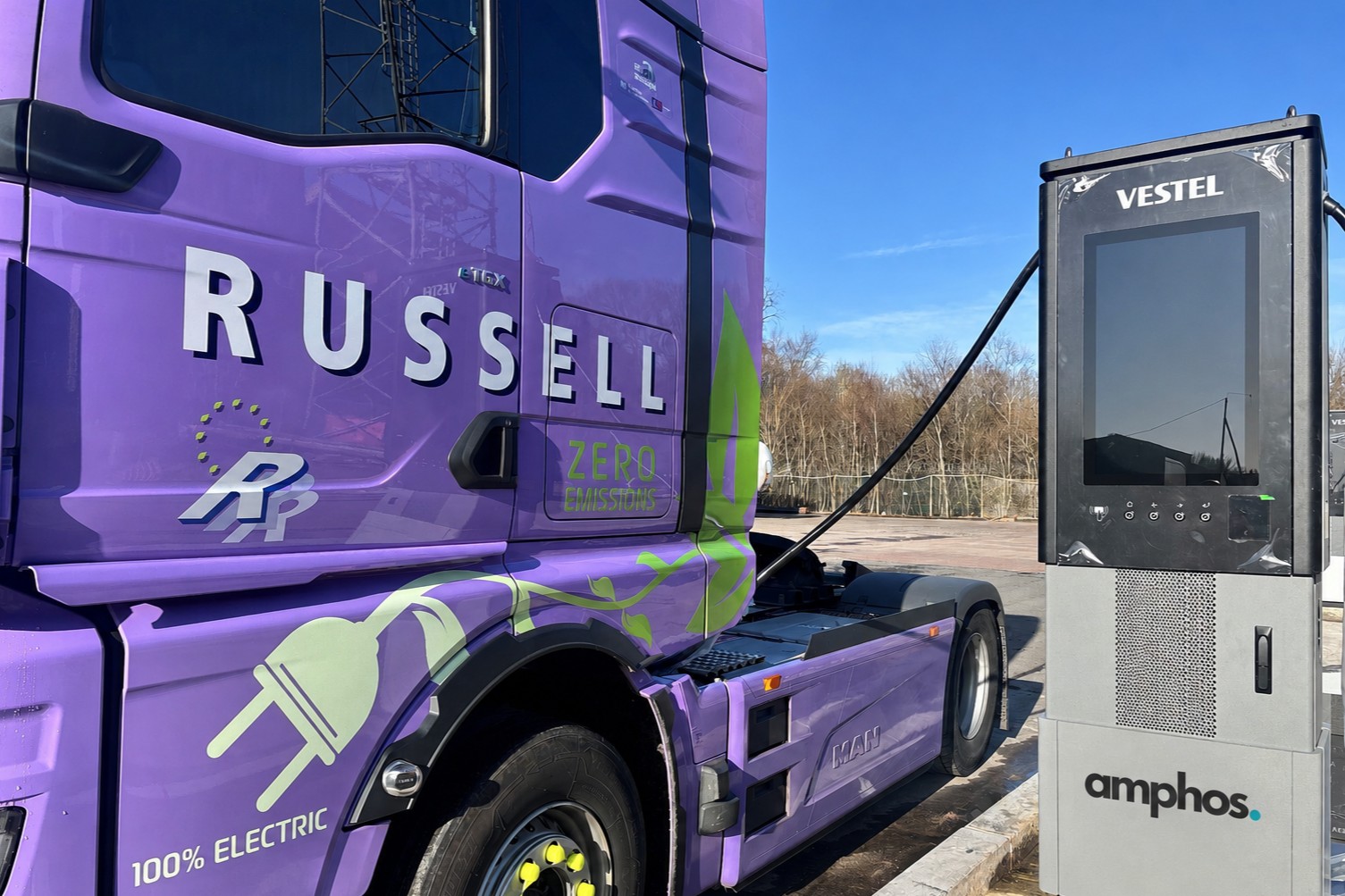
The hub features five charging bays equipped with DC high-power chargers offering up to 400 kW via CCS. Milence plans to expand the site’s charging capacity at a later stage. However, the hub does not initially offer Megawatt Charging System (MCS) connectors.
A key feature of the project is its construction method. According to Milence, all on-site construction work was carried out using electrically powered machinery. The company also says electric vehicles were used wherever possible to transport materials and equipment. However, Milence’s definition of “Zero-Emission Construction” applies only to direct emissions generated during on-site construction and does not include emissions from the production or transport of materials or the project’s overall CO₂ footprint.
For Milence, the Deurningen-Hengelo site also served as a practical test for using electric construction machinery to develop charging infrastructure. This required coordinating workflows, charging times for machinery, and site logistics. The insights gained in collaboration with the involved construction companies are expected to inform future projects, provided site conditions allow for a comparable approach.