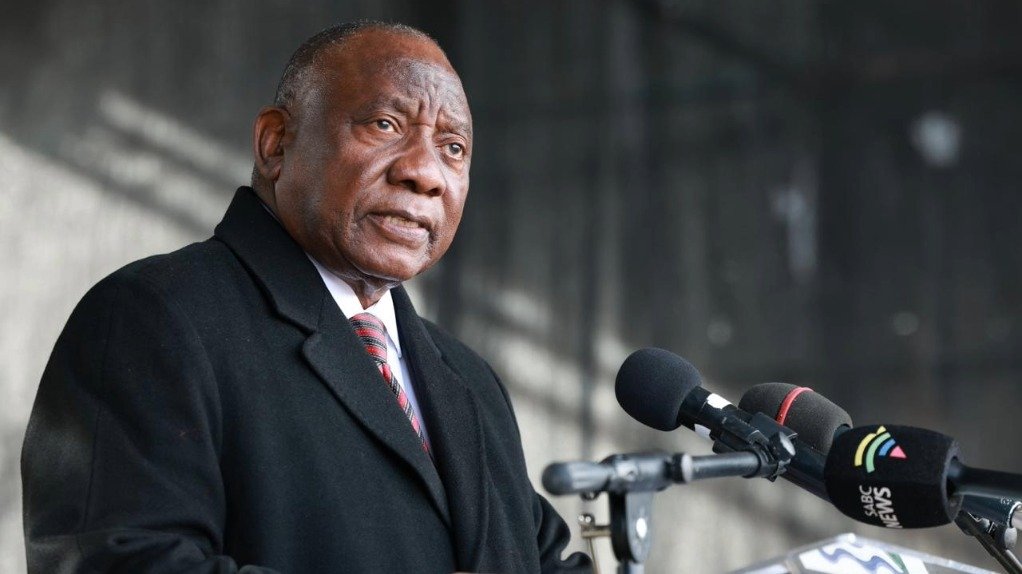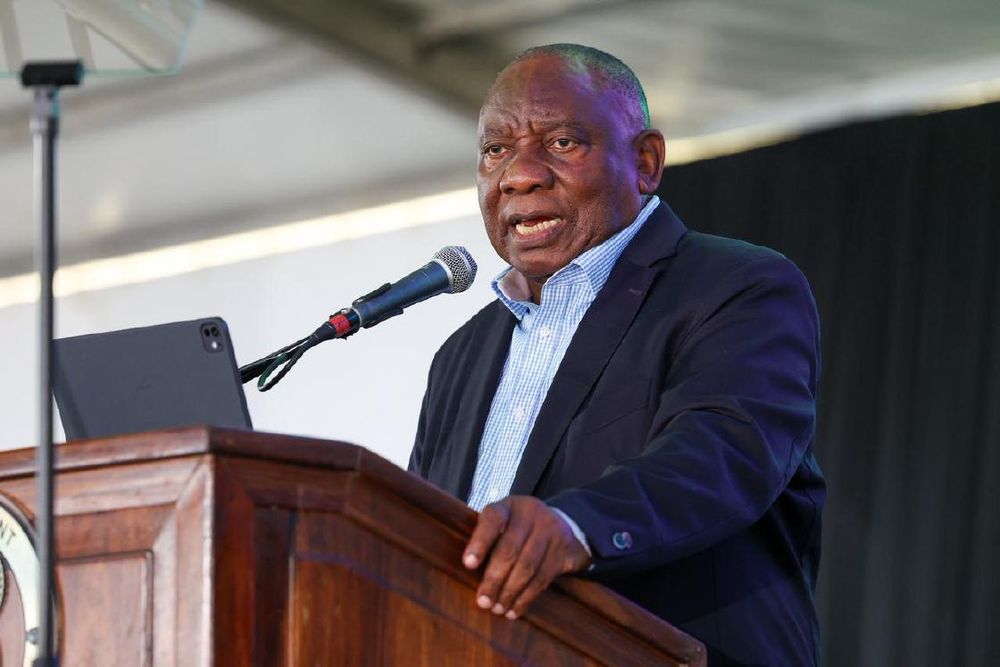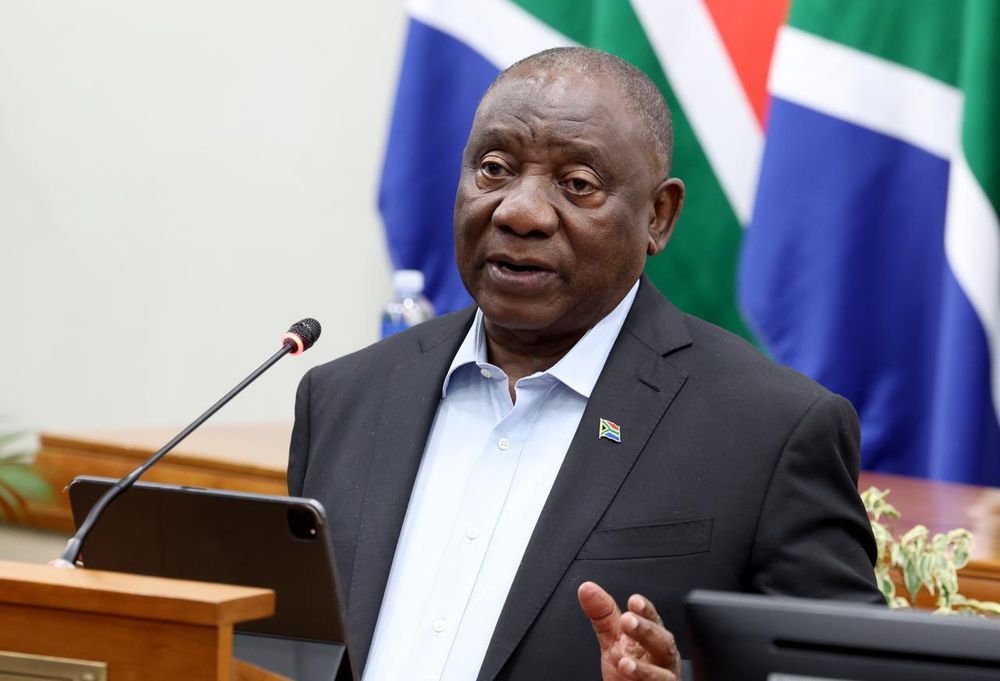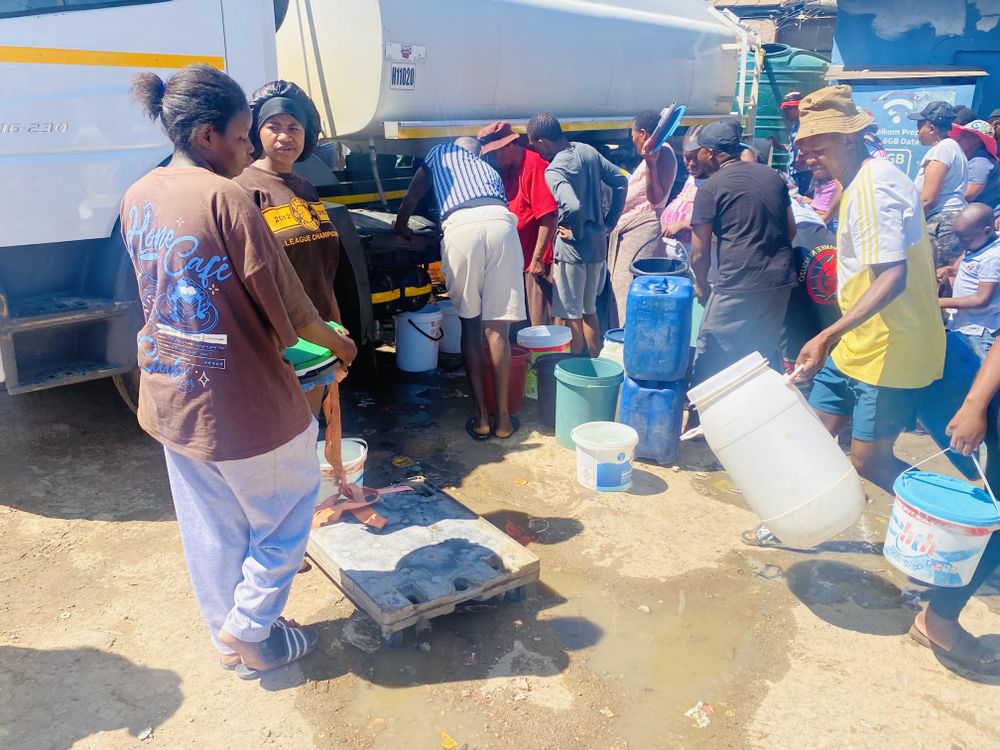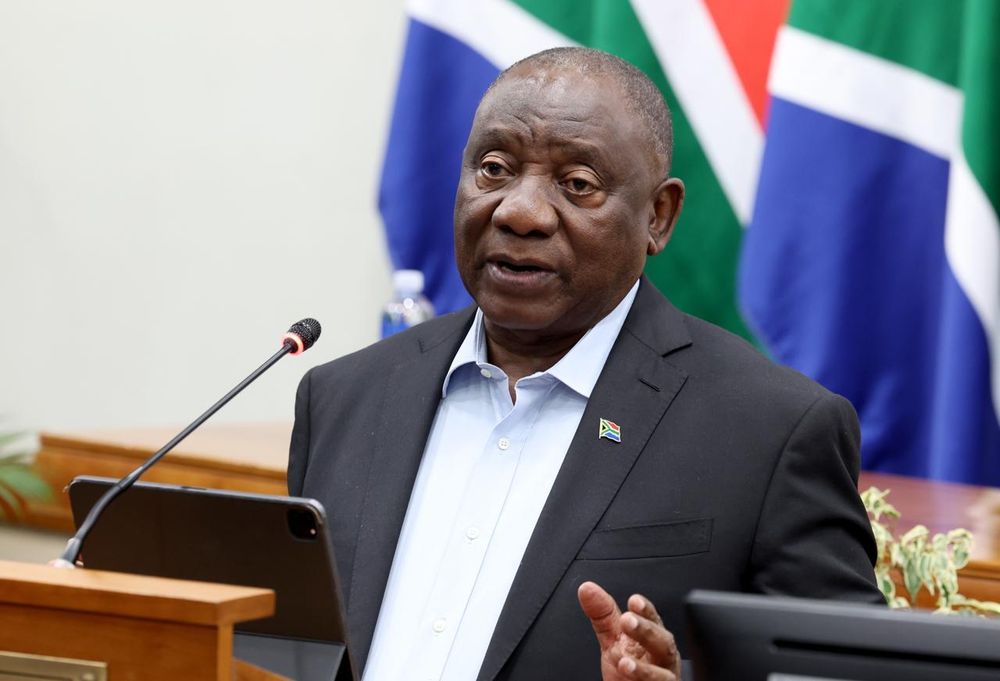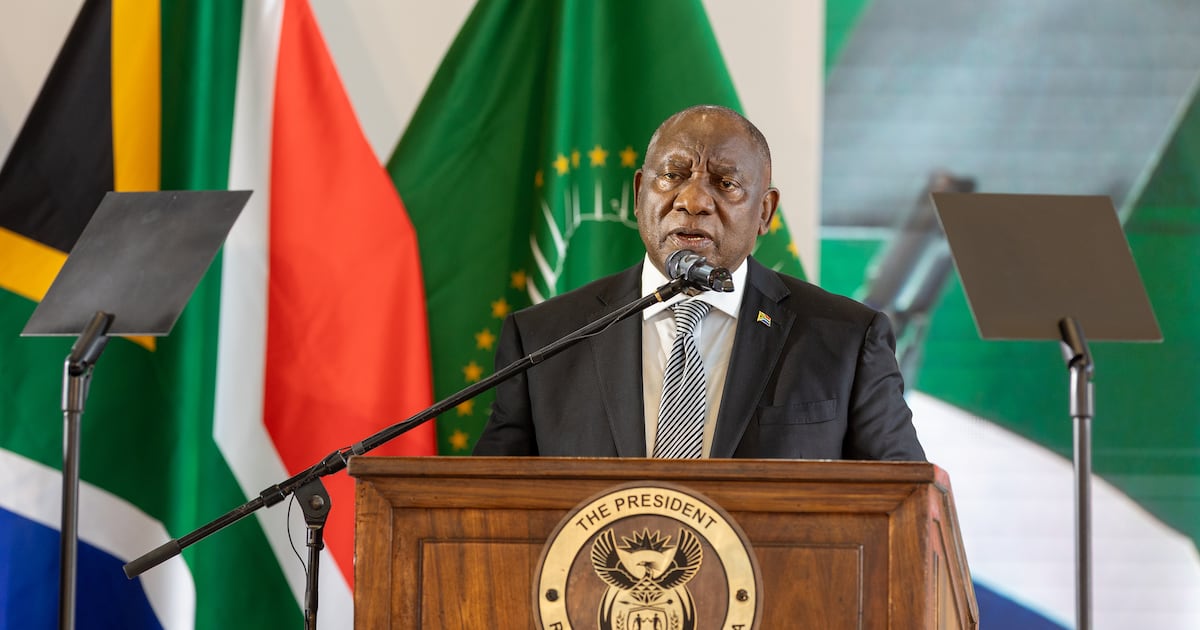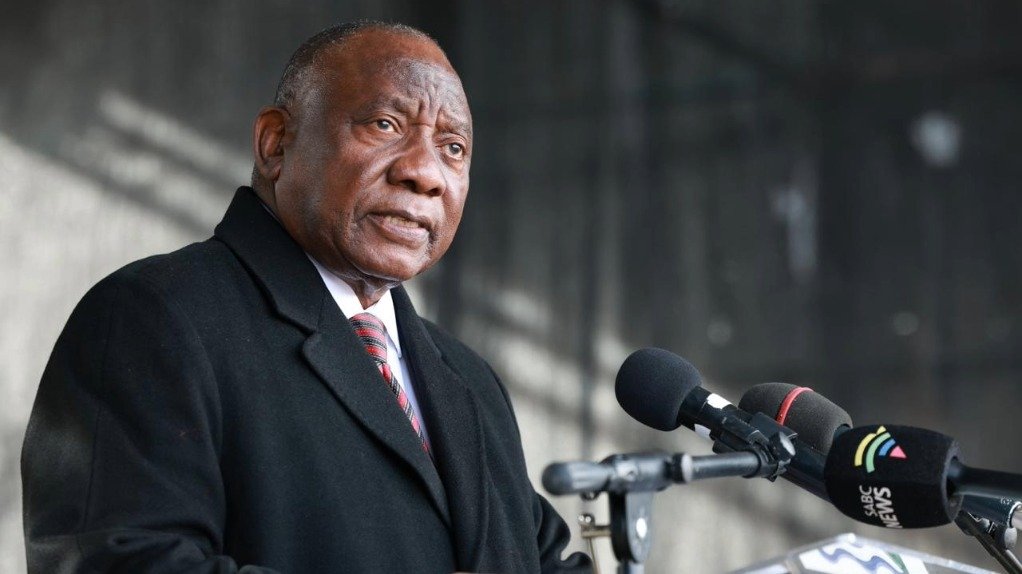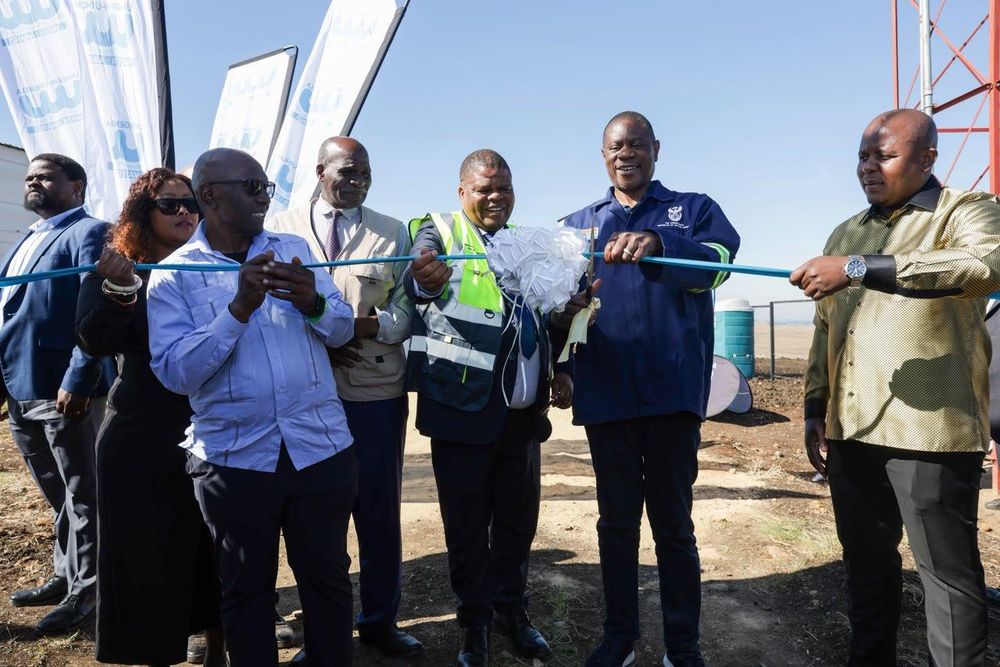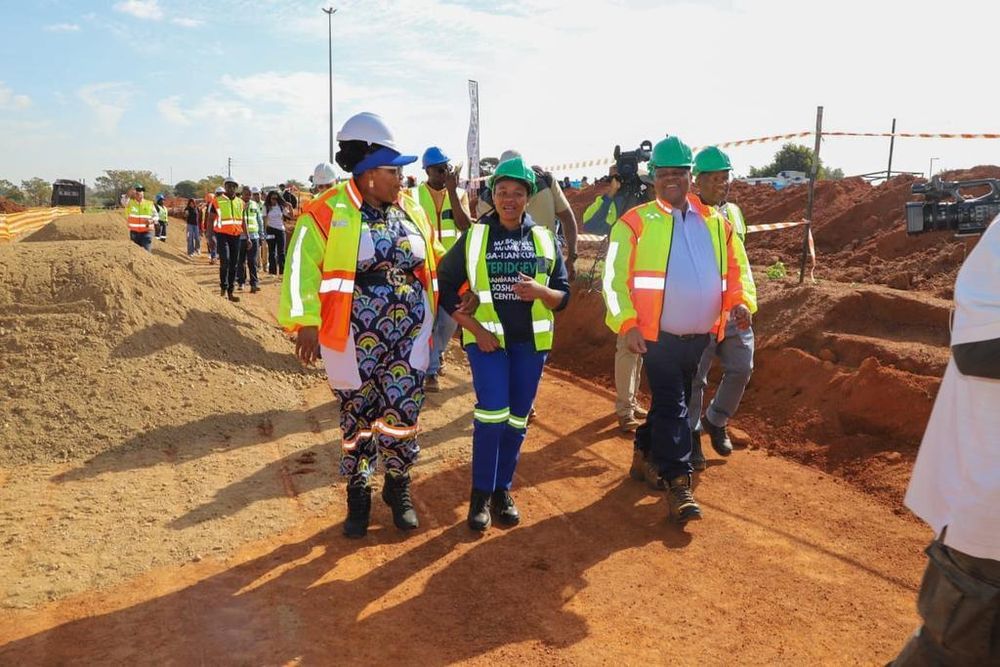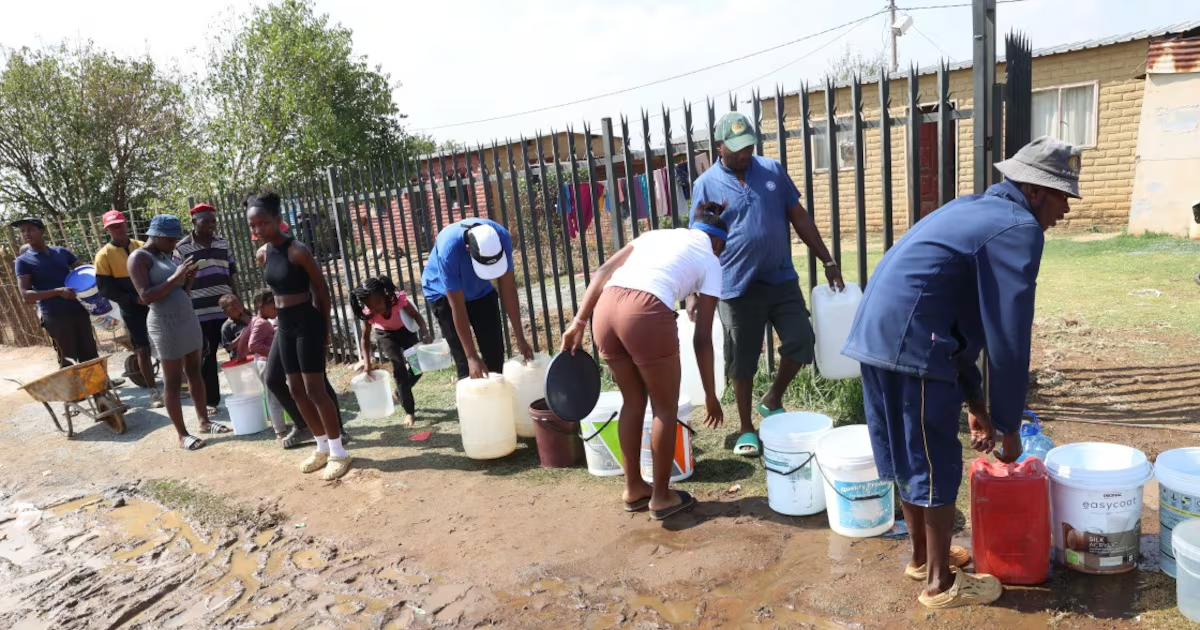
The government has launched the national water access acceleration programme aimed at expanding access to clean water for under-served communities across the country, President Cyril Ramaphosa said on Monday.This is to enable the elimination of critical water shortages that have befallen the country.As part of a broader public infrastructure investment drive, government has allocated R156bn over the next three years to water and sanitation infrastructure to improve service delivery and strengthen long-term water security.In his weekly newsletter on Monday, Ramaphosa said one of the priorities identified in the state of the nation address in February was to address the water crisis causing immense hardship for households, communities and businesses across the country. The programme was launched in Hammanskraal in Gauteng, a community that has had longstanding water challenges, and where lives were lost three years ago due to a cholera outbreak. “As part of the programme boreholes were handed over to the Hammanskraal community, and the Klipdrift package water treatment plant was officially commissioned” the president said.“Similar interventions were rolled out in other parts of Gauteng, KwaZulu-Natal and the Eastern Cape. These include borehole drilling and groundwater development, rainwater harvesting and rehabilitating existing water supply schemes.” In May, Ramaphosa said the national water crisis committee, established to co-ordinate government efforts in addressing water scarcity, was dealing with immediate challenges in the most affected municipalities while changing the way water infrastructure was funded and managed. Households and businesses experiencing shortages and outages have had enough, and underserved communities across the country waiting for taps to be installed 32 years into democracy are justifiably tired of waiting — President Cyril RamaphosaIn an address to the National Council of Provinces (NCOP) sitting in Stilfontein in North West, Ramaphosa said the government prioritised measures to address the water crisis affecting many municipalities across the country. Water challenges saw Johannesburg, the country’s largest metro and economic and financial hub, go without water for weeks earlier this year, prompting Ramaphosa to establish the crisis committee. On Monday, Ramaphosa said the programme was intended to shorten the time between identifying a community’s need and delivering a working water supply.“It will use solutions suited to local conditions rather than waiting in every instance for large, complex infrastructure projects,” he said. Ramaphosa said expanding water access had been one of the most important achievements of democracy. According to the 2022 census, more than 82% of households in the country had access to piped water either inside their dwelling or inside their yard. The proportion of households with no access to piped water more than halved between 1996 and 2022. “We must acknowledge that in too many municipalities, government has not succeeded with the maintenance of infrastructure, to manage water services properly and to respond with sufficient urgency. Parts of our country are experiencing worsening water shortages and deteriorating water quality. In some places, ageing water infrastructure has collapsed,” he said. The government’s response to the water crisis focussed on sustainable, long-term reform. “The national water action plan brings together national, provincial and local government, water boards, regulators and water service authorities around a single programme of action, with clear responsibilities and timelines,” Ramaphosa said. “A National Water Resources Infrastructure Agency has been established to co-ordinate investment in bulk water infrastructure. Public hearings will soon begin on the Water Services Amendment Bill, which will strengthen enforcement and enable municipal managers who fail to manage water infrastructure to be held personally liable. “Municipalities are the frontline of service delivery and must be supported to deliver on this critical mandate. The National Treasury is supporting municipalities towards financial sustainability, including ensuring revenue from water goes to the water entities so it can be reinvested in infrastructure.” Ramaphosa said water security was among the government’s most urgent priorities. “Households and businesses experiencing shortages and outages have had enough, and underserved communities across the country waiting for taps to be installed 32 years into democracy are justifiably tired of waiting.” Business Day
Government launches national programme to expand water access
New programme aims to speed up clean water delivery to under-served communities
658 words~3 min read