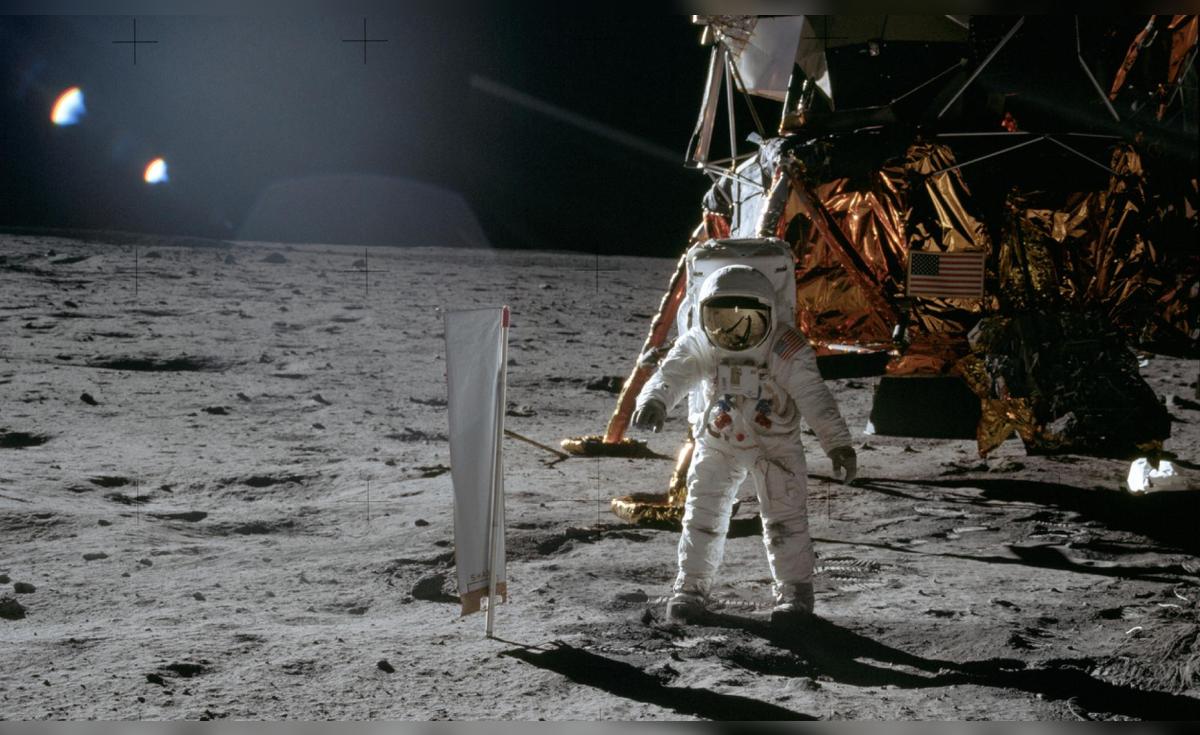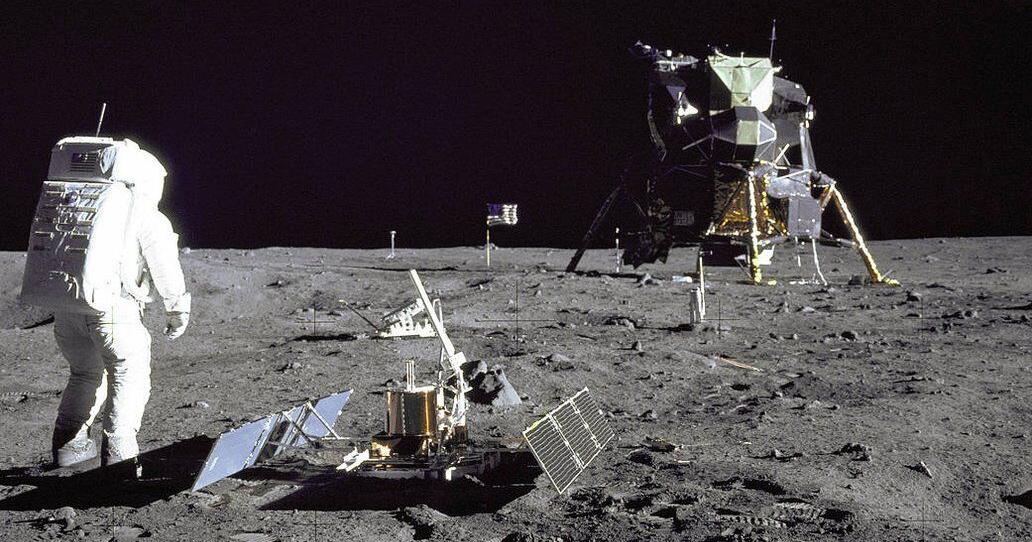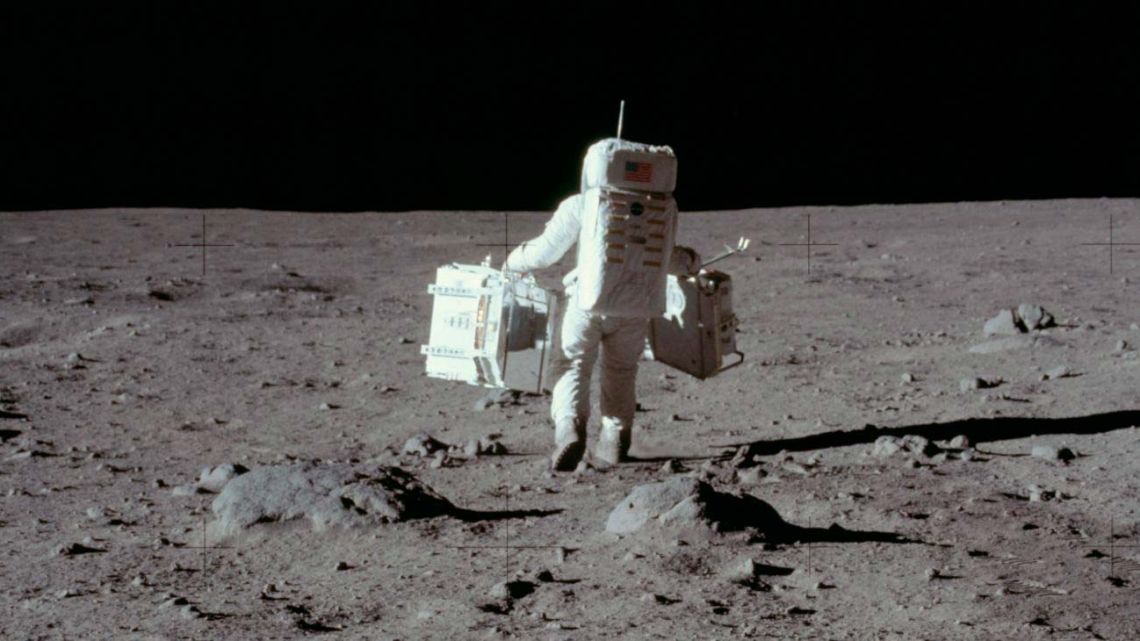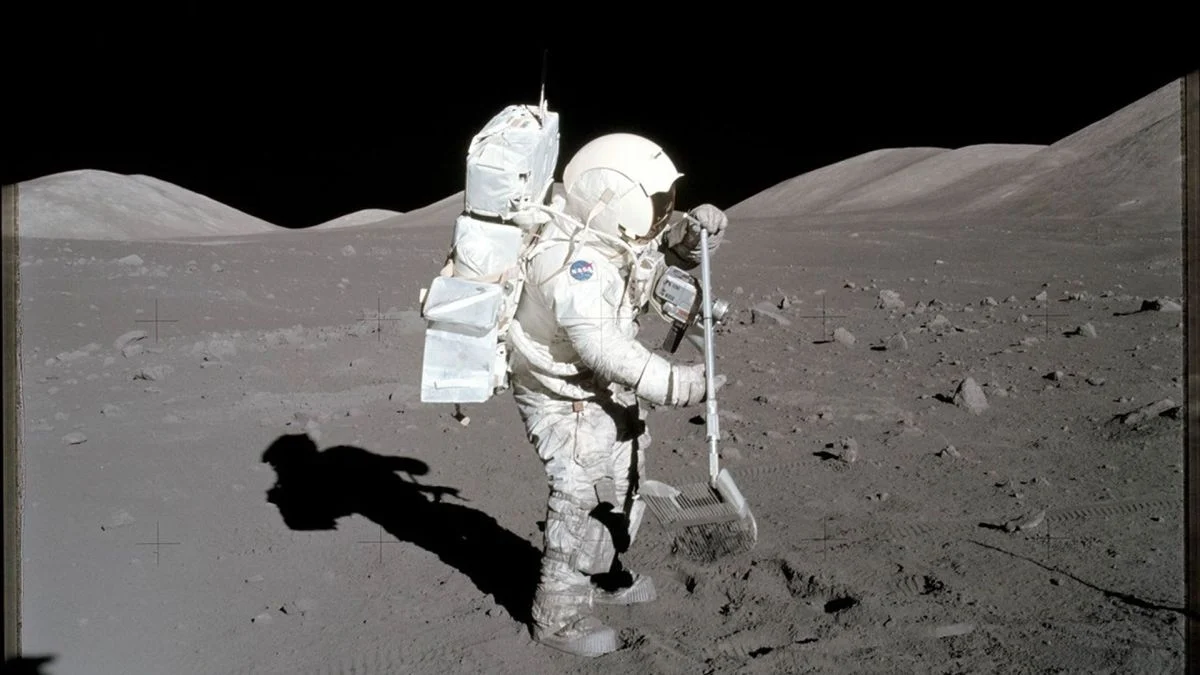
Scientist-astronaut Harrison H. Schmitt collecting samples on the Moon on 11 December 1972. (NASA)
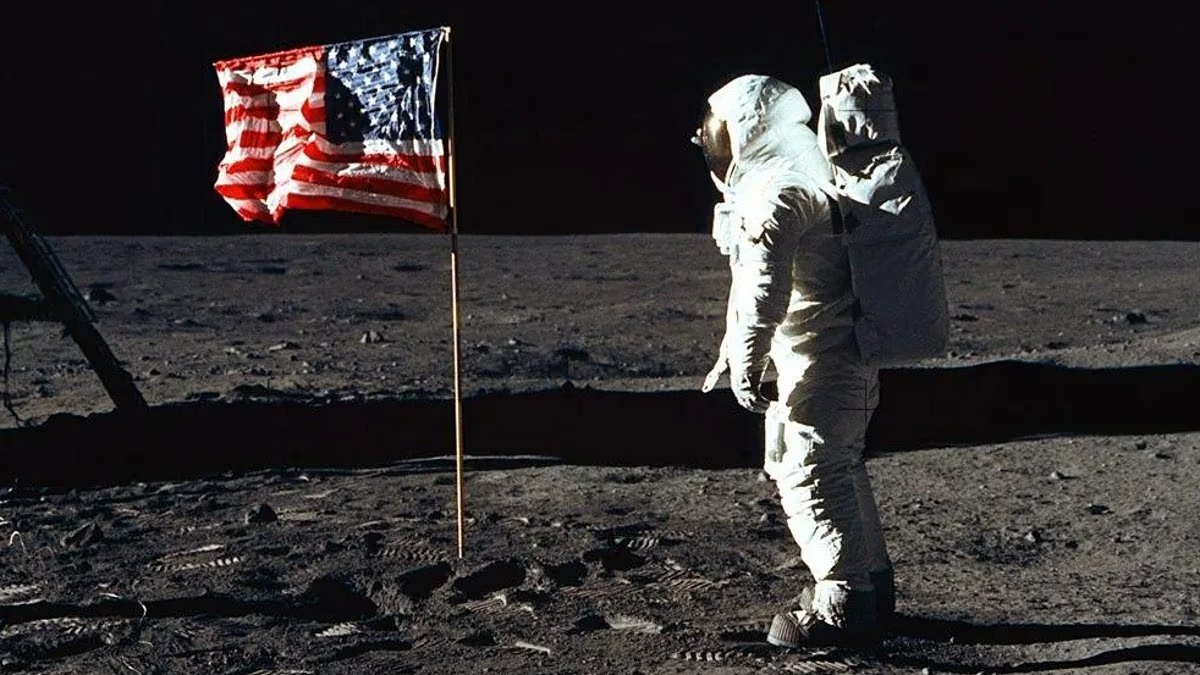
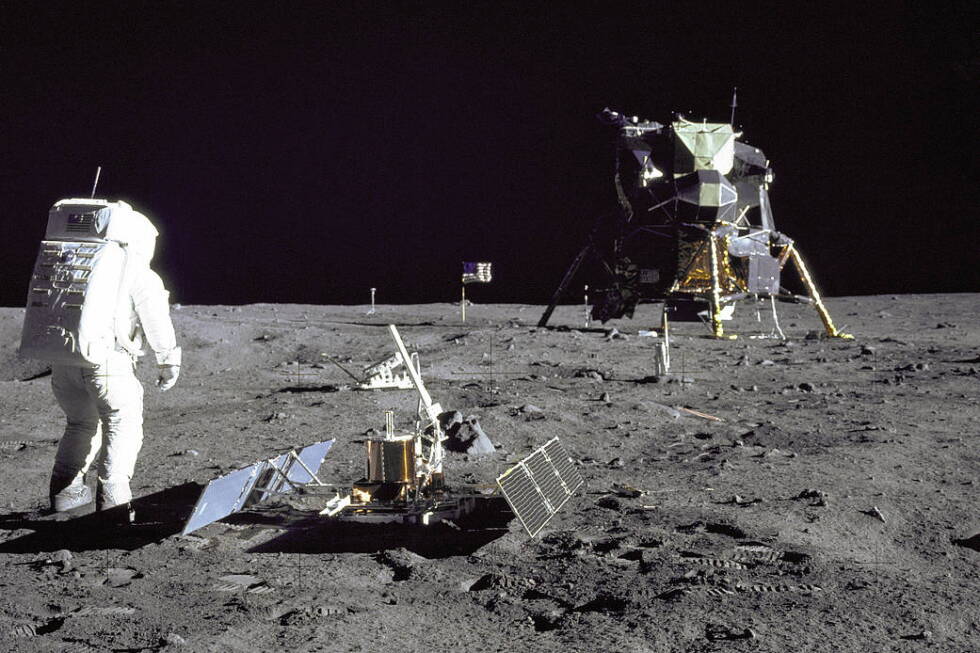
When Apollo 11 touched down on the lunar surface on 20 July 1969, it marked a turning point in humanity's relationship with the Moon.We all know the monuments – the American flag. The crisply delineated bootprints. The bags of human waste left behind in the gunmetal-gray dust.What we tend to forget are the boxes of rocks.Between 1969 and 1972, the Apollo program hauled 382 kilograms (842 pounds) of lunar rocks and dust back to Earth.Those materials answered decades-old questions, settled debates, and opened new avenues for research. To this day, the Apollo samples continue to shape our understanding of the Moon."Rather than being certain about anything, scientists were discussing different possibilities for the origin and geologic evolution of the Moon prior to the Apollo 11 mission," geologist David Kring of the Lunar and Planetary Institute told ScienceAlert.A sample tube of Moon samples collected in 1972 being unsealed in 2022. (NASA/Robert Markowitz)Some of those possibilities included whether the Moon was a primitive body that had remained relatively unchanged since the early Solar System; whether its craters were blasted out by volcanoes or gouged by impacts; and whether its geological activity was ancient or ongoing.The Apollo samples answered those questions straight away. They revealed a world with a core that had once harbored a global magma ocean, confirmed that impact cratering dominates the lunar surface, and helped establish the Moon's age at around 4.5 billion years.