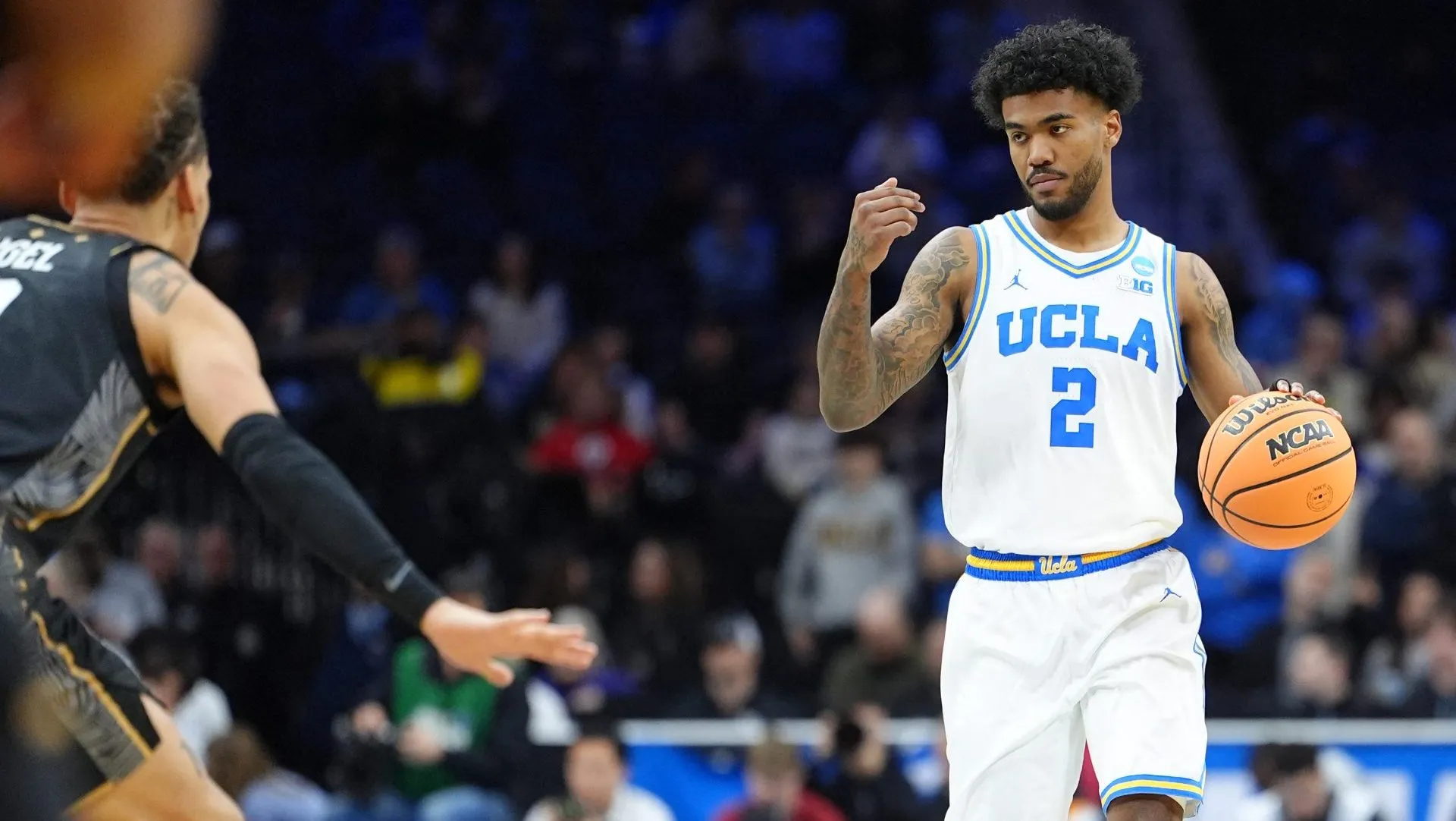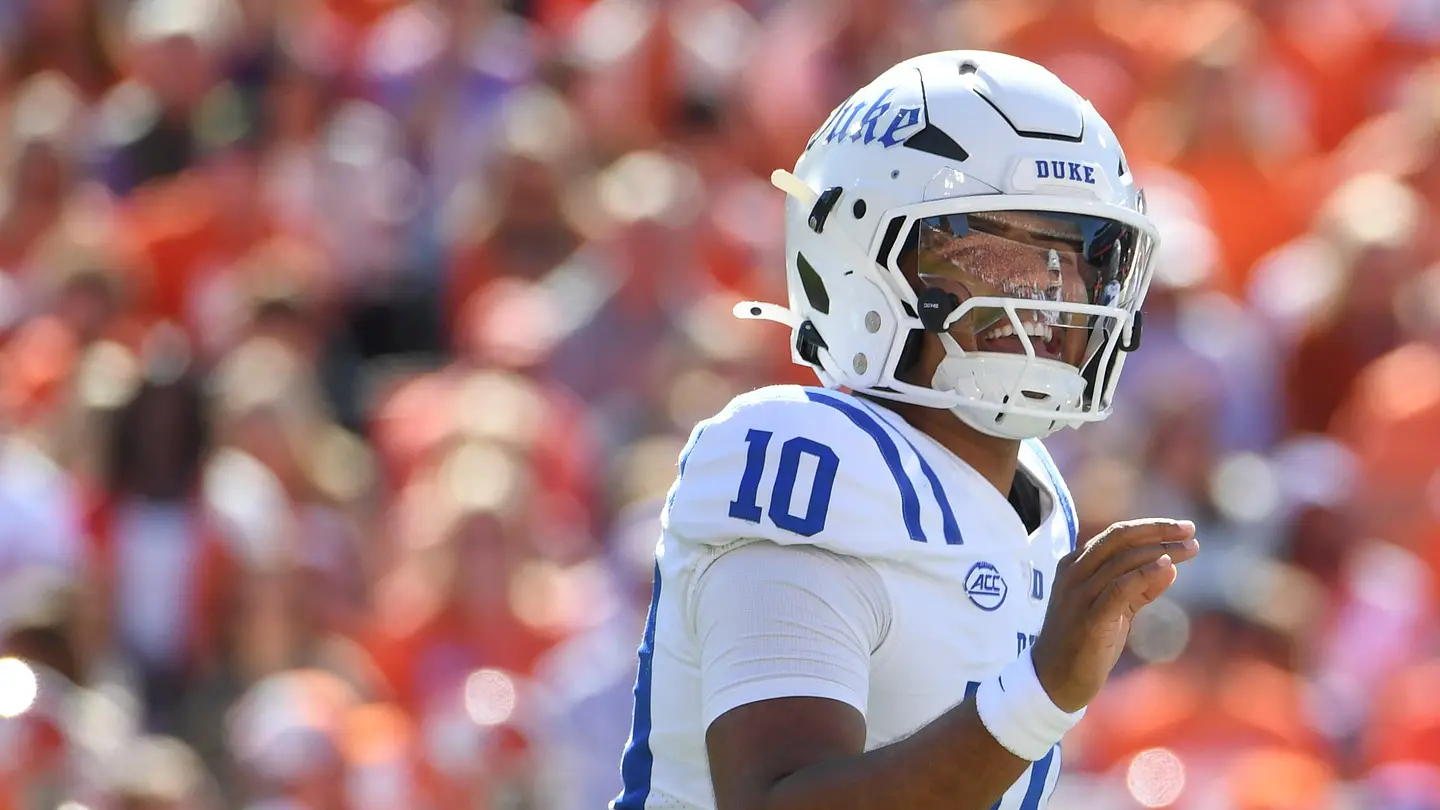
The last two years have seen dozens of college athletes sue the NCAA to gain an additional year of eligibility, during which some could earn six or even seven figures in NIL and revenue-share money.
Some of their lawyers haven’t been paid a penny, and those lawyers are OK with that.
The topic of compensation for attorneys who represent college athletes in eligibility cases sparked debate last week when attorney Darren Heitner, who has represented several players in litigation, posted on X about how he and his colleagues are compensated.
There are several cases involving athletes from the high school class of 2022 who argue they should be able to play a fifth season. Last month, the NCAA Division I Council approved a system that provides five years of eligibility beginning at the start of the academic year following an athlete’s 19th birthday or upon full-time enrollment in college, whichever comes sooner. This rule doesn’t apply to the high school class of 2022, many of whom exhausted their NCAA eligibility with the 2025-26 season.
These cases aren’t about monetary damages, but instead injunctive relief—specifically, a court order that blocks the NCAA from disallowing an athlete whom the NCAA classifies as ineligible.