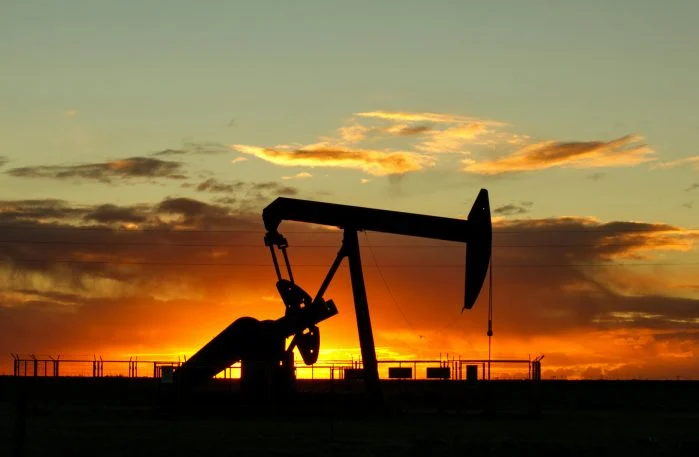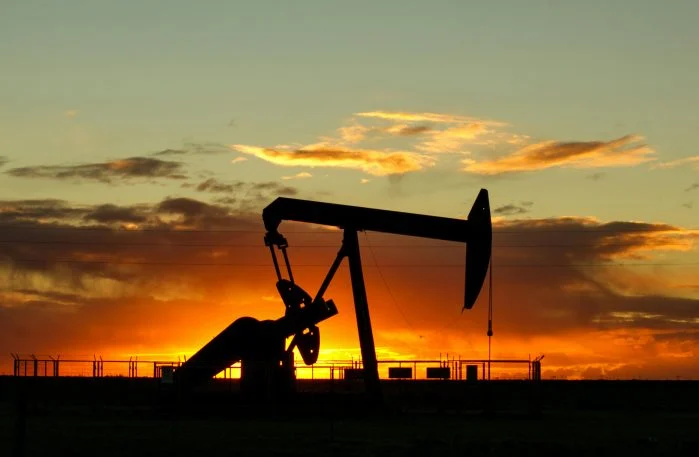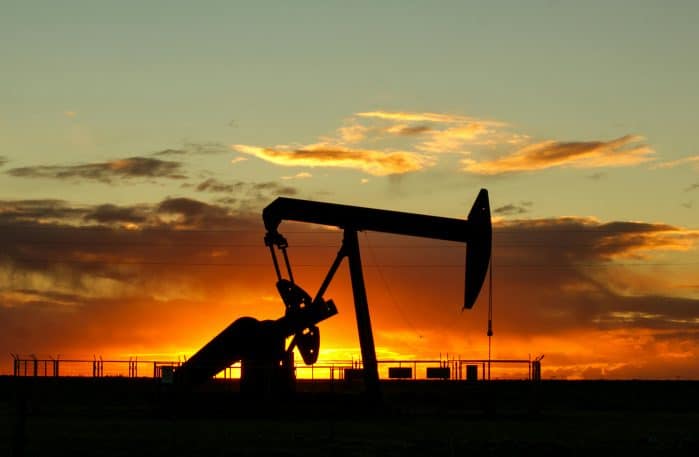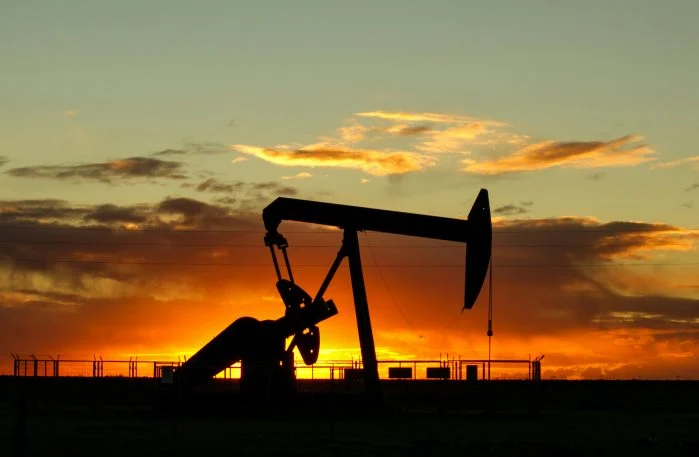
Oil prices have experienced a notable decline following Iran’s indication of willingness to engage in negotiations, as confirmed by U.S. Secretary of State Marco Rubio. This development comes after a sharp spike in prices, reaching $90.79 per barrel for Brent crude, driven by escalating tensions between the U.S. and Iran. The initial surge in oil prices was attributed to fears of a prolonged closure of the Strait of Hormuz, a critical chokepoint for global oil trade. Rubio’s comments suggest a potential de-escalation in the conflict, as Iran indicates a readiness to discuss elements of its nuclear program, which may alleviate market concerns and reduce the geopolitical risk premium.
Key Takeaways
Pricing suggests participants view the recent Iranian openness to negotiations as consistent with easing geopolitical tensions.
Markets appear to interpret Rubio’s confirmation of Iran’s willingness to talk as reducing the likelihood of a new all-time high in crude oil prices.
The recent developments suggest a potential unwinding of the geopolitical risk premium that had previously driven oil prices higher.