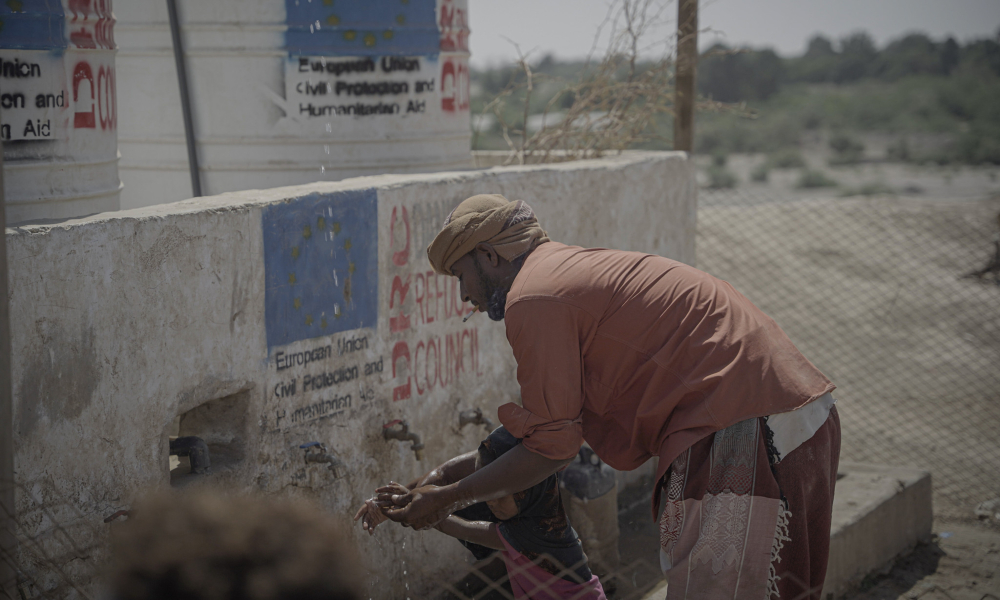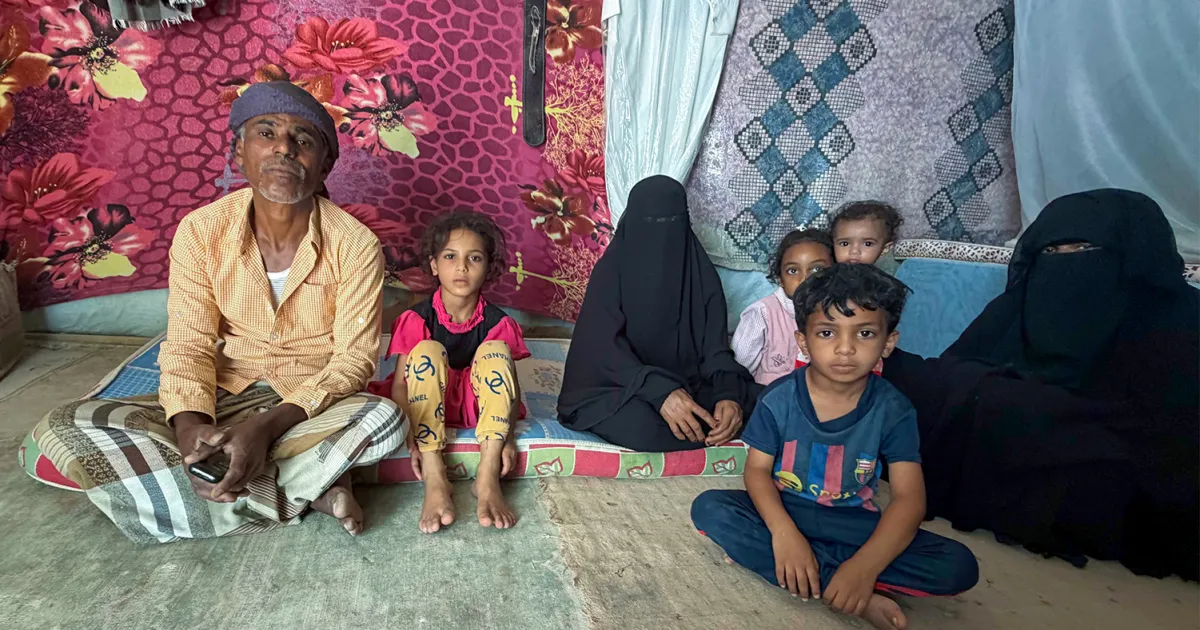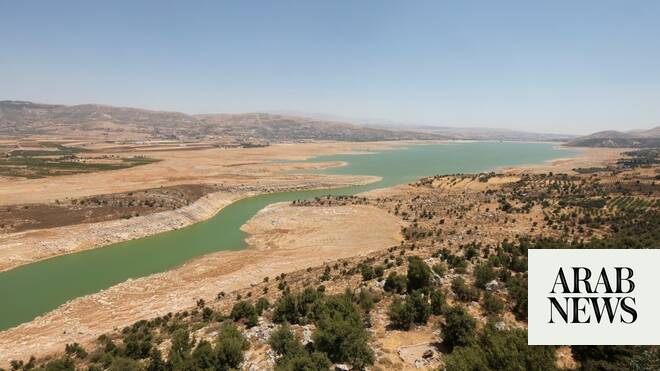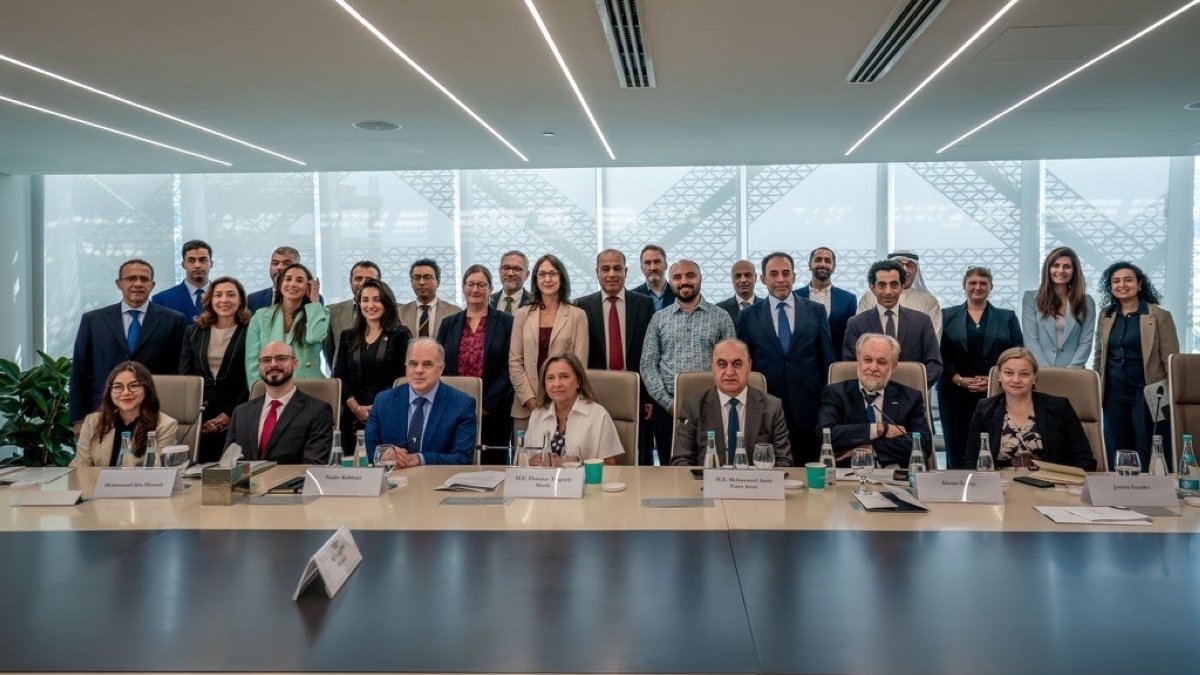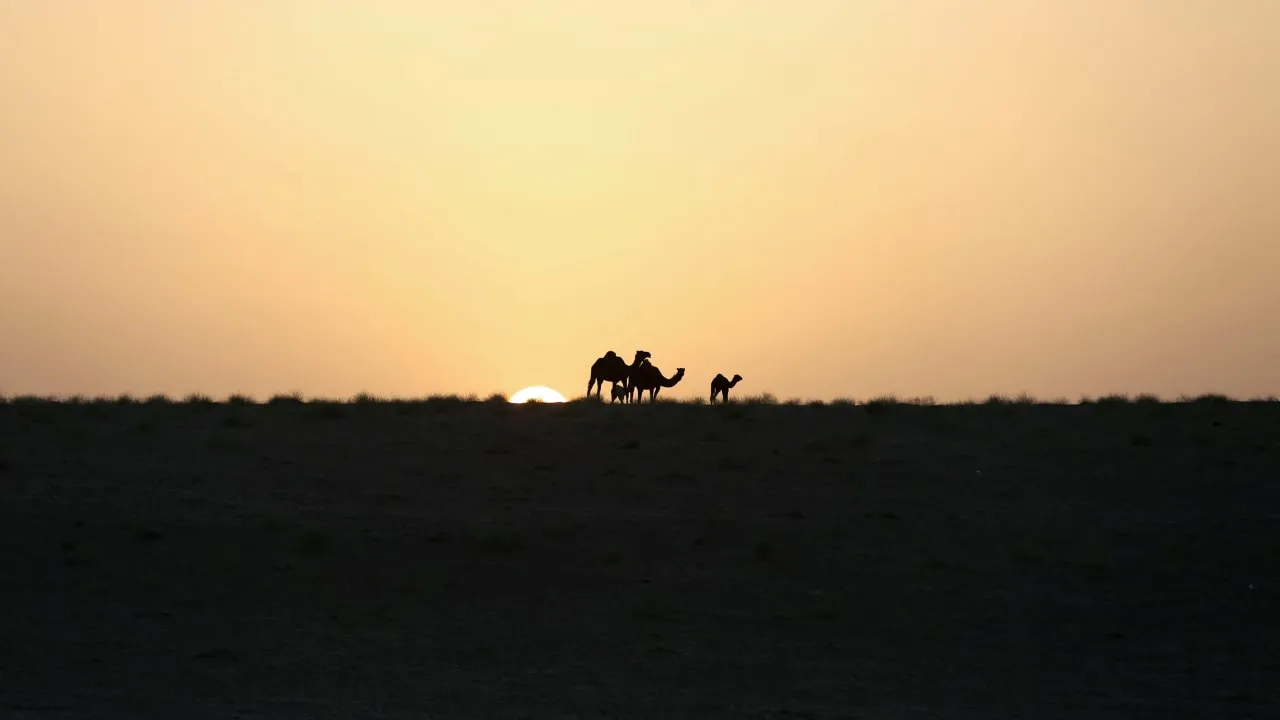
Jerusalem Post/Middle EastAccess to water in one of the world's most water-scarce countries has become even more critical as the region has descended into a new war, in which critical infrastructure has been targeted.Follow us on GoogleCamels walk during the sunset in Marib, Yemen, where the once-barren desert has sprung back to life with grasses due to shifting climate patterns.(photo credit: ALI OWIDHA/ REUTERS)ByDANIELLE GREYMAN-KENNARDJULY 20, 2026 12:37Updated: JULY 20, 2026 12:46Years of war, instability, weak governance, and public policy failures have left 15.4 million Yemenis without access to clean water and 17.4 million without adequate sanitation and hygiene, creating conditions for preventable public health crises, according to a newly published report by the Sana’a Center and the Arab Reform Initiative.Access to water in one of the world's most water-scarce countries has become even more critical as the region has descended into a new war, in which critical infrastructure such as desalination plants have become targets.Those most affected by water inequality in Yemen are women, marginalized groups, those in rural communities, and those internally displaced by the conflict. While these communities bear the burden of the crisis, the report noted that influential individuals and businesses have been allowed to exploit a lack of governance to deplete the country’s finite resources.“The findings suggest that water injustice in Yemen is not only about scarcity but also about power, regulation failure, and unequal distribution,” the report noted.“Marginalized populations - including women, displaced communities, small farmers, and internally displaced people (IDPs) - bear disproportionate burdens in access, cost, and quality of water. Conversely, influential actors and commercial interests often benefit from weak enforcement, unsanctioned drilling, and the monopolization of water sources.”A satellite imagery shows Bab el Mandeb Strait, a key shipping waterway and the gateway to the Red Sea, as Iran threatens using Yemen's Houthi allies to shut the Bab el-Mandeb gateway to the Red Sea, in this handout picture dated July 12, 2026. (credit: NASA Worldview/Handout via REUTERS)Heavy metals, oil pollute water sourcesUnable to afford the cost of water from tankers, which do not always contain safe drinking water, many are forced to consume water from wadis, which in many cases include pollutants like oil and heavy metals thanks to nearby oil operations.The report noted that this issue was recorded particularly in the areas of Al-Aliyah and Sah, meaning the issue persists in both Houthi and government-controlled areas of Yemen.Until the 1970s, water resources were used fairly sustainably across Yemen, but new public policy was introduced that saw the encouragement of ground extraction, which, largely thanks to a lack of oversight, led to aquifer depletion. Though legislation started to address this issue in the 90s’ and early 2000s, lack of oversight meant changes were limited.Already damaged by public policy failings, the issue has only been worsened by the outbreak of the 2014 civil war, which saw 40% of the country’s water infrastructure damaged.The country’s instability prompted several international donors and organizations to withdraw, leaving local organizations to fill the gaps despite often lacking the expertise or resources to do so effectively. As a result, many were discredited by public officials.As of 2024, 81 national NGOs were working on water-related issues in Yemen, along with tribal and religious leaders. Just short of three-quarters of the organizations were formed from 2012 to 2025, which the report said coincided with the decline in formal state institutions following the 2011 popular uprising. Follow us on Google
Yemen water crisis driven by conflict and weak regulation` | The Jerusalem Post
Access to water in one of the world's most water-scarce countries has become even more critical as the region has descended into a new war, in which critical infrastructure has been targeted.
569 words~3 min read