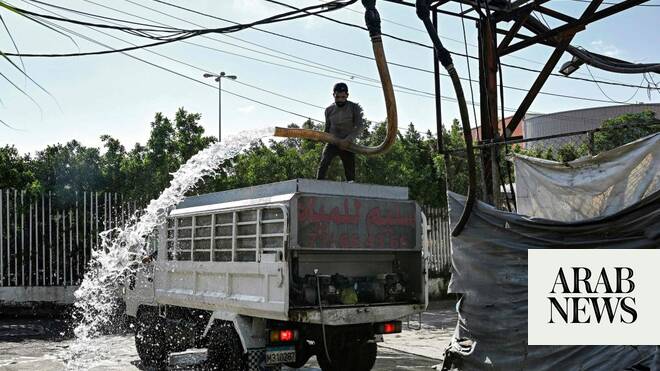
LONDON: Every morning, Lebanon awakes to the rumble of trucks selling drinking water to households, many of which are unable to afford such necessities in the ongoing economic crisis. That familiar sound is unlikely to fade soon, as the country faces its worst drought in 65 years.
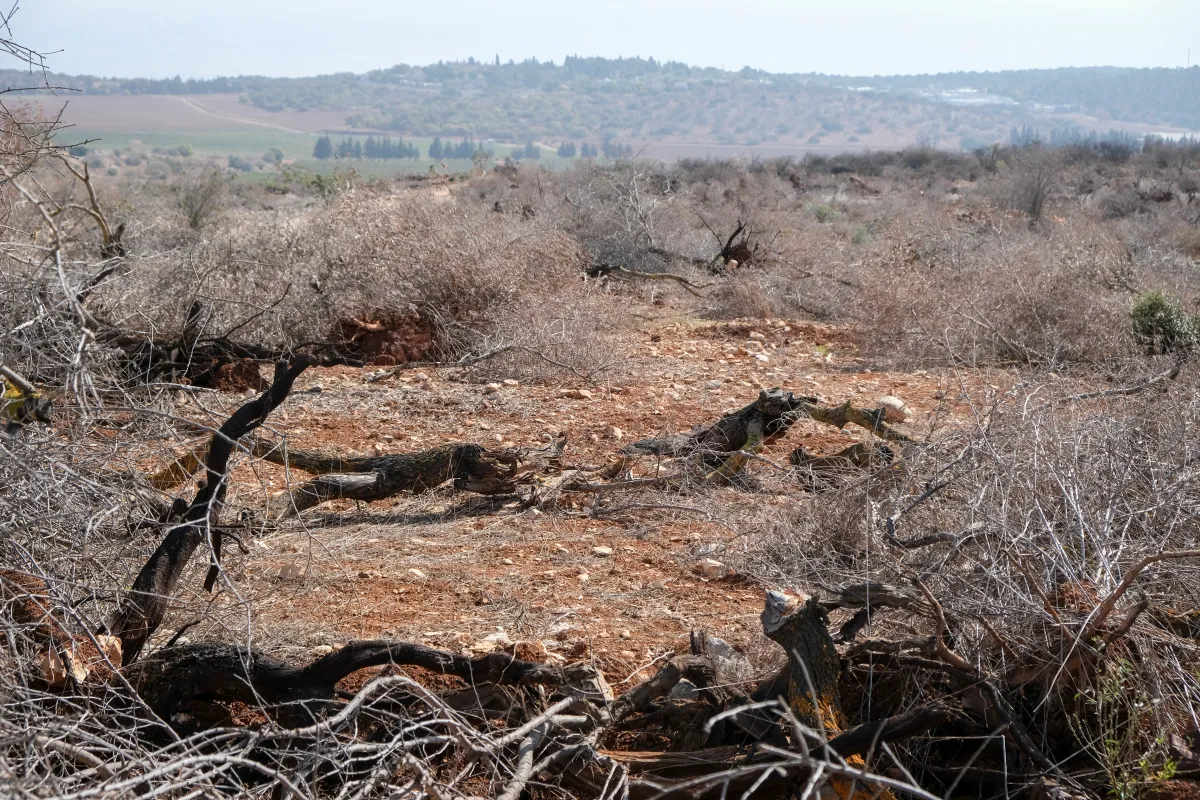
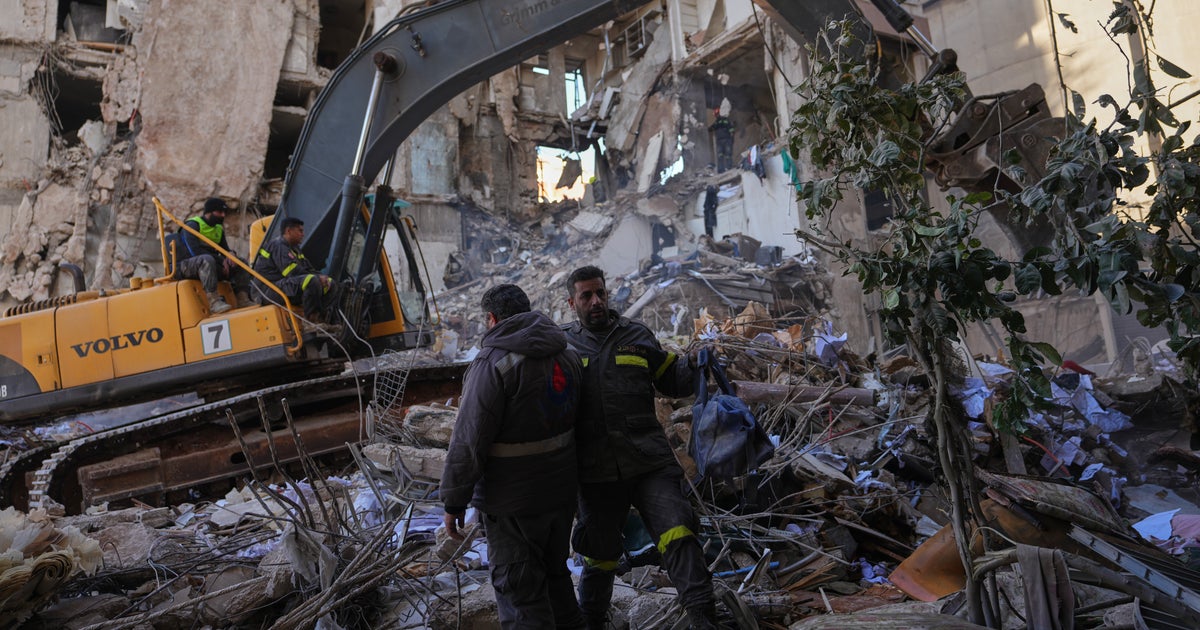
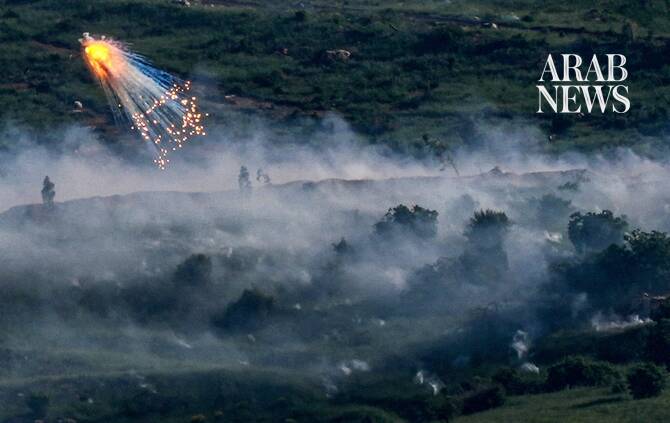
With average rainfall having fallen by almost half over the past year and reservoirs at critically low levels, the shortage is compounding hardships in a country battered by Israeli bombardments since 2023 and an economy in freefall since 2019.
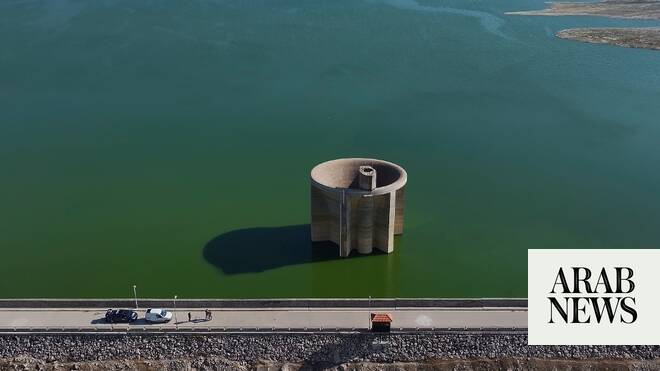
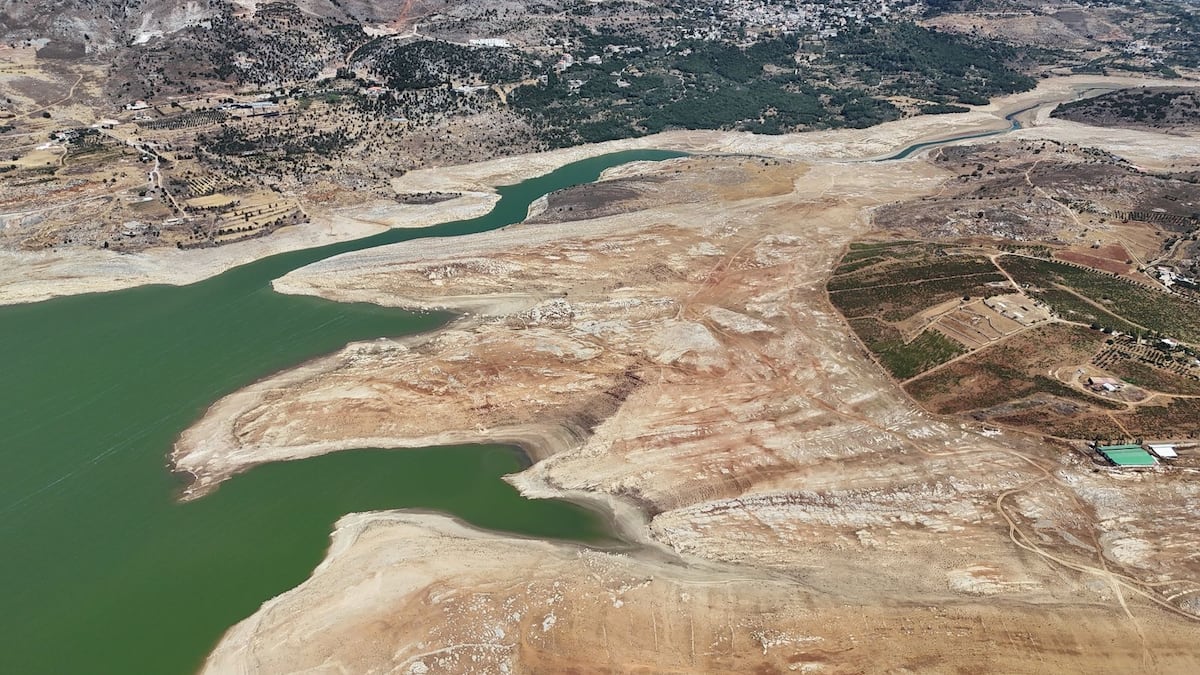
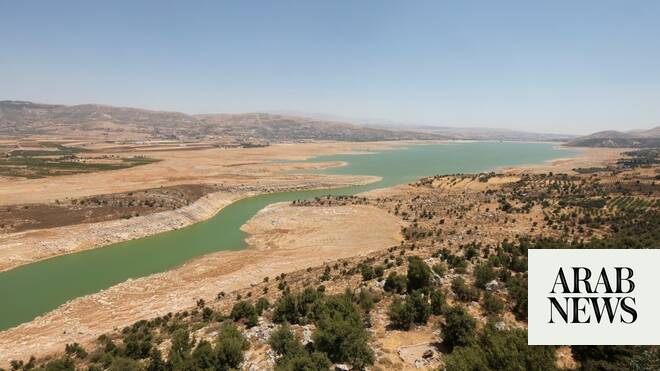
The Litani River National Authority, which manages irrigation and power projects along Lebanon’s main river, said inflows to Lake Qaraoun, the country’s largest reservoir, reached only 45 million cubic meters during the wet season, compared with an annual average of 350 million — the lowest level yet recorded.
A child drinks water next to her mother as the family sought refuge in a makeshift tent in Beirut’s southern suburb of Dahiyeh. (Reuters/File)
The effects are widespread. A Sept. 9 report from the UN refugee agency, UNHCR, found that one-third of Lebanon’s population — more than 1.85 million people — live in drought-prone areas, while 44 percent depend on costly and often unsafe trucked water.