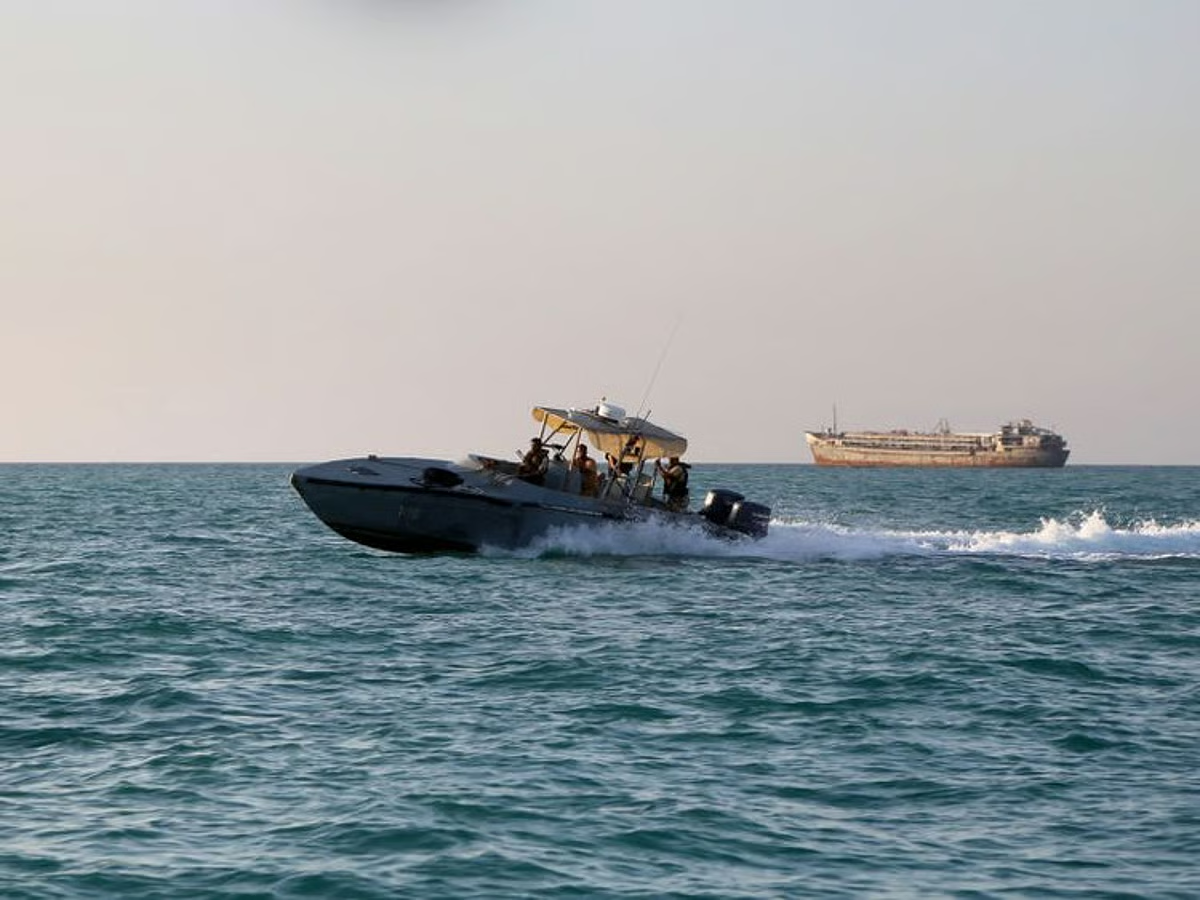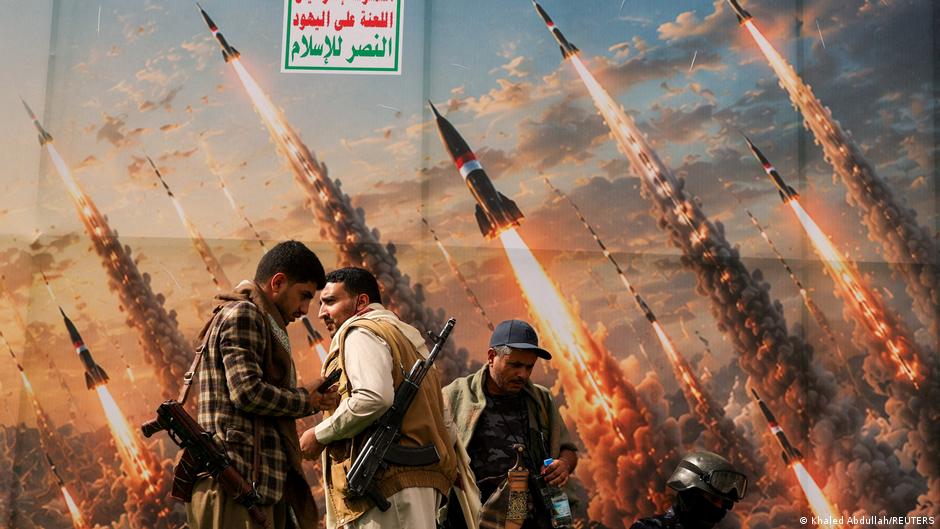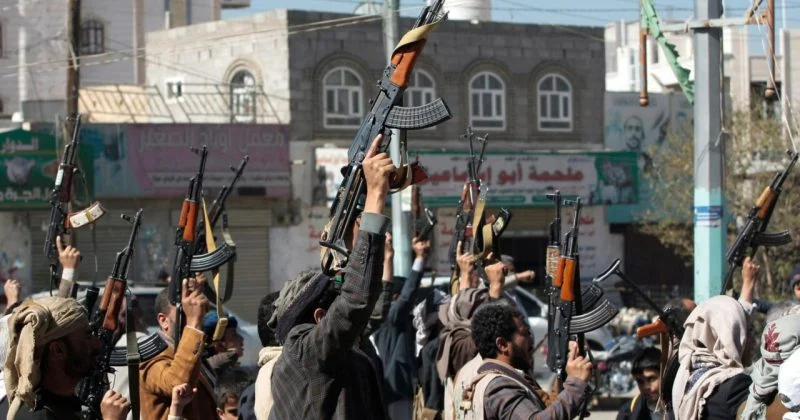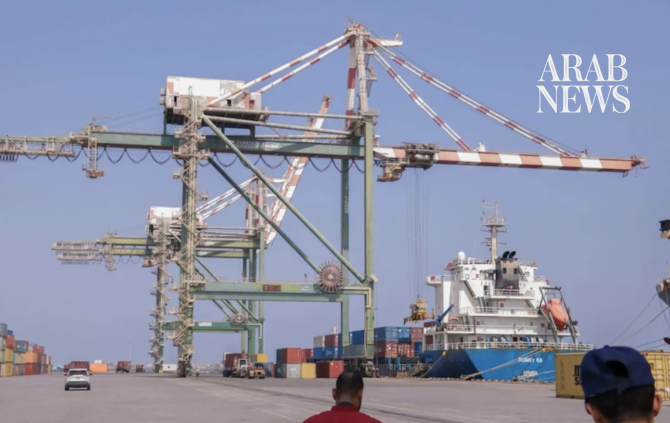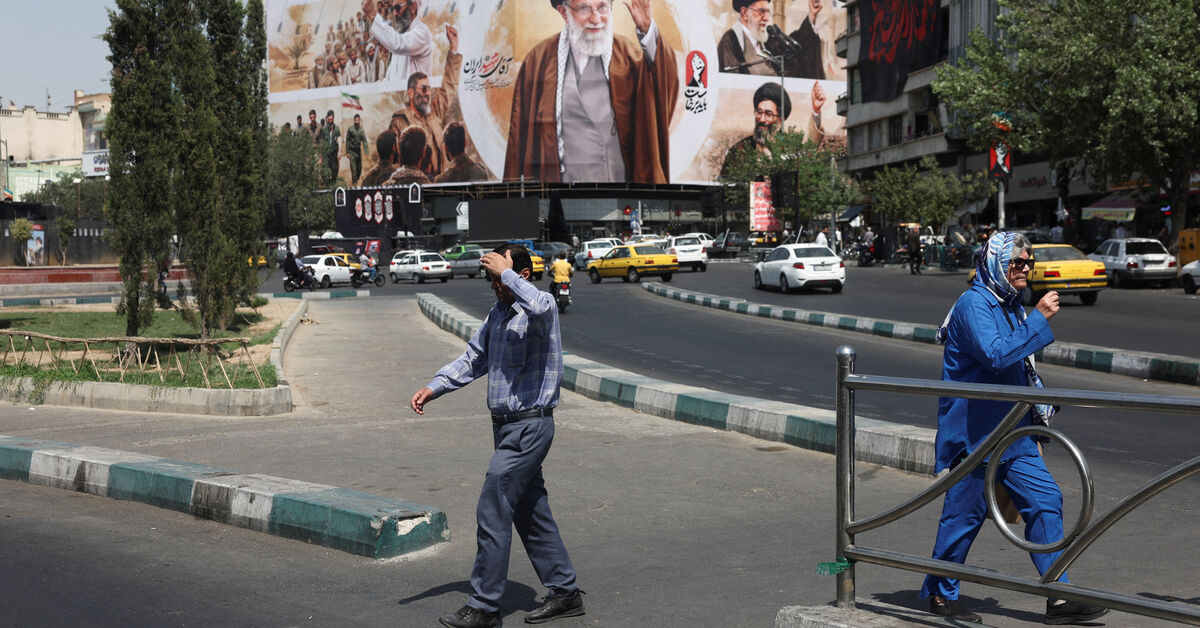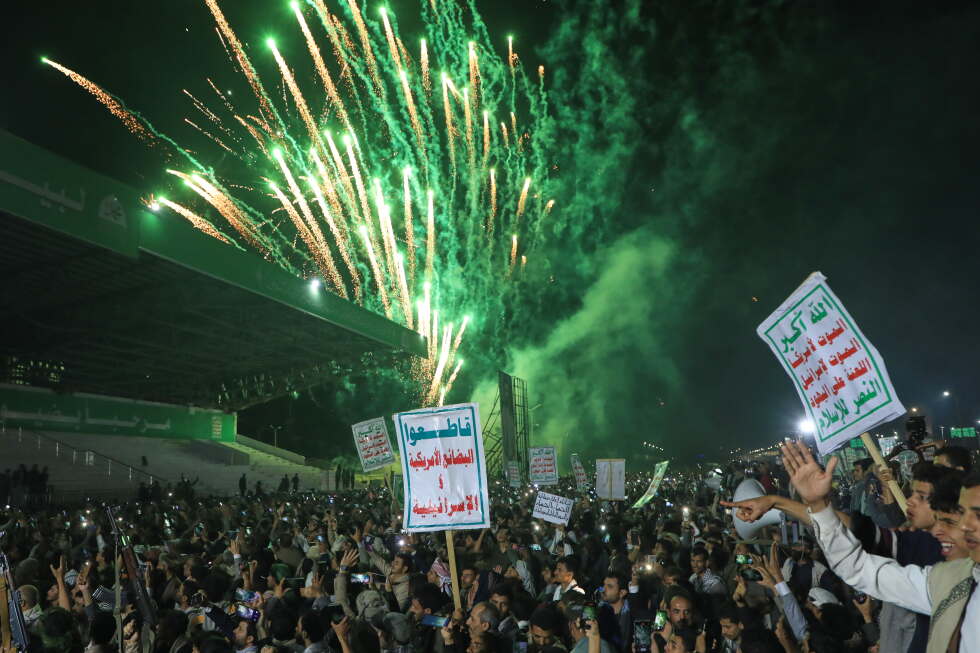
Yemen's Houthi Rebels are threatening to make the global energy crisis worse at the same time that the nation's own energy security is in dire straits. After four years of an unofficial truce and precarious peacetime, Yemen has once again erupted into conflict this week. And this escalating tension comes on the heels of months of threats on the part of the Houthi rebels to fight alongside Iran, potentially making the region's waterways ever more impassable for the global oil trade.Less than half of Yemen's population has access to electricity, and an energy crisis is growing more dire by the day in southern Yemen. In the intense heat of the summer, the southern city of Aden is experiencing power cuts for up to 20 hours a day. The regional Hiswa power station has halted service, with authorities indicating a "network strike", while another nearby power station, the President power station, has cut back production due to a lack of crude oil supplies to operate its generators.The New Arab reports that “the outages have disrupted daily life across the city, affecting water supply, health services, education and commercial activity” and that “Many residents in districts including Al-Mualla, Sirah and Crater have been forced to sleep on the streets, in scenes that reflect the scale of hardship caused by prolonged power outages.”As a result, Yemenis are using dangerous alternatives to gain access to electricity. Solar-plus-battery systems have become critical lifelines for energy security in poor countries with weak governance and infrastructure. Installation of these systems has skyrocketed in nations facing extreme temperatures and unreliable energy grids such as Pakistan and Yemen, but some of these systems are shoddily installed by residents without the supervision of the specialized teams that such installations require, and are therefore extremely hazardous to their users.In Yemen, this has resulted in a dangerous uptick in battery fires, with deadly consequences. Dr. Mohammed Saeed, the head of the emergency department at the burn unit of Al-Thawra Hospital, describes a gruesome scene. “We don’t know the exact technical reasons behind these solar energy fires, but the centre frequently receives patients from Taiz city and neighbouring governorates suffering from burns caused by battery fires,” he recently described to Al Jazeera.Battery fires are not the only energy-related crisis sending patients to the burn unit. Skyrocketing gas prices have also pushed many Yemenis to convert their vehicles to run on cooking fuel, which also poses major risks for fire and explosion. “The number of fire incidents has increased significantly due to these alternative energy hazards, specifically the improper use of solar energy systems and the unregulated conversion of vehicles to cooking gas,” Malik Al-Sabri, manager of planning and information for the Taiz police, told Al Jazeera.Yemeni leadership has indicated that it wishes to resume trade relationships with the United States in order to increase investment in the county's beleaguered energy sector. However, the situation on the ground in Yemen is worsening, threatening the stability of the country's internationally recognized governmental bodies. Yemen's domestic energy emergency is taking place in tandem with an uptick in political tensions and renewed conflict between Yemen's military and the Houthi rebels, who have indicated that they are prepared to escalate tensions in the region's oil sector.As the closure of the Strait of Hormuz stretches on, choking off one-fifth of the world's crude oil trade, the Bab al-Mandeb Strait, which provides a gateway to the Red Sea and is partially under Yemeni control, has become an increasingly critical pressure point. The Houthis have been threatening to block passage of the waterway for months, and are now making efforts to block its passage, potentially kicking off a brand new global oil shock in the near future.“The Yemen situation, or the entire Bab al-Mandeb region, has been on a powder keg from the first day of the war,” said Ibrahim Fraihat, a professor of international conflict resolution at the Doha Institute for Graduate Studies.By Haley Zaremba for Oilprice.com More Top Reads From Oilprice.comU.S. Gasoline Prices Could Hit $4 Per Gallon Within DaysUtility-Scale Solar Costs Rise 18% but Remain Cheapest Power SourceGovernment Takes Control of British Steel, Citing National Interest
Yemen's Houthis Threaten New Oil Shock as Civil War Reignites | OilPrice.com
Renewed war in Yemen and Houthi threats to Bab al-Mandeb collide with blackouts and deadly battery fires as the country's energy crisis deepens.
688 words~3 min read