More than 2,200 years before satellites, GPS and space missions revealed the Earth's true size, an ancient Greek scholar calculated the planet's circumference using nothing more than a stick, sunlight and basic geometry.
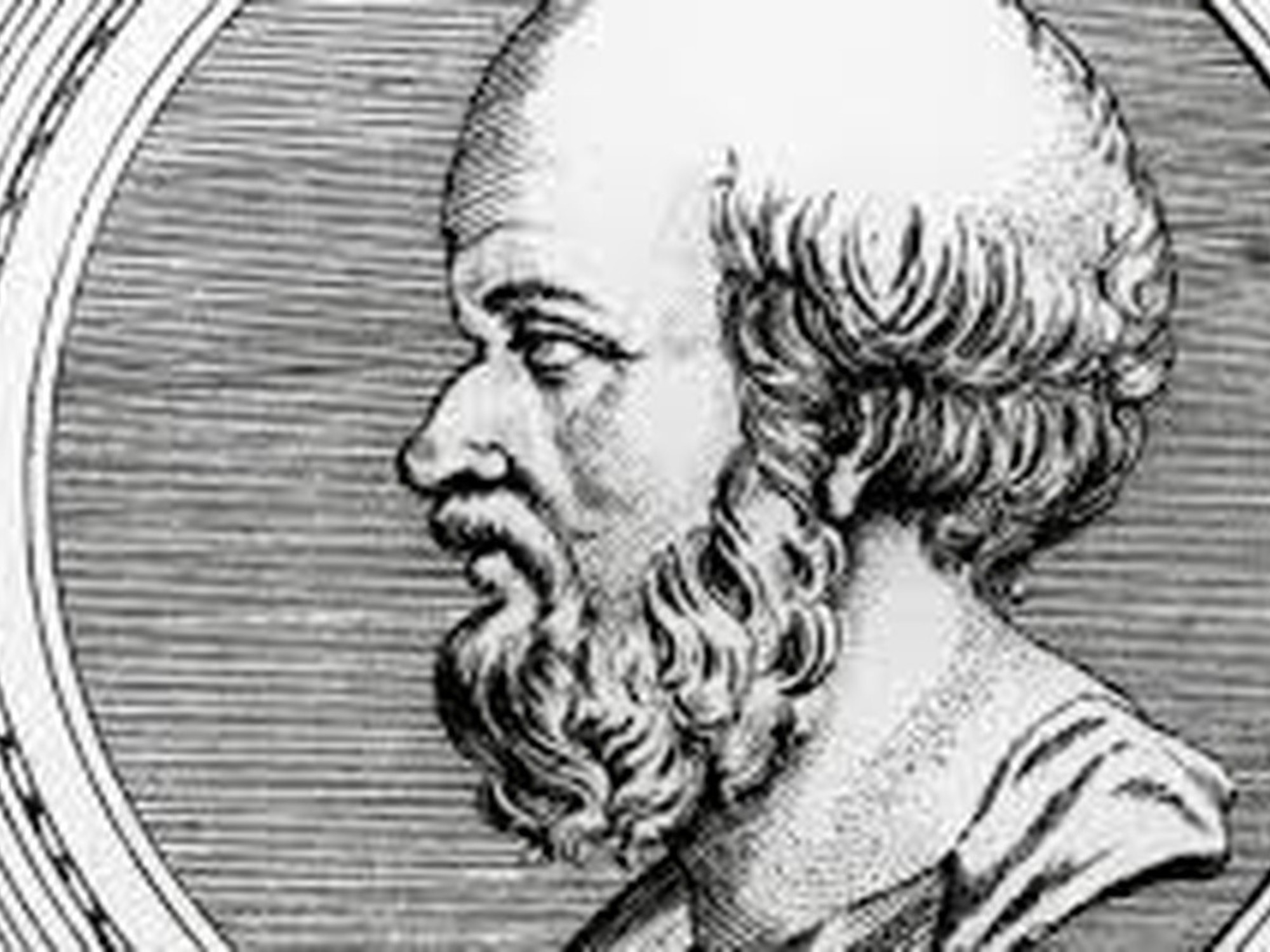
Around 240 BCE, Eratosthenes, the chief librarian of the Library of Alexandria, carried out one of history's most brilliant scientific experiments.
By comparing the lengths of shadows in two Egyptian cities, he produced an estimate of the Earth's circumference that came astonishingly close to the modern measurement, proving that careful observation and mathematics could unlock the secrets of the natural world.How did an ancient Greek scholar calculate the planet's circumferenceAccording to the American Physical Society, Eratosthenes had heard that in Syene (modern-day Aswan) on the summer solstice, the Sun stood directly overhead at noon.
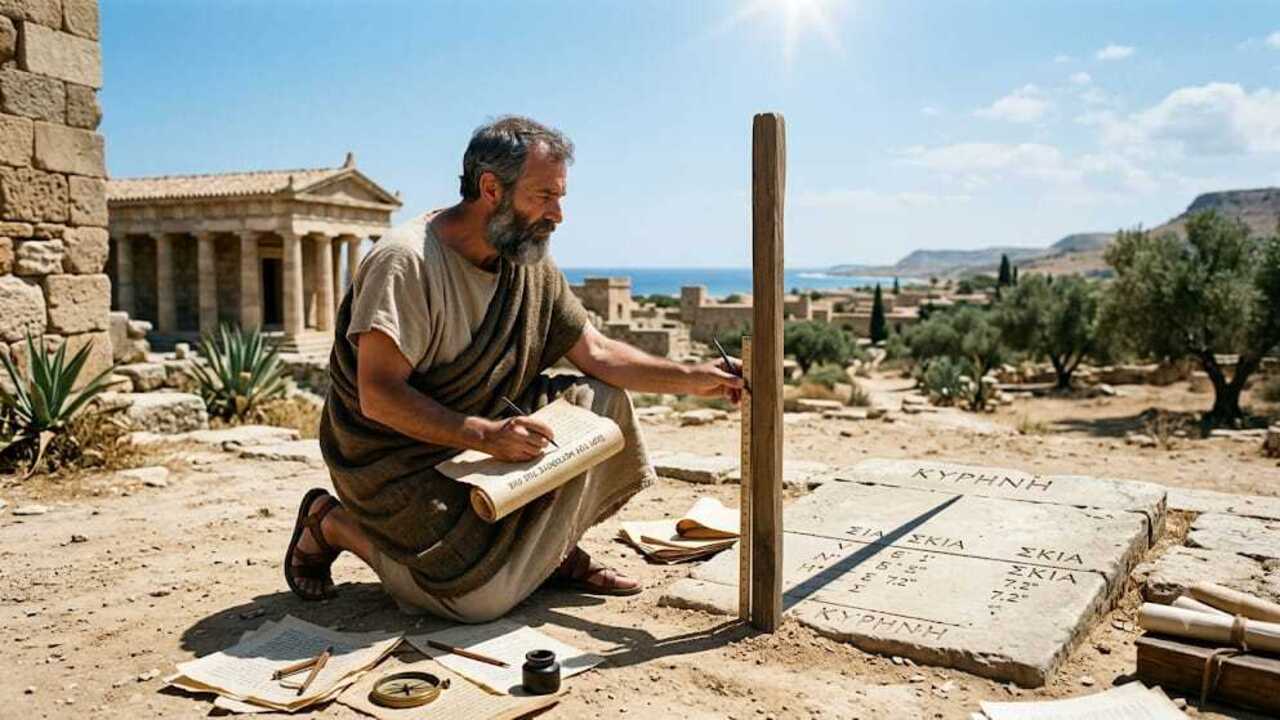
At that moment, sunlight reached the bottom of deep wells, and upright objects cast virtually no shadow.Curious whether the same was true elsewhere, he observed the Sun in Alexandria, around 800 kilometres to the north, at the exact same time.
Unlike in Syene, a vertical stick there cast a noticeable shadow.