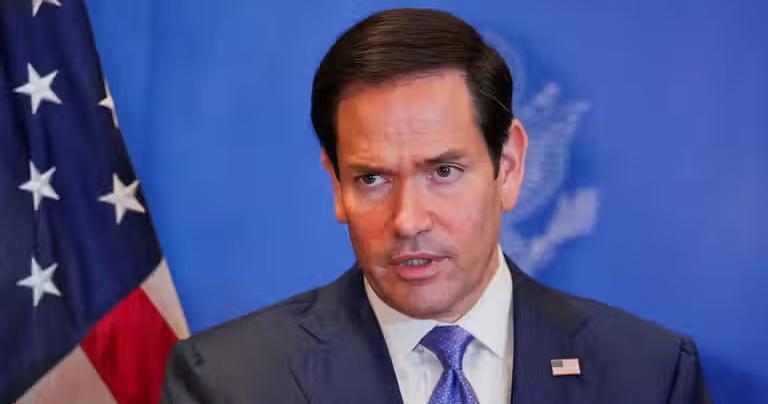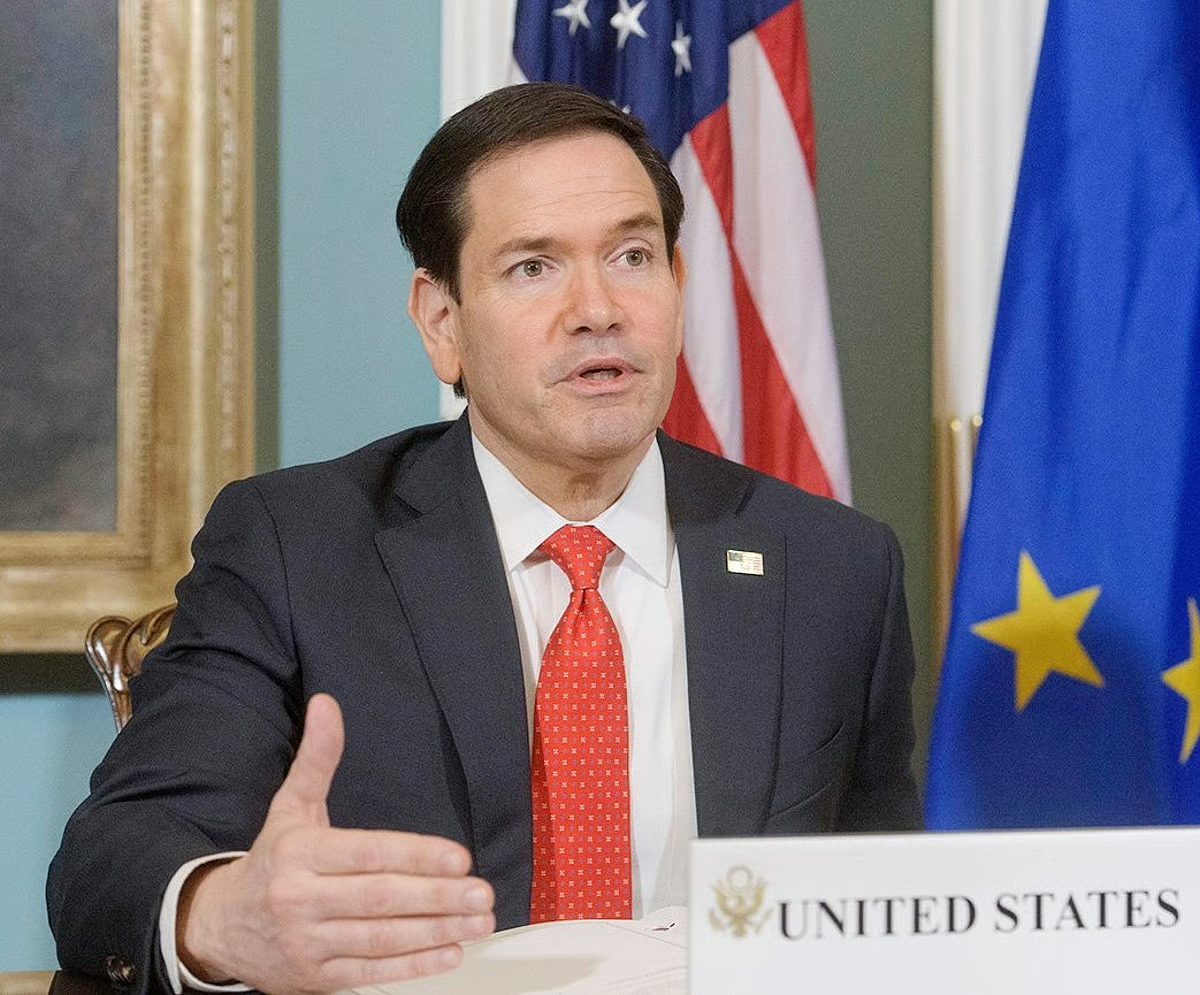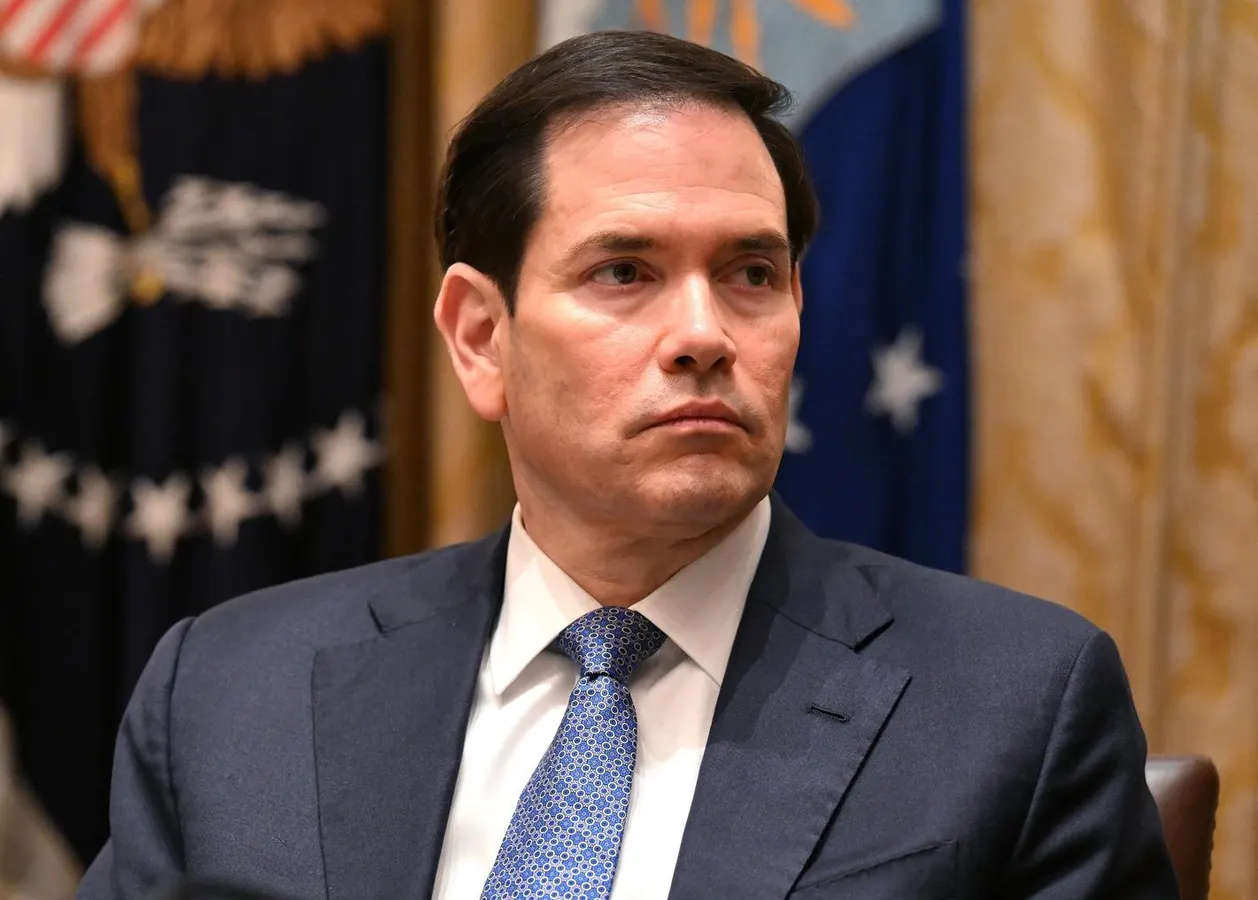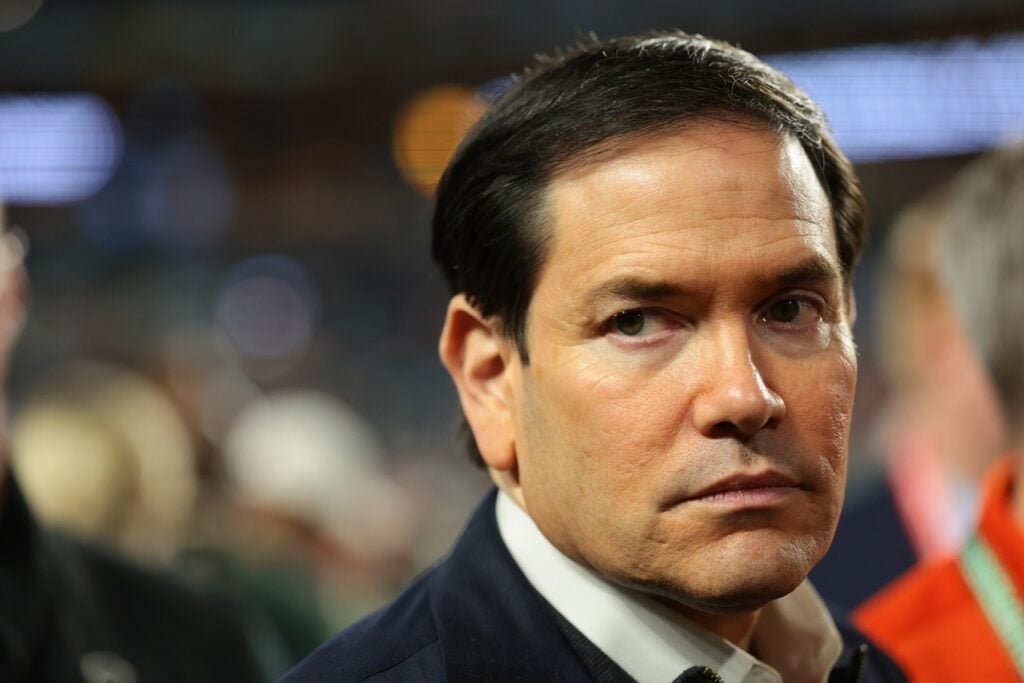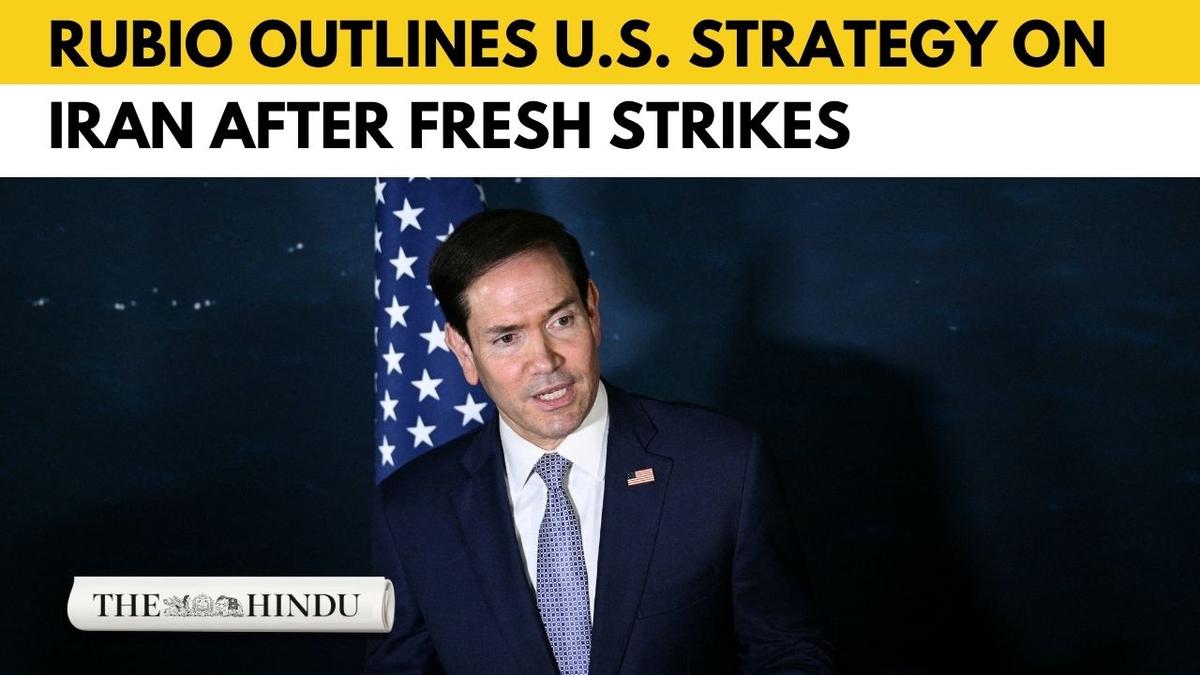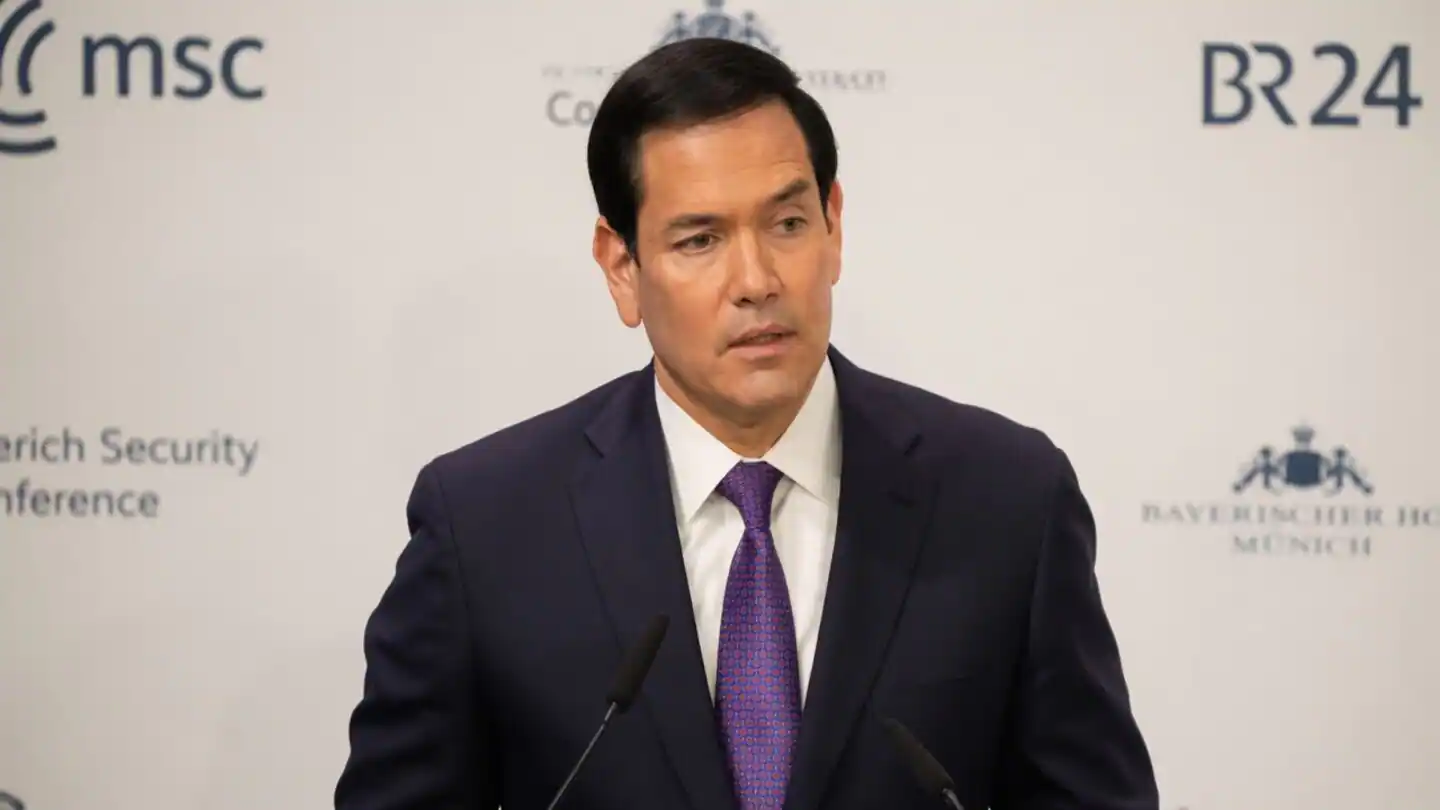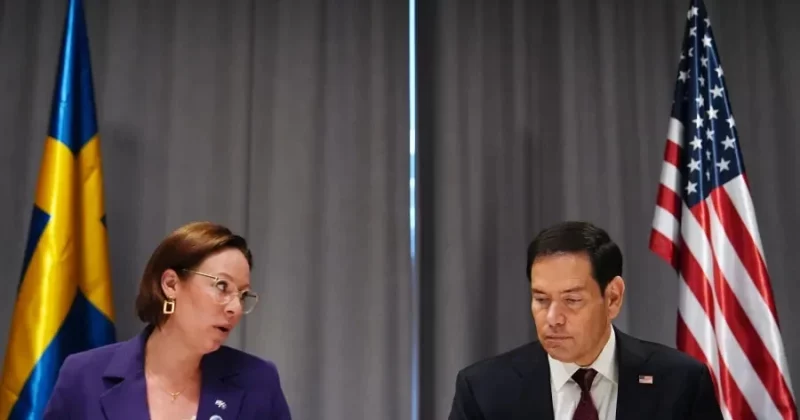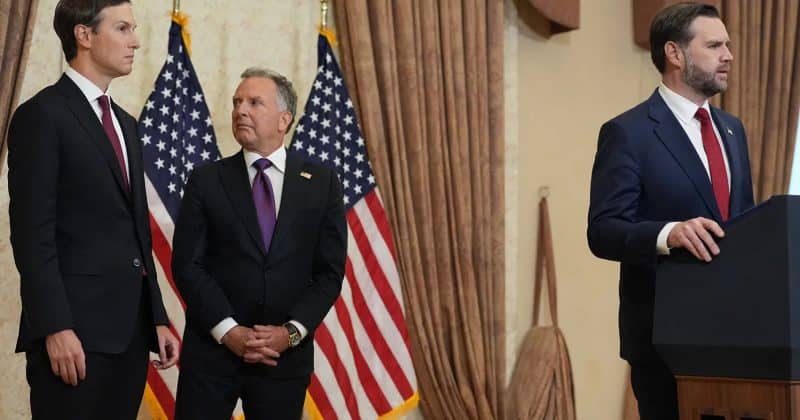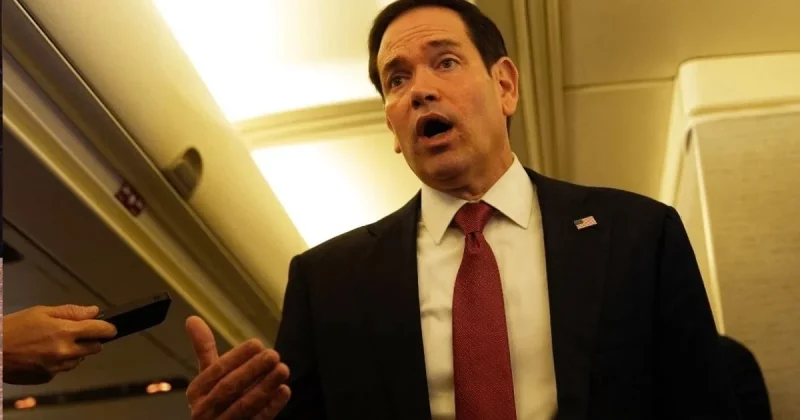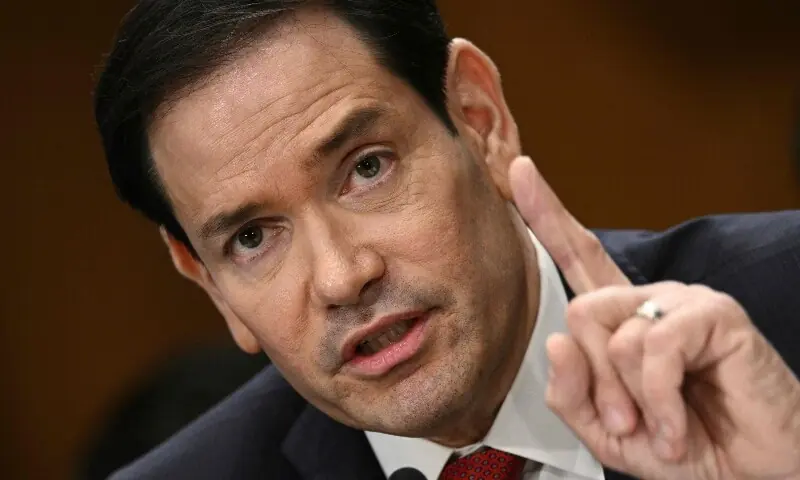
Secretary of State Marco Rubio announced on July 20 that the United States remains open to diplomatic engagement with Iran, even as US military strikes entered their ninth consecutive night. The statement is the clearest signal yet that Washington is looking for an off-ramp from a conflict that has rattled global markets, cratered oil supply expectations, and triggered roughly $350 million in crypto liquidations in the span of a few days.
What happened and why it matters for markets
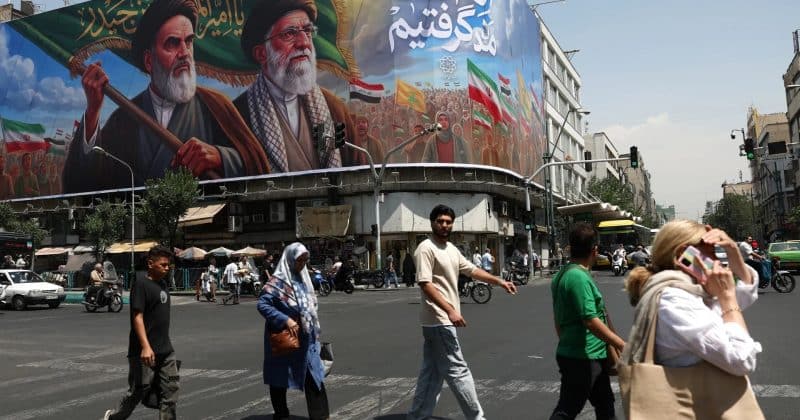
The US bombing campaign against Iran, now stretching over nine nights, represents one of the most significant direct military confrontations between the two nations in decades. Rubio’s remarks emphasized that the US would protect its interests while simultaneously leaving the door open for talks under conducive conditions.
Bitcoin fell more than 2% to approximately $62,000 during the mid-July escalation of hostilities. Around $350 million in liquidations swept through crypto markets as leveraged traders got caught on the wrong side of the volatility spike.
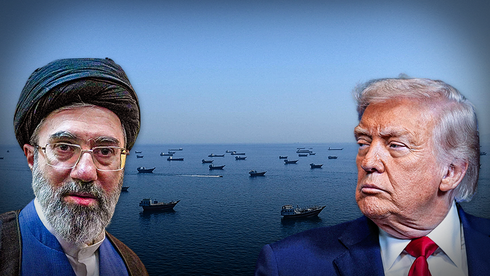
Oil prices have been a key transmission mechanism. The Strait of Hormuz, through which roughly a fifth of the world’s oil supply passes, sits uncomfortably close to the conflict zone. Any disruption to those shipping lanes would send energy prices surging, which in turn feeds inflation expectations, which in turn makes risk assets like crypto less attractive to institutional allocators.