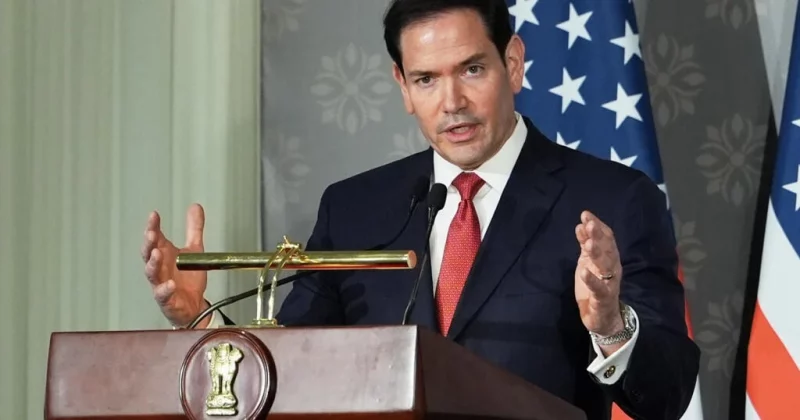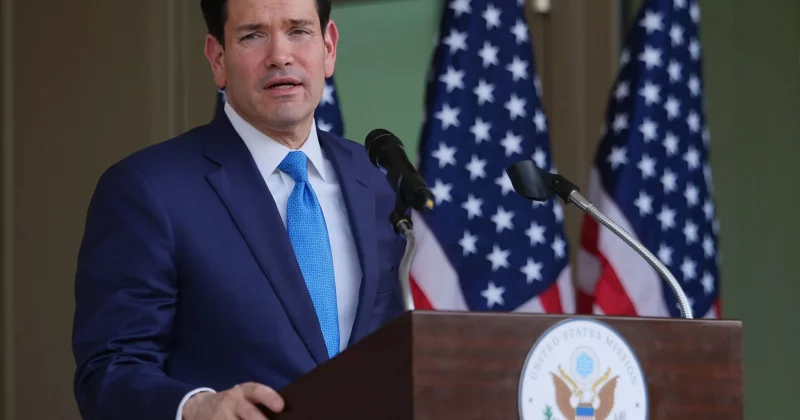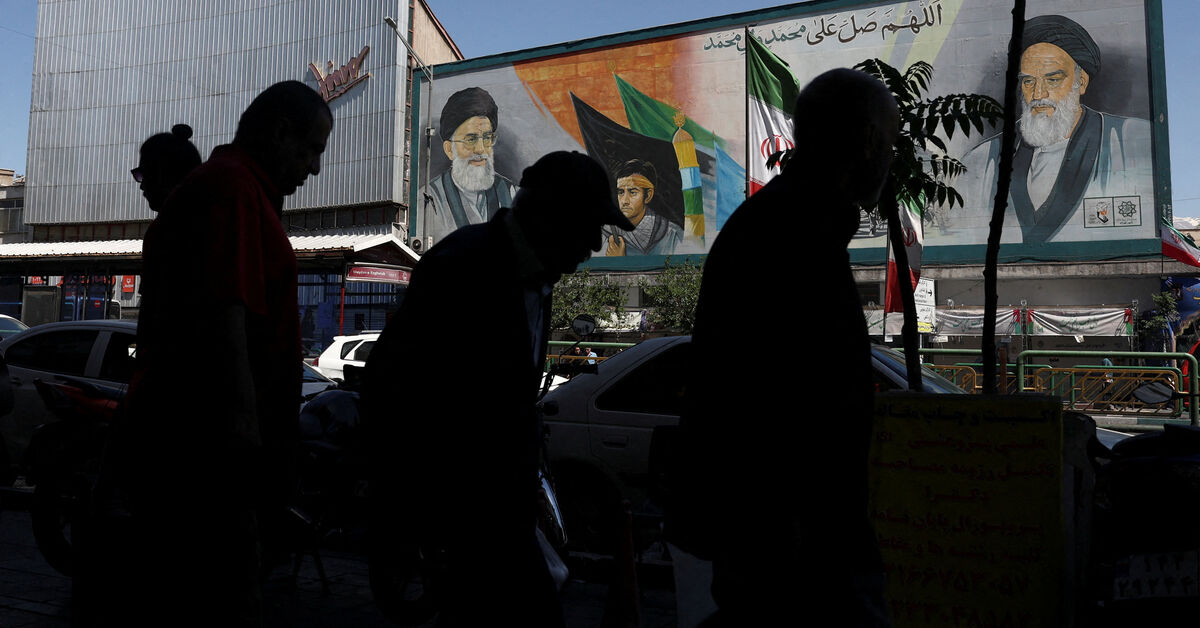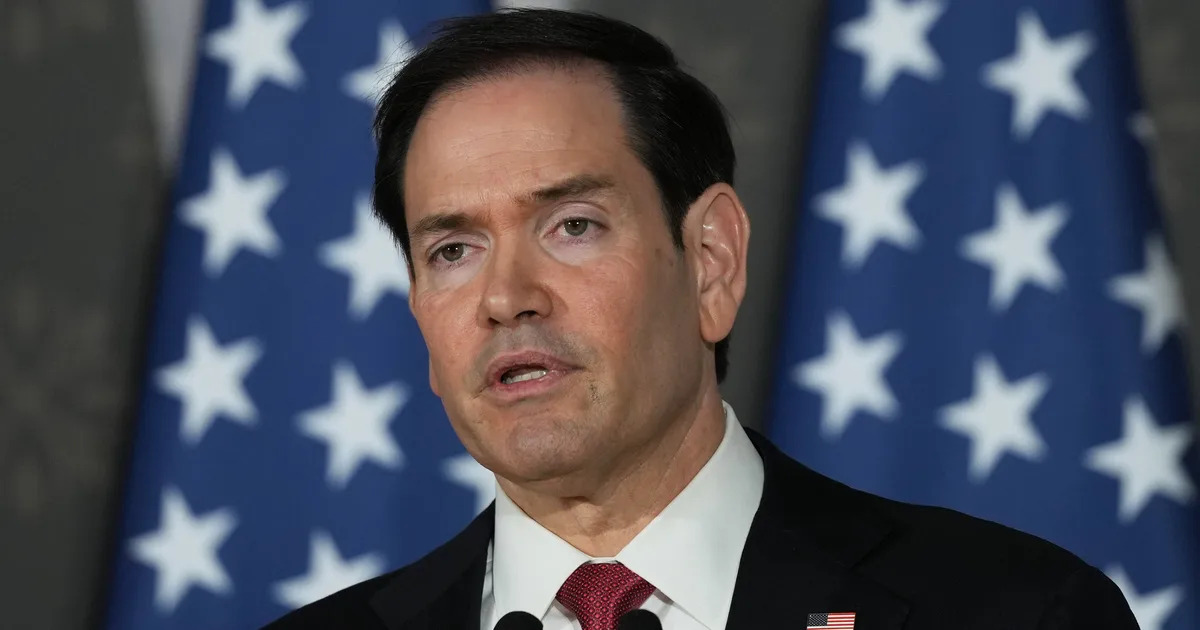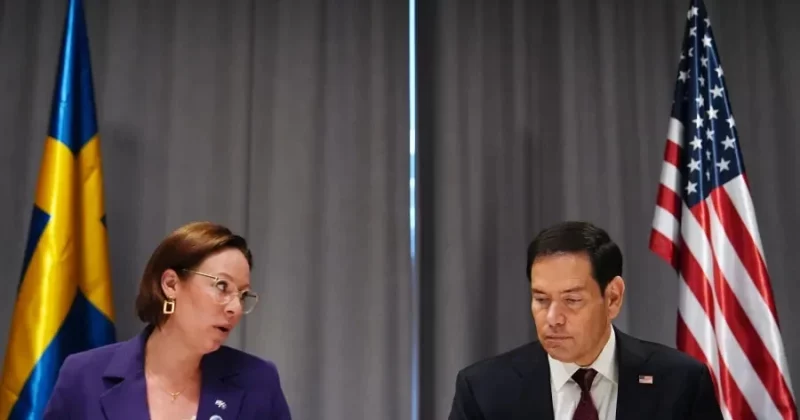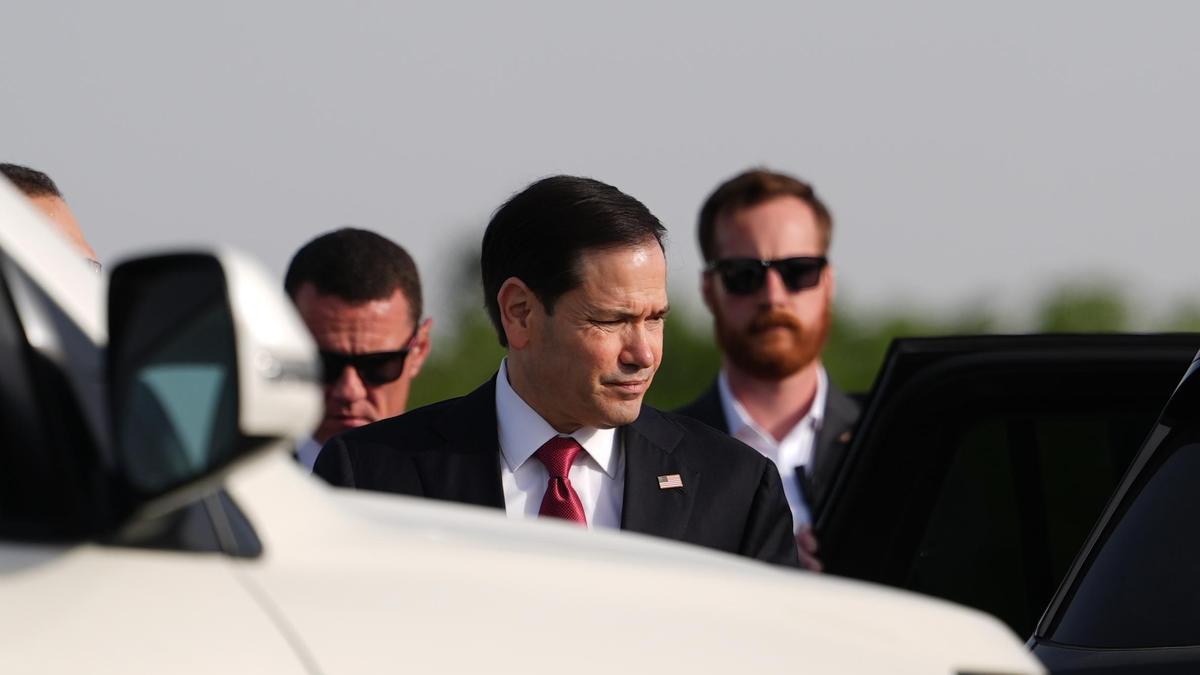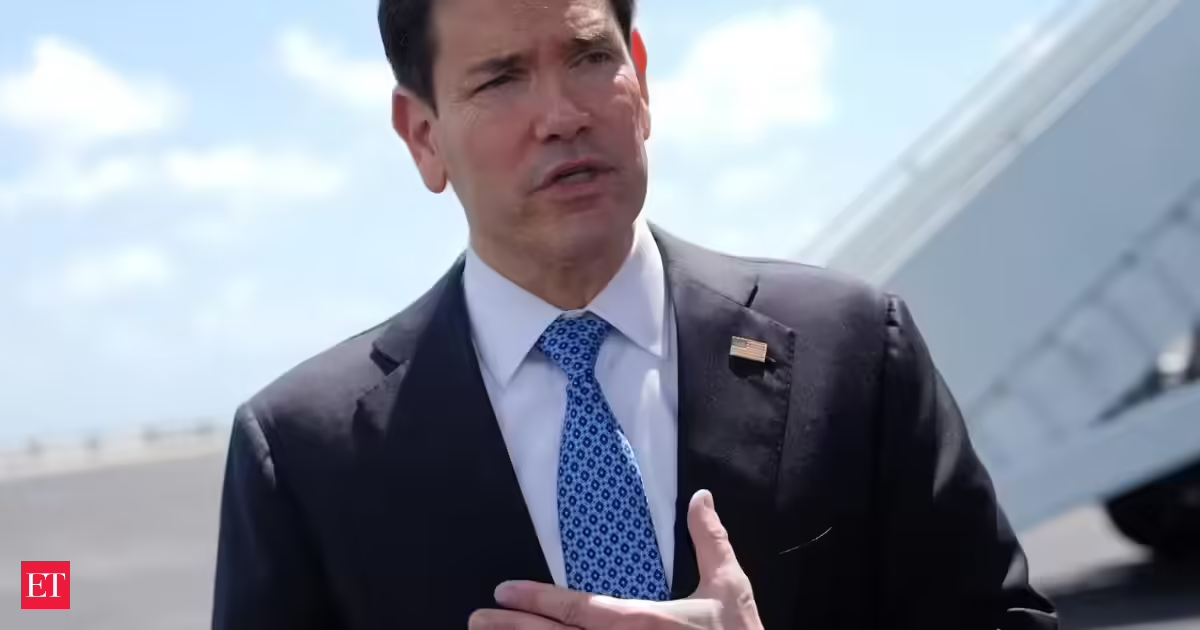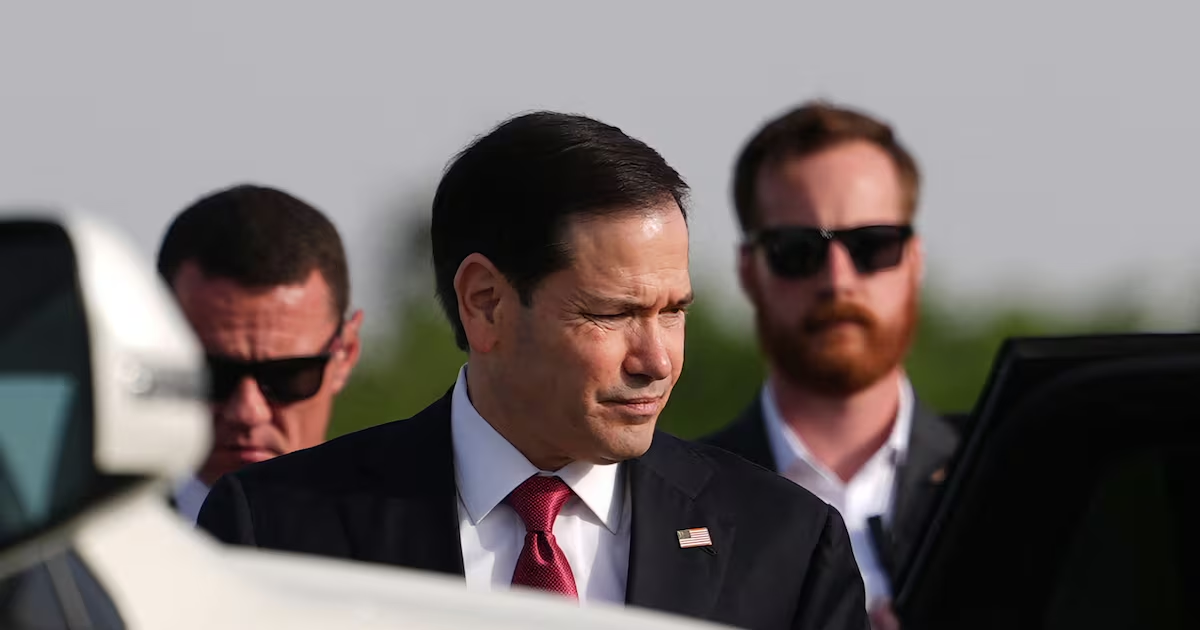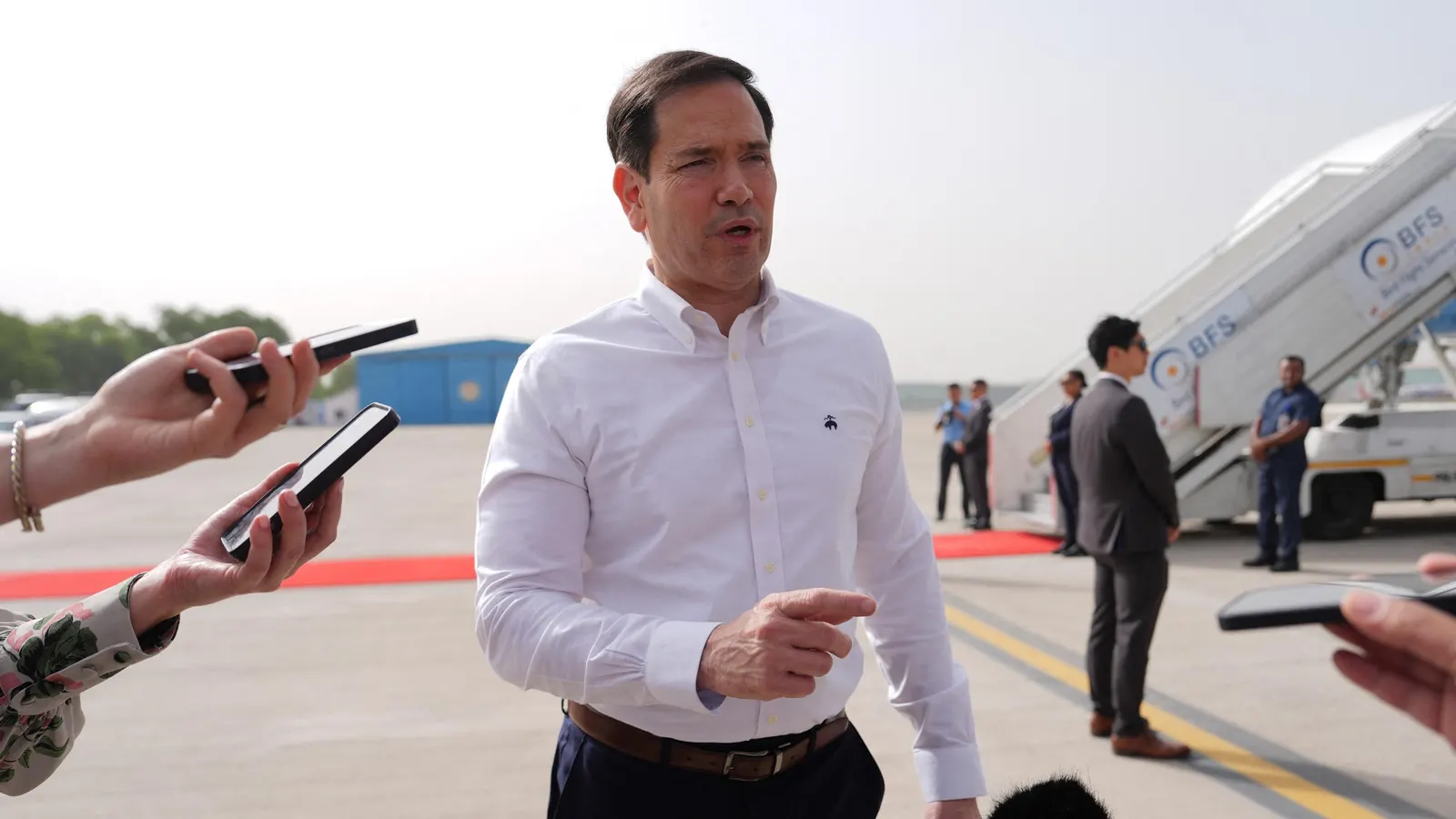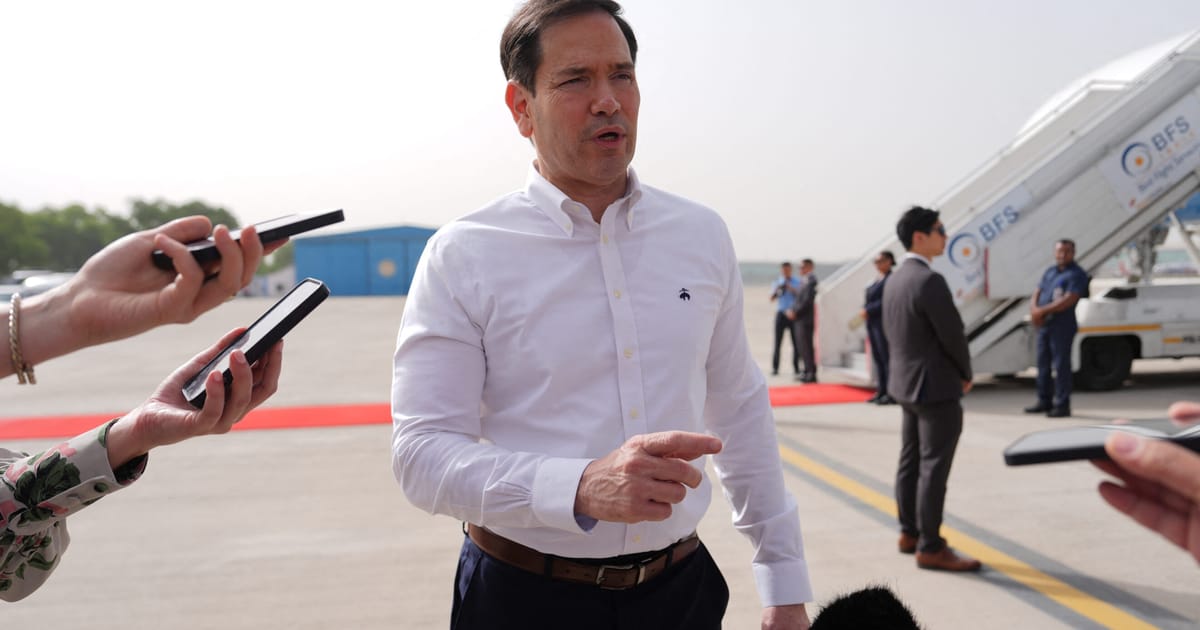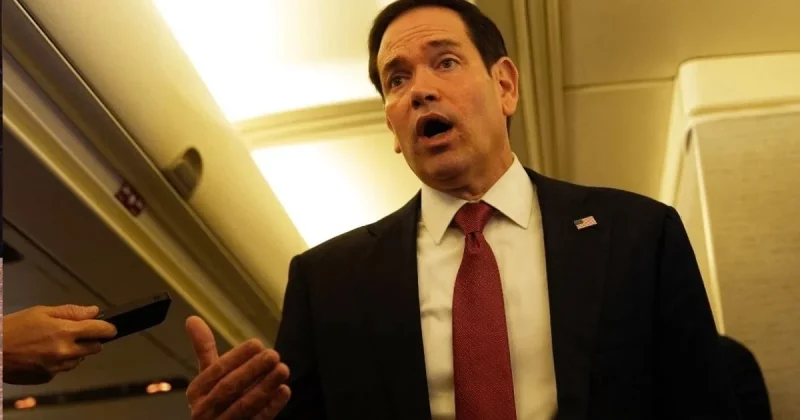
US Secretary of State Marco Rubio said on May 26 that a potential deal with Iran could materialize within days, even as American forces carried out strikes on Iranian missile launch sites and vessels. The diplomatic optimism, however thin, arrived alongside renewed military action that has kept global markets on edge for months.
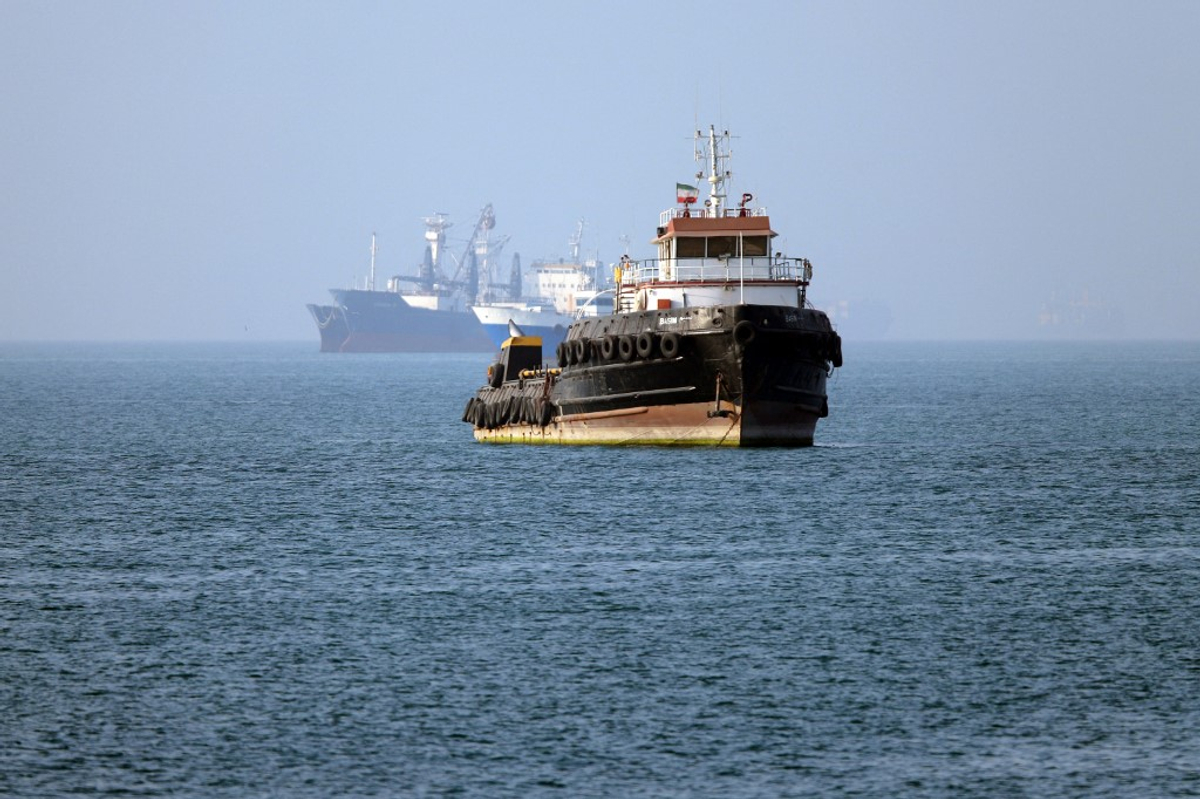
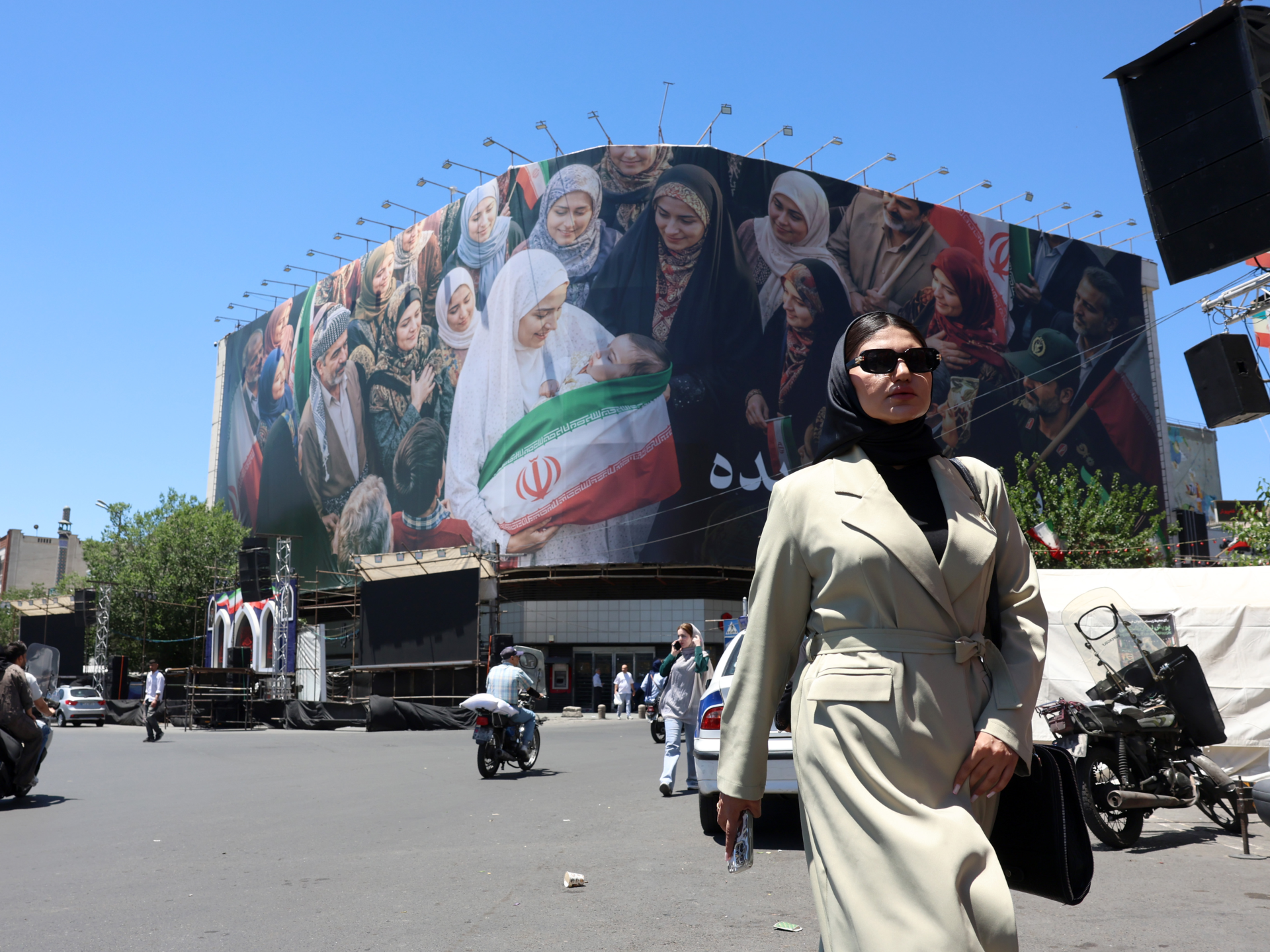
US Central Command confirmed self-defense strikes on May 25 and 26 targeting Iranian missile sites and boats. Meanwhile, an Iranian delegation was in Doha, Qatar, negotiating over ceasefire extensions, the reopening of the Strait of Hormuz, and the ever-thorny nuclear program. Both sides acknowledged progress but tempered expectations, with disputes over draft document language slowing things down.
Rubio characterized the potential delay as lasting “a few days,” pinning the holdup on disagreements over wording in draft documents. Iran, for its part, acknowledged “some progress” in the talks but stressed that no deal is imminent.
The broader conflict between the US, Israel, and Iran stretches back to February 28, 2026, when American and Israeli forces began striking Iranian facilities. Since then, there have been multiple rounds of escalation and de-escalation, including a two-week ceasefire in April that briefly calmed markets before tensions ratcheted back up.