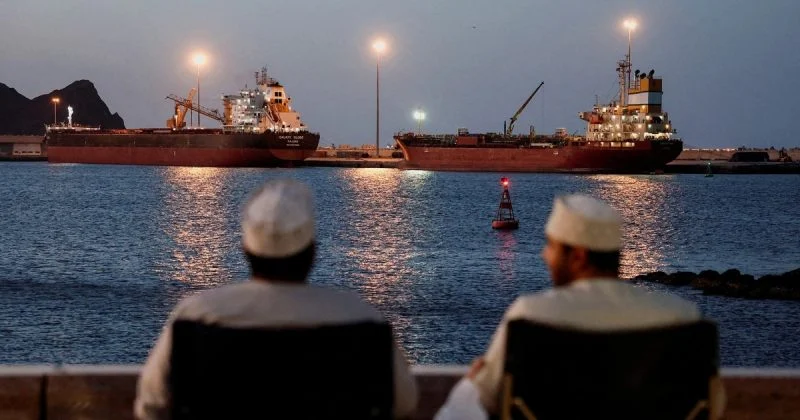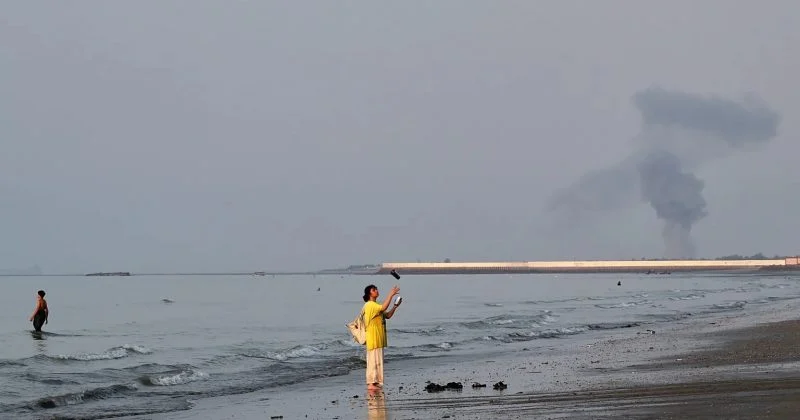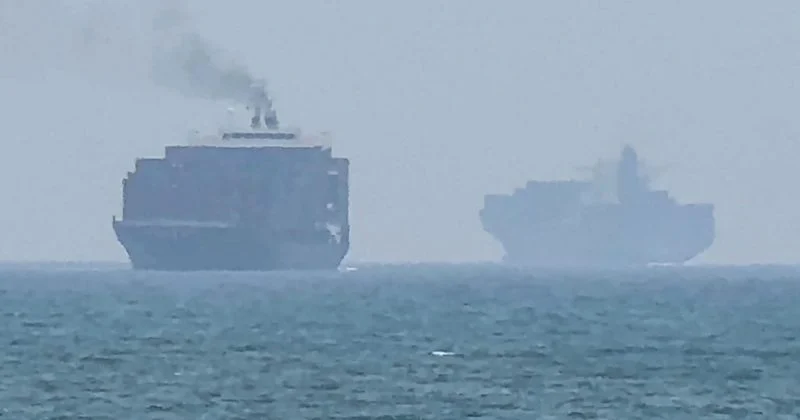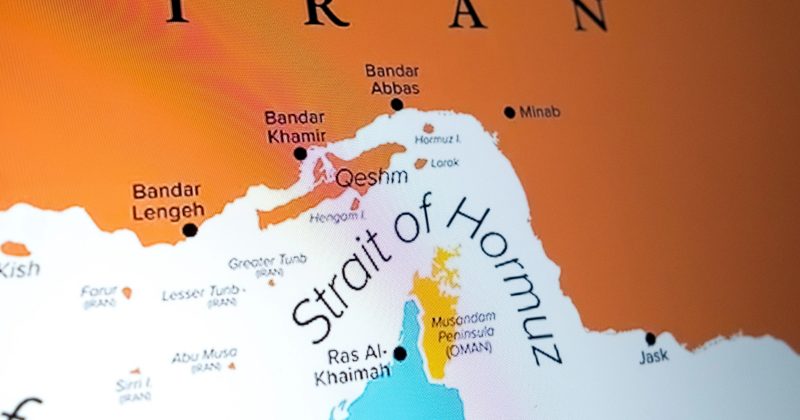
Iranian Foreign Ministry spokesman Esmaeil Baghaei has attributed the potential expansion of the ongoing conflict to the United States, accusing it of utilizing regional territories to conduct attacks against Iran. This statement adds to the tension in the region, as the conflict between the U.S., Israel, and Iran continues to escalate following a breakdown of a ceasefire. The conflict has already seen significant military activities, including U.S. strikes on Iranian targets and Iranian retaliatory attacks on American installations and commercial shipping in the Strait of Hormuz.
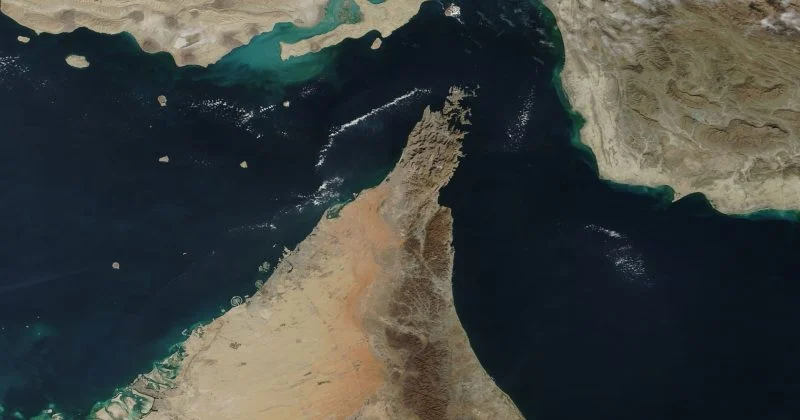
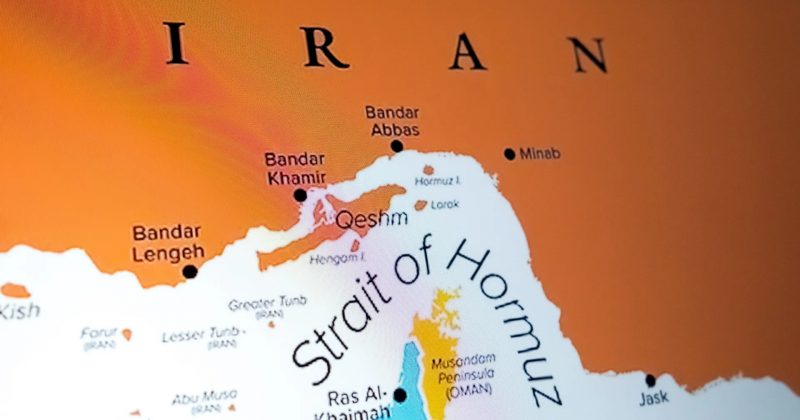
The current exchange of hostilities and Iran’s direct warning to neighboring countries about facilitating U.S. operations may influence market expectations regarding regional stability. The Strait of Hormuz, a critical maritime chokepoint for global oil transit, remains a focal point of concern. The market for Strait of Hormuz traffic normalization by August 31 reflects these tensions, with participants appearing to view the likelihood of normal traffic resuming as low, given the ongoing hostilities and recent statements from Iranian officials.
The pricing in markets related to the Strait of Hormuz traffic suggests a heightened perception of risk and uncertainty, consistent with scenarios where regional tensions persist or escalate further. As the conflict continues, any developments towards de-escalation or further confrontation could significantly impact market expectations.