Len Noe — Solutions Architect at BeyondTrust
Jul 20, 2026
When I work on an incident, the first question I ask is almost never "what malware ran." It's "whose credentials did it use, and what was that account allowed to touch." Nine times out of ten, the interesting part of the story isn't the exploit. It's the access. The exploit gets you in the door. The privilege is what lets you walk through the building.
For thirty years, that question had a human-shaped answer. A person clicked something, a person got phished, a person reused a password, an admin left a service account sitting on a domain controller with a password from 2014. The identity at the center of the incident belonged to somebody with a badge and a manager. That assumption is quietly dying, and most enterprises have not adjusted their controls to match.
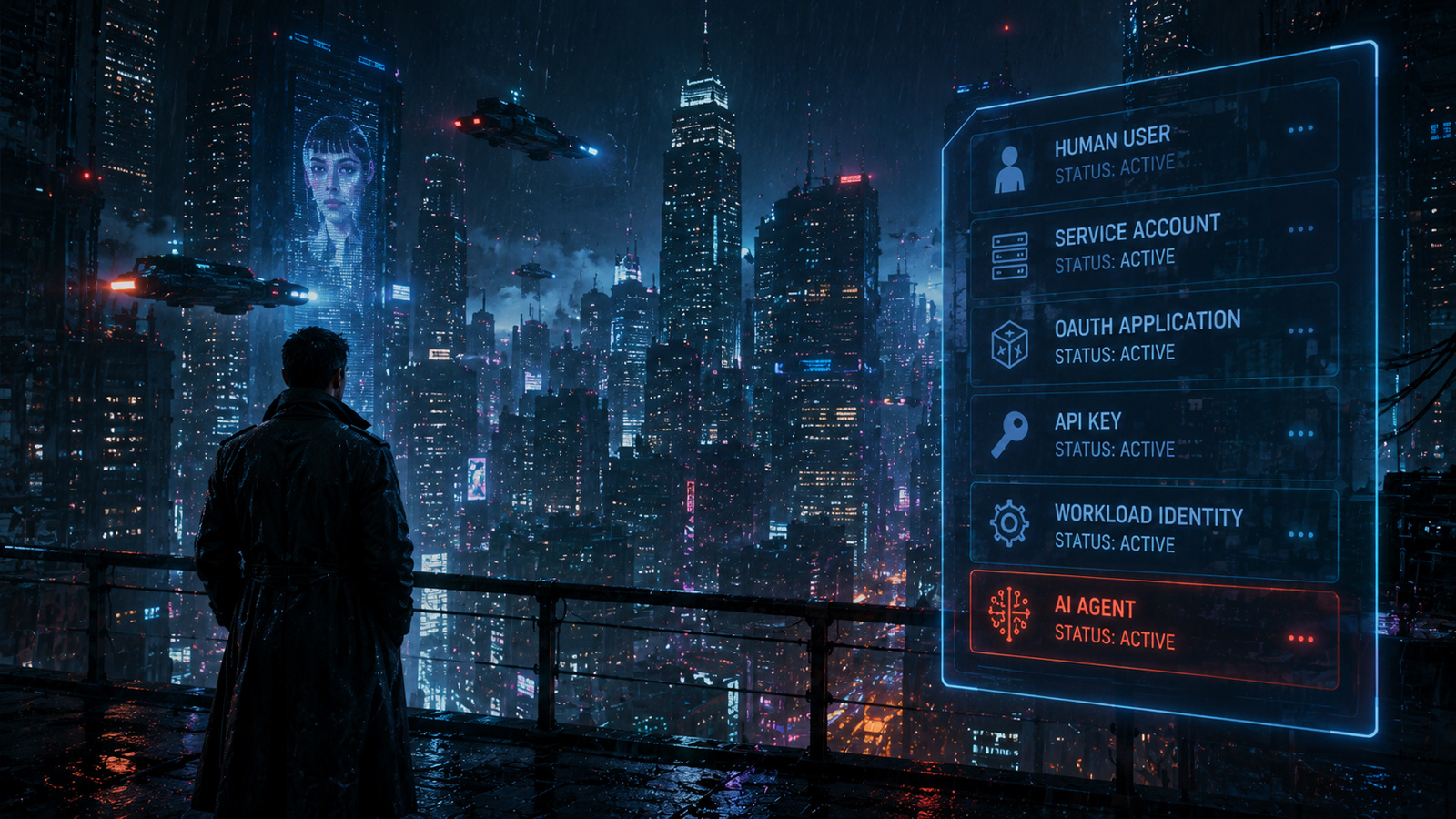
The actor on your network is increasingly not a person at all. It is a workload, a script, a bot, an API (application programming interface) client, and now an AI agent that can reason, plan, and act on its own initiative. These non-human identities (NHIs) already outnumber human ones in most environments, and the gap is widening. The industry is finally naming the problem out loud, and two developments in the summer of 2026 made that official.