For years, security teams built their programs around a simple premise of if you control the identities, you can control the risk. Employees authenticate through identity providers. Service accounts connect systems. API keys let workloads talk to cloud services and databases.
The actors have been very predictable. And as a result, the identity security and governance model have followed that predictability. Now, this premise is breaking.
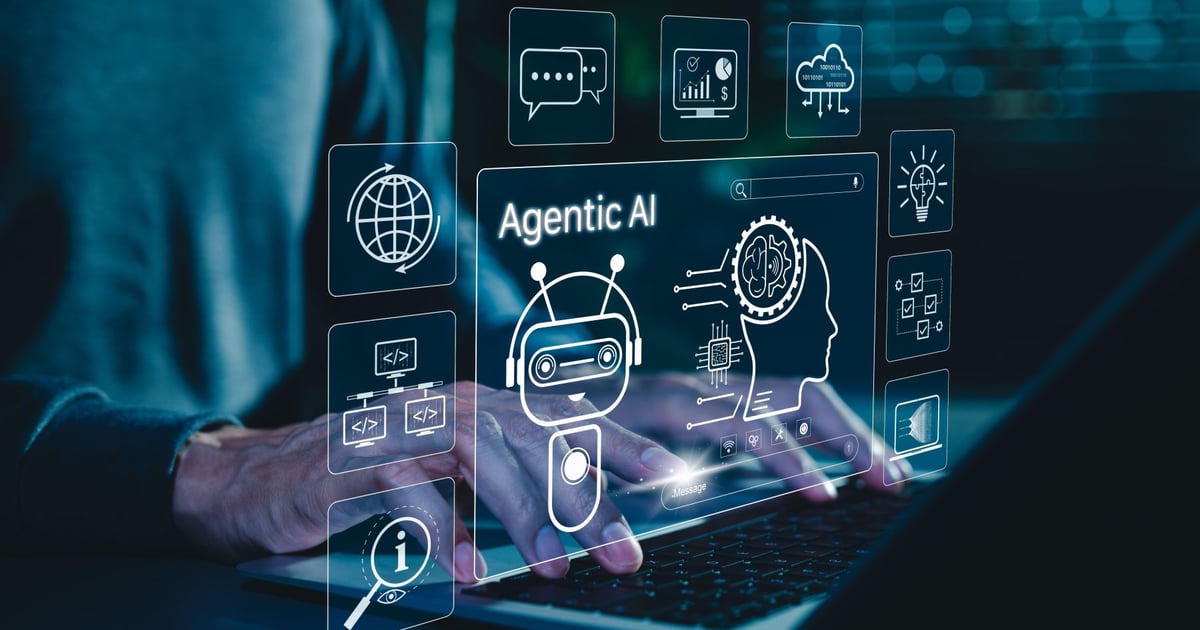
AI agents entered the enterprise quietly, summarizing meetings, drafting emails, helping employees find information. Most security teams didn't think hard about them at first. They looked like productivity tools, because that is exactly what they were.
Then, organizations started connecting them to critical business services such as Salesforce, Snowflake, GitHub, Jira, production databases, and cloud environments. Now, they retrieve information, trigger workflows, update records, write and deploy code, and take actions across multiple systems.
Sometimes on the behalf of a human, sometimes autonomously, and sometimes in ways where it's genuinely unclear which.