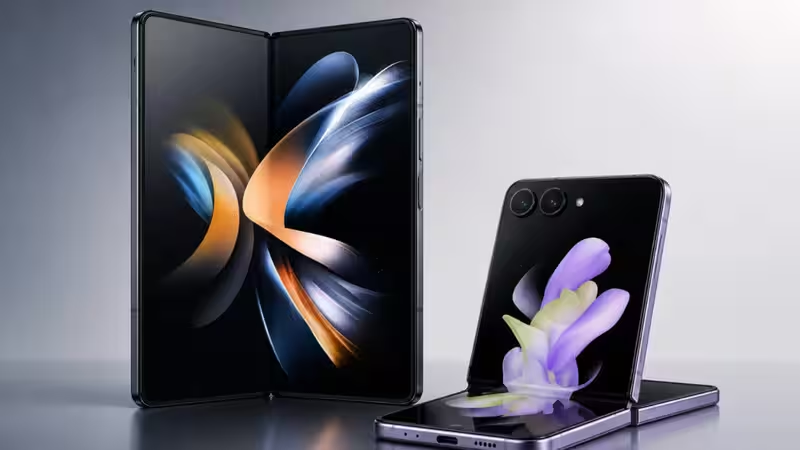
There is a number in the middle of the second-quarter smartphone data that does not behave like the rest of the market. Every major tracker - Counterpoint, IDC, Omdia, now agrees that the April-through-June period was historically grim: global shipments down somewhere between 4% and 11% year over year depending on whose model you trust, the weakest Q2 in more than a decade, a full-year decline forecast at 12% or worse. The culprit has a name, and it is not demand fatigue or tariffs. It is memory. The same AI data-center build-out that has consumed the world's high-bandwidth memory supply has driven mobile DRAM prices up by roughly 89% in a single quarter, forced almost every Android maker to raise prices, and pushed buyers, especially in the entry and mid-range tiers to hold onto their phones.And yet, inside that wreckage, one category barely moved. According to preliminary estimates published July 19 by Smart Analytics Global, foldable smartphone shipments declined just 2% year over year to 3.4 million units in Q2 2026, outperforming the broader market by somewhere between six and nine percentage points, depending on which total-market figure you prefer. The firm behind the number frames it plainly: premium buyers are still paying for folding screens even as the rest of the industry retrenches.About The AuthorAt heart, I am a storyteller drawn to the watershed moments that bend the technology landscape. I braid narrative with data, humanise statistics, and trace the arc from first spark to world-changing impact. My reportage, features and reviews are witty, sardonic, visual and vivid, using anecdote to illuminate rather than eviscerate.
Foldable Shipments Barely Fell While the Smartphone Market Crashed - and Huawei Took 48%
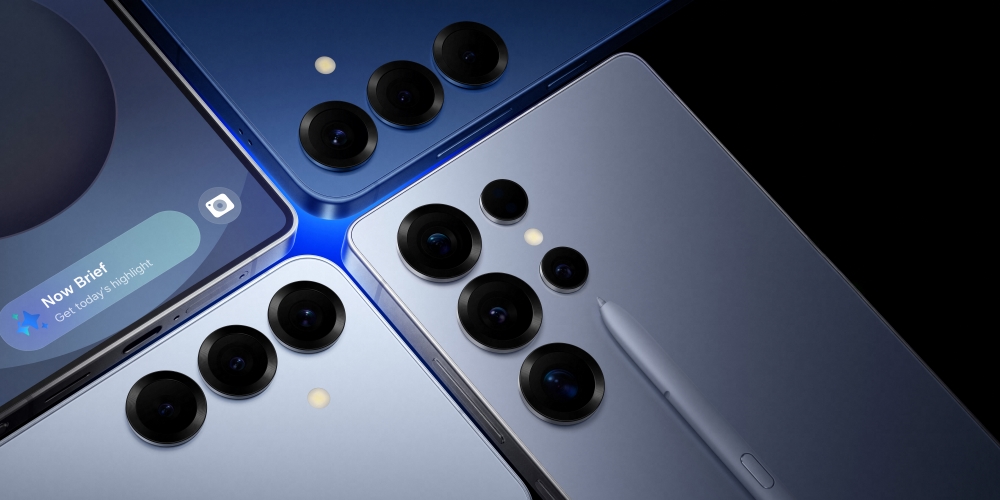
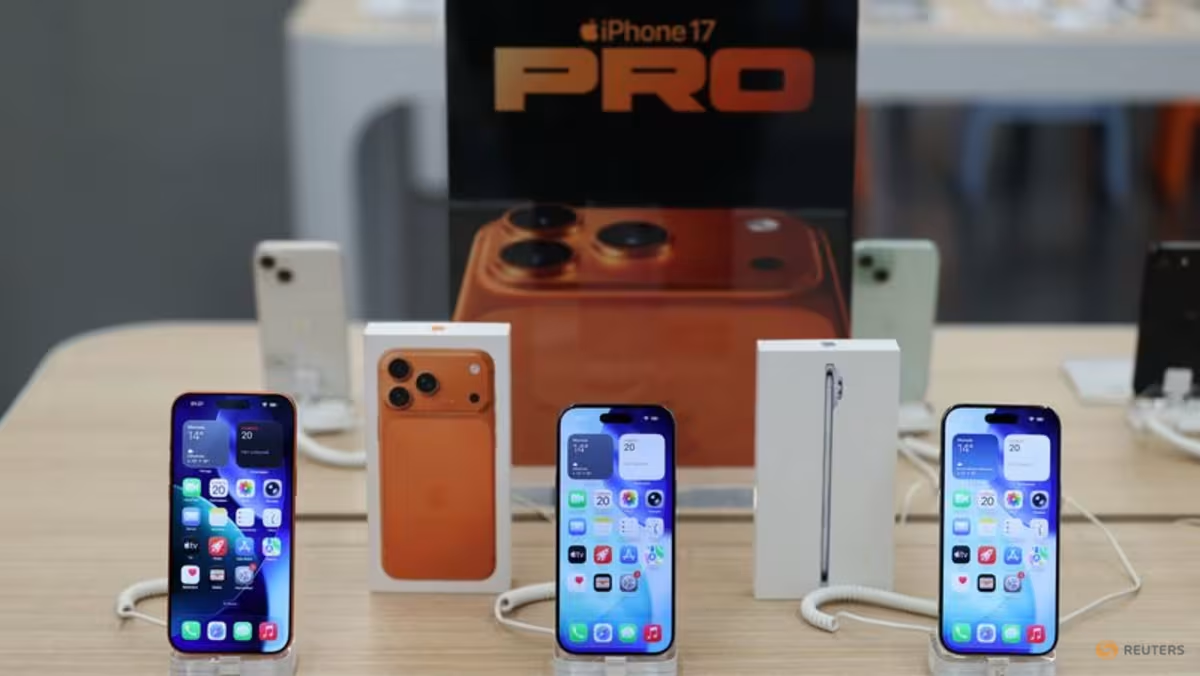
Samsung grew 25% ahead of its biggest foldable launch ever this week. Apple is nine weeks away.
2,892 words~13 min read