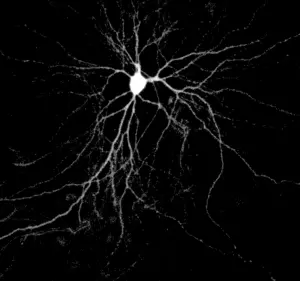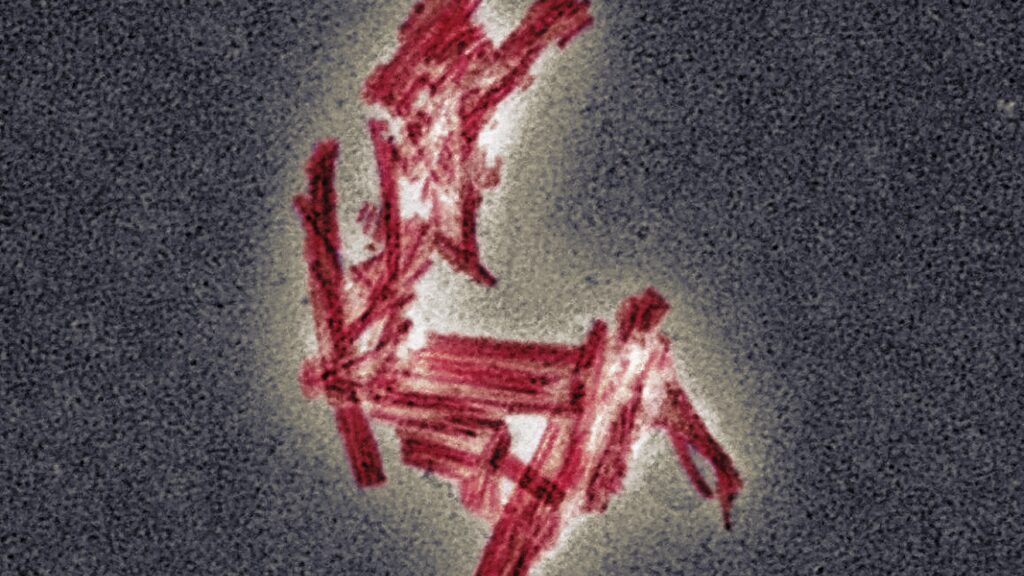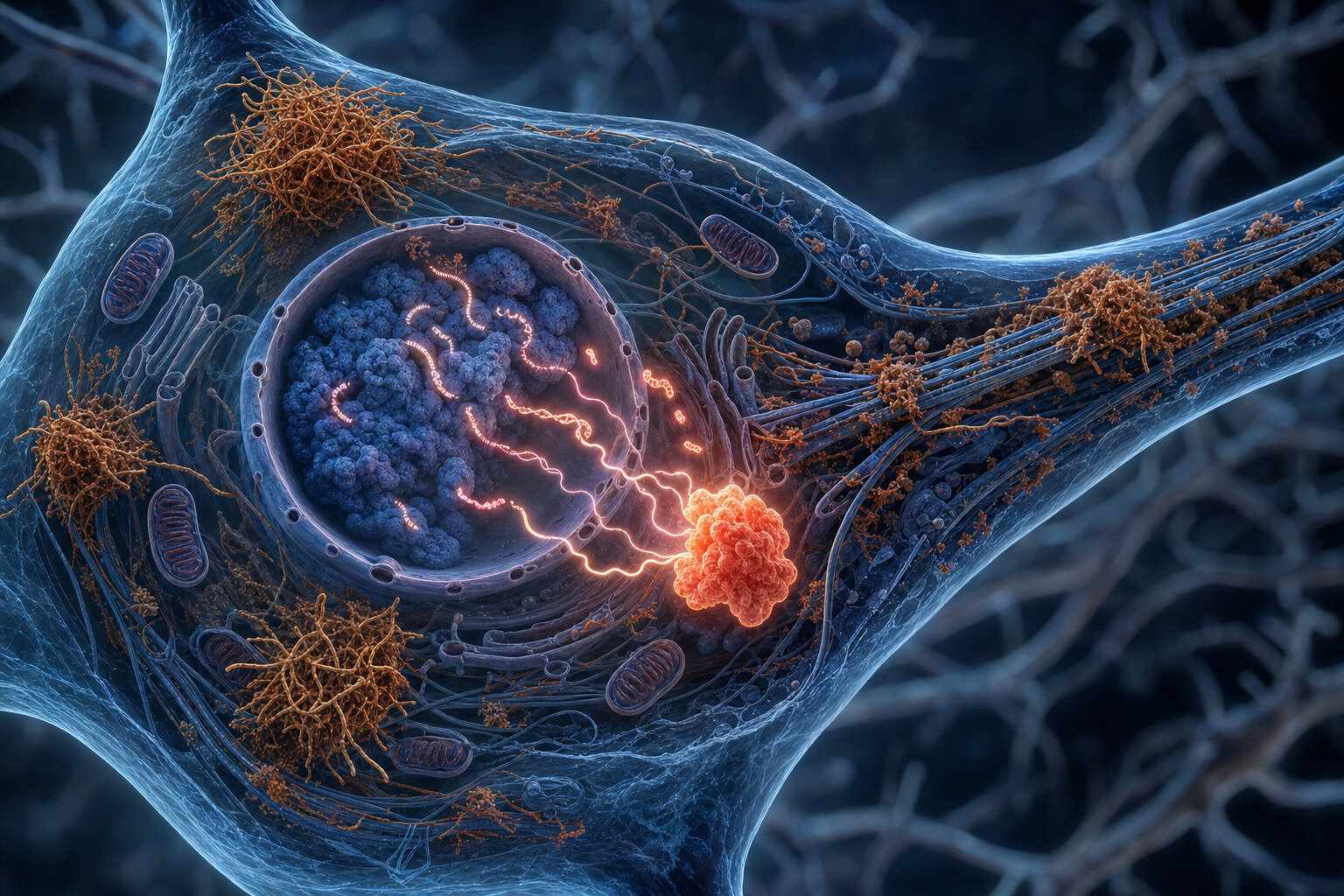
Alzheimer's disease and several other neurodegenerative disorders are linked to a damaging change in tau, a protein that normally helps support the internal structure of nerve cells. Under healthy conditions, tau stabilizes microtubules, the filament-like structures that help maintain neuronal shape and function. In disease, however, tau can twist into toxic tangles that interfere with the brain circuits it would normally help preserve.
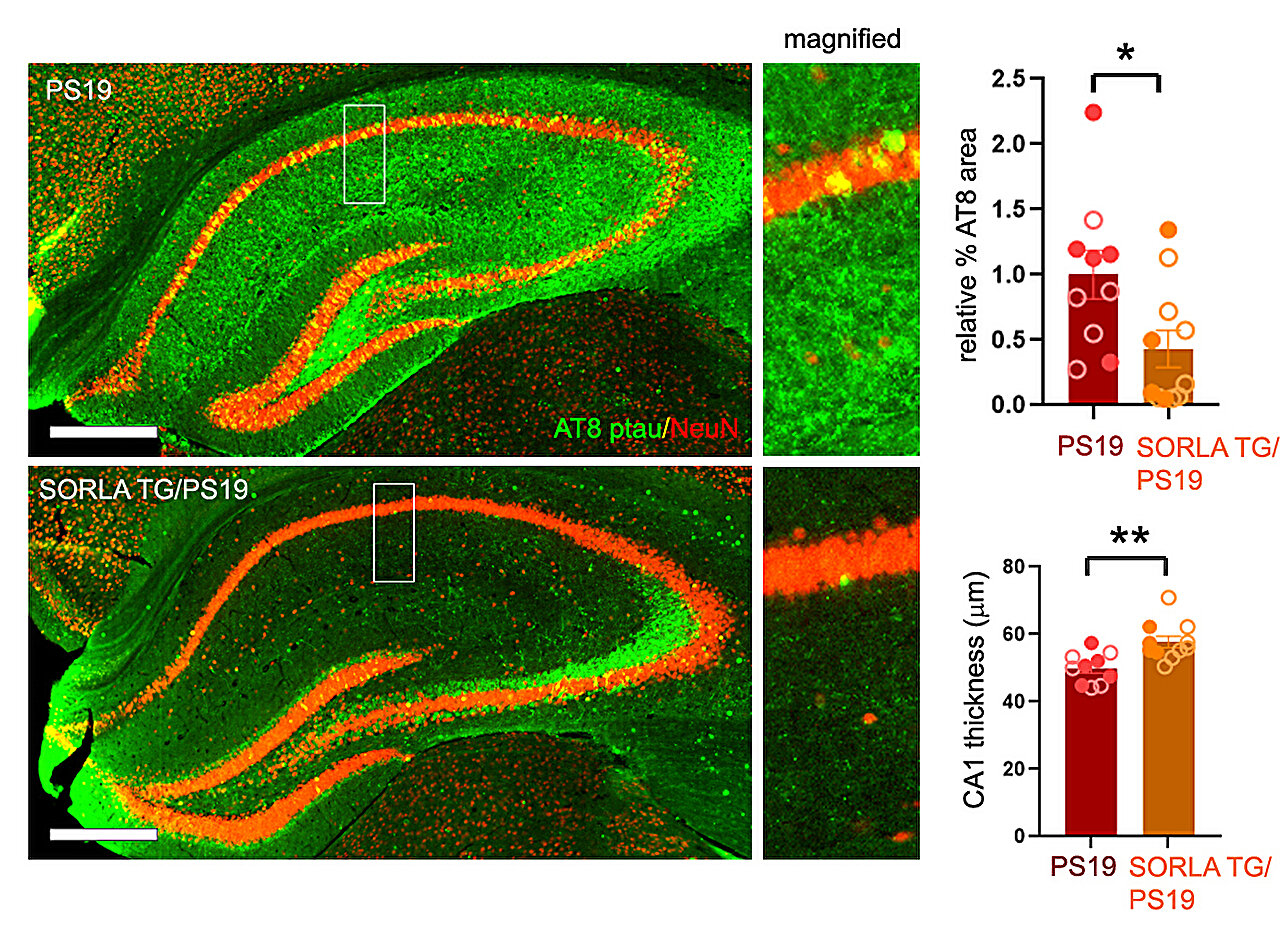
Researchers at Sanford Burnham Prebys reported on July 17, 2026, in Science Advances that another protein may help protect the brain from this damage. Their findings raise the possibility that future therapies could strengthen this natural defense and reduce the harmful effects of tau-related disease.
How Tau Tangles Damage the Brain
Tau is normally found throughout the brain and nervous system, where it helps maintain the structure of neurons and the networks they form.
In Alzheimer's disease and other tauopathies, tau proteins begin accumulating inside nerve cells. These abnormal clumps, known as tau tangles, are associated with cognitive decline, disrupted brain function, and the death of neurons.