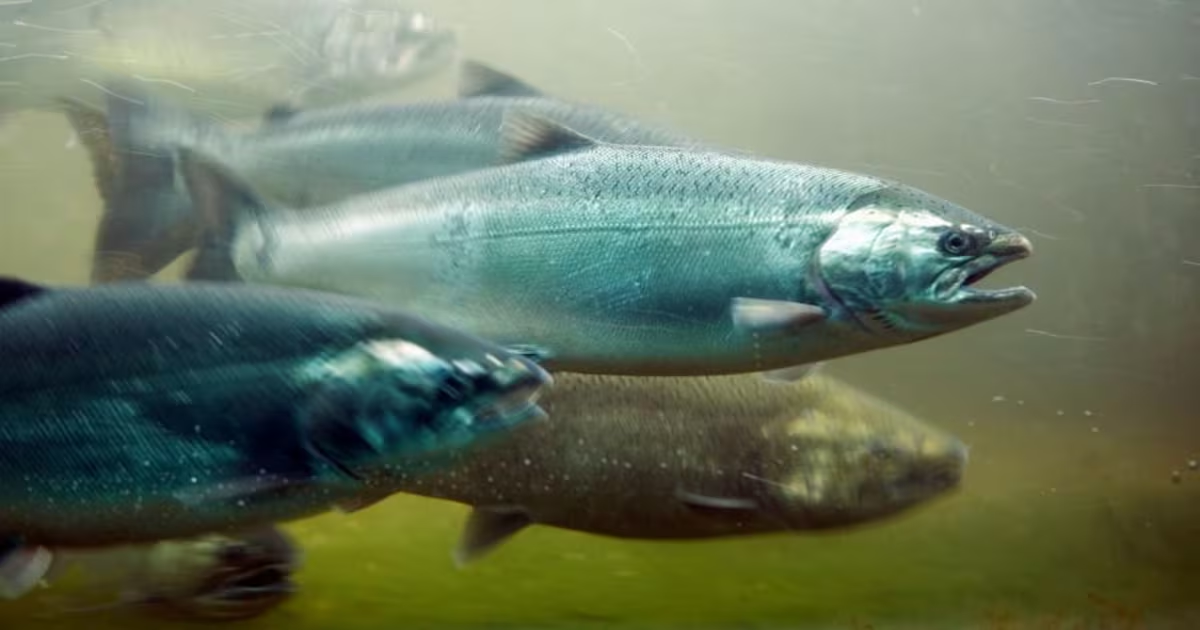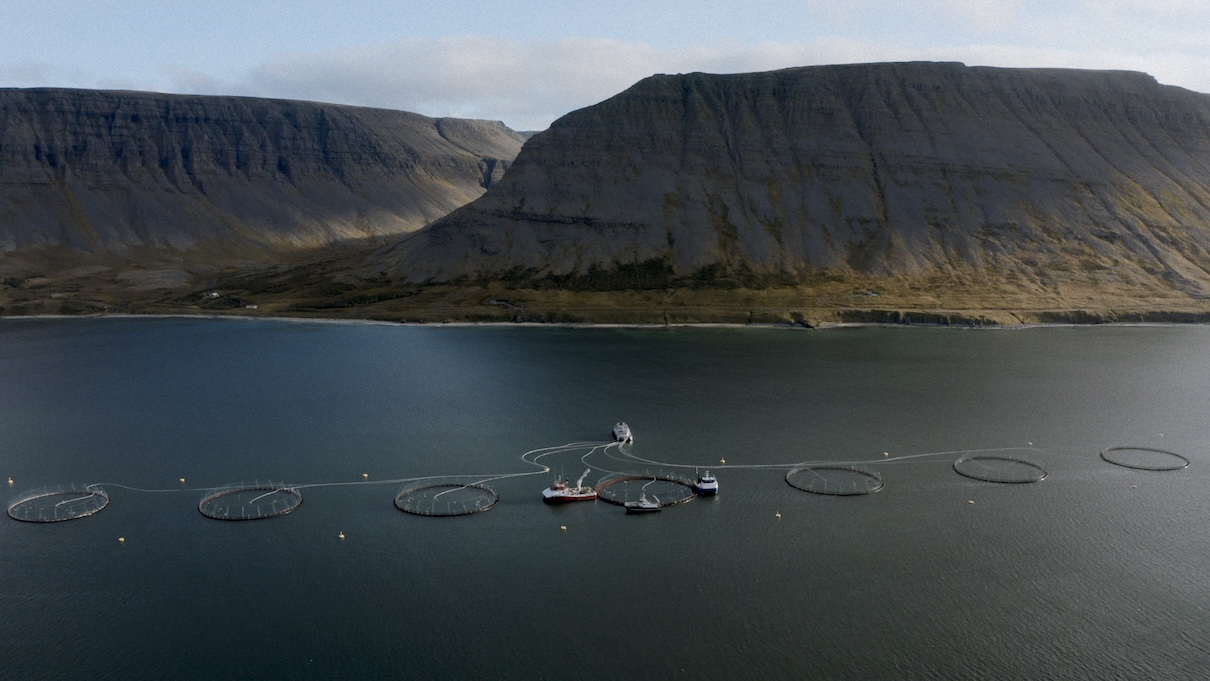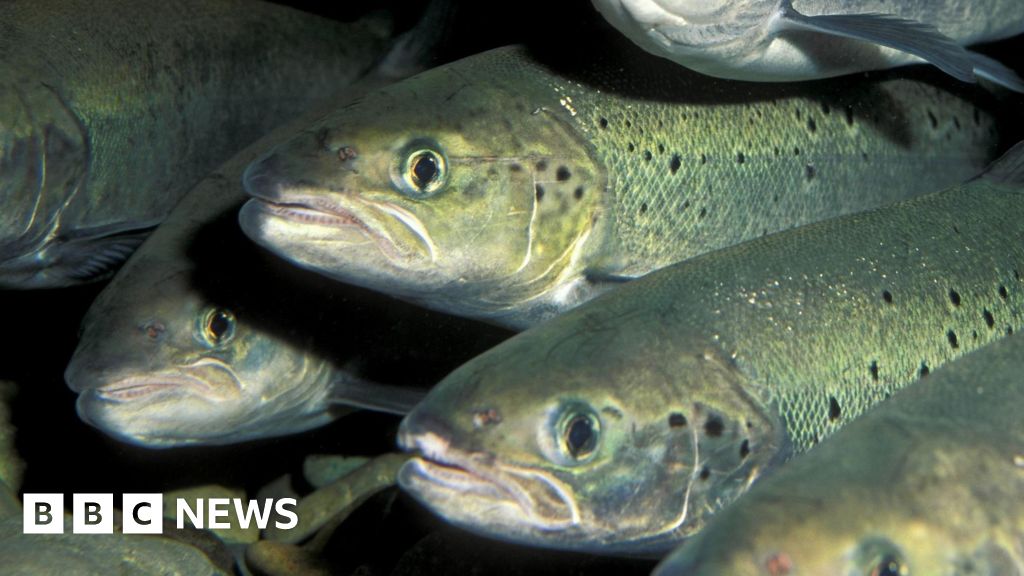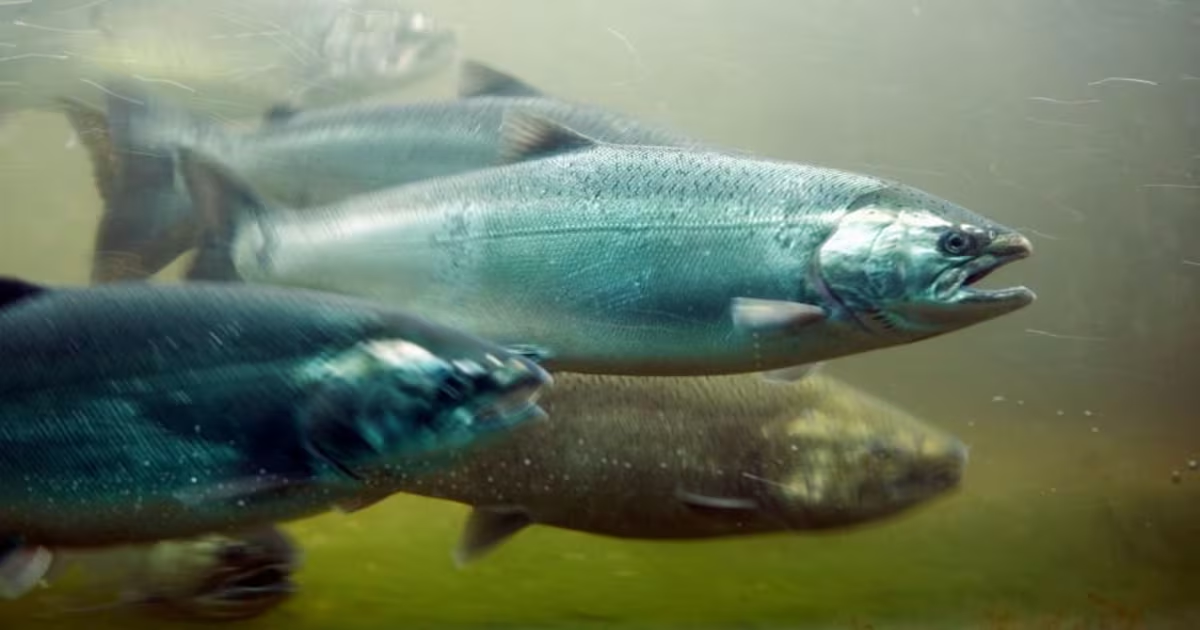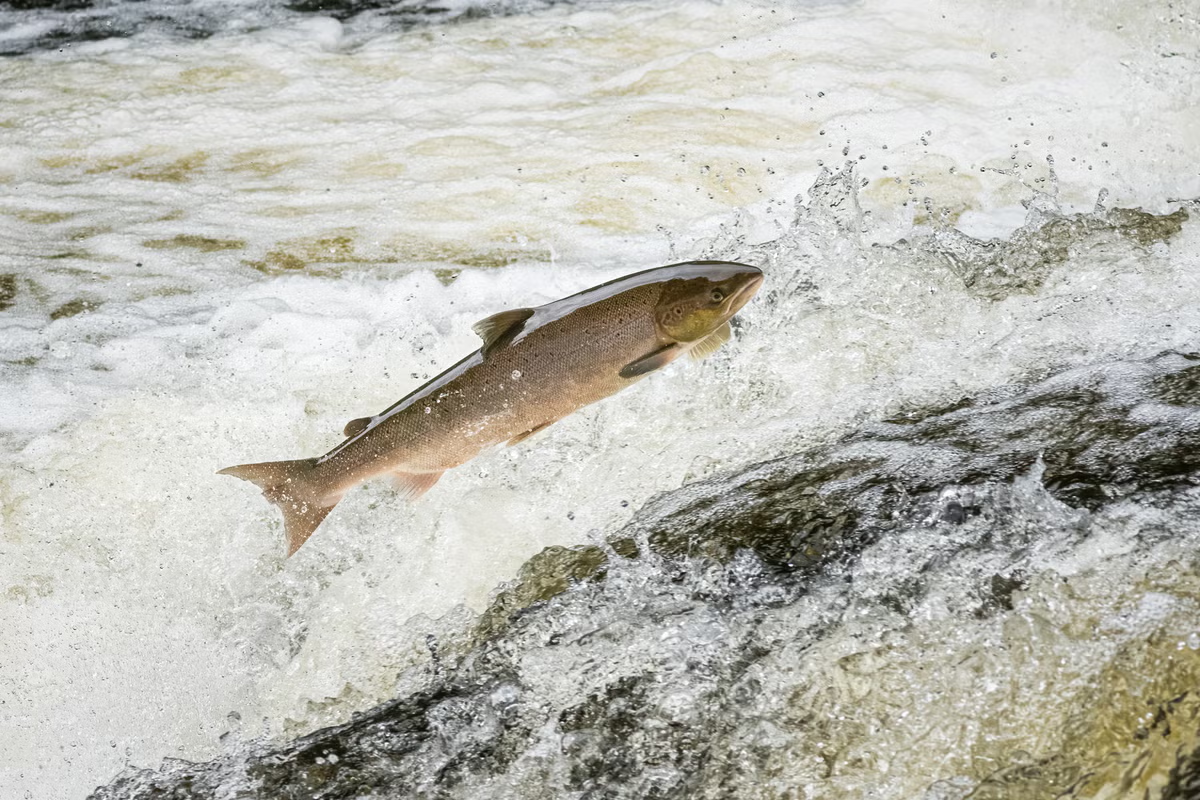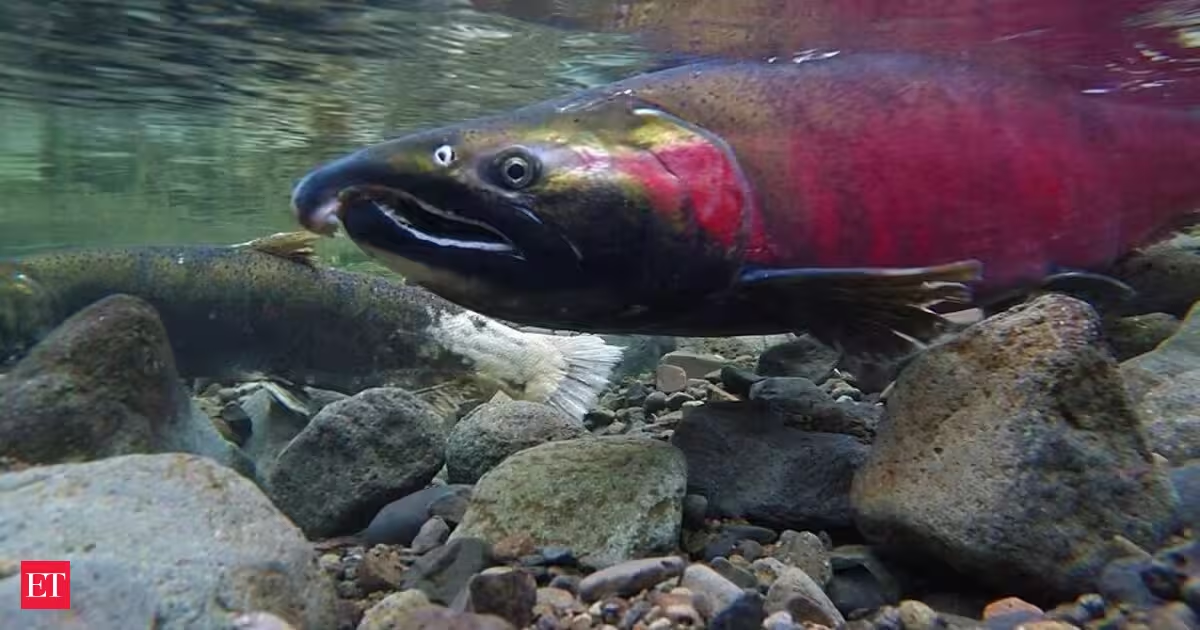
Escaped farmed salmon have been interbreeding with Ireland’s endangered wild salmon, leaving traces of their DNA in one-third of fish tested. The findings, from a three-year study, have prompted calls for tightened security on fish farms and rapid response mechanisms when escapes happen. Environmental group Salmon Watch Ireland said fish farms should also be moved inland so escapees have no chance of entering natural waterways.Inland Fisheries Ireland, the Marine Institute, Teagasc and University College Cork collaborated on the study. It analysed DNA from more than 6,300 juvenile salmon sampled at 166 sites across 133 river stretches from 2023 to 2025 along with 1,755 samples stored since the early 2000s. In total, 33 per cent of samples were positive for introgression – the transfer of genetic material from one species to another.[ Escaped salmon a major threat to future wild fish due to genetic contamination, investigation findsOpens in new window ]Levels were low in 27 per cent, moderate in 6 per cent and high in 1 per cent. Proximity to fish farms increased the risk but positive samples were also found long distances from farms, indicating that escaped salmon can travel widely. Salmon Watch Ireland said it was seriously concerned that farmed salmon had left a “genetic footprint” in Ireland’s wild Atlantic salmon. “Wild salmon have evolved over thousands of years to become uniquely adapted to their home rivers,” said chief executive John Murphy. “Genetic introgression from domesticated farmed salmon has the potential to weaken those local adaptations and reduce the resilience of wild populations at a time when they are already under enormous pressure from climate change, habitat degradation and declining marine survival.” Murphy called for greater transparency around the reporting of escapes, independent investigations into such incidents and a national policy of moving farms inland.[ Wild salmon are on the verge of extinction. There is not one fish to spareOpens in new window ]Inland Fisheries Ireland said the dilution of wild salmon DNA posed a risk to their survival. “This genetic disruption can ultimately lower offspring survival rates and reduce the overall resilience of wild populations to other pressures that impact them,” said senior research officer Michael Millane. Prof Philip McGinnity of UCC, who led the study, said Ireland’s wild salmon represented a “unique and irreplaceable 15,000-year legacy from the last Ice Age”. “Gene flow from escaped salmon has the potential to be a powerful evolutionary force,” he said. “Any fundamental change to the genetic make-up of these populations could seriously hamper their capacity to evolve and adapt to future challenges.”The study is being extended by a year to carry out further sampling. The next phase will focus on an escape from a fish farm in Killary fjord in Co Mayo in 2024. Previous research found some recaptured escapees were sexually mature and could potentially breed with wild species. The new study will seek to discover if any did breed and produce hybrid offspring.
Evidence of interbreeding with farmed fish raises fears for wild salmon
DNA from escaped stocks could be a damaging evolutionary force, scientists say
485 words~2 min read