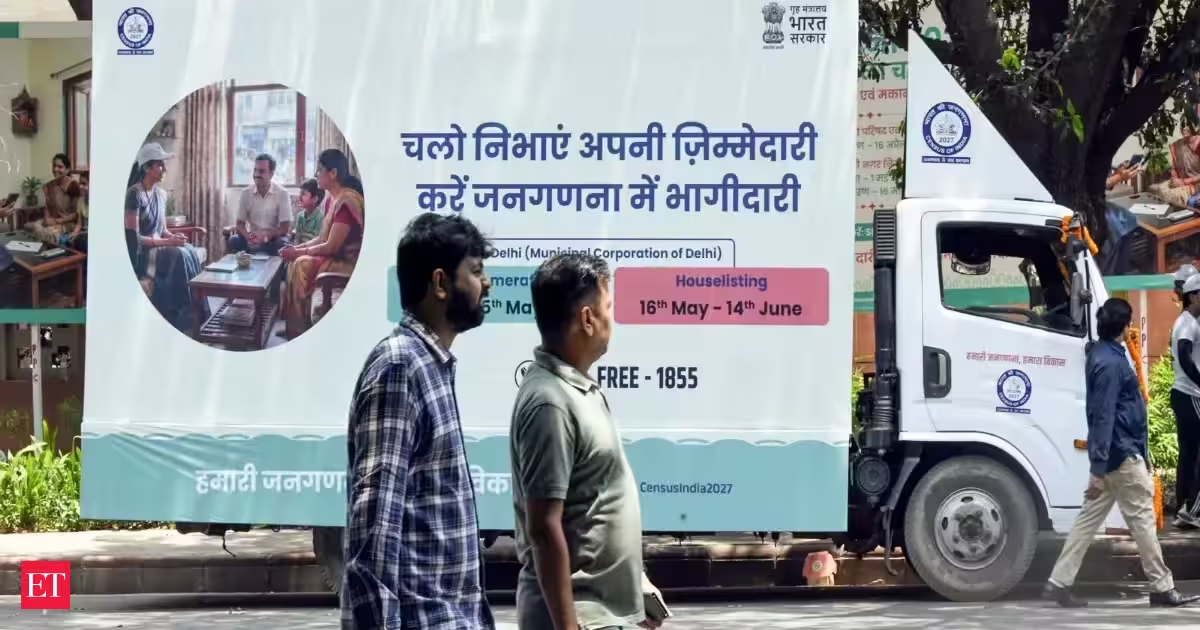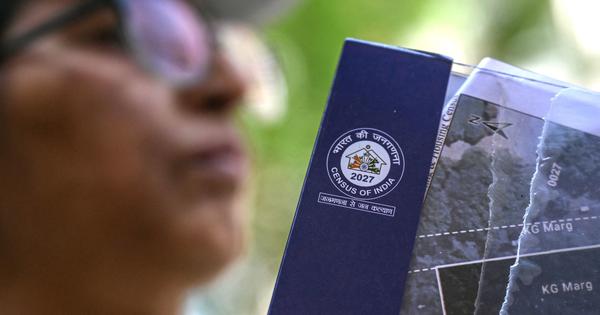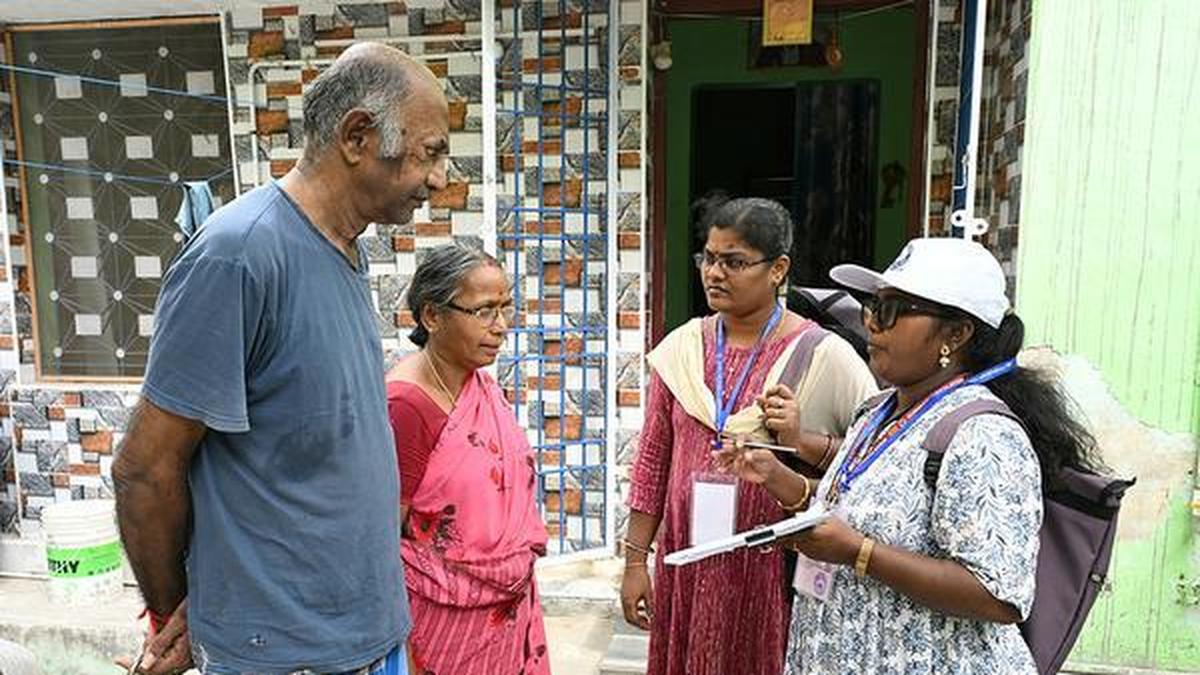
A trial for the second phase of the census now underway is testing an open column for counting caste. But by the government’s own admission, it is likely to produce data that reservation or welfare policy cannot actually use.Since July 6, a “pre-test” for the second phase of Census 2027 has been underway across 16 states and Union Territories. In the first phase, data was collected on housing conditions and amenities. In the second phase, significantly, caste will be counted for the first time since 1931. The form for the trial carries an “open column” for caste, officials told the media. Instead of a fixed list or boxes to tick, the form has a blank space for respondents to write down their caste. The pre-test finishes on July 20. The government’s lessons from it will shape how caste is counted and governed for the next decade.The open column sounds respectful, asking nothing of the state and everything of self-description. But the 2011 Socio-Economic and Caste Census used an identical method, which returned over 46 lakh distinct “caste names” such as Gupta, Agarwal and dozens of variants for what was, each time, the same caste. The dataset was unusable for policy. Successive governments of different political persuasions chose not to publish it.The current census pre-test is baffling because the government has already told the Supreme Court why open self-reporting fails. In a 2021 affidavit, it argued that because castes are divided into sub-castes under self-description, the resulting count cannot be relied upon to allot reservations of seats in educational institutions, government employment or electoral constituencies.That is the government’s own assessment of the method now piloted as the front-runner for independent India’s first caste census.There is another inconsistency in the paperwork of the first phase. The form asked the sex of the head of household, offering male, female, and – unlike 2011, which used only a residual “other” – a specifically named transgender category.The next row, asking about the head of household, offered only Scheduled Caste, Scheduled Tribe and Other. The Other Backward Classes and General category are absent. Instead, there is a single bucket “Other” for everyone the state does not consider worth separately naming.
Census 2027 will count caste – but the data it produces won’t be usabale
OBCs will remain unseen, even though the caste census was revived specifically to make this category visible.
937 words~4 min read