Story audio is generated using AI
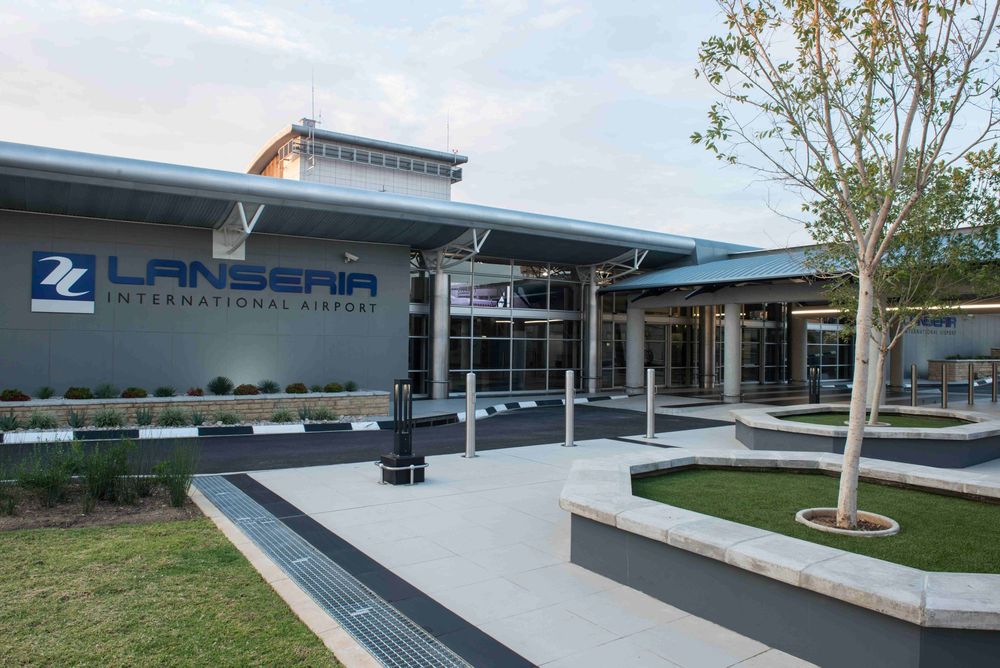
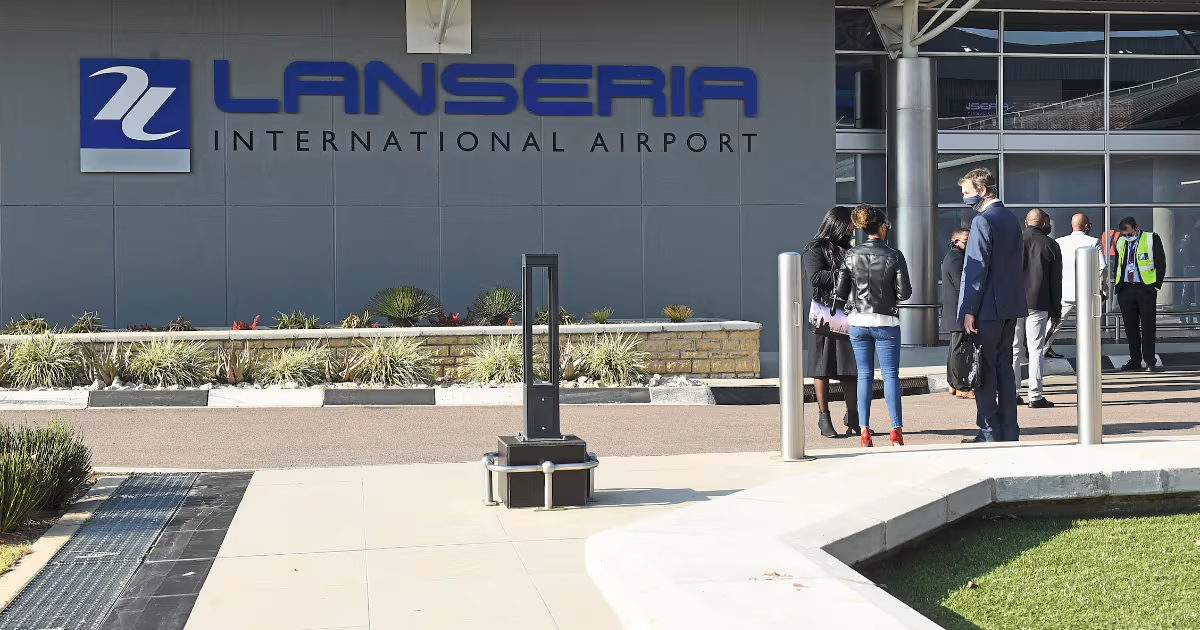
A partner at accounting firm Crowe, which is at the heart of the controversial R400m payment by the Public Investment Corporation (PIC) to BEE outfit Acapulco, was recently sanctioned and fined by the Independent Regulatory Board for Auditors (Irba) for poor work.Business Day has established that Gary Kartsounis was handed a R400,000 fine by Irba in March after the auditing regulator found him guilty of shoddy work on one of the companies he was tasked with auditing.The Irba matter is unrelated to Kartsounis’ role in determining the valuation of Acapulco’s shares in Lanseria International Airport. That valuation ultimately played a crucial role in getting Acapulco to walk away from its dispute with the PIC with a R400m payment, leading to fallout at the asset manager.The sanction by Irba followed a probe that found Kartsounis had failed to obtain sufficient appropriate audit evidence, as required by the International Standards on Auditing. This related to derivative financial assets and options disclosed as contingent assets, where Kartsounis “failed to respond appropriately to misstatements identified during the audit”.In addition, “As the group engagement partner, he failed to evaluate the sufficiency and appropriateness of audit evidence obtained by the component auditors,” Irba found.Kartsounis, the most senior employee at Crowe’s Joburg office, had R200,000 of the fine suspended for three years, on condition he not be found guilty of any improper conduct during the period of suspension.“Furthermore, he must arrange and ensure he and his staff attend external training on both accounting for financial instruments and the practical application of the auditing standards within 60 days of the imposition of the sentence and must provide evidence of compliance to the Irba,” the watchdog ruled, without mentioning the company whose books he was looking after.The findings by Irba, which were delivered when professional services firm PwC was reviewing the R400m payment to Acapulco in October last year, will raise further questions about Kartsounis’ capabilities.Acapulco in 2013 received a R333.2m loan from the PIC to buy a 25% stake in Lanseria. Under the terms of the deal, Acapulco was expected to raise funds to refinance a portion of the capital loan amount. The final repayment of the capital loan amount was to fall on the 10th anniversary of the first advance date, which came in the latter part of 2023.Acapulco defaulted on the loan, which had ballooned to about R600m, including interest. The PIC then moved to perfect its security by taking transfer of Acapulco’s shares in Lanseria.The issue of the valuation of the stake then came into play. The PIC and Acapulco hired professional services firm BDO to conduct the valuation. BDO’s valuation of Acapulco’s stake came in at R238m. BDO’s report was swiftly dismissed alongside its mandate and was replaced by Crowe, which PwC found did not undergo the intense due diligence into its valuation expertise that BDO underwent before its engagement.Mills Fitchet was appointed by the PIC to perform the property valuation of Lanseria, while Crowe was appointed to determine the fair value of the 25% shareholding Acapulco had in Lanseria, following a dispute between it and the PIC.The PwC report did not shower Crowe and Kartsounis with praise. “On December 3 2024, Crowe issued a draft valuation report valuing Acapulco’s 25% shareholding in Lanseria Holdings at R550m. The draft report referenced the Mills Fitchet property valuation, indicating that the property valuation had been considered in arriving at the draft valuation outcome,” PwC noted in its report.“Between December 3 2024 and January 17 2025, correspondence reflects engagement between the PIC, Crowe and Acapulco, including requests by the PIC for … clarification of the manner in which the Mills Fitchet property valuation had been taken into account in the valuation of the 25% shareholding.“On January 17 2025, Crowe appears to have unilaterally issued its final valuation report and certificate, valuing the 25% shareholding at R1bn, an increase of approximately R490m from the draft valuation.“The documentation reviewed reflects that Crowe, among other changes, changed the manner in which the Mills Fitchet property valuation was incorporated into the final valuation outcome.”PwC found that Crowe valuation’s engagement was led by Kartsounis. The documentation reviewed reflects that Crowe, among other changes, changed the manner in which the Mills Fitchet property valuation was incorporated into the final valuation outcome. — PwC “We were unable to confirm that the Crowe engagement team had prior experience in valuations of this nature. The Crowe profile obtained during the engagement describes Mr Kartsounis as an audit specialist and does not include valuation-specific experience in any capacity,” PwC said in a report commissioned by PIC CEO Patrick Dlamini — who was placed on precautionary suspension last week. PwC has ultimately found that Crowe’s valuation of Acapulco’s stake included double-counting of the underlying assets of Lanseria. The valuation was accepted by the arbitration process, with the PIC in October 2025 shelling out R411m to Acapulco.PwC found the arbitrators had partly relied on a Wikipedia article to find that double-counting cannot be fully eliminated in accounting, a conclusion PwC found was concerning, more so because Crowe has insisted it did not do double-counting.PwC also found the PIC put up a feeble attempt to defend its case at the arbitration, despite its stated position that Crowe’s valuation was grossly inflated. Bizarrely, the PIC did not call on Crowe to defend its valuation at the arbitration, an omission PwC said was concerning.Attempts to get in contact with Kartsounis for comment were unsuccessful, and no response to questions emailed to him had been received by the time of publication.PIC chair David Masondo has since called on the Special Investigating Unit to investigate the matter.