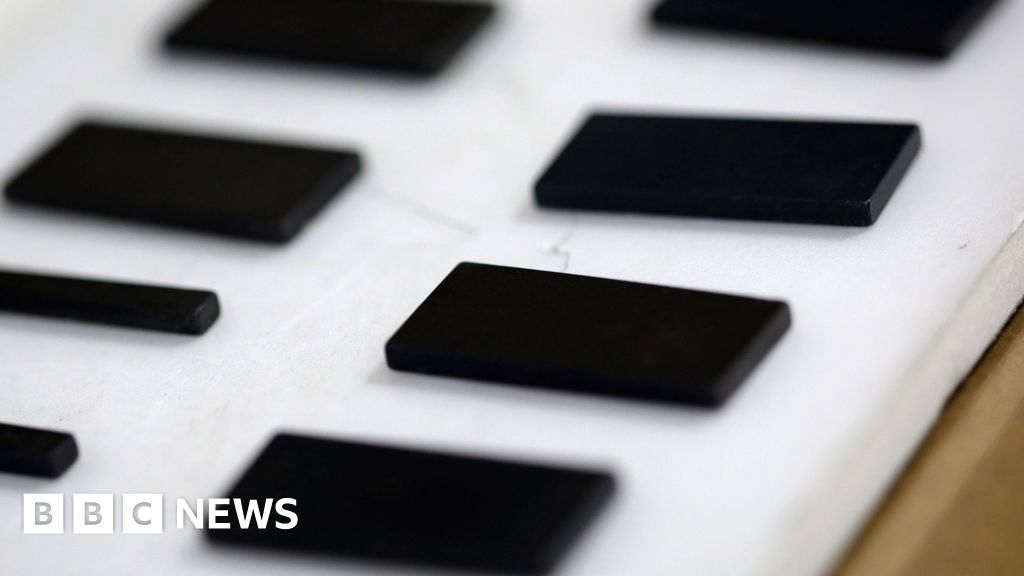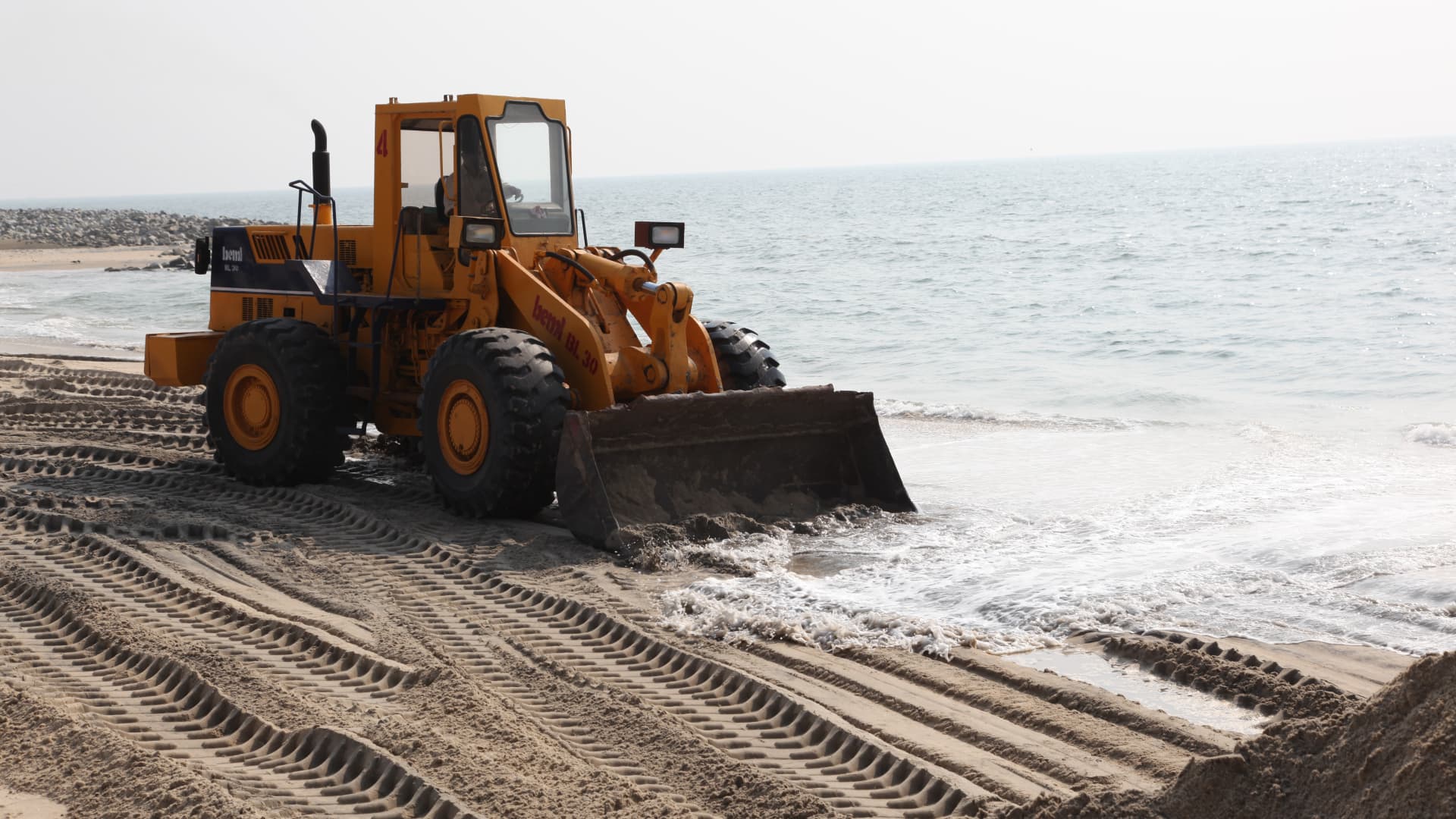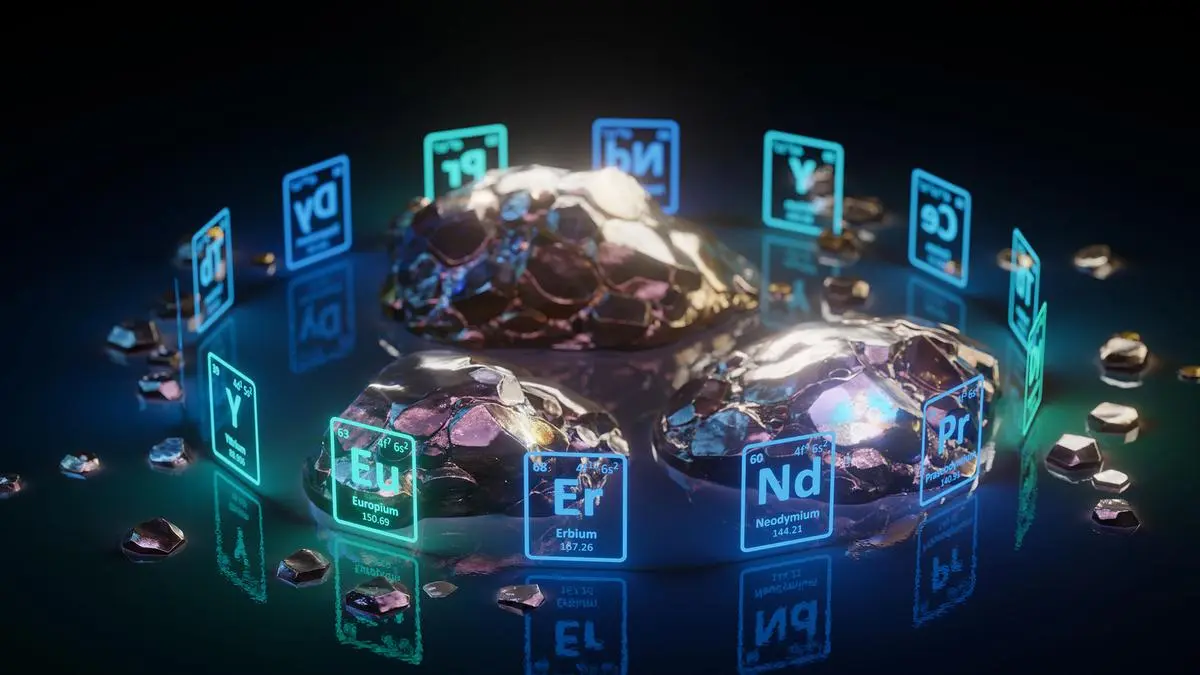
India’s ambitions in the areas of clean energy, electric mobility and advanced manufacturing rest on an uncomfortable reality: the minerals needed to power these sectors are sourced through global supply chains that are increasingly beyond the country’s control.Of the 33 minerals in demand, 24 face a high risk of supply disruption. India is entirely dependent on imports for 10 minerals, including cobalt, nickel and lithium.China dominates the midstream — controlling over 90 per cent of rare-earth processing, 95 per cent of graphite processing and 79 per cent of refined cobalt production. Strategic leverage lies not at the mines but in beneficiation — separation, refining and oxide production.In November 2025, the Union Cabinet approved a ₹7,280-crore scheme to build manufacturing capacity for 6,000 tonnes per annum of integrated rare earth permanent magnets (REPM), covering the value chain from rare-earth oxides to finished magnets for electric vehicles, wind turbines, and aerospace and defence applications.However, the scheme faces several challenges. India produces some light rare-earth oxides through the public sector company IREL, including neodymium-praseodymium, but is dependent on imports for the heavy rare-earth oxides dysprosium and terbium.Between 2022 and 2025, imports accounted for 60-80 per cent by value and 85-90 per cent by volume of the permanent magnets supplied in the country.Without secure oxide supplies, India risks replacing one import dependency with another.Three parallel strategies are needed to secure oxide supplies: diversified international off-take agreements for critical minerals from non-concentrated sources; ore-to-oxide processing capabilities built through technology partnerships; and development of domestic resources, including those in India’s maritime domain.Offshore inflectionIndia’s ‘exclusive economic zone’ — the area of the sea extending up to 200 nautical miles (about 370 km) from the country’s coastal baseline — spans about 2.37 million sq km. Seven auctioned offshore blocks near Great Nicobar contain polymetallic nodules rich in cobalt, nickel, copper, manganese and rare earths. Beyond them, India’s exploration contract in the Central Indian Ocean Basin covers an even larger resource. The National Critical Minerals Mission (NCMM), launched in January 2025 with an outlay of ₹34,300 crore, prioritises offshore mining.Capability, however, lags ambition. India offered 13 offshore blocks for auction in November 2024, including seven polymetallic nodule blocks valued at over ₹1.5 lakh crore. After several deadline extensions, the auction was cancelled in December 2025 after attracting no bidders. The reason was clear: Indian companies lack the specialised equipment and technology needed for deep-sea mining. Rather than ending India’s offshore ambitions, the setback should reshape them.Partnership architectureJapan offers a useful model. The Japan Organisation for Metals and Energy Security (JOGMEC) facilitates technology transfer in exchange for supply commitments — Japan and Lynas Rare Earths operate a three-country supply chain whereby ore mined in Australia is processed overseas before reaching Japan. This secures reliable midstream access without requiring every stage of the processing to be domestic.India’s future offshore auctions should similarly pair exploration rights with technology partnerships and long-term off-take agreements. Linking offshore development with India’s oxide requirements for the REPM programme could make deep-sea projects commercially viable while securing critical feedstock.India’s individual initiatives — the NCMM, the REPM scheme, offshore mining reforms and Khanij Bidesh India Ltd’s overseas acquisition mandate — are all sound. The missing element is integration.The oxide supply gap, processing technology deficit and offshore resource challenge are not separate problems but parts of the same value chain. A credible strategy must address all three together through diversified international supply, domestic processing capability built with global partners, and an offshore framework that attracts technology leaders rather than deters them.India cannot build a resilient critical-minerals ecosystem one link at a time.(Anuj Gupta is MD of BowerGroupAsia and Abhinav Jindal is a senior faculty member at Power Management Institute and an energy economist. Views are persona)Published on July 20, 2026
The missing element in India’s rare-earths scheme
Explore India's challenges in building a self-sufficient rare-earths ecosystem to support clean energy and advanced manufacturing ambitions.
621 words~3 min read