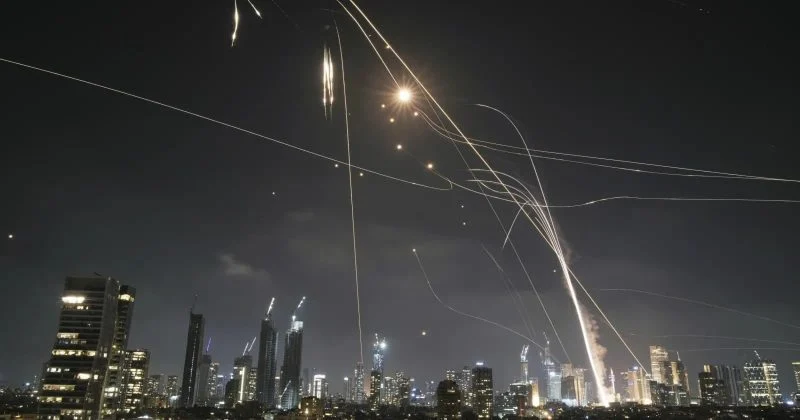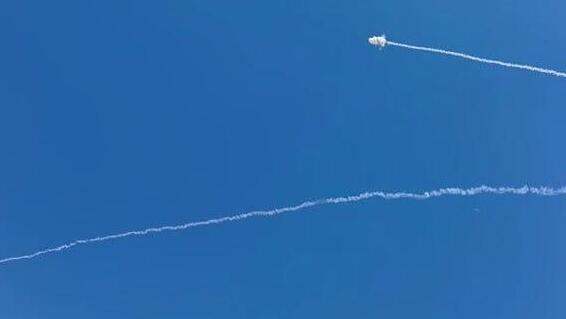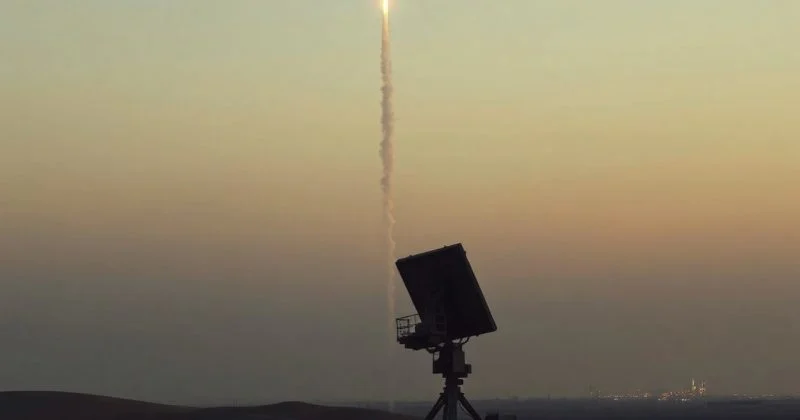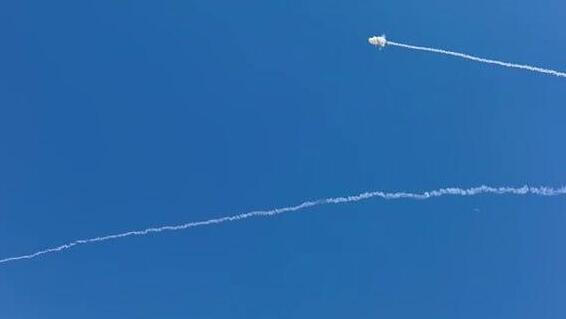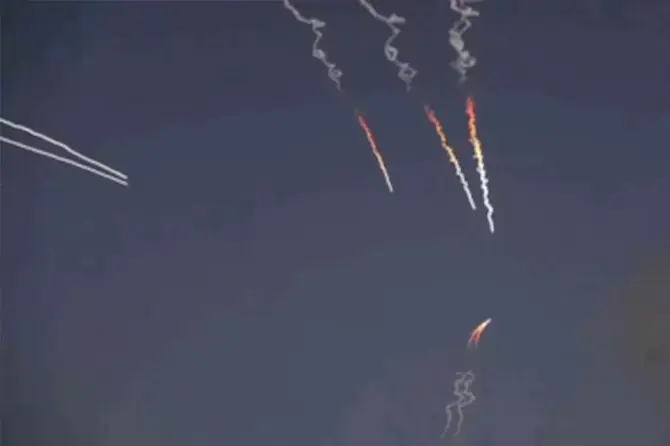
On July 19, 2026, Israel issued air raid alerts near Eilat after warning that Iranian missile strikes on Jordan could send intercepted debris drifting into Israeli territory. The concern was less about a direct attack and more about the physics of modern air defense: missiles get shot down, but the wreckage still has to land somewhere.
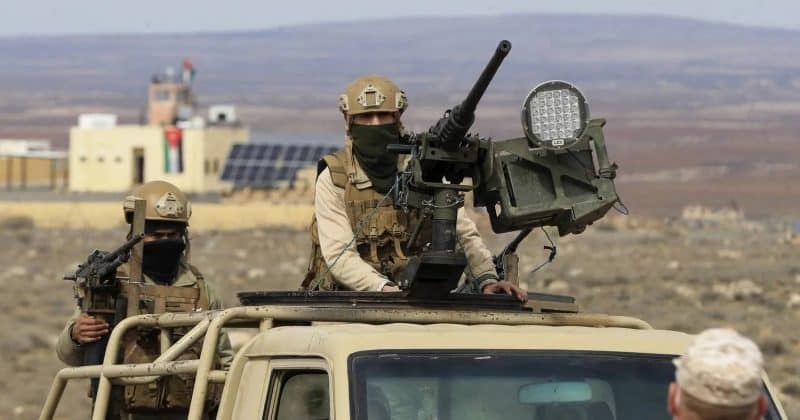
Jordan’s military reported intercepting multiple Iranian ballistic missiles aimed at targets including the Muwaffaq Salti Air Base and the Aqaba port region. Initial reports indicated no casualties or significant structural damage.
What actually happened on the ground
Jordan intercepted somewhere between 8 and 10 Iranian ballistic missiles across the July 16-19 window, with four specifically targeting the Aqaba area. Aqaba sits directly across a narrow strip of water from Israel’s Eilat, which explains why Israeli officials moved quickly to activate sirens even without confirmed crossings into Israeli airspace.
This is not an isolated incident. Since February 28, 2026, more than 39 IDF soldiers and civilians have died from Iranian attacks on Israel, making this the most sustained direct confrontation between the two countries in recent memory. The July 19 alert fits into a pattern of escalation rather than representing a singular spike.