IBM has survived mainframes, the dot-com bust, and the cloud revolution. What it may not survive, at least in its current form, is the corporate world deciding it no longer needs what IBM sells.
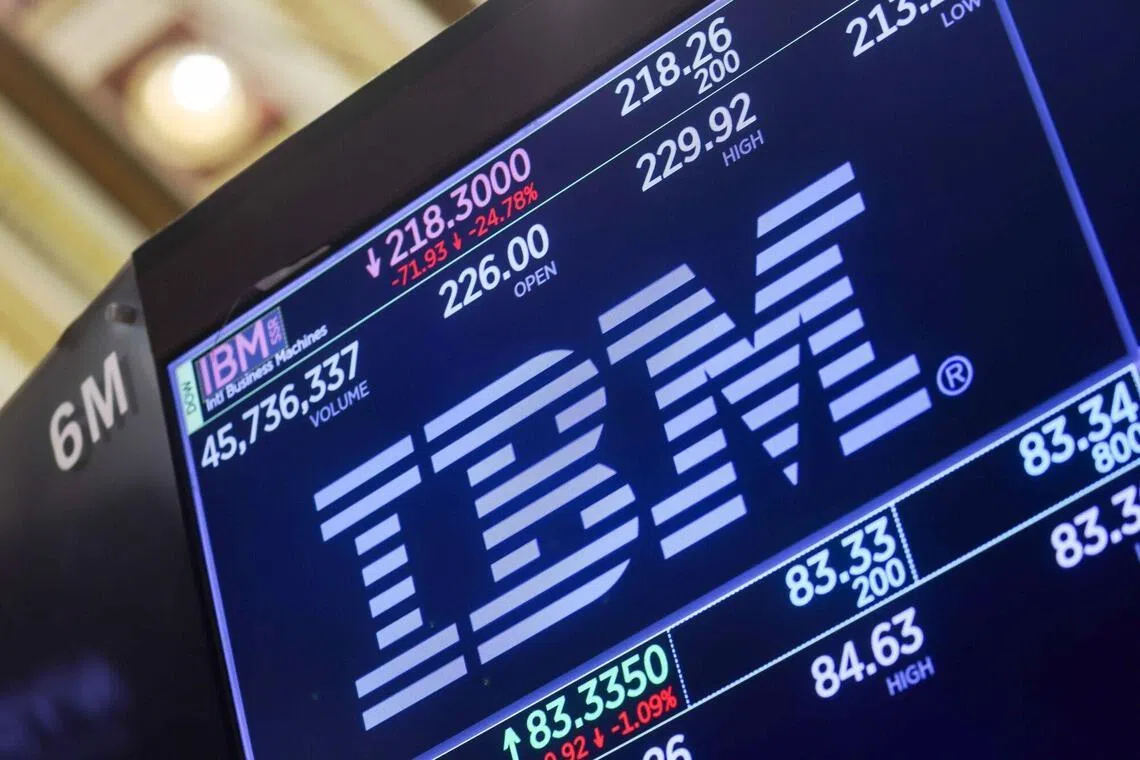
On July 14, 2026, IBM shares fell approximately 25% in a single session, the company’s worst one-day performance since at least 1968. The trigger was a preannouncement of preliminary Q2 2026 revenue guidance of roughly $17.2B, a number that landed well below what analysts had expected. Tens of billions in market capitalization evaporated before the closing bell.
What actually happened
The revenue shortfall was not a manufacturing glitch or a supply chain hiccup. IBM blamed a meaningful shift in how its enterprise clients are allocating technology budgets.
Companies are redirecting spending toward AI infrastructure: servers, memory chips, and storage systems built to run large language models and other AI workloads. That is great news for chipmakers and hyperscale cloud providers. For IBM, which generates significant revenue from software licenses and consulting contracts tied to legacy systems, it is a direct threat to the business model.