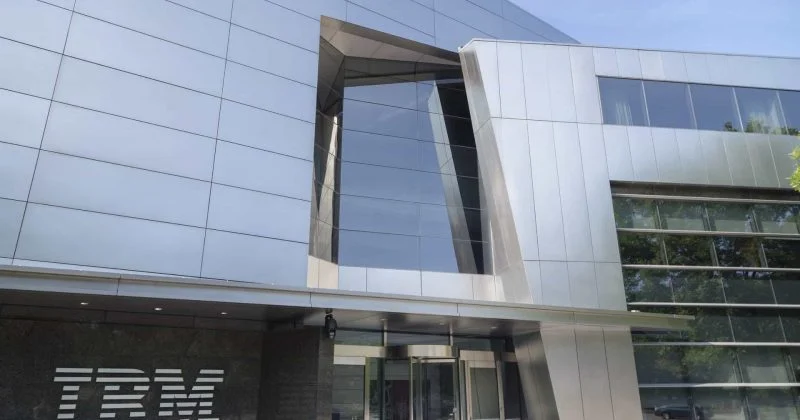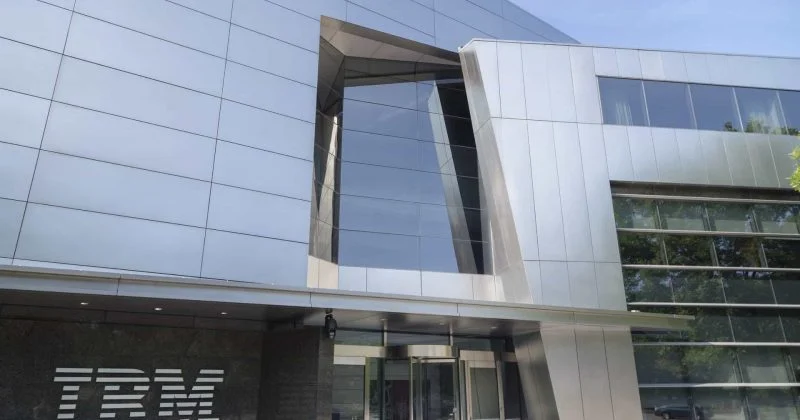
IBM just had the kind of day that makes corporate historians wince. On July 14, the company’s stock plunged approximately 25%, erasing roughly $67 billion in market capitalization and marking the single worst trading session in its 115-year existence. The stock fell to around $217 per share, leaving the company valued at just under $205 billion.
To put that in perspective, this was worse than IBM’s Black Monday performance in 1987, when shares dropped 23.7%.
What went wrong
The trigger was a pre-earnings warning that landed like a grenade on trading desks. IBM disclosed that second-quarter revenue would come in at approximately $17.2 billion, well below the $17.85 billion Wall Street had penciled in.
CEO Arvind Krishna acknowledged the results were “worse than our expectations,” pointing to rising chip costs and the company’s difficulty adapting to shifting enterprise spending priorities. In English: businesses are funneling money toward AI infrastructure, and IBM isn’t catching enough of that flow.